Your Trusted Partner from Prototyping to Mass Production, Email Us:info@highlymachine.com
Please Choose Your Language


Views: 222 Author: Ann Publish Time: 2025-12-15 Origin: Site


Content Menu
>> Core Functions of SMT Feeders
● The Working Principles of SMT Feeders
● The Role of SMT Feeders in PCB Assembly
● Intelligent SMT Feeders and Smart Manufacturing
>> Core Features of Intelligent SMT Feeders
● Highlywin's One-Stop SMT Feeder Support Solutions
>> Our SMT Feeder Services Include:
● How to Choose the Right SMT Feeder for Your Production
● SMT Feeder Maintenance and Troubleshooting
>> Routine Maintenance Practices
>> Common Issues and Solutions
● Global SMT Feeder Market Trends
● The Future of SMT Feeders: AI & Digital Integration
>> Future Developments Expected:
● FAQ
>> 1. What is the main function of an SMT Feeder?
>> 2. Are all SMT Feeders compatible with any brand of machine?
>> 3. How do intelligent SMT Feeders differ from standard ones?
>> 4. What maintenance is required for SMT Feeders?
>> 5. Can Highlywin customize SMT Feeders for my unique component packaging?
In modern electronics manufacturing, Surface Mount Technology (SMT) has transformed how printed circuit boards (PCBs) are produced. The process is faster, more accurate, and highly automated compared to traditional through-hole assembly. Among the critical components that enable this advancement, SMT Feeders play an indispensable role. They supply electronic components consistently and precisely to the high-speed pick-and-place machines, making them the backbone of SMT production lines.
As a global supplier of SMT/AI/peripheral equipment and full-service support, Highlywin offers complete solutions covering feeder systems, spare parts, calibration, and technical assistance. This article explores how SMT Feeders have revolutionized component placement in modern PCB assembly, delving into their design, function, innovation trends, and the contributions of companies like Highlywin in driving this technology forward.

An SMT Feeder is an automated device used to deliver components from storage (such as reels, trays, or tubes) to the pick-and-place head in an SMT assembly machine. Feeders ensure that each component is accurately positioned for the robotic arm to pick up and place it onto the PCB with high precision.
- To feed components consistently and synchronously with the placement head's timing.
- To minimize misfeeds and avoid component skipping or loss.
- To enhance assembly efficiency, enabling high-speed automated placement.
- To reduce downtime by allowing quick changeovers between production runs.
Every SMT line can consist of hundreds of feeders operating in synchronization, making them one of the most vital elements in maintaining throughput and quality during mass production.
SMT Feeders come in several varieties depending on how the components are packed and delivered. Each type offers unique advantages in terms of speed, adaptability, and cost.
Tape Feeders are the most widely used type. They supply components stored on tape reels. Each component is held in a cavity covered by a plastic film, and feeders use sprocket-driven systems to advance the tape by one pitch per cycle. This method allows smooth feeding of miniature surface-mount components such as resistors, capacitors, and ICs.
Tube Feeders are designed for components stored in anti-static tubes, often used for irregular or larger components. By using vibration or mechanical push mechanisms, Tube Feeders supply the next component from the tube to the pick point with consistency.
Tray Feeders are ideal for large or sensitive components such as BGAs, QFPs, or CPUs typically stored in JEDEC trays. These feeders move trays step-by-step so that each component can be accurately picked up.
Bulk Feeders handle loose components in bulk format. This method is suitable for passive components like capacitors or resistors that can be easily oriented using vibration or airflow systems.
Selecting the correct SMT Feeder type depends on the shape, size, and packaging of the components used in your production.
An SMT Feeder operates through precise mechanical and electronic coordination. The placement machine sends a signal to the feeder, prompting it to advance the component by one step so that the pick head can collect it without delay.
The feeding mechanism typically involves:
- Stepper motors or servo drives for exact movement control.
- Optical or mechanical sensors for position verification.
- Internal memory or smart chips in modern feeders for identification and tracking.
The synchronization between the pick head and the feeder's advancement mechanism ensures seamless production. Speed, accuracy, and reliability all depend on this harmony.
In the competitive world of electronics manufacturing, speed and quality define success. SMT Feeders are the heart of the automated assembly line, influencing overall productivity, precision, and efficiency. A malfunctioning or misaligned feeder can disrupt the entire production process.
1. Accuracy: Component placement precision depends heavily on the feeder's alignment and advancement consistency.
2. Speed: High-performance feeders support rapid pick-and-place cycles without misfeeds.
3. Flexibility: Modern feeders allow quick swapping or loading of different tapes or trays, improving line versatility.
4. Reliability: Stable feeding reduces rejects and minimizes downtime caused by interruptions.
Efficient feeder management directly translates into better yield and lower operational costs.
As factories embrace Industry 4.0 and smart manufacturing principles, intelligent SMT Feeders have emerged as a new standard. These feeders incorporate electronic modules, sensors, and communication systems that provide valuable data to operators and software platforms.
- Digital identification: RFID or barcode tagging for feeder tracking.
- Automatic calibration: Sensors and embedded controllers adjust feeding accuracy autonomously.
- Error detection systems: Prevent incorrect component delivery by monitoring tape advancement and vacuum levels.
- Connectivity with MES or ERP systems: Real-time data exchange provides production analytics and traceability.
With these innovations, factory operators gain visibility into feeder performance, component usage rates, and machine efficiency, creating smarter, data-driven manufacturing lines.

Highlywin delivers a full ecosystem of SMT Feeders and support services to global customers across the electronics manufacturing industry. Our expertise extends beyond supply — we provide tailored integration, calibration, and after-sales assistance to ensure maximum line uptime.
- Sales of new and refurbished feeders compatible with popular brands including Yamaha, JUKI, Panasonic, Fuji, Samsung, and ASM.
- Custom feeder modifications to accommodate non-standard or specialized components.
- Feeder repair and maintenance, including precision tension and alignment calibration.
- Supply of original spare parts for tape guides, sprockets, covers, and sensors.
- On-site or remote technical support for setup, troubleshooting, and optimization.
By partnering with Highlywin, clients receive not just equipment but total solutions that ensure efficient, consistent, and scalable SMT production.
Selecting the ideal SMT Feeder depends on production goals, machine compatibility, and component diversity. Making the right choice ensures long-term stability and minimizes operation costs.
1. Component Packaging: Determine if components come in tape, tube, tray, or bulk to select the appropriate feeder style.
2. Feeding Speed: Match feeder speed with the pick-and-place machine's cycle time to prevent bottlenecks.
3. Compatibility: Verify compliance with the machine's mechanical structure and electronic interface.
4. Maintenance Requirements: Choose designs that allow for easy cleaning, inspection, and replacement.
5. Accuracy & Repeatability: Assess alignment precision and pitch control.
6. Cost vs. Lifetime Value: A high-quality feeder offers reliability and long-term savings through reduced downtime and repair frequency.
Highlywin offers consultation and configuration services for choosing the most suitable feeder combination for any specific production scenario.
Well-maintained feeders are essential for consistent performance. Regular inspection, cleaning, and preventive care reduce wear and enhance longevity.
- Clean feed paths to prevent tape or component residue buildup.
- Check sprocket alignment for uniform tape advancement.
- Inspect springs and gears for wear, replacing parts proactively.
- Test feeder sensor systems for signal response and accuracy.
- Recalibrate periodically to maintain precise feeding intervals.
- Misfeeds or Skipped Components: Usually caused by worn sprockets or dust contamination. Clean and replace parts as needed.
- Feeder Jams: Often the result of tape misalignment or tension errors. Ensure proper tape position.
- Communication Failure: Check electronic connections and feeder ID chips.
By maintaining strict feeder care routines, production uptime can be significantly increased.
The global demand for SMT Feeders continues to rise as electronic products become smaller, more powerful, and more complex. High-density PCB designs require precision component feeding for micro-scale parts. The following trends are shaping the market:
1. Miniaturization: Feeders designed for ultra-small components like 01005 size are now common.
2. Automation Integration: Intelligent feeders communicate with placement heads and inspection systems via industrial IoT networks.
3. Predictive Maintenance: AI-driven monitoring tools predict feeder wear before failures occur.
4. Eco-Friendly Technologies: Energy-efficient drive motors and recyclable materials are increasingly used.
5. Retrofit and Standardization: Manufacturers seek backward-compatible feeders to upgrade older SMT lines at low cost.
Highlywin remains at the forefront of these innovations, providing state-of-the-art feeder options adaptable to new and existing SMT environments.
Looking ahead, SMT Feeders are evolving into fully autonomous, AI-enhanced systems capable of predictive control and self-learning. Integration with digital manufacturing platforms will redefine flexibility and efficiency on the production floor.
- AI-assisted component recognition: Vision sensors will identify and verify component shapes in real time.
- Automatic feeder setup management: Digital twins will simulate production runs before physical execution.
- Cloud-based monitoring: Central dashboards will track feeder health, component counts, and usage statistics globally.
- Robot-assisted feeder replacement: Automated carts and robots will change feeders between product runs with minimal manpower.
This continued evolution will make feeder systems the intelligent nerve center of SMT assembly lines.
SMT Feeders are the unseen heroes in the world of PCB assembly. Their precision, consistency, and speed define the success of every product that emerges from an SMT production line. From manual mechanical feeders to fully intelligent, networked systems, their evolution reflects the technological progress of the electronics industry itself.
By integrating advanced feeder solutions, manufacturers can improve line efficiency, minimize downtime, and maintain superior quality standards. At Highlywin, we are proud to support global clients with professional SMT Feeder systems, calibration services, and technical expertise — enabling smarter, faster, and more reliable electronics manufacturing for the future.
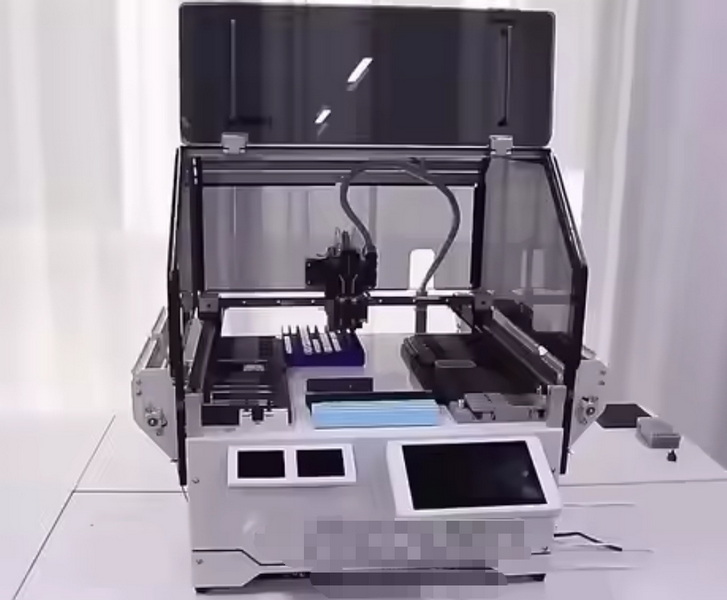
An SMT Feeder's main function is to provide components to the pick-and-place machine with accuracy and consistency, ensuring each part is correctly positioned for assembly onto the PCB.
No, feeders are typically designed for specific brands or models, such as Yamaha, Panasonic, JUKI, Fuji, or ASM. However, Highlywin supplies compatible feeders and adapter systems for various machine types.
Intelligent feeders have embedded electronics, sensors, and RFID systems that provide real-time operational data, allowing predictive maintenance and error prevention, unlike standard mechanical feeders.
Feeders should be cleaned regularly, calibrated periodically, and inspected for mechanical wear. Preventive maintenance improves precision and extends service lifespan.
Yes. Highlywin can design and modify feeders to accommodate non-standard components, supporting specialized production requirements for unique or irregularly shaped parts.


