Your Trusted Partner from Prototyping to Mass Production, Email Us:info@highlymachine.com
Please Choose Your Language


Views: 222 Author: Ann Publish Time: 2026-01-12 Origin: Site


Content Menu
● Introduction to SMT Machines and Their Importance
● Essential Safety Precautions for SMT Machines Troubleshooting
● Diagnosing and Fixing Feeder Problems in SMT Machines
>> Resolving Splicing and Tape Feed Errors in SMT Machines
>> Correcting Feeder Installation and Sensor Faults in SMT Machines
● Troubleshooting Nozzle and Component Pickup Failures in SMT Machines
>> Step-by-Step Nozzle Inspection and Replacement on SMT Machines
>> Addressing Vacuum System Leaks in SMT Machines
● Vision System Calibration and Error Resolution in SMT Machines
● Correcting Placement Inaccuracies and Offsets in SMT Machines
● Handling Conveyor and Board Transport Issues in SMT Machines
● Software, Programming, and Electrical Faults in SMT Machines
● Preventive Maintenance Strategies for Long-Term SMT Machines Reliability
● FAQ
>> 1. What are the most common feeder errors in SMT machines?
>> 2. How can nozzle failures be prevented in SMT machines?
>> 3. Why do vision systems fail in SMT machines?
>> 4. What causes placement inaccuracies in SMT machines?
>> 5. How often should SMT machines undergo full maintenance?
SMT machines form the backbone of modern electronics manufacturing, enabling high-speed, precise placement of components on printed circuit boards (PCBs). However, these sophisticated SMT machines frequently encounter operational hiccups that can halt production lines and increase costs. Highlywin, a premier supplier of SMT/AI/peripheral equipment along with comprehensive service support and spare parts sales, delivers one-stop SMT solutions to global customers, helping them troubleshoot and maintain their SMT machines efficiently.

SMT machines, also known as Surface Mount Technology machines, automate the process of placing tiny electronic components onto PCBs, far surpassing the capabilities of traditional through-hole assembly. These SMT machines integrate advanced features like high-resolution vision systems, robotic arms, and intelligent feeders to achieve speeds exceeding 100,000 components per hour in top models. Despite their reliability, SMT machines are prone to issues stemming from mechanical wear, environmental factors, software glitches, or material inconsistencies, all of which demand prompt troubleshooting to minimize downtime.
Highlywin understands the critical role of uninterrupted SMT machines operation in competitive markets. By providing genuine spare parts and expert service for popular SMT machines brands like Yamaha, Fuji, and Panasonic, Highlywin ensures customers worldwide can keep their SMT machines running at peak performance. Regular troubleshooting protocols for SMT machines not only resolve immediate problems but also extend equipment lifespan, reducing long-term ownership costs.
Before diving into any diagnostics on SMT machines, safety must come first to protect operators and equipment. Always isolate power to the SMT machine using lockout/tagout procedures, preventing unexpected startups during maintenance. Equip yourself with personal protective equipment (PPE), including electrostatic discharge (ESD) wrist straps, safety goggles, and anti-static footwear, as SMT machines handle sensitive electronics vulnerable to static damage.
Conduct a thorough visual inspection of the SMT machine's surroundings, clearing away debris, dust, or spilled solder paste that could interfere with operations. Note down exact error codes displayed on the SMT machine's human-machine interface (HMI) screen, as these provide vital clues for troubleshooting SMT machines effectively. Establish a checklist for every SMT machines intervention to ensure consistency and traceability.
Feeder malfunctions rank among the top complaints with SMT machines, often manifesting as "no pick," tape jams, or empty pocket detection errors. Feeders in SMT machines deliver components from tape reels, trays, or sticks to the placement head, and issues typically arise from improper splicing, worn gears, or sensor obstructions. After splicing tapes on SMT machines, misalignment of sprocket holes frequently triggers alarms, halting the entire production flow.
To troubleshoot splicing errors in SMT machines, first pause the SMT machine and examine the splice joint under good lighting. Ensure the tape's pitch holes align perfectly without adhesive tape covering them, as this blocks the feeder's optical sensors in SMT machines. Gently re-splice using high-quality splicing tape compatible with your SMT machine model, maintaining even tension to avoid slippage during high-speed operation.
Advance the tape manually via the SMT machine's jog mode to confirm smooth pawl engagement. If the error persists on SMT machines, clean the feeder's drive rollers and sensors with isopropyl alcohol, removing any residue buildup. For chronic feeder issues in SMT machines, inspect for worn cassette gears, which Highlywin can supply as direct replacements to restore full functionality.
A common oversight with SMT machines involves feeders not fully seated in their magazines, prompting "feeder absent" alerts. Verify that each feeder latches securely into the SMT machine's rack, with cover doors closed properly to activate microswitches. Dust accumulation on these sensors in SMT machines often mimics hardware failures, so routine blowing with compressed air prevents recurrence.
Test feeder recognition by cycling power to the SMT machine after reseating. Highlywin's inventory includes precision-engineered feeders for various SMT machines specifications, ensuring seamless integration and minimal setup time.
Nozzle-related problems plague SMT machines, particularly miss-picks where components fail to adhere during pickup from feeders. Nozzles in SMT machines create vacuum suction to lift parts, but wear from repeated impacts or contamination clogs these delicate tips, especially when handling miniature 01005 or 0201 components. Regular inspection of nozzles on SMT machines reveals cracks, bends, or buildup that compromise vacuum integrity.
Begin troubleshooting nozzles on SMT machines by removing the placement head and inspecting each nozzle under a microscope for deformities. Replace any suspect nozzles immediately, as compromised ones lead to tombstoning or bridging defects downstream in SMT machines processes. Calibrate vacuum pressure parameters in the SMT machine software, adjusting for component weight and size to optimize pickup rates.
Perform a dry run cycle on the SMT machine without a PCB to monitor pickup success visually. Clean nozzles daily using specialized tools to prevent paste residue adhesion in SMT machines. Highlywin offers comprehensive nozzle kits tailored for different SMT machines models, complete with calibration guides.
Vacuum loss in SMT machines often traces to cracked O-rings, loose tubing, or failing pumps within the placement head assembly. Use the SMT machine's built-in diagnostics to measure vacuum levels at the nozzle tip, comparing against manufacturer specs. Tighten fittings and replace seals proactively to sustain consistent performance across SMT machines operations.
Monitor pump filters on SMT machines for clogs, as restricted airflow mimics nozzle failures. Highlywin's service team excels in overhauling vacuum systems for aging SMT machines, restoring factory-level efficiency.
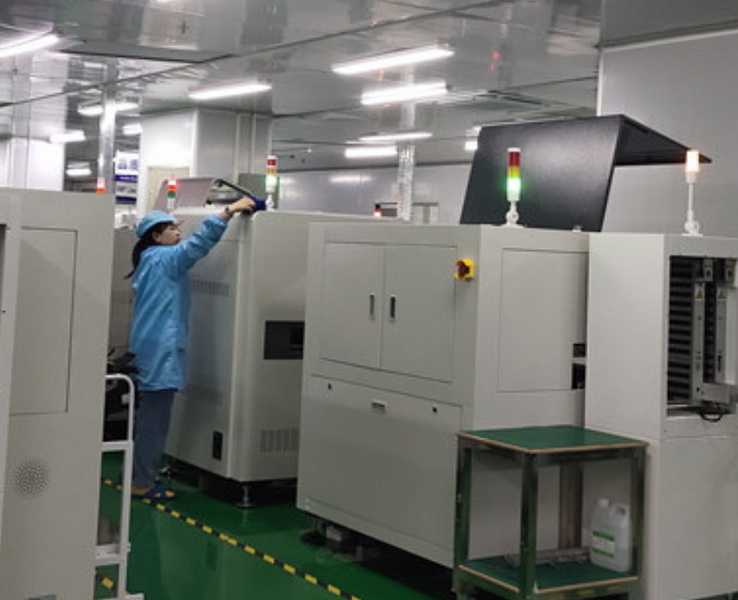
Vision systems underpin placement accuracy in SMT machines, scanning fiducials, components, and PCBs for precise alignment. Errors like "vision offset" or "component not found" in SMT machines usually stem from lens dirt, LED degradation, or software desynchronization. Dust particles on cameras or mirrors distort images, causing SMT machines to reject good parts or misplace others.
Clean all optical surfaces on SMT machines with microfiber cloths and lens solution, avoiding abrasive materials. Recalibrate the vision system using reference fiducials on a test PCB, following the SMT machine's prompted sequence. Adjust lighting intensity if shadows persist, as uneven illumination confounds recognition algorithms in SMT machines.
For advanced troubleshooting of SMT machines vision errors, run self-test routines embedded in the software. Highlywin provides upgrade kits to enhance vision capabilities on legacy SMT machines, incorporating higher-resolution cameras for finer components.
Gantry misalignment or backlash in SMT machines leads to XY offsets, where components land away from pads. Verify program coordinates against the latest Gerber files before running SMT machines production. Lubricate linear rails and ball screws periodically, as dry friction accumulates errors over time in SMT machines.
Execute first-article inspections (FAI) on every setup change for SMT machines, measuring placements with a coordinate measuring machine (CMM). Software gain adjustments fine-tune servo responses, eliminating overshoot in high-speed SMT machines. Highlywin's remote diagnostics service analyzes placement logs from SMT machines to pinpoint systemic issues swiftly.
Conveyor jams disrupt SMT machines workflows, often due to warped boards, misaligned guides, or faulty edge clamps. Inspect PCB flatness before loading into SMT machines, as bowing exceeds tolerances and binds rollers. Clear obstructions and realign side guides to match board width precisely on SMT machines.
Sensor diagnostics reveal intermittent stops in SMT machines; clean photoeyes and verify wiring integrity. Upgrade to servo-driven conveyors for better control in demanding SMT machines environments, available through Highlywin.
Programming errors in SMT machines, such as incorrect feeder tables or speed settings, cascade into multiple alarms. Backup existing programs before edits, and utilize simulation modes to validate changes offline. Firmware updates from manufacturers resolve bugs in SMT machines control systems.
Electrical faults, like servo overloads or PLC failures, require multimeter checks on power supplies and continuity tests. Highlywin stocks critical PCBs and sensors for immediate dispatch to keep SMT machines operational.
Proactive maintenance extends SMT machines life beyond a decade. Daily routines include nozzle rotations and feeder audits; weekly tasks cover vision recalibrations and lubrication. Log all interventions in SMT machines databases to predict failures via trend analysis.
Highlywin's maintenance contracts bundle on-site visits, parts, and training for SMT machines, slashing unplanned downtime by up to 70%.
Mastering troubleshooting techniques for SMT machines empowers manufacturers to tackle issues head-on, ensuring continuous production and superior quality. Highlywin stands ready as your partner, offering state-of-the-art SMT machines equipment, expert service support, and abundant spare parts for global one-stop solutions. By implementing these strategies, optimize your SMT machines for peak efficiency and reliability.
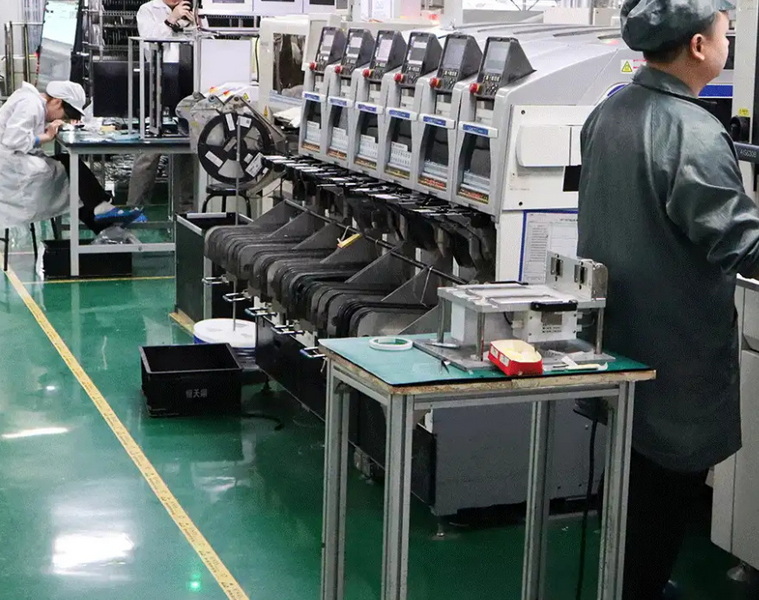
Feeder errors in SMT machines typically involve tape jams, splicing misalignment, or sensor blockages, halting component supply. Clean sensors, re-splice tapes, and check mechanical wear to resolve quickly.
Prevent nozzle issues in SMT machines through daily cleaning, prompt replacements, and vacuum calibration tailored to component sizes. Stock spares to avoid production delays.
Vision failures in SMT machines arise from dust, lighting variances, or calibration drift. Regular cleaning and fiducial-based recalibration maintain accuracy.
Inaccuracies in SMT machines stem from gantry backlash, program errors, or mechanical looseness. Perform FAIs and lubricate rails routinely.
Full maintenance for SMT machines should occur weekly, with daily checks for feeders and nozzles. Track logs to schedule based on usage intensity.


