Your Trusted Partner from Prototyping to Mass Production, Email Us:info@highlymachine.com
Please Choose Your Language


Views: 222 Author: Ann Publish Time: 2025-12-20 Origin: Site


Content Menu
● Key Differences Between SMT Feeders and Tray Feeders
● Advantages of Tape SMT Feeders
● Cost Analysis and ROI for SMT Feeders
● Integration in Modern SMT Lines
● Maintenance Best Practices for SMT Feeders
● Future Trends in SMT Feeders
● FAQ
>> 1. What are the main types of SMT Feeders?
>> 2. Can SMT Feeders handle large components like Tray Feeders?
>> 3. How do I choose between SMT Feeders and Tray Feeders?
>> 4. What maintenance do SMT Feeders require?
>> 5. Are Tray Feeders compatible with all SMT machines?
SMT Feeders play a crucial role in modern electronics manufacturing, delivering components precisely to pick-and-place machines. Highlywin, a leading provider of SMT/AI/peripheral equipment and comprehensive SMT services, helps global clients optimize their assembly lines with top-tier SMT Feeders solutions. This article compares SMT Feeders—particularly tape-based variants—against Tray Feeders to guide your choice for efficiency and productivity.

SMT Feeders are essential devices in Surface Mount Technology (SMT) assembly lines, designed to supply electronic components like resistors, capacitors, and ICs to robotic pick-and-place heads with high accuracy and speed. These SMT Feeders come in various types, but tape SMT Feeders dominate high-volume production due to their ability to handle components packaged in embossed carrier tapes. SMT Feeders ensure continuous feeding, minimizing downtime and supporting speeds up to 100,000 components per hour (CPH).
In SMT lines, SMT Feeders integrate seamlessly with machines from brands like Yamaha, JUKI, and Panasonic, which Highlywin supplies alongside spare parts and maintenance services. The precision of SMT Feeders reduces placement errors, enhancing yield rates in PCB assembly. Advanced SMT Feeders incorporate sensors for real-time monitoring, alerting operators to issues like tape jams or empty reels before they halt production. Highlywin's range of SMT Feeders supports a wide array of tape widths, from 8mm to 88mm, catering to diverse component sizes in the electronics industry.
SMT Feeders have evolved significantly, with electric models replacing older mechanical ones for better reliability and quieter operation. These modern SMT Feeders feature servo motors for precise pitch control, ensuring consistent component presentation even at ultra-high speeds. For manufacturers dealing with high-mix production, modular SMT Feeders allow quick reconfiguration without extensive downtime, a key advantage in today's fast-paced market.
Tape SMT Feeders, a primary category of SMT Feeders, use reels of carrier tape to feed small to medium-sized surface-mount devices (SMDs) such as 0402 chips or QFNs. These SMT Feeders peel the tape cover, exposing components for vacuum pickup, and advance via motorized sprockets for consistent pitch control. Ideal for high-speed lines, tape SMT Feeders excel in automotive and consumer electronics where volume is key.
Key advantages of tape SMT Feeders include rapid setup—often under one minute per reel—and cost efficiency for bulk components. Highlywin offers compatible tape SMT Feeders for various machines, ensuring quick changeovers. Maintenance for these SMT Feeders involves regular calibration to prevent tape jams, a service Highlywin provides globally. Tape SMT Feeders are particularly valued for their standardization; components from different suppliers fit the same feeder as long as tape specifications match, streamlining inventory management.
In practice, tape SMT Feeders handle everything from tiny passives to mid-sized QFPs, making them versatile staples in SMT feeder banks. Their design minimizes particle generation, crucial for cleanroom environments in semiconductor and medical device assembly. Highlywin's intelligent tape SMT Feeders integrate with line control software, enabling predictive maintenance that can extend equipment life by up to 50%.
Tray Feeders differ from standard SMT Feeders by using matrix trays or JEDEC standards to hold larger or irregular components like BGAs, connectors, or odd-shaped parts. Unlike reel-based SMT Feeders, Tray Feeders stack multiple trays in single- or multi-layer configurations, feeding via elevators or shuttles to the pickup position. They shine in low-volume or prototype runs where components aren't taped.
Tray Feeders offer superior protection for sensitive parts, with secure pockets preventing damage during transport. However, they require manual loading, slowing throughput compared to automated SMT Feeders. Highlywin stocks Tray Feeders and trays for specialized applications. Tray Feeders are indispensable for components that cannot be reliably taped, such as tall inductors or fragile crystal oscillators, ensuring they reach the pick-and-place nozzle undamaged.
Multi-layer Tray Feeders can accommodate up to 20 trays per unit, maximizing feeder bank efficiency in space-constrained setups. These systems often include vision-assisted alignment, compensating for minor tray variations and achieving placement accuracies rivaling tape SMT Feeders.
Choosing between SMT Feeders (tape types) and Tray Feeders depends on production needs. Tape SMT Feeders prioritize speed, while Tray Feeders emphasize versatility. Tape SMT Feeders thrive in environments demanding relentless throughput, feeding thousands of identical parts per hour without fatigue. Tray Feeders, conversely, adapt to variability, handling one-offs or low quantities where flexibility trumps velocity.
Tape SMT Feeders require less floor space per component type due to compact reels, whereas Tray Feeders demand larger footprints for tray stacks. Power consumption also differs: efficient electric SMT Feeders sip energy compared to the mechanical lifts in some Tray Feeders. Integration ease favors tape SMT Feeders, as they plug into standard banks with minimal programming.
Tape SMT Feeders outperform Tray Feeders in scalability. Their automation enables non-stop operation, crucial for just-in-time manufacturing. SMT Feeders reduce labor costs and errors, with intelligent models featuring sensors for empty reel detection. In high-mix environments, modular SMT Feeders allow quick swaps, boosting flexibility.
Highlywin's electric SMT Feeders support tape widths from 8mm to 88mm. Reliability metrics show SMT Feeders achieving 99.9% uptime with proper maintenance. Cost savings extend beyond speed; tape packaging is cheaper long-term for high volumes, and SMT Feeders' durability means fewer replacements. For global manufacturers, the ubiquity of tape standards makes sourcing components straightforward, unlike custom trays.
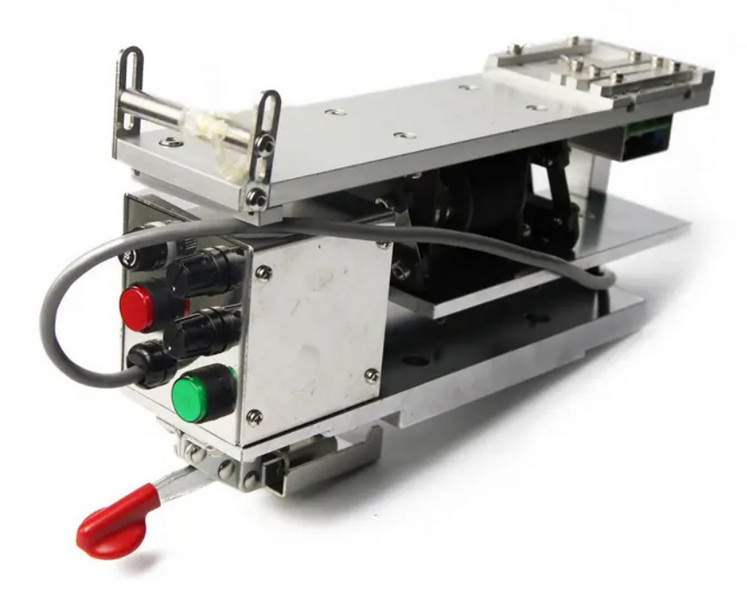
Tray Feeders are indispensable for non-reel components, like large LEDs or hybrid modules, where tape SMT Feeders falter. They accommodate custom trays, vital for aerospace or medical sectors. Multi-layer Tray Feeders save rack space, hosting dozens of components efficiently. Though slower, Tray Feeders integrate vision systems for precise alignment, matching SMT Feeders accuracy for delicate picks.
Highlywin provides Tray Feeders compatible with Universal and ASM platforms. In R&D labs or NPI phases, Tray Feeders accelerate prototyping by eliminating taping costs and lead times. Their robustness suits harsh environments, with fewer moving parts than intricate tape peelers in SMT Feeders.
Tape SMT Feeders yield faster ROI in high-volume runs due to lower per-component costs—often pennies versus dollars for trays. Initial investment for premium SMT Feeders pays off via 20-30% throughput gains. Tray Feeders, pricier upfront, justify use in low-volume where damage risks outweigh speed. Highlywin's one-stop SMT solutions include financing for SMT Feeders, cutting total ownership costs.
Lifecycle data indicates SMT Feeders lasting 5+ years with servicing, while Tray Feeders endure similar spans but with higher tray replacement expenses. Total cost of ownership calculations often tip toward tape SMT Feeders for runs exceeding 10,000 boards annually.
Both SMT Feeders and Tray Feeders mount on feeder banks, interfacing via SMEMA protocols. Modern lines mix them—SMT Feeders upfront for chips, Tray Feeders rear for specials. Highlywin optimizes setups for clients' Yamaha or JUKI machines. Software like ERP links SMT Feeders to inventory, preventing stockouts.
Tray Feeders benefit from auto-indexing for semi-automation, bridging the gap with full tape SMT Feeders. Seamless integration ensures lines run at peak efficiency, with Highlywin's expertise minimizing setup times.
Regular upkeep extends SMT Feeders life. For tape SMT Feeders, clean peelers weekly and calibrate pitches monthly. Tray Feeders need tray inspections to avoid misalignment. Highlywin offers on-site service for all SMT Feeders. Preventive checklists include lubricating drive motors in SMT Feeders, checking vacuum levels, and testing feeder calibration tools.
Proactive strategies, like vibration monitoring on SMT Feeders, catch wear early. Highlywin's service contracts guarantee 98% uptime for customer SMT Feeders.
High-Volume Consumer Electronics: A smartphone maker using tape SMT Feeders hit 90,000 CPH, reducing cycle time 40%. Switching to Tray Feeders would halve speed.
Aerospace Prototyping: For 200-board runs with BGAs, Tray Feeders ensured 100% first-pass yield, outperforming tape SMT Feeders. Highlywin supported calibration.
Automotive Supplier Success: An EV battery PCB producer integrated hybrid SMT Feeders and Tray Feeders, balancing speed and specialty parts for 25% output growth.
Smart SMT Feeders with IoT predict failures, integrating AI for adaptive feeding. Hybrid designs blend tape SMT Feeders and Tray Feeders functionalities. Highlywin leads with next-gen SMT Feeders for 5G and EV boards. Sustainability drives recyclable tapes for SMT Feeders, aligning with global green manufacturing mandates.
Tape SMT Feeders best suit high-speed, high-volume assembly lines, delivering unmatched efficiency and cost savings. Tray Feeders shine for low-volume, sensitive, or custom components requiring superior protection. Highlywin recommends assessing your volume, component types, and machine compatibility—often a hybrid approach wins. Contact Highlywin for tailored SMT Feeders solutions, spare parts, and full-line support to elevate your production.
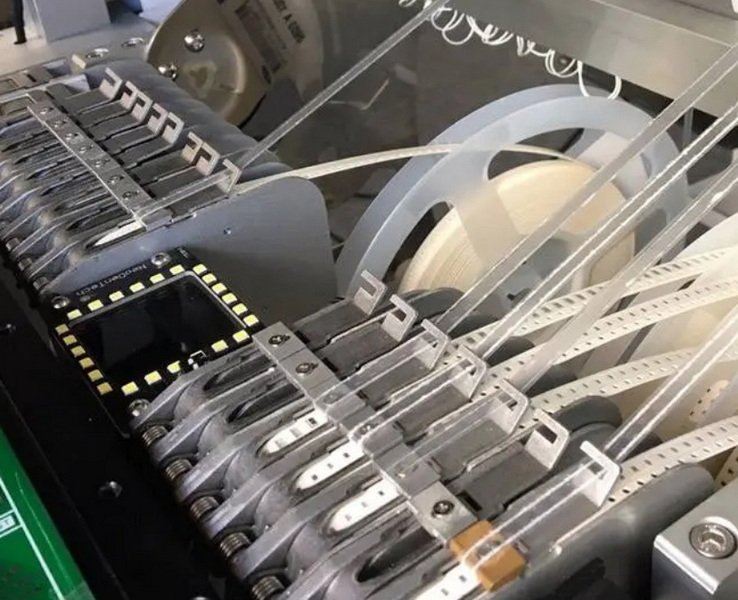
SMT Feeders primarily include tape, stick, and vibratory types, with tape SMT Feeders most common for SMDs. They differ from Tray Feeders by using reels versus trays.
Standard tape SMT Feeders suit small-medium parts; for large BGAs, Tray Feeders or specialized wide-tape SMT Feeders are better. Highlywin offers both.
Opt for SMT Feeders (tape) in high-volume; Tray Feeders for prototypes/low-volume. Evaluate speed vs. protection needs.
Clean and calibrate SMT Feeders regularly; check tapes for jams. Highlywin provides kits and services for all SMT Feeders.
Most modern pick-and-place support Tray Feeders, but verify specs. Highlywin ensures compatibility for JUKI, Yamaha SMT Feeders banks.


