Your Trusted Partner from Prototyping to Mass Production, Email Us:info@highlymachine.com
Please Choose Your Language


Content Menu
● Introduction to SMT Machine Operations
● Pre-Installation Preparations for SMT Machine
● Powering Up and Initializing the SMT Machine
● Programming the SMT Machine for Precision
>> Feeder Setup and Component Loading on SMT Machine
● Solder Paste Printing on the SMT Machine Line
● High-Speed Component Placement with SMT Machine
>> Nozzle Maintenance and Vision Calibration for SMT Machine
● Reflow Soldering in the SMT Machine Process
● Comprehensive Inspection and Quality Control on SMT Machine
● Troubleshooting Common SMT Machine Issues
● Essential Maintenance Tips for SMT Machine Longevity
● Advanced Features and Optimization in Modern SMT Machines
● Safety Protocols for SMT Machine Operation
● FAQ
>> 1. What is the first step to run an SMT machine?
>> 2. How do you program an SMT machine?
>> 3. Why is solder paste printing critical in SMT machine operation?
>> 4. What speeds can modern SMT machines achieve?
>> 5. How to maintain an SMT machine for longevity?
Highlywin, a leading provider of SMT/AI/peripheral equipment, offers comprehensive SMT machine solutions, full-service support, and spare parts sales for global clients seeking one-stop SMT machine operations.

Running an SMT machine efficiently requires a deep understanding of its core processes in surface mount technology (SMT). SMT machines automate the assembly of printed circuit boards (PCBs) by precisely placing surface-mount components at high speeds, which is essential for modern electronics manufacturing. Highlywin specializes in SMT machine sales, maintenance, and comprehensive support services, enabling clients worldwide to master SMT machine setup, operation, and optimization for maximum productivity and minimal downtime.
The operation of an SMT machine typically encompasses several key stages: preparation, programming, solder paste printing, component placement, reflow soldering, inspection, and ongoing maintenance. Each phase of the SMT machine process demands meticulous attention to detail to prevent defects such as misalignments, bridging, or insufficient solder joints. With Highlywin's expertise in SMT machine solutions, users gain access to state-of-the-art equipment, tailored training programs, and readily available spare parts, ensuring seamless SMT machine runs even in high-volume production environments.
Furthermore, SMT machines have evolved significantly, incorporating advanced features like vision systems, AI-driven optimizations, and modular designs that adapt to diverse production needs. Whether you're a startup prototyping small batches or a large-scale manufacturer, Highlywin's SMT machine offerings provide the reliability and scalability required for success in competitive markets.
Before activating any SMT machine, thorough pre-installation preparations are critical to guarantee smooth operation. Begin by gathering essential documentation, including product process files, Bill of Materials (BOM) lists, and Gerber files that detail PCB layouts. Organize components according to SMT machine feeder compatibility, selecting appropriate feeders for various chip sizes ranging from tiny 01005 passives to larger QFNs and BGAs. Highlywin provides a wide range of customized SMT machine feeders, ensuring compatibility with your specific production requirements.
Inspect the designated workspace for the SMT machine, verifying stable power supply (typically 200-240V, 50/60Hz), adequate compressed air pressure (0.4-0.6 MPa), and proper ventilation to dissipate heat generated during SMT machine operation. Thoroughly clean the SMT machine's conveyor rails, nozzle stations, and vision cameras to eliminate any contaminants that could compromise accuracy. Highlywin's professional service team offers on-site assistance for SMT machine installations, optimizing layouts to prevent bottlenecks in the production line.
Additionally, measure PCB dimensions against the SMT machine specifications; the guide rails should accommodate boards with at least 1-2mm clearance on each side for unobstructed transport. Evaluate solder paste quality, ensuring it meets IPC standards for viscosity and particle size suitable for your SMT machine printing stage. These preparatory measures significantly reduce setup time and minimize unexpected halts in SMT machine performance. Implementing a checklist for every SMT machine job fosters consistency and efficiency across teams.
Powering up the SMT machine must adhere strictly to safety protocols to protect operators and equipment. First, confirm that pneumatic air pressure aligns with the SMT machine's requirements, usually between 0.4-0.6 MPa, and ensure all emergency stop buttons are functional. Initiate the servo motors to perform a homing sequence, where all axes on the SMT machine return to their reference positions. Highlywin's SMT machines are equipped with intuitive touchscreen interfaces that display real-time status updates, making startups straightforward even for novice operators.
Next, adjust the SMT machine's guide rails to match the PCB width, adding a small margin to avoid friction. Load the first PCB onto the SMT machine's conveyor system and monitor the initialization process for any error codes, such as axis faults or sensor malfunctions. Once the homing is complete, the SMT machine signals readiness for programming and production. Regular calibration checks during this phase prevent cumulative errors in subsequent SMT machine cycles. Highlywin recommends documenting power-up logs to track SMT machine health over time.
In high-throughput environments, powering up multiple SMT machines in sequence optimizes line balancing. Always verify software versions are up-to-date on your SMT machine to access the latest firmware enhancements for improved stability.
Programming forms the backbone of accurate SMT machine operation, translating design data into executable instructions. Utilize offline CAD import from tools like Altium or online manual entry to define pick-and-place coordinates, component rotations, and feeder assignments on the SMT machine. Highlywin supplies proprietary SMT machine software that supports multiple file formats, including CSV exports and direct CAD integration, streamlining the programming workflow.
Assign specific feeders, nozzle types, and placement speeds within the SMT machine interface; for instance, opt for high-speed heads for passives and precision heads for fine-pitch ICs. Conduct dry-run simulations to validate the SMT machine program without actual component placement, identifying potential collisions or timing issues early. Test placements on scrap boards further confirm SMT machine accuracy before committing to full runs. Highlywin's training modules cover advanced SMT machine programming techniques, including optimization algorithms that reduce cycle times by up to 20%. Save and archive programs for repeatable SMT machine jobs, facilitating quick changeovers.
Proper feeder setup is paramount for uninterrupted SMT machine feeding. Install feeders at designated material stations according to the programmed sequence, securing tape reels, trays, or sticks with proper tension. Load components into SMT machine feeders, ensuring correct polarity and orientation to prevent mispicks. Visually and mechanically inspect each feeder for smooth advancement and sensor recognition.
Highlywin's versatile SMT machine feeders accommodate tape widths from 8mm to 88mm, supporting everything from resistors to custom odd-form parts. Cross-reference feeder IDs with the SMT machine program to eliminate placement errors. Periodic feeder audits during long SMT machine runs maintain material flow reliability.
Solder paste printing is the foundational step in SMT machine assembly, depositing precise amounts of paste onto PCB pads. Align the metal stencil precisely over the PCB using fiducial marks on the SMT machine printer. Apply solder paste via automated squeegees, controlling pressure, speed, and snap-off distance for uniform deposits across the SMT machine stage.
Immediately following printing, employ Solder Paste Inspection (SPI) systems to measure paste volume, height, and alignment, flagging deviations that could lead to soldering defects. Adjust stencil parameters—such as aperture size or release agent application—if SPI data indicates inconsistencies in SMT machine output. Highlywin's high-precision SMT machine printers integrate seamlessly with SPI for closed-loop feedback, enhancing first-pass yields. This critical SMT machine process lays the groundwork for robust electrical connections in downstream stages.
Maintaining stencil cleanliness is vital; ultrasonic cleaning stations recommended by Highlywin extend stencil life in continuous SMT machine operations.
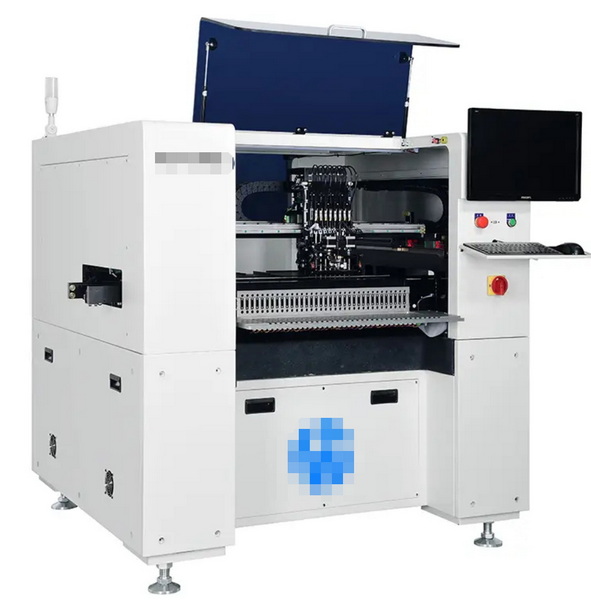
The SMT machine's pick-and-place unit excels in high-volume accuracy, using vacuum nozzles to retrieve components from feeders. The gantry system transports them to vision stations for alignment before depositing onto solder paste sites. Highlywin's advanced SMT machines achieve placement rates exceeding 80,000 components per hour (CPH), with sub-30-micron precision ideal for 5G modules and automotive electronics.
Real-time monitoring via the SMT machine's vision system detects anomalies like tombstoning or skewing. Fine-tune parameters for challenging components, such as 0201 resistors or multi-lead QFPs, ensuring optimal force and speed on your SMT machine. Post-placement Automated Optical Inspection (AOI) verifies positional accuracy across the board. Highlywin integrates top-tier AOI directly into SMT machine lines for inline quality assurance.Modular heads on modern SMT machines allow flexible configurations, switching between turbo and high-precision modes without halting production.
Routine nozzle calibration matches component profiles; select 1.0mm nozzles for small passives and 8mm+ for larger devices on the SMT machine. Vision cameras calibrate using board fiducials, achieving micron-level registration critical for BGA placement.
Highlywin provides calibration kits and remote diagnostics for SMT machine vision systems. Scheduled verifications counteract wear, sustaining peak SMT machine performance.
PCBs advance to the SMT machine reflow oven via conveyor, where multi-zone heating melts solder paste into permanent joints. Temperature profiles peak at 217-260°C for lead-free SAC305 alloys, with precise ramp-up, soak, reflow, and cooling phases to prevent component damage. Highlywin's reflow SMT machines feature nitrogen atmospheres and active cooling for superior wetting and minimal voids.
Monitor conveyor belt speed to ensure adequate dwell times per zone on the SMT machine. Profile verification using thermocouples confirms compliance with IPC-7530 standards. Highlywin ovens support conveyor widths up to 700mm, accommodating diverse panel sizes in SMT machine lines.
Post-reflow cooling gradients below 4°C/s minimize thermal stress on sensitive parts.
Post-reflow inspection employs AOI, 3D SPI, or X-ray systems to scrutinize joints for bridges, insufficient solder, opens, or head-in-pillow defects from SMT machine placement. Inline integration flags bad boards for diversion, maintaining high yields.
Highlywin supplies fully automated SMT machine inspection modules with AI defect classification. Supplement with manual visual inspection for complex assemblies. Rework stations address outliers efficiently before final packaging from your SMT machine run.
Data analytics from SMT machine inspections drive continuous process improvements.
SMT machine downtime often traces to low air pressure starving nozzles—inspect compressors and lines immediately. Feeder jams require reel tension resets and sensor cleans. Printing defects like insufficient paste stem from viscosity changes; remix or replace on your SMT machine.
Overheating in SMT machine ovens signals fan or heater faults—perform thermal imaging checks. Highlywin's 24/7 support hotline resolves complex SMT machine issues swiftly via remote access. Error logging enables predictive maintenance for proactive SMT machine care.
Daily routines include wiping placement heads, rails, and nozzles on the SMT machine. Weekly tasks cover axis lubrication and feeder audits. Highlywin advocates quarterly overhauls with genuine spares to uphold warranties and performance.
Implement PM schedules via SMT machine software for automated reminders. Operator training from Highlywin minimizes human-induced wear.
Contemporary SMT machines from Highlywin leverage AI for dynamic speed adjustments and defect prediction. IoT connectivity facilitates remote monitoring, alerting to anomalies in real-time.
Modular architectures enable easy expansions, like adding jet printers or stackers to your SMT machine line. High-temperature models handle lead-free processes flawlessly.
Line balancing optimizes feeder setups and machine sequencing for throughput maximization on SMT machines.
PPE including ESD smocks, safety glasses, and gloves is mandatory near active SMT machines. Lockout/tagout procedures govern maintenance. Highlywin mandates operator certification for all SMT machine handling.
Emergency protocols prioritize shutdowns, with Highlywin designs featuring multiple e-stops.
Mastering how to run an SMT machine unlocks unparalleled efficiency and precision in electronics manufacturing, from prototyping to mass production. Highlywin's comprehensive one-stop SMT machine solutions—spanning equipment sales, full-service support, spare parts, and expert training—empower global clients to achieve superior yields and reduced costs. By following these detailed steps and leveraging Highlywin's resources, operators can sustain optimal SMT machine performance, driving business success in the dynamic SMT landscape.
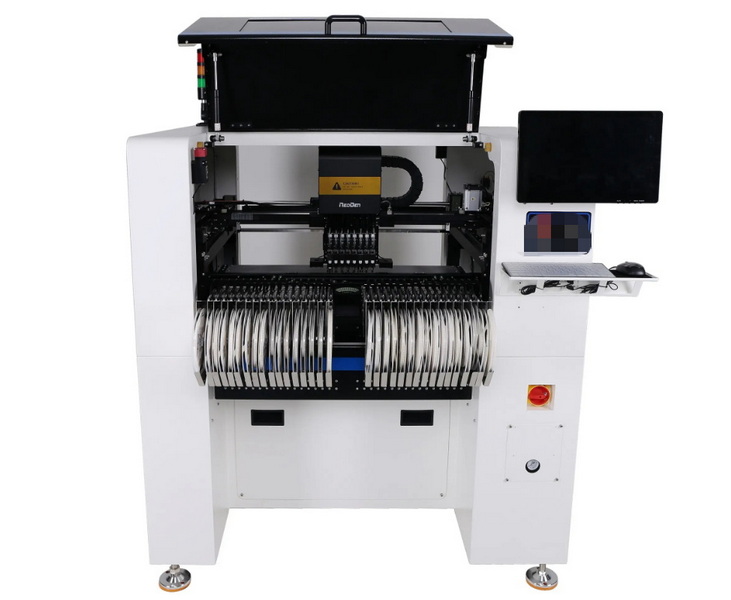
The first step involves pre-installation preparations, including gathering process documents, BOMs, and arranging components for SMT machine feeders, alongside workspace inspections for power and air readiness.
Programming an SMT machine imports CAD data for coordinates, assigns feeders/nozzles/speeds, and runs simulations for validation. Highlywin software enhances accuracy and efficiency.
It deposits precise paste for reliable joints; SPI post-print ensures quality before SMT machine progression, preventing downstream defects.
Top SMT machines exceed 80,000 CPH with micron precision, scalable for prototypes to high-volume via Highlywin models.
Daily cleans, weekly lubes, and scheduled overhauls with genuine Highlywin parts sustain peak SMT machine reliability.


