Your Trusted Partner from Prototyping to Mass Production, Email Us:info@highlymachine.com
Please Choose Your Language


Views: 222 Author: Ann Publish Time: 2026-01-06 Origin: Site


Content Menu
● Step 1: Regular Maintenance and Calibration
● Step 2: Optimize SMT Feeding Systems
● Step 3: Upgrade Machine Software and Vision Systems
● Step 4: Optimize the Reflow Soldering Profile
● Step 5: Reduce Changeover Time
● Step 6: Implement Real-Time Process Monitoring
● Step 7: Train Operators and Technicians
● Step 8: Use High-Quality Consumables and Spare Parts
● Step 9: Optimize Layout and Workflow
● Step 10: Embrace Automation and Smart Integration
● Step 11: Data Analytics and Continuous Improvement
● Step 12: Environmental and Energy Efficiency Factors
● Step 13: Quality Assurance and Final Inspection
● FAQ
>> Q1: How often should I calibrate my SMT machines?
>> Q2: What's the biggest factor affecting SMT line efficiency?
>> Q3: How does real-time monitoring reduce downtime?
>> Q4: Are automation and AI worth the investment for small manufacturers?
>> Q5: Why is operator training so important?
In today's fast-paced electronics manufacturing industry, every second counts. Efficient production not only lowers costs but also ensures product consistency—something that's vital for competitiveness and profit margins. SMT machines (Surface Mount Technology machines) serve as the backbone of automated electronic component assembly, performing precise placement of micro-sized components on printed circuit boards (PCBs).
However, owning a high-speed SMT line is not enough. To achieve truly optimized performance, manufacturers must fine-tune every detail—from machine setup and calibration to operator training, software upgrades, and real-time data monitoring. This guide provides a complete roadmap on how to optimize SMT machines for maximum efficiency, focusing on strategies that improve quality, speed, and uptime across all production environments.
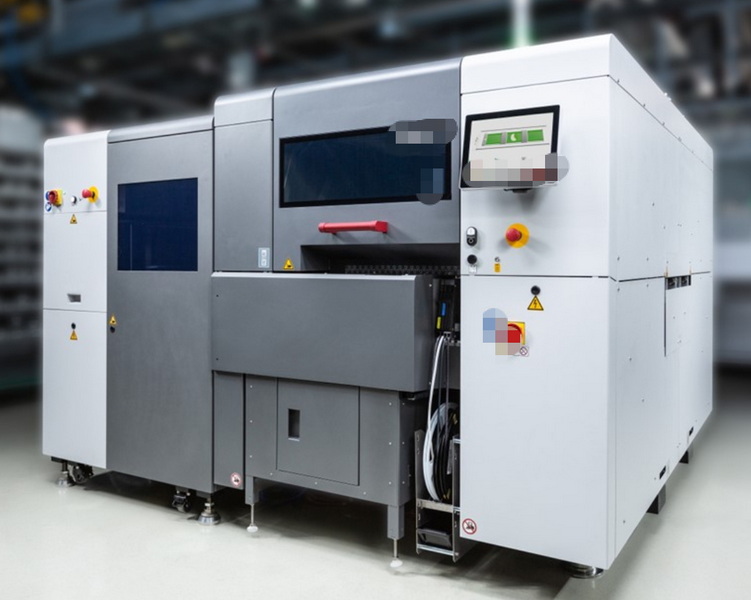
An SMT machine is a type of automated system used to mount electronic components directly onto the surface of PCBs. It's one of the key enablers of modern electronics manufacturing, allowing for compact designs and high product consistency.
These machines typically include:
- Solder paste printers – apply solder paste precisely onto the PCB pads.
- Pick-and-place machines – mount components with high-speed robotic precision.
- Reflow ovens – heat the assembled board to solder components in place.
- Inspection systems (AOI/X-ray) – verify assembly quality and detect defects.
Each of these machines is part of a synchronized ecosystem that defines the output speed, yield, and reliability of the manufacturing line. Therefore, efficiently managing this system is critical to lowering defects and increasing production yield.
Preventive maintenance is the first and most fundamental factor in optimizing SMT machines. Neglecting it results in misaligned placements, nozzle clogging, and production stoppages—all of which degrade yield and cost valuable time.
Key maintenance recommendations:
1. Daily cleaning: Keep conveyors, feeders, and nozzles clear of solder dust and debris.
2. Weekly inspection: Examine alignment systems, component feeders, and cameras for wear or miscalibration.
3. Monthly calibration: Check placement accuracy, nozzle suction, and vision recognition for all component types.
4. Maintenance logs: Record each service cycle, machine runtime, and encountered issues to prepare trend analysis.
A preventive approach not only avoids costly repairs but also ensures consistent accuracy and extends the lifetime of your SMT machines. Companies with robust maintenance routines report up to 20% higher operational uptime compared to others.
The efficiency of the entire SMT line often depends on how well the feeder systems are optimized. Feeders handle everything from small chip resistors to larger integrated circuits. A single misfeed can cause production interruption or lead to expensive rework.
Feeder optimization guidelines:
- Arrange feeders logically by component size or type to minimize nozzle change frequency.
- Use smart feeders with barcode identification for automatic recognition of components.
- Maintain clean, well-lubricated feeder mechanisms.
- Check tape tension frequently to prevent component jams.
Operators should spend minimal time debugging feeders or replacing reels during operation. Implementing quick-change feeder systems and using preloaded cassettes for common component types can reduce changeover time by up to 40%.
Modern SMT machines increasingly rely on intelligent software controls to achieve unmatched accuracy and flexibility. Software optimization often brings faster performance improvements than hardware upgrades.
Advantages of updating or optimizing software systems include:
- Real-time error reporting and placement verification.
- Integration of CAD or Gerber data for faster changeovers.
- Artificial intelligence in vision systems that automatically recognizes components and corrects misalignment.
- Machine-to-machine communication (M2M) for adaptive production balancing.
A well-calibrated vision system ensures correct identification of component orientation and polarity. When coupled with AI algorithms, the machine can self-correct placement angles, significantly reducing human error.
The reflow oven is where all SMT assemblies are permanently joined through heat-controlled soldering. A poorly tuned reflow profile leads to defective joints, warping, or component damage.
To optimize reflow processes:
- Match your solder paste type with the appropriate thermal curve.
- Segment the reflow temperature profile into zones: preheat, soak, reflow, and cooling.
- Use thermocouples placed on sample PCBs to gather temperature data at multiple points.
- Maintain oven cleanliness to avoid solder vapor contamination.
Consistent reflow optimization leads to better solder joints and minimizes post-solder defects such as tombstoning, solder bridging, or cold joints. Advanced ovens with smart profiling automatically adjust based on board size and thermal mass.
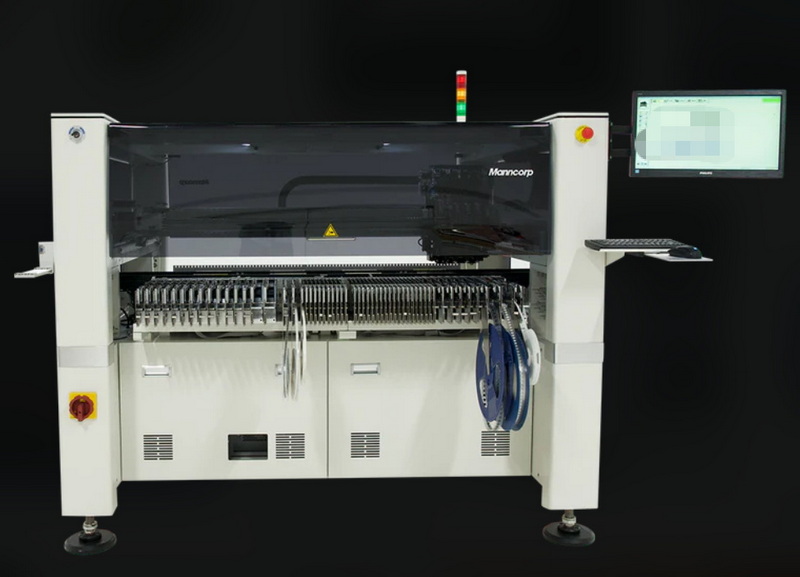
In high-mix, low-volume production environments, changeover time often limits productivity. Each time an operator reconfigures feeders or programs a new board design, valuable machine uptime is lost.
Practical ways to minimize changeover time:
- Prepare feeder setups offline while the SMT machine continues current production.
- Standardize component placement libraries and naming conventions.
- Use digital job setup instructions with real-time verification.
- Employ modular carriage systems for quick feeder swap-outs.
By carefully organizing changeovers, manufacturers often see as much as a 25% increase in daily production output. The goal is always to keep the SMT machines running as continuously as possible.
Real-time process monitoring is a cornerstone of modern smart manufacturing. By utilizing a combination of sensors, data networks, and analytical software, you can track every parameter in your SMT production process.
Monitoring systems can track:
- Machine utilization rates and overall equipment efficiency (OEE).
- Placement accuracy and rejection ratios.
- Feeder performance and misfeed data.
- Downtime causes and operator response time.
- Temperature profiles and humidity levels affecting solder paste.
This constant oversight makes it easier to detect abnormal trends early. For instance, if one feeder consistently causes misplacements, the monitoring system can immediately alert technicians before a large batch of boards is affected.
Real-time monitoring creates a data-driven culture that allows decision-makers to continuously adjust production to maintain top efficiency.
Technology is only as effective as the people operating it. A well-trained team ensures smooth operation, preventive problem-solving, and better machine care.
Focus areas for operator training:
- Understanding SMT programming software and machine interface.
- Quick detection and correction of feeder jams or nozzle clogs.
- Knowledge of component polarity, soldering characteristics, and defect types.
- Safe handling of PCBs to avoid electrostatic discharge (ESD).
- Familiarity with process control documentation and production quality standards.
Ongoing certification programs or workshops can help operators adapt to new technologies and remain motivated. When operators take ownership of machine performance, the overall line efficiency naturally rises.
Not all spare parts and consumables are created equal. The quality of nozzles, filters, belts, and solder paste directly influences machine reliability and product quality.
Best practices:
- Always source from OEM suppliers or authorized distributors.
- Replace aging nozzles and suction heads before they wear out.
- Use antistatic feeders and trays to protect sensitive components.
- Stock critical parts such as sensors, valves, and belts to avoid downtime.
Reliable suppliers like Highlywin specialize in providing authentic SMT spare parts and accessories to maintain optimal machine functionality. maintaining high-quality consumables reduces the likelihood of production errors and extends service intervals.
The arrangement of SMT machines within your production floor has a major impact on performance. A poorly placed line may cause operators to walk extra distances or delay board transfers between stages.
Tips for effective layout design:
- Organize machines sequentially for smooth PCB flow—from printing to inspection.
- Reduce buffer zones between machines to save cycle time.
- Position material preparation stations close to the line.
- Maintain ergonomic working spaces for operators.
- Allow sufficient space for maintenance, upgrades, and reconfiguration.
Continuous improvement teams should review workflows regularly to identify bottlenecks, wasted motion, and non-value activities. Often, a simple rearrangement yields surprising improvements in output.
The future belongs to automated, connected factories. Integrating your SMT machines with advanced automation brings long-term efficiency and consistency.
Automation advantages include:
- Automated optical inspection provides immediate feedback on component accuracy.
- Automated guided vehicles (AGVs) transport materials between machines.
- Machine learning algorithms predict maintenance needs.
- Closed-loop feedback links inspection data to placement machines.
Digitalization allows your production line to operate as a unified system. For example, if an AOI station detects repeated solder issues, data flows back to automatically fine-tune the stencil printing parameters. This smart interconnection reduces human intervention while improving process reliability.
Collecting production data is important, but using it effectively is what drives continuous improvement. Analytics tools can reveal inefficiencies that are invisible in day-to-day operations.
You can analyze:
- Yield trends by component or product type.
- The correlation between maintenance intervals and defect rates.
- Operator performance and adherence to setup instructions.
- Optimal lot sizes for balancing throughput and flexibility.
Using statistical process control (SPC) and Six Sigma methods, you can continuously refine each production step. Over time, data-driven decisions allow manufacturers to predict maintenance needs, optimize scheduling, and reduce waste across the value chain.
Environmental conditions also affect SMT machines performance and overall factory cost. Maintaining the right temperature, humidity, and air cleanliness can significantly improve production stability.
Environmental optimization includes:
- Keeping temperature between 22–25°C and humidity levels between 40–60%.
- Using air filtration to prevent dust accumulation.
- Installing energy-efficient lighting and ventilation systems.
- Recycling rejected boards and unused solder paste properly.
Optimizing energy usage not only supports sustainability goals but also adds measurable savings to the long-term operational budget.
No optimization strategy is complete without strict quality control. Final inspection ensures that product quality remains high and consistent, protecting your brand reputation.
Recommended QA techniques:
- Use AOI and X-ray inspection for hidden joint verification.
- Implement in-circuit testing (ICT) for functional validation.
- Compare reflow results with SPC control limits to detect drifts early.
The synergy between robust QA processes and optimized SMT machines guarantees that every PCB leaving your facility meets performance and reliability standards demanded by global markets.
Maximizing the efficiency of SMT machines requires an integrated approach that considers technology, people, and process factors. From precise calibration and optimal feeder setup to operator training and real-time data analytics, every element contributes to overall productivity.
By following the steps outlined in this guide, you can reduce downtime, enhance yield rates, and lower operational costs. The result is a more agile and competitive manufacturing line capable of meeting the ever-increasing demands of the electronics industry.
At Highlywin, we support global manufacturers with comprehensive SMT/AI/peripheral equipment, spare parts, and service solutions. By leveraging our one-stop SMT solution, you can upgrade your manufacturing process to a smarter, faster, and more efficient level.
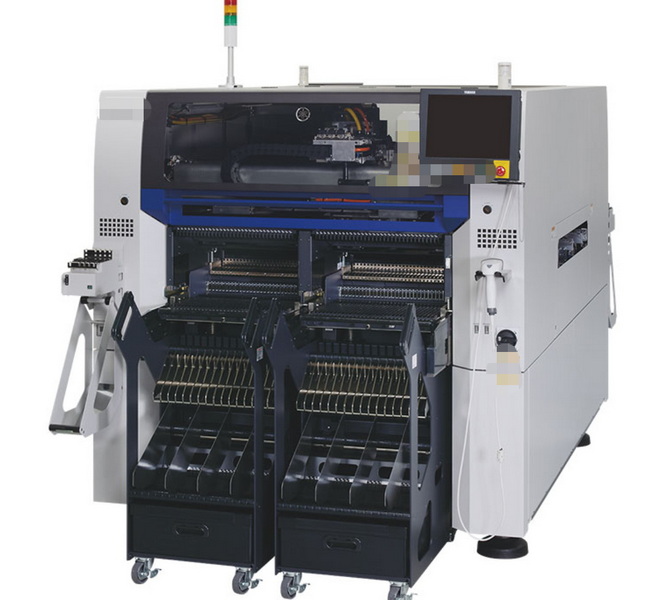
Calibration should be performed at least once a month or after every 500 operating hours to maintain optimal placement accuracy and minimize defect rates.
Feeder setup and changeover time are primary influencers. Poor feeder arrangement and long setup periods are among the top causes of lost productivity in SMT machines.
By providing instant alerts and live performance data, real-time monitoring allows engineers to detect issues before they escalate, keeping the production line running efficiently.
Yes. Even small lines benefit from automation through improved consistency, reduced human error, and higher throughput. AI-powered systems can also scale with your production growth.
A trained operator can quickly recognize setup problems, adjust profiles, and perform early failure detection, ensuring your SMT machines run continuously at their best.


