Your Trusted Partner from Prototyping to Mass Production, Email Us:info@highlymachine.com
Please Choose Your Language


Views: 222 Author: Ann Publish Time: 2026-01-19 Origin: Site


Content Menu
● What Are SMT Spare Parts and SMT Accessories?
● Step 1: Assess Your Existing SMT Production Line
● Step 2: Define Clear Integration Objectives
● Step 3: Select Compatible SMT Accessories and Spare Parts
● Step 4: Plan a Structured Integration Strategy
● Step 5: Best Practices for Installation of SMT Spare Parts
● Step 6: Software Configuration, Calibration, and Parameter Tuning
● Step 7: Process Validation with Pilot Runs
● Step 8: Operator Training and Work Instructions
● Step 9: Inventory Management and Lifecycle Planning
● Step 10: Continuous Improvement Using Data from Smart SMT Accessories
● Practical Integration Scenarios for SMT Accessories
● Working with a One‑Stop SMT Solution Partner
● Building a Long‑Term SMT Accessories Strategy
● Aligning SMT Spare Parts with Industry 4.0 and Smart Factory Goals
● FAQ
>> 1. What are the most critical SMT spare parts to integrate first?
>> 2. How do I verify compatibility of new SMT accessories with older machines?
>> 3. How often should SMT spare parts and SMT accessories be replaced?
>> 4. What is the role of training when new SMT accessories are introduced?
>> 5. Can third‑party SMT spare parts perform as well as OEM parts?
Integrating new SMT spare parts into an existing SMT production line is a strategic way to stabilize output, improve yield, and avoid costly downtime. An optimized portfolio of SMT accessories and SMT spare parts helps production lines stay flexible when facing product changes, new package requirements, and component shortages. For a one‑stop SMT solution provider like Highlywin, effective integration of SMT accessories directly supports higher line availability and a better return on equipment investment.

SMT spare parts are replaceable items that keep SMT equipment running, such as feeders, nozzles, belts, sensors, filters, valves, and camera modules. SMT accessories extend this concept and include optional add‑ons or supporting hardware that improve handling, automation, and monitoring, such as tray units, feeder carts, barcode readers, and buffer conveyors. Together, well‑selected SMT spare parts and SMT accessories ensure that upgrades and replacements do not disrupt the established process window of your SMT production line.
SMT accessories also play a key role in line flexibility and changeover efficiency. Quick‑change feeder carts, reel racks, offline programming stations, and smart SMT accessories with integrated ID chips allow faster setup and more stable traceability. When planned correctly, these SMT spare parts help production teams react quickly to urgent orders while keeping defect rates under control.
Before integrating any new SMT spare parts or SMT accessories, the first step is to build a clear baseline of the current production line. This should cover all SMT stages, including board loading, printing, SPI, placement, reflow, AOI, and unloading. The assessment typically includes:
- Mapping each machine and its critical SMT spare parts and SMT accessories
- Documenting current cycle time, capacity, first‑pass yield, and changeover performance
- Listing all existing SMT accessories already in use, including their condition and utilization level
A structured assessment helps identify which SMT accessories truly add value and which spare parts are approaching end of life. For a mixed line with equipment from different brands and generations, this step is essential to avoid compatibility surprises and to prioritize investments in the most critical SMT spare parts.
New SMT spare parts and SMT accessories should always be linked to clear business and technical goals rather than random upgrades. Typical objectives include:
- Reducing unplanned downtime by standardizing critical SMT spare parts and SMT accessories
- Improving placement accuracy with upgraded nozzles, cameras, or feeder systems
- Supporting new PCB designs or advanced component packages such as 0201, 01005, fine‑pitch QFP, and micro‑BGA
- Extending the life of legacy machines with compatible aftermarket SMT accessories and SMT spare parts
These objectives should be translated into measurable KPIs, such as yield, first‑pass rate, MTBF (mean time between failures), MTTR (mean time to repair), and changeover time. After integration, the performance of new SMT spare parts and SMT accessories can be evaluated against these KPIs to confirm real benefits instead of perceived ones.
Compatibility is the core challenge when introducing new SMT spare parts into an existing production line. A careful selection process should address several dimensions:
- Mechanical compatibility: Mounting interfaces, dimensions, clearances, and clamping mechanisms for feeders, nozzles, PCB supports, and guide rails
- Electrical compatibility: Voltage, power rating, connectors, and protection requirements for motors, sensors, and smart SMT accessories
- Communication compatibility: Signals, protocols, and software drivers for intelligent feeders, barcode systems, and traceability SMT accessories
- Process compatibility: Suitability of SMT spare parts and SMT accessories for the paste, flux, solder alloy, and component types used in production
When sourcing SMT accessories for older equipment, it is important to verify whether third‑party SMT spare parts meet or exceed OEM specifications. In many cases, high‑quality aftermarket SMT accessories can offer better availability and cost performance while maintaining line stability. However, low‑quality SMT spare parts can introduce hidden reliability risks that only appear after months of operation, so careful evaluation and testing are essential.
Integrating SMT spare parts and SMT accessories into a live line should follow a controlled plan, not an ad‑hoc replacement approach. A robust strategy usually includes:
- Defining which machines and which SMT accessories will be changed, with a clear sequence and timeline
- Planning integration during scheduled maintenance windows or low‑load production periods
- Preparing backup spare parts and a rollback plan to restore the previous configuration if necessary
For production lines with high utilization, a phased approach is the safest. A typical pattern is to implement new SMT accessories on a single line or product family, monitor performance for several weeks, and then gradually expand once stability is confirmed. Clear communication with operators, maintenance engineers, and planners ensures that everyone understands how new SMT spare parts affect daily operation, material planning, and delivery commitments.
When installing new SMT spare parts and SMT accessories, correct mechanical and electrical procedures are critical to line stability and safety. Recommended practices include:
- Cleaning mounting surfaces and verifying alignment before tightening mechanical interfaces
- Using torque‑controlled tools where required by the SMT spare parts manufacturer
- Checking cable routing of sensors, motors, and SMT accessories to avoid interference with moving parts or pinch points
- Verifying grounding and shielding for electrically sensitive SMT accessories such as cameras, vision systems, and high‑speed communication modules
Every installation should be documented with photos, part numbers, serial numbers, and technician notes. This documentation becomes part of the equipment history and simplifies future SMT spare parts selection, troubleshooting, and audits. With structured records, engineers can quickly identify which SMT accessories were involved when a specific issue appears.
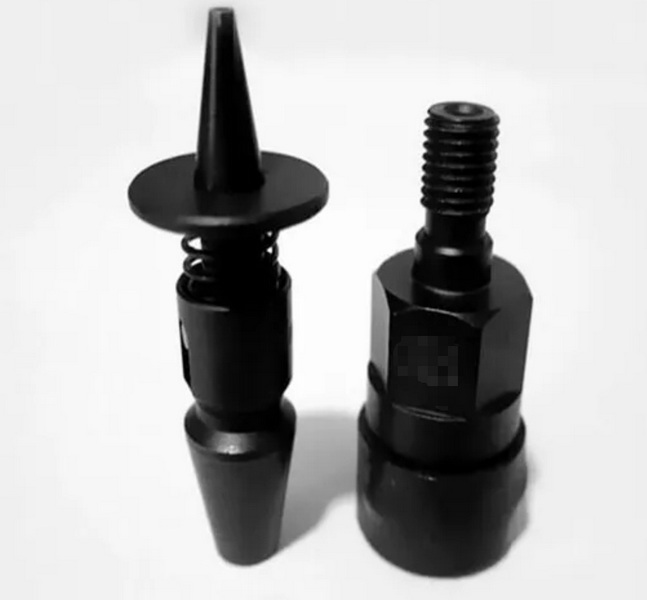
Many SMT accessories require software configuration after physical installation, especially intelligent feeders, nozzle changers, and vision modules. Typical software tasks include:
- Registering new feeders or smart SMT accessories in the machine database, including their ID, capacity, and type
- Updating component libraries for new nozzle types, component geometries, and vision recognition parameters
- Calibrating cameras, placement heads, and transport systems after SMT spare parts replacement or mechanical adjustments
Calibration should follow a structured procedure using reference boards, calibration jigs, and standard test patterns. After installing critical SMT accessories, process engineers should run controlled test lots to confirm placement accuracy, print quality, and reflow profile stability. Fine‑tuning machine parameters around the new SMT spare parts prevents subtle defects such as tombstoning, skew, and insufficient solder.
Before fully committing to high‑volume production using newly integrated SMT spare parts, a pilot run is essential. Process validation typically covers:
- Producing a limited batch using the updated SMT accessories under normal process conditions
- Using AOI and SPI to compare defect rates and defect types before and after integration
- Monitoring placement accuracy, solder joint quality, reflow profile stability, and mechanical behavior over several shifts
- Tracking unplanned stops, error messages, and alarm frequency related to the new SMT spare parts and SMT accessories
If performance matches or exceeds previous results, the new SMT accessories can be rolled out to more products or entire production lines. If issues appear, the pilot environment allows rapid troubleshooting without large scrap or delivery risk. Strong cooperation between process engineering, maintenance, and quality teams helps ensure that SMT spare parts integration delivers stable and repeatable results.
Operators and maintenance staff must understand how new SMT spare parts and SMT accessories change their daily tasks. Effective training programs for SMT accessories integration usually include:
- Practical demonstrations on how to load, unload, and store new SMT spare parts such as feeder types, nozzle holders, or support pins
- Clear visual work instructions showing correct handling, cleaning, lubrication, and inspection of the new SMT accessories
- Explanation of new alarms, error codes, and maintenance intervals triggered by upgraded SMT spare parts and software features
Training is more effective when combined with simple checklists that operators can follow for setup, line changeover, and end‑of‑shift checks. Short refresh sessions and micro‑training videos help new team members understand critical SMT accessories quickly, reducing the risk of damage or mis‑operation and protecting the performance of your SMT spare parts investment.
A smooth integration of SMT spare parts is only the beginning; the real value comes from consistent lifecycle management. Good practices for SMT accessories inventory include:
- Classifying SMT spare parts by criticality level (A, B, C) based on machine dependency and lead time
- Setting minimum, maximum, and safety stock levels for high‑risk SMT accessories and critical consumables
- Tracking consumption trends and failure patterns of SMT spare parts to adjust purchasing and maintenance strategies
Digital spare‑parts management systems can link component lifecycle data, purchase records, machine running hours, and downtime reports. This allows one‑stop SMT solution providers like Highlywin to forecast customer needs and ship the right SMT accessories before issues arise. With strong planning, customers avoid emergency purchases, reduce express freight costs, and keep line performance stable even during demand peaks.
Modern SMT accessories often include intelligent functions such as usage counters, error logs, and communication with MES and traceability systems. These data streams create strong opportunities for continuous improvement:
- Analyzing nozzle or feeder wear based on component type, package size, and production volume
- Identifying the SMT accessories that most frequently cause minor stops, mispicks, or reduced speed
- Linking quality defects and repair rates to specific SMT spare parts, maintenance conditions, or operating practices
Using these insights, engineering teams can refine maintenance intervals, upgrade frequently failing SMT accessories, and standardize best‑performing SMT spare parts across multiple lines or factories. Over time, the SMT production line becomes more predictable, with fewer surprises and a better balance between cost, yield, and throughput.
Different segments of an SMT line benefit from targeted SMT spare parts integration, and each segment has typical SMT accessories that provide high value:
- Stencil printers: Upgraded squeegee assemblies, more stable PCB clamps, alignment cameras, and under‑stencil cleaning SMT accessories improve paste consistency and reduce bridging.
- Pick‑and‑place machines: New‑generation nozzles, improved feeders, flexible tray units, and advanced vision SMT accessories boost speed and placement accuracy, especially for small passives and fine‑pitch ICs.
- Reflow ovens: Improved fans, temperature sensors, conveyor SMT spare parts, and advanced profiling SMT accessories raise profile stability and reduce cold joints, voiding, and component shift.
- Inspection systems: Enhanced lighting modules, cameras, and fixturing SMT accessories increase defect detection capability, making AOI and SPI more reliable and reducing false calls.
In each case, the right SMT spare parts must be matched to the specific machine design and process requirement of the existing production line. By focusing on the most limiting process step, Highlywin‑style engineering teams can prioritize SMT accessories that deliver the largest immediate benefit.
For many manufacturers, the easiest way to manage SMT spare parts integration is to cooperate with an experienced one‑stop SMT solution provider. A partner like Highlywin can:
- Recommend compatible SMT accessories across multiple brands, machine generations, and line concepts
- Provide installation, calibration, and process optimization support for new SMT spare parts and SMT accessories
- Offer bundled service packages that combine equipment, SMT accessories, training, and long‑term spare‑parts supply in a single solution
Such cooperation reduces risk during integration projects and accelerates the transition to higher‑performance SMT production lines. It also helps customers maintain stable operation when OEM support for older machines is reduced or discontinued, ensuring that suitable SMT spare parts and SMT accessories remain available over the full lifecycle of the production line.
A long‑term SMT spare parts strategy goes beyond reacting to failures and focuses on proactive planning. Key elements of a sustainable SMT accessories strategy include:
- Standardizing SMT accessories such as nozzles, feeders, and carts across multiple lines where possible to simplify training and inventory
- Defining preferred SMT spare parts lists by machine type and product segment to speed up purchasing and integration decisions
- Performing regular technology reviews to identify new SMT accessories that could deliver measurable benefits in quality, flexibility, or labor productivity
By treating SMT spare parts as strategic assets rather than simple consumables, manufacturers can align line performance with business goals. This approach ensures that every SMT accessory integrated into the production line contributes to competitiveness and customer satisfaction.
As more factories move toward Industry 4.0 and smart manufacturing, SMT spare parts and SMT accessories also evolve. Many SMT accessories now support:
- Real‑time data exchange between machines, MES, and warehouse systems
- Automatic identification of feeders, reels, and nozzles through RFID or QR‑code SMT accessories
- Predictive maintenance features that use vibration, temperature, or cycle‑count data from SMT spare parts to trigger service before failure
Integrating these advanced SMT accessories requires careful planning but delivers strong benefits in traceability, transparency, and responsiveness. Highlywin and similar solution providers can help customers select and integrate Industry 4.0‑ready SMT spare parts that fit both current equipment and future digital‑factory plans.
Integrating new SMT spare parts and SMT accessories into an existing SMT production line is a structured engineering process, not a simple replacement activity. By assessing the current line, defining clear objectives, selecting compatible SMT accessories, and following disciplined installation and validation steps, manufacturers can significantly improve uptime, quality, and flexibility. Robust inventory management and data‑driven continuous improvement ensure that SMT spare parts integration delivers long‑term value rather than one‑time fixes. Partnering with a comprehensive SMT solution provider such as Highlywin further reduces technical risk and ensures that every SMT accessory and spare part fits seamlessly into the broader production strategy and smart‑factory roadmap.
Contact us to get more information!
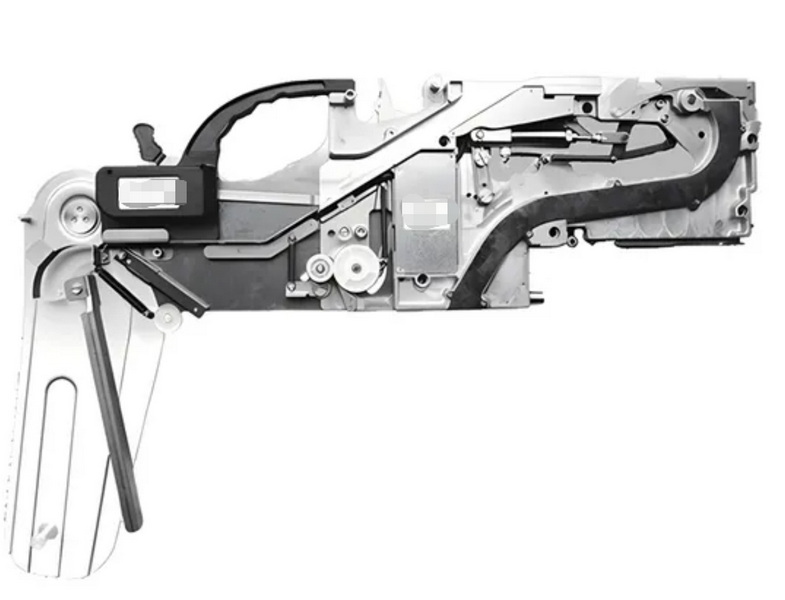
The most critical SMT spare parts are those that directly impact line availability, such as feeders, nozzles, belts, sensors, and camera modules. Priority should be given to SMT accessories whose failure will immediately stop production or significantly reduce placement quality, even if their individual cost is small.
Compatibility should be checked from three angles: mechanical fit, electrical and communication interface, and software support. When integrating SMT accessories into legacy machines, request detailed drawings and specifications, consult experienced engineers or solution partners, and perform a controlled test installation on a single machine or product family first.
Replacement intervals depend on utilization, component type, and environment, but they should be defined based on real data such as error logs, AOI results, and measured wear. Smart SMT accessories with built‑in counters and monitoring functions allow maintenance teams to move from fixed schedules to condition‑based replacement, reducing both downtime and unnecessary spare‑part consumption.
Training ensures that operators and maintenance staff handle new SMT spare parts correctly, avoiding damage and unnecessary downtime. Clear work instructions, visual guides, and short video modules help teams quickly adapt to upgraded SMT accessories, understand new alarms or functions, and recognize early signs of failure so that corrective actions can be taken before defects escape.
High‑quality third‑party SMT spare parts and SMT accessories can match or even exceed OEM performance when designed and tested to equivalent standards. The key is to choose reputable suppliers, validate performance through pilot runs, and continuously monitor quality and downtime indicators after integration, ensuring that cost savings from non‑OEM SMT spare parts do not come at the expense of stability or yield.


