Your Trusted Partner from Prototyping to Mass Production, Email Us:info@highlymachine.com
Please Choose Your Language


Views: 222 Author: Ann Publish Time: 2026-01-19 Origin: Site


Content Menu
● Why SMT Accessories Matter Financially
● Key Cost Drivers for SMT Spare Parts
>> Machine Brand, Type, and Generation
>> Part Complexity and Criticality
>> Materials and Manufacturing Processes
>> OEM vs Third‑Party vs Refurbished Parts
>> Order Volume, Contracts, and Supplier Relationships
>> Logistics, Region, and Lead Time
● Typical Cost Behavior of Common SMT Accessories
>> Common Types of SMT Accessories
● Direct vs Indirect Cost of SMT Accessories
● Preventive Maintenance and Its Impact on Cost
>> Planned vs Unplanned Replacement
>> Standardizing and Documenting SMT Accessories
● Hidden and Long‑Term Costs of SMT Spare Parts
>> Downtime and Lost Production
>> Training, Complexity, and Changeover
● Budgeting and Optimizing SMT Spare‑Parts Spend
>> Practical Steps to Optimize SMT Accessories Costs
>> One‑Stop SMT Solutions and Cost Control
● How to Evaluate SMT Accessories Suppliers
>> Technical Capability and Product Range
>> Quality Assurance and Traceability
>> Service, Training, and After‑Sales Support
● Application Scenarios: How SMT Accessories Cost Varies
>> High‑Mix, Low‑Volume Production
>> High‑Volume, Low‑Mix Production
>> Automotive, Medical, and Industrial Applications
● FAQ
>> 1. How much should I budget annually for SMT spare parts and SMT Accessories?
>> 2. Is it safe to use third‑party SMT Accessories instead of OEM parts?
>> 3. How can I reduce unexpected downtime caused by SMT spare‑parts shortages?
>> 4. What is the relationship between SMT Accessories quality and product yield?
>> 5. How do SMT Accessories fit into total cost of ownership (TCO) for an SMT line?
SMT spare parts and SMT Accessories are a critical part of the total cost of ownership (TCO) for any SMT/AI production line. They influence uptime, product quality, and long‑term return on investment far more than many new buyers expect.
Modern SMT lines are highly automated and depend on thousands of precision components, so any failure in key SMT Accessories can stop the whole line and quickly exceed the value of the part itself in lost production. Understanding how the cost of SMT spare parts is built up helps EMS providers and OEMs budget properly, negotiate better, and choose the right sourcing strategy.
Throughout this article, the term SMT Accessories includes nozzles, feeders, filters, belts, sensors, cameras, PCB conveyors, magazines, lubrication kits, and other peripheral and consumable parts used on SMT and AI lines.

SMT Accessories are often seen as small items compared with full machines, but they shape the real economic performance of a line. A well‑designed spare‑parts and SMT Accessories strategy turns capital investment into stable, predictable production capacity.
Every placement error, unplanned stop, or rework loop can usually be traced back to a combination of process setup and the condition of SMT Accessories. A mature factory treats SMT Accessories as assets that protect uptime, rather than as random expenses that should always be minimized.
Several core factors determine how much you pay for SMT spare parts and SMT Accessories across brands and machine types.
- Machine brand and model
- Part type and engineering complexity
- Material and manufacturing process
- Original (OEM) vs third‑party supply
- Order volume and contract terms
- Logistics, location, and lead time
The brand and generation of your pick‑and‑place, printer, or reflow oven heavily influence spare‑parts pricing.
Premium brands, especially leading Japanese and European suppliers, typically have higher list prices for nozzles, feeders, cameras, and other critical SMT Accessories, but they often deliver better longevity and technical support. Older, discontinued models may have more expensive or harder‑to‑source parts because of low production volume and limited inventories; some SMT Accessories may even be available only as refurbished items.
Highly specialized equipment, such as odd‑form insertion machines, high‑speed chip shooters, and advanced inspection systems, usually requires more complex and higher‑priced spare parts. A single high‑speed pick‑and‑place line can easily allocate thousands to tens of thousands of dollars per year just for spare parts and SMT Accessories, depending on utilization and preventive‑maintenance discipline.
Not all SMT Accessories are created equal in terms of engineering and risk.
Simple mechanical parts (pins, brackets, basic sensors, screws, belts) are usually low cost but still critical for uptime. Precision parts (placement nozzles, vacuum valves, linear guides, ball screws, encoders, cameras, and laser sensors) require tight tolerances and specialized materials and therefore cost significantly more.
Safety‑critical or performance‑critical items such as reflow oven controllers, motion‑control boards, and vision systems command a premium but strongly impact yield and line stability. From a cost‑management point of view, it is important to classify SMT Accessories into A, B, and C categories (critical, important, and secondary) and plan stocking levels and budgets accordingly.
The underlying materials and manufacturing processes used for SMT Accessories have a direct cost impact.
Hardened tool steel, ceramics, and special coatings used on nozzles, feeders, and AI tooling last longer but raise unit cost. High‑temperature alloys and stainless steel used in reflow ovens and wave‑solder fixtures are more expensive than standard steels. Precision machining, grinding, coating, and surface treatment add cost but reduce wear and tear and improve placement accuracy.
When evaluating price, users should look at the cost per operating hour rather than the ticket price alone, especially for high‑wear SMT Accessories such as nozzles and feeder components.
One of the biggest cost questions for SMT spare parts and SMT Accessories is whether to use original, compatible, or refurbished parts.
OEM parts
OEM parts are designed and validated by the machine manufacturer, with guaranteed fit, performance, and firmware compatibility. They are typically the most expensive option but also the safest route for critical SMT Accessories such as cameras, control boards, and high‑precision nozzles. In many cases, OEM parts are required to keep warranty or certain service contracts valid.
Third‑party parts
Third‑party SMT Accessories can reduce headline spare‑parts costs, especially for commoditized items such as belts, filters, some feeders, and basic nozzles. However, quality varies widely by supplier; poor‑quality parts may cause more frequent stoppages, mis‑picks, and long‑term equipment damage. These parts are best used in non‑critical locations or after a careful evaluation and testing program to confirm compatibility with existing SMT Accessories and processes.
Refurbished and repaired parts
Refurbished parts are suitable for items like feeders, control boards, and some AI units when supported by a qualified service provider. They offer lower up‑front cost but rely heavily on diagnostic and repair quality, and may lack full OEM warranty. The hidden cost of low‑quality SMT Accessories is often downtime, scrap, and reduced yield, which quickly exceeds the initial saving on the part itself.
How you buy SMT spare parts and SMT Accessories matters almost as much as what you buy.
Framework or annual blanket orders usually secure better discounts, shorter lead times, and priority allocation during shortages. Consolidating spend with a trusted partner who can cover multiple brands and peripheral equipment such as printers, conveyors, loaders, and AOI/SPI simplifies logistics and can reduce total SMT Accessories cost.
Strong forecasts and BOM visibility help suppliers position stock closer to your plant, reducing urgent freight charges and rush‑order premiums. Long‑term relationships also make it easier to negotiate better terms for SMT Accessories and service packages.
Geography and logistics are often overlooked but important cost contributors for SMT Accessories.
Import duties, local taxes, and customs procedures can significantly change the landed price of SMT Accessories between regions. Express shipments for urgent SMT spare parts often cost several times standard freight and add to the effective cost of every part involved. Regional stock and local technical support can reduce both freight cost and machine downtime, especially for frequently replaced SMT Accessories.
Actual prices vary by brand and region, but it is useful to understand the relative cost behavior of common SMT Accessories.
- Placement nozzles and nozzle holders
- Nozzle cleaning tools and kits
- Feeders and feeder spare kits
- Feeder trolleys and carts
- Filters, seals, pipes, and hoses
- Belts, chains, and mechanical drive elements
- Sensors, encoders, and cameras
- PCB magazines, racks, clamps, and support pins
- Reflow oven parts (chains, meshes, heaters, blowers)
- Wave solder and AI tooling and fixtures
- SMT Accessories for conveyors, loaders, unloaders, and buffers
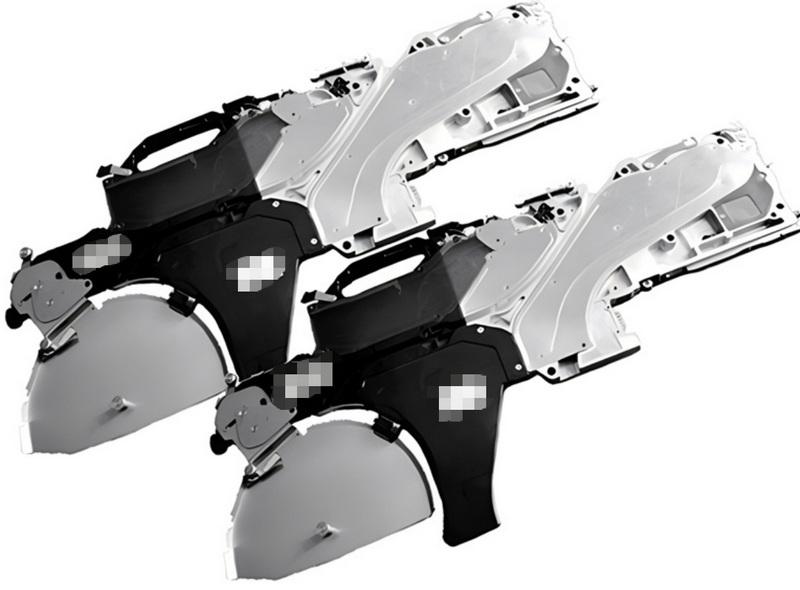
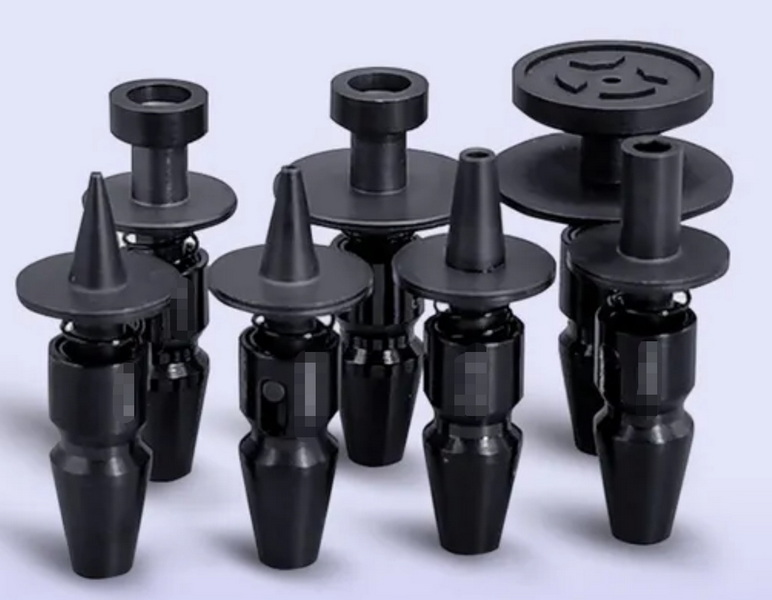
Nozzles and nozzle accessories usually have low to medium unit cost, but high cumulative cost because they are numerous and wear items, so they appear as recurring line items in every SMT Accessories budget. Feeders are among the highest‑value SMT Accessories; individual prices can be comparable to small machines, especially for intelligent or high‑speed feeders with electronics and memory.
Vision and sensing modules are premium items; their cost is justified by yield and defect‑reduction impact, but they can heavily affect annual SMT Accessories budgets when replacement is needed. Reflow oven and conveyor parts sit at a medium cost level but are strongly tied to uptime and thermal‑profile stability; neglecting these SMT Accessories often leads to significant hidden costs in quality. Simple consumables such as filters, basic seals, and cleaning SMT Accessories have low individual cost but high importance for preventive maintenance and machine health.
When budgeting for SMT spare parts and SMT Accessories, it is important to think in two layers.
Direct costs are the visible prices on quotations for each part and accessory, including basic freight. Indirect costs include downtime, labor, re‑setup time, scrap, rework, expedited freight, and missed delivery penalties when a critical SMT accessory fails and no suitable spare is available.
Many factories find that a structured spare‑parts strategy with slightly higher on‑hand inventory of key SMT Accessories actually reduces total cost by avoiding emergency situations and repeated line stoppages. A small investment in planned inventory can prevent large losses in production capacity.
Preventive maintenance (PM) programs directly shape how often SMT Accessories need to be replaced and how much those replacements cost.
Planned replacement of SMT spare parts such as nozzles, filters, belts, and bearings is scheduled during changeover windows or off‑shift maintenance, minimizing impact on production capacity. Unplanned failures create sudden stoppages, unscheduled overtime, and potentially missed shipments; the real cost of the part now includes all associated downtime and rush costs.
An optimized PM plan balances the cost of early replacement against the risk and cost of in‑line failure for each class of SMT Accessories. Maintenance teams should set clear intervals based on actual wear patterns, not just supplier recommendations, and adjust them as data accumulates.
A clear, standardized parts list and PM checklist for each line helps control SMT Accessories costs.
Standardization helps avoid over‑ordering duplicate SMT Accessories across similar machines, and it reduces the risk of using the wrong part in the wrong location, which can generate damage and rework. It also shortens troubleshooting time when failures occur, because technicians know exactly which SMT Accessories to check first.
Many advanced SMT factories now integrate spare‑parts data and SMT Accessories inventory into their MES or maintenance‑management systems for better traceability and cost tracking. This integration supports more accurate budgeting, purchasing, and performance analysis.
Beyond the obvious part price and routine replacement, several hidden factors increase the long‑term cost of SMT Accessories.
The largest hidden cost usually comes from line stoppages. A single key SMT accessory failure can stop an entire SMT line that might otherwise place tens of thousands of components per hour, causing a direct loss of output. In high‑mix, high‑value production such as automotive, medical, and industrial controls, the cost of delayed shipments or line idle time often dwarfs the replacement part cost.
By maintaining a smart safety stock of critical SMT Accessories, factories reduce these risk‑related losses and protect delivery performance. Linking safety‑stock decisions with actual downtime history makes it easier to justify a higher inventory of specific SMT Accessories.
Worn or low‑quality SMT Accessories typically degrade process capability before they outright fail. Mis‑picks, dropped components, and misalignment lead to solder defects, opens, shorts, and tombstoning that must be reworked or scrapped. These problems increase rework, scrap, and inspection load, and may even create latent field‑failure risks that damage brand reputation.
The cheapest SMT Accessories are rarely the lowest‑cost option once scrap, rework, and customer returns are included. From a quality perspective, stable and consistent performance of SMT Accessories is a direct contributor to first‑pass yield and process capability.
Every variant of SMT Accessories, such as alternative nozzle families, different feeder types, and different brands of peripheral equipment, adds complexity. Operators and technicians need training for correct use, setup, and maintenance of each type of SMT accessory.
More variations can slow changeovers and increase setup errors, especially in high‑mix environments. Standardizing SMT Accessories across lines and models where practical reduces these soft costs and simplifies operations. It also makes it easier to share best practices and spare stock between lines or plants.
Effective cost control is not about buying the cheapest SMT Accessories; it is about optimizing the mix of quality, availability, and price for the full lifecycle of the line.
Start by mapping all critical SMT Accessories per machine and classifying them by risk and replacement frequency, including both core machine parts and peripheral equipment. Set minimum safety stock levels for high‑risk, long‑lead‑time parts such as feeders, cameras, and control boards, and review these levels regularly as demand changes.
Use OEM SMT Accessories for critical functions while selectively evaluating high‑quality third‑party solutions for low‑risk items, supported by controlled trial runs. Consolidate purchasing of SMT Accessories, SMT spare parts, and peripheral equipment with a reliable, technically capable partner that can support multiple brands and provide global logistics.
Track spare‑parts consumption and failure modes to refine PM intervals, highlight abnormal wear, and identify problem areas that might require process changes. Over time, this data‑driven approach turns SMT Accessories management into a continuous‑improvement activity rather than a reactive cost.
A specialized SMT solution provider that offers equipment, SMT Accessories, service, and process support under one roof can bring significant financial advantages. Such a partner can help standardize SMT Accessories across lines and sites to simplify maintenance and inventory.
They can provide engineering guidance on when third‑party parts are appropriate and when OEM parts are essential for safety or performance. They can also reduce lead time and freight cost through strategic stocking and consolidated shipments of SMT Accessories to different global locations. A one‑stop SMT partner enables factories to integrate new lines, upgrades, and SMT Accessories planning into a single roadmap, improving long‑term TCO.
Choosing the right suppliers for SMT Accessories is as important as choosing the right machines.
A strong supplier can support multiple SMT brands and models and provide the full range of SMT Accessories, including rare and legacy parts. In‑house engineering and application support allow the supplier to recommend specific SMT Accessories that best match your process window and product mix.
Suppliers with hands‑on process experience can also help you optimize feeder layouts, nozzle selection, and other SMT Accessories‑related decisions that influence line efficiency. This type of support quickly translates into lower indirect costs and better yield.
Reputable suppliers test and inspect SMT Accessories, especially electronic modules and complex mechanical assemblies, before shipping. Clear traceability and documentation for SMT Accessories simplify root‑cause analysis when a failure occurs and protect you from counterfeit parts.
Certificates, serial numbers, test reports, and controlled storage conditions add confidence to the SMT Accessories you receive. In highly regulated sectors, this documentation is also important for audits and compliance.
Strong after‑sales teams help with installation, parameter tuning, and troubleshooting of SMT Accessories in real production environments. Training services for operators and technicians improve the correct usage of SMT Accessories, extending their life and stabilizing process performance.
A supplier that can remotely support debugging, share best practices, and provide on‑site service when needed becomes a strategic partner rather than just a parts vendor. This relationship supports long‑term cost control and continuous improvement around SMT Accessories.
The relative importance and cost share of SMT Accessories changes with product type and production strategy.
High‑mix, low‑volume environments require more frequent changeovers, so feeders, nozzles, and setup‑related SMT Accessories are in constant use and wear more quickly. Standardization of SMT Accessories and efficient feeder logistics have a large impact on cost and productivity in this scenario.
Here, flexible and easy‑to‑handle SMT Accessories can save significant time during product changeovers. Investing in intelligent feeders, standardized nozzle sets, and well‑organized accessories storage can quickly pay for itself through higher effective uptime.
High‑volume, low‑mix lines run at high speed for long periods, so durability and reliability of SMT Accessories become critical for uptime. Preventive maintenance and regular replacement schedules for SMT Accessories are essential to avoid large‑scale stoppages.
In these environments, even short disruptions translate into large numbers of lost units. Choosing robust SMT Accessories, monitoring wear carefully, and replacing parts before the end of life are key strategies for maintaining throughput.
Automotive, medical, and many industrial applications demand high reliability and tight process control, so there is less tolerance for low‑quality SMT Accessories. Factories in these sectors often choose OEM or top‑tier compatible SMT Accessories and accept slightly higher direct cost to reduce risk of recalls and field failures.
Process traceability, stable machine capability, and consistent SMT Accessories performance are non‑negotiable in such industries. Accessories planning is often integrated into quality systems and risk‑management frameworks.
SMT spare parts and SMT Accessories are not a minor afterthought; they are a central element of SMT line economics and long‑term competitiveness. Understanding the factors behind their cost—brand, complexity, materials, sourcing strategy, and maintenance practices—enables factories to build realistic budgets and avoid unpleasant surprises.
By combining high‑quality SMT Accessories with smart preventive maintenance, structured stocking, strong supplier relationships, and a reliable one‑stop SMT partner, manufacturers can maximize uptime, stabilize quality, and reduce the true total cost of ownership of their SMT and AI lines. For global EMS providers and OEMs, the question is no longer whether to invest in SMT Accessories, but how to do it strategically to support long‑term growth and secure a competitive advantage.
Contact us to get more information!
Annual budgets vary widely, but many factories allocate a few percent of their SMT equipment value per year for spare parts and SMT Accessories, often in the thousands to tens of thousands of dollars per full SMT line. Lines with intensive utilization, harsh environments, or poor preventive‑maintenance discipline usually sit at the higher end of this range. Careful tracking of historical consumption and downtime helps refine this budget over time.
High‑quality third‑party SMT Accessories can be cost‑effective for non‑critical items such as belts, filters, and some nozzles if they are tested and validated on your line. For critical elements that affect placement accuracy, safety, or machine firmware—such as vision systems, control boards, and certain specialized feeders—OEM parts remain the safer choice. A mixed strategy that combines OEM and proven third‑party SMT Accessories usually offers the best balance of cost and risk.
The most effective methods are to classify critical SMT Accessories, maintain minimum safety stock, and integrate parts data into your maintenance planning system. Regularly reviewing usage patterns and lead times allows you to adjust safety‑stock levels before shortages occur. Working with a supplier that offers fast global logistics and local stocking of common SMT Accessories further reduces the risk of line‑stopping shortages.
Quality SMT Accessories maintain stable pick‑and‑place performance, consistent solder‑paste printing, and accurate component positioning, all of which strongly support high first‑pass yield. Inferior or worn parts often show up first as subtle quality issues such as mis‑picks, micro‑shifts, and solder defects before they cause outright machine failure. Investing in reliable SMT Accessories and replacing them at the right time is therefore a direct investment in product quality and customer satisfaction.
SMT Accessories and spare parts are one of the major recurring cost elements in SMT line TCO, alongside labor, energy, and materials. Proactive management of SMT Accessories—balancing OEM and approved third‑party parts, aligning with preventive maintenance, and strategically stocking critical items—can significantly lower overall TCO and improve return on investment. When viewed over the full life of the line, a structured SMT Accessories strategy often generates more savings than aggressive bargaining on individual part prices.


