Your Trusted Partner from Prototyping to Mass Production, Email Us:info@highlymachine.com
Please Choose Your Language


Views: 222 Author: Ann Publish Time: 2026-01-03 Origin: Site


Content Menu
● Understanding SMT Feeders and Their Role in Compliance
● Key Industry Standards Governing SMT Feeders
● Selecting Compliant SMT Feeders for Your Production Line
● Design and Manufacturing Features for Standard Compliance
● Installation and Initial Setup Procedures
● Maintenance Best Practices for Long-Term Compliance
● Testing and Calibration Protocols
● Integration with Smart Factory Systems
● Overcoming Common Compliance Challenges
● Operator Training and Auditing
● Future Trends in Compliant SMT Feeders
● FAQ
>> 1. What are the primary standards for SMT Feeders?
>> 2. How often should SMT Feeders be calibrated?
>> 3. What causes common failures in SMT Feeders?
>> 4. Do intelligent SMT Feeders improve compliance?
>> 5. How does Highlywin ensure SMT Feeder compliance?
Highlywin provides comprehensive SMT solutions, including high-quality SMT Feeders, to help global clients achieve seamless production and strict compliance with industry standards. Proper selection, installation, maintenance, and testing of SMT Feeders ensure adherence to key regulations like ISO 9001, IPC, CE, RoHS, and EIA-481, minimizing defects and maximizing efficiency in SMT assembly lines.

SMT Feeders are critical components in Surface Mount Technology (SMT) production lines, responsible for accurately supplying electronic components such as resistors, capacitors, and ICs to pick-and-place machines. These SMT Feeders handle various formats including tape-and-reel, tray, tube, and stick feeders, each optimized for specific component sizes and types to prevent misplacement and ensure high-speed operation. In modern manufacturing, compliant SMT Feeders integrate advanced features like sensors and RFID for real-time monitoring, directly supporting compliance by reducing variability and enhancing traceability.
The importance of SMT Feeders in compliance cannot be overstated. Poorly performing SMT Feeders lead to frequent stoppages, component damage, and non-conforming assemblies, which violate quality standards and incur costly rework. High-quality SMT Feeders from reliable suppliers like Highlywin feature precision-engineered sprockets, peel mechanisms, and drive systems that maintain consistent feeding accuracy, even under high-volume production demands. By choosing certified SMT Feeders, manufacturers can align their processes with global benchmarks from the outset.
Furthermore, understanding the types of SMT Feeders is essential for compliance. Mechanical SMT Feeders offer cost-effective solutions for standard components, while intelligent SMT Feeders with servo motors and vision systems provide superior control for fine-pitch parts. Tray SMT Feeders excel in handling larger components like connectors, ensuring gentle placement to avoid bending leads. Highlywin's range of SMT Feeders covers all these variants, tailored for compatibility with leading brands such as Yamaha, JUKI, Panasonic, and Samsung, facilitating seamless integration into existing lines.
Compliance with industry standards begins with familiarity of the primary regulations applicable to SMT Feeders. ISO 9001 establishes quality management systems, requiring documented processes for SMT Feeder selection, maintenance, and performance verification to ensure consistent output. IPC-A-610, the acceptability standard for electronic assemblies, indirectly mandates reliable SMT Feeders to achieve Class 2 and Class 3 quality levels, where placement accuracy must exceed 99.9%.
RoHS (Restriction of Hazardous Substances) compliance is non-negotiable for SMT Feeders, prohibiting materials like lead, mercury, and cadmium in construction. Modern SMT Feeders use halogen-free plastics and compliant alloys to meet these environmental directives, preventing contamination of assemblies destined for global markets. CE marking under the EU Machinery Directive verifies that SMT Feeders pose no safety risks, incorporating guards, emergency stops, and low-voltage controls.
EIA-481 standards specifically address tape-and-reel specifications for SMT Feeders, defining pocket dimensions, peel strength (typically 20-100 grams), and cover tape adhesion to minimize jams. IPC-9850 evaluates SMT Feeder performance through metrics like feed rate stability and changeover time, ensuring SMT Feeders support high-mix, low-volume production without compromising speed. UL standards for electrical safety apply to motorized SMT Feeders, testing insulation and overload protection.
Highlywin ensures all its SMT Feeders undergo third-party certification to these standards, providing documentation that streamlines customer audits and regulatory approvals.
Selecting the right SMT Feeders is the foundation of compliance. Begin by matching feeder specifications to your pick-and-place machine, including pitch sizes from 8mm to 88mm, reel diameters up to 380mm, and communication protocols like SIPLACE or SMEMA. Intelligent SMT Feeders with error-proofing features, such as automatic tape alignment and jam detection, significantly reduce operator-induced errors, aligning with IPC workmanship standards.
Evaluate suppliers based on their track record in producing compliant SMT Feeders. Highlywin stands out with its OEM expertise, offering customizable SMT Feeders that integrate with ERP and MES systems for full traceability. Consider factors like feeder lifespan—premium SMT Feeders endure over 10 million cycles—and modularity for quick width adjustments. Avoid generic SMT Feeders; opt for those with proven vibration resistance and thermal stability to maintain performance in diverse factory environments.
Budget considerations should not compromise compliance. While basic SMT Feeders cost less upfront, their higher failure rates lead to downtime expenses exceeding initial savings. Highlywin's cost-effective, standards-compliant SMT Feeders balance affordability with reliability, supporting scalability from prototyping to mass production.
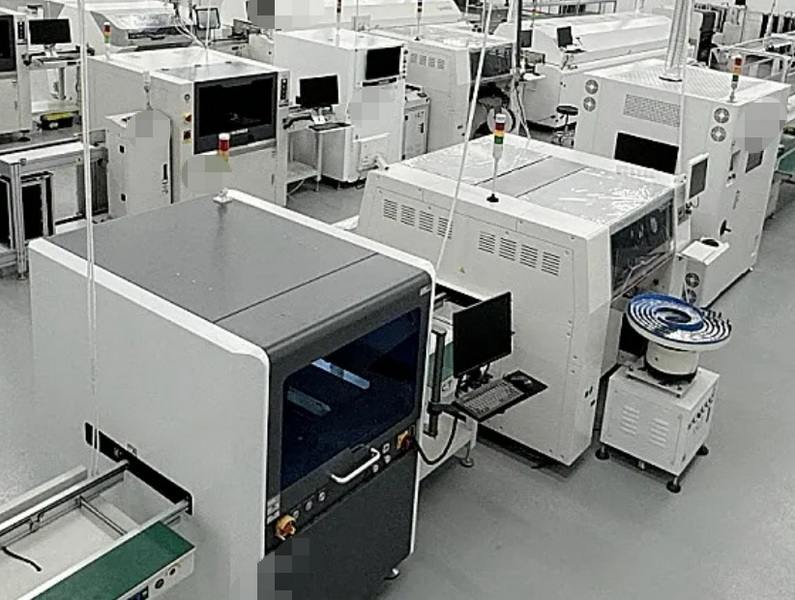
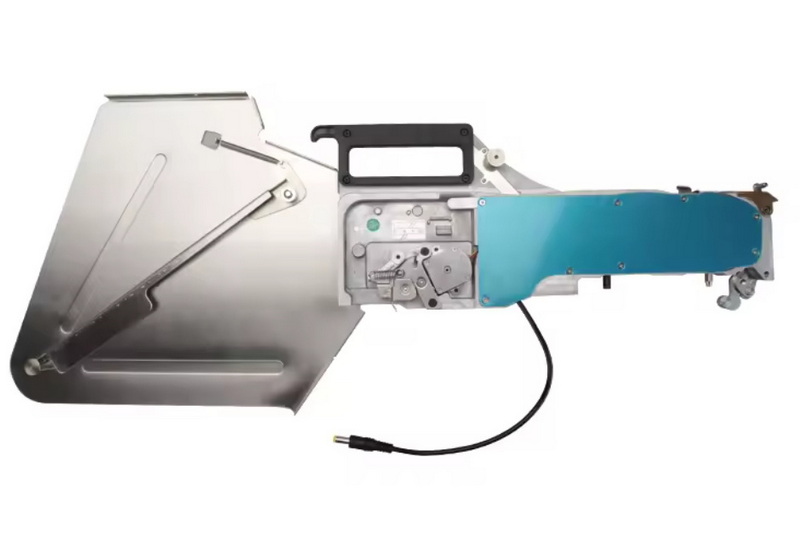
Compliant SMT Feeders boast precision design elements like CNC-machined aluminum frames for rigidity and stainless steel sprockets for wear resistance. Advanced peel knives with optimized angles ensure smooth cover tape removal, critical for EIA-481 adherence in SMT Feeders. Integrated sensors monitor peel force, tension, and component presence, triggering alerts to prevent non-compliant feeds.
Antistatic coatings and grounding paths in SMT Feeders comply with ESD Association standards (ANSI/ESD S20.20), protecting sensitive components from electrostatic discharge. Modular designs allow easy part replacement, minimizing downtime and supporting ISO 9001 continuous improvement. Highlywin incorporates these features in all SMT Feeders, using finite element analysis to simulate stresses and guarantee durability.
Manufacturing processes for compliant SMT Feeders involve automated assembly lines with vision inspection at every stage. Heat treatment and surface hardening extend SMT Feeder life, while cleanroom assembly prevents contamination. Final validation includes accelerated life testing, simulating years of operation to confirm RoHS and IPC compliance.
Proper installation of SMT Feeders is crucial for immediate compliance. Power down the pick-and-place machine and secure the SMT Feeder in designated slots, ensuring level alignment with laser tools. Load tape reels correctly, threading through tension arms and peel mechanisms without twists, to match sprocket pitch precisely.
Calibrate SMT Feeders by running test cycles: verify first-component pickup, feed increment accuracy (±0.05mm tolerance), and stop positions. Ground all SMT Feeders to the machine chassis for ESD control, and configure software parameters for component height and speed. Highlywin provides detailed manuals and QR-coded setup guides with every SMT Feeder, reducing setup time to under 10 minutes.
Operator training during installation covers safety interlocks and error code interpretation, fostering a culture of compliance from day one.
Routine maintenance sustains SMT Feeder compliance. Daily visual inspections check for sprocket wear, peel blade dulling, and tape residue buildup, which can cause misfeeds violating IPC standards. Weekly cleaning with isopropyl alcohol removes contaminants, while lubrication of drive gears uses food-grade, non-migrating oils to prevent particulate shedding.
Predictive maintenance leverages data from smart SMT Feeders, analyzing feed error rates and vibration patterns to schedule interventions before failures occur. Replace consumables like peel blades every 500,000 cycles, and perform full recalibration quarterly. Highlywin offers spare parts kits optimized for its SMT Feeders, ensuring 24/7 availability and minimal disruption.
Document all maintenance activities in digital logs, correlating them to production quality metrics for audit readiness.
Rigorous testing validates SMT Feeder compliance. Feed accuracy tests use vision systems to measure placement offsets, targeting under 50 microns. Jam resistance evaluates recovery time under varying tape conditions, per IPC-9850. Durability runs simulate 1 million feeds, monitoring speed decay and error accumulation.
Auto-calibration routines in modern SMT Feeders adjust for environmental factors like humidity-induced tape expansion. Highlywin's SMT Feeders include self-diagnostic modes, generating reports compliant with ISO 9001 record-keeping. Periodic third-party audits confirm ongoing adherence.
Industry 4.0 integration elevates SMT Feeder compliance. MES-connected SMT Feeders provide real-time data on utilization, defects, and changeovers, enabling OEE optimization above 90%. RFID tagging tracks SMT Feeder history, supporting lot traceability for RoHS verification.
AI algorithms predict SMT Feeder failures from usage patterns, preempting non-compliance. Highlywin's SMT Feeders feature open APIs for seamless IIoT connectivity.
Challenges like tape jams in SMT Feeders arise from inconsistent peel forces; mitigate with servo-controlled tensioners. ESD events demand rigorous grounding protocols. High-mix production strains SMT Feeders—modular designs solve this. Operator variability decreases with HMI interfaces on intelligent SMT Feeders.
Highlywin's support resolves these, ensuring sustained compliance.
Comprehensive training programs cover SMT Feeder handling, emphasizing safety and precision. Regular audits review logs, test samples, and interviews, identifying gaps in SMT Feeder management.
AI-enhanced SMT Feeders with predictive analytics lead trends, alongside sustainable materials for extended RoHS compliance. Flexible, multi-format SMT Feeders support diverse portfolios.
Mastering compliance with industry standards using SMT Feeders requires holistic strategies from selection to integration. Highlywin's premium SMT Feeders, backed by expert support, empower global clients to achieve superior quality, efficiency, and regulatory adherence in SMT production.
ISO 9001, IPC-A-610, RoHS, CE, and EIA-481 ensure quality, safety, and environmental compliance in SMT Feeders.
Calibrate SMT Feeders daily before runs, weekly for precision checks, and quarterly for full validation.
Worn sprockets, improper tape tension, and ESD exposure; regular maintenance prevents these issues.
Yes, with sensors, RFID, and MES integration for traceability and error reduction.
Through certified manufacturing, comprehensive training, spare parts, and one-stop SMT solutions.


