Your Trusted Partner from Prototyping to Mass Production, Email Us:info@highlymachine.com
Please Choose Your Language


Views: 222 Author: Ann Publish Time: 2025-12-27 Origin: Site


Content Menu
● Key Metrics for SMT Pick And Place Machine Analysis
● Data Collection Methods for SMT Pick And Place Machines
● Cleaning and Preparing SMT Pick And Place Machine Data
● Visualization Tools for SMT Pick And Place Machine Insights
● Identifying Bottlenecks in SMT Pick And Place Machines
● Predictive Maintenance for SMT Pick And Place Machines
● Vision System Tuning for SMT Pick And Place Machines
● Integrating Data Across SMT Lines for Holistic SMT Pick And Place Machine Optimization
● Case Studies: Real-World SMT Pick And Place Machine Improvements
● Advanced Tools and Software for SMT Pick And Place Machine Analysis
● FAQ
>> 1. What is the most important metric for SMT Pick And Place Machine performance?
>> 2. How often should SMT Pick And Place Machine data be analyzed?
>> 3. Can AI improve SMT Pick And Place Machine data analysis?
>> 4. What causes common placement errors in SMT Pick And Place Machines?
>> 5. How does Highlywin support SMT Pick And Place Machine optimization?
Analyzing production data from SMT Pick And Place Machines unlocks significant performance gains for electronics manufacturers. Highlywin, a leading provider of SMT/AI/peripheral equipment and comprehensive SMT services, empowers global clients with one-stop SMT solutions to optimize their SMT Pick And Place Machine operations. This guide details data-driven strategies to enhance SMT Pick And Place Machine efficiency, reduce downtime, and boost yield.
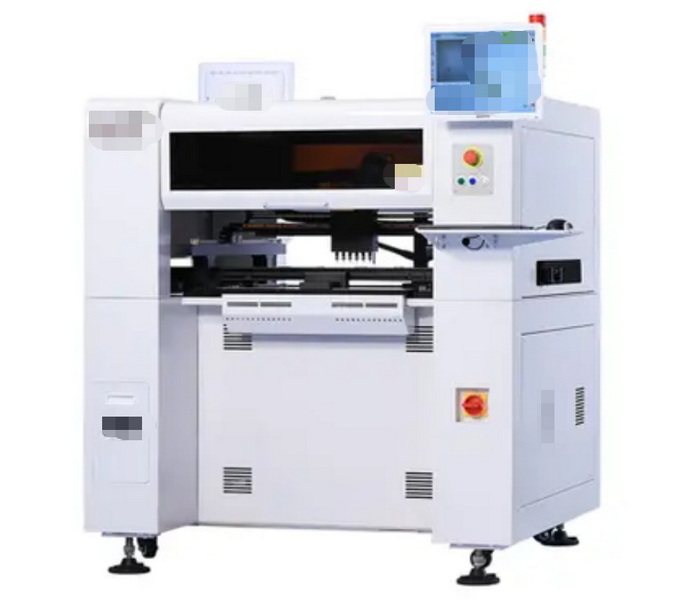
Production data from SMT Pick And Place Machines reveals critical performance indicators that directly influence overall line efficiency. Core metrics include Components Per Hour (CPH), placement accuracy, feeder utilization, nozzle efficiency, and error rates such as mis-picks, skips, or tombstoning. These metrics provide a snapshot of how well the SMT Pick And Place Machine is operating under real-world conditions, helping operators identify deviations from optimal performance early.
CPH tracking is essential for measuring SMT Pick And Place Machine throughput; consistently low CPH often signals bottlenecks like feeder access delays, vision system misalignment, or head movement inefficiencies. Placement accuracy, measured in microns for X/Y/Z axes, should target under 20 microns to minimize rework and ensure high first-pass yields in SMT Pick And Place Machine processes. Downtime logs further dissect idle periods caused by changeovers, jams in SMT Pick And Place Machine heads, or software glitches, allowing for targeted interventions.
Additional metrics like Overall Equipment Effectiveness (OEE) combine availability, performance, and quality rates specific to the SMT Pick And Place Machine. For instance, OEE below 85% indicates room for improvement in SMT Pick And Place Machine utilization. By monitoring these, manufacturers can benchmark their SMT Pick And Place Machine against industry standards, where top performers achieve CPH exceeding 100,000 for high-speed models.
Effective analysis begins with robust data capture from SMT Pick And Place Machines, ensuring comprehensive coverage of all operational facets. Modern SMT Pick And Place Machines are equipped with onboard sensors that log cycle times, component coordinates, error codes, and spindle speeds in real-time, often exporting data in CSV or proprietary formats for easy integration.
Integrate with Manufacturing Execution Systems (MES) and IoT gateways to synchronize SMT Pick And Place Machine data with upstream printers and downstream AOI/SPI stations, creating a holistic view of the SMT line. Solder Paste Inspection (SPI) data correlates directly with SMT Pick And Place Machine placement shifts, while Automated Optical Inspection (AOI) feedback reveals post-placement defects traceable to SMT Pick And Place Machine inaccuracies.
For high-volume operations, cloud-based platforms enable remote monitoring of multiple SMT Pick And Place Machines across global facilities, facilitating predictive analytics. Highlywin's service suite includes customized data loggers that plug into existing SMT Pick And Place Machines, capturing granular details like feeder vibration and nozzle pressure without disrupting production flow.
Raw data streams from SMT Pick And Place Machines frequently include noise from manual interventions, sensor glitches, or incomplete cycles, necessitating thorough preprocessing. Use tools like Python's Pandas library or Excel macros to filter outliers, handle missing values through interpolation, and normalize timestamps for accurate SMT Pick And Place Machine trend analysis across shifts.
Standardize units—such as converting all accuracy measurements to microns—and aggregate data by batch or product type to benchmark SMT Pick And Place Machine performance. Histograms and box plots help visualize distribution patterns in SMT Pick And Place Machine placement errors, revealing skewness that might indicate systematic biases like thermal expansion in machine frames.
Deduplication is crucial, as SMT Pick And Place Machines may log redundant events during error recovery. Z-score calculations flag anomalies in CPH data, while time-series resampling aligns irregular SMT Pick And Place Machine logs for smoother forecasting. This preparation phase ensures downstream analyses on SMT Pick And Place Machine data are reliable and actionable.
Dashboards turn complex SMT Pick And Place Machine data into intuitive visuals, empowering quick decision-making. Heatmaps display placement error density across PCB zones, highlighting problematic SMT Pick And Place Machine heads or nozzles.
Real-time gauges track SMT Pick And Place Machine OEE, while trend lines forecast degradation from historical patterns. Scatter plots reveal trade-offs between speed and accuracy in SMT Pick And Place Machine operations, guiding parameter tuning.
Gantt charts visualize downtime schedules for SMT Pick And Place Machines, and box plots compare feeder efficiencies. Tools like Tableau, Power BI, or open-source Grafana integrate seamlessly with SMT Pick And Place Machine exports, offering drill-down capabilities for root-cause analysis.
Bottleneck detection in SMT Pick And Place Machine data uses value stream mapping to trace delays in picking, travel, or placement phases. Simulation software models scenarios like adding auxiliary heads to SMT Pick And Place Machines, projecting CPH uplifts.
Common culprits include nozzle contamination dropping pick rates, feeder misalignment causing misfeeds, and suboptimal head pathing inflating cycle times. Workload balancing across SMT Pick And Place Machine stations prevents upstream starvation.
Queueing theory applies to SMT Pick And Place Machine lanes, calculating wait times and throughput limits. Highlywin's diagnostic services employ these methods to resolve SMT Pick And Place Machine constraints swiftly.
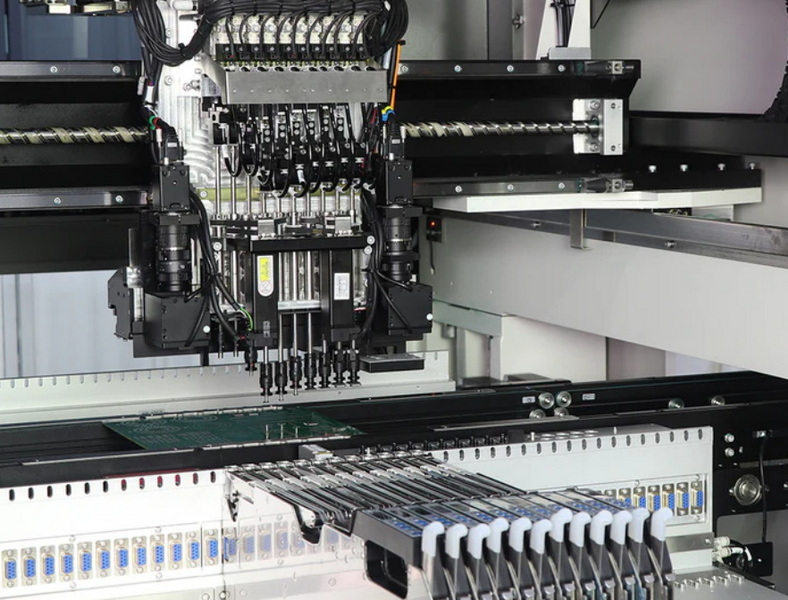
Machine learning algorithms trained on SMT Pick And Place Machine data predict failures by analyzing vibration, temperature, and cycle anomalies. Random Forest or LSTM models forecast nozzle wear, enabling scheduled replacements.
Anomaly detection via isolation forests flags unusual SMT Pick And Place Machine patterns, averting breakdowns. Highlywin integrates these with SMT Pick And Place Machines for 20-30% downtime cuts, using edge computing for low-latency alerts.
Feature engineering from raw SMT Pick And Place Machine logs—such as rolling averages of spindle torque—enhances model accuracy. Cross-validation ensures predictions generalize across SMT Pick And Place Machine models and production mixes.
Vision logs from SMT Pick And Place Machines quantify recognition failures; adjust lighting and thresholds to curb false positives. Offset histograms guide centering algorithm tweaks for high-speed SMT Pick And Place Machine runs.
Fiducial detection rates improve with contrast enhancements, directly boosting overall SMT Pick And Place Machine placement fidelity.
Unify SMT Pick And Place Machine data with printers and reflow ovens via MES; low solder volume links to tombstoning defects. Line balancing prevents SMT Pick And Place Machines from bottlenecking downstream.
End-to-end analytics yield insights like optimal conveyor speeds synced to SMT Pick And Place Machine cycles.
A Highlywin client elevated SMT Pick And Place Machine CPH by 25% through feeder redesign analytics. Another slashed defects 15% via precision tuning on SMT Pick And Place Machines.
These cases underscore data's role in scaling SMT Pick And Place Machine operations globally.
Highlywin's analytics suite delivers AI-driven SPC charts and yield predictors for SMT Pick And Place Machines. Python scripts with Pandas/Scikit-learn enable custom SMT Pick And Place Machine modeling.
Systematic production data analysis transforms SMT Pick And Place Machine performance, elevating efficiency, quality, and profitability. Highlywin's one-stop SMT solutions equip clients to harness these insights fully. Adopt these strategies for a competitive edge in electronics manufacturing.
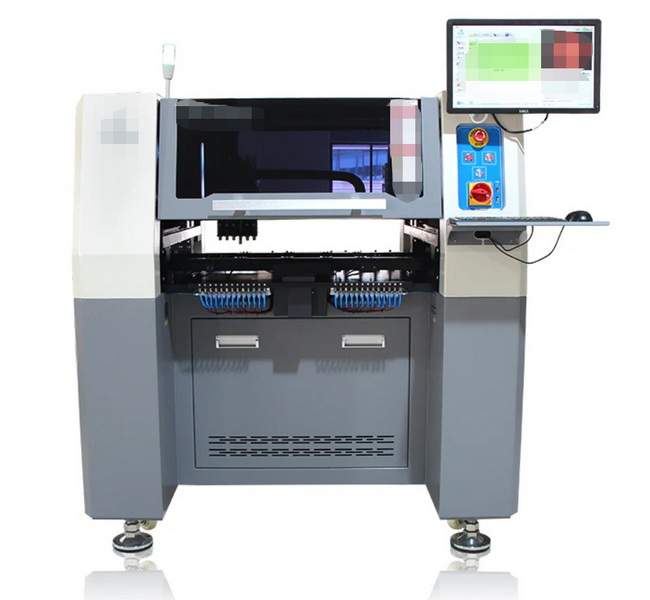
CPH is the primary throughput metric for SMT Pick And Place Machines, directly affecting production speed. Pair it with accuracy for balanced optimization.
Conduct daily reviews for immediate issues and weekly deep analyses for proactive SMT Pick And Place Machine enhancements, with monthly benchmarks.
AI excels at anomaly detection and failure prediction in SMT Pick And Place Machine data, potentially cutting downtime by 30%.
Vision issues, nozzle wear, and feeder problems dominate; data pinpoints fixes for SMT Pick And Place Machines.
Highlywin provides equipment, parts, and analytics for worldwide SMT Pick And Place Machine excellence.


