Your Trusted Partner from Prototyping to Mass Production, Email Us:info@highlymachine.com
Please Choose Your Language


Views: 222 Author: Ann Publish Time: 2025-12-26 Origin: Site


Content Menu
● Introduction: Why Evaluating SMT Accessories Matters
● Core Quality Metrics for SMT Accessories
● Productivity and Throughput Metrics
>> Throughput and Components Per Hour (CPH)
>> Changeover Time and Flexibility
>> Line Utilization and Overall Equipment Effectiveness (OEE)
● Reliability and Life-Cycle Metrics
>> Mean Time Between Failures (MTBF)
>> Failure Rate and Mode Analysis
>> Preventive Maintenance and Condition-Based Monitoring
● Cost and ROI Metrics for SMT Accessories
>> Cost of Poor Quality (COPQ)
>> Total Cost of Ownership (TCO)
● Data Integration and SMT Analytics
>> Traceability and Digital Twin
>> Integration with MES and ERP
● How Highlywin Implements These Metrics
● FAQ
>> 1. What are SMT Accessories?
>> 2. Why do SMT Accessories affect FPY and OEE?
>> 3. How often should SMT Accessories be replaced?
>> 4. How can SMT Analytics help manage Accessories?
>> 5. What advantages does Highlywin offer in SMT Accessories management?
In modern electronics manufacturing, Surface Mount Technology (SMT) lines depend not only on machine precision and programming but also on the often-overlooked components that support them — the SMT Accessories. From feeders and nozzles to conveyors, magazines, filters, and peripheral devices, these parts collectively determine the efficiency, accuracy, and stability of every SMT line.
For companies like Highlywin, which provide SMT/AI/peripheral equipment, all-round service support, and spare parts sales globally, understanding the key metrics for evaluating SMT Accessories performance is essential for delivering reliable one-stop SMT solutions. By quantifying accessory performance through quality, throughput, reliability, and cost metrics, manufacturers can improve productivity, minimize downtime, and reduce the total cost of ownership.

The SMT process involves high-speed, high-precision placement of tiny electronic components onto PCBs. Every mechanical element in the SMT line must perform consistently within microns of accuracy. Yet, the SMT Accessories — feeders, nozzles, clamps, stencils, and conveyors — directly influence the outcome of every placement operation. If these accessories wear out, misalign, or operate sub-optimally, yield and throughput decline.
Key reasons to track SMT Accessories performance:
- Quality assurance: High-quality accessories maintain placement accuracy and solder joint reliability.
- Cost control: Monitoring performance metrics prevents premature replacement or over-maintenance.
- Process stability: Accessories with predictable lifespans support consistent production capacity.
- Competitive edge: A data-driven approach to SMT Accessories selection and management can significantly reduce overall manufacturing cost and enhance customer satisfaction.
To ensure process consistency and defect-free assemblies, quality metrics help engineers understand how each accessory impacts production outcomes.
First Pass Yield (FPY) measures how many boards pass all quality checks without requiring rework. It is the most direct reflection of an accessory's performance in real production conditions. Faulty feeders, worn nozzles, or vibration issues can cause misaligned or missing components, drastically lowering FPY.
Tracking FPY for each product or line helps engineers pinpoint underperforming SMT Accessories. When monitored over time, FPY reveals the wear pattern of accessories, guiding preventive maintenance or replacement schedules.
Typical FPY goals for high-volume SMT manufacturing:
- Consumer electronics: >98%
- Automotive electronics: >99%
- High-density PCBs: >95%
Improving FPY by just 1–2% translates to thousands of saved components and hours of reduced rework, making it one of the most valuable metrics.
Defect Density (defects per board area or per number of placements) and Defects Per Million Opportunities (DPMO) quantify quality at a granular level. SMT Accessories that handle parts or PCBs directly — such as feeders, support fixtures, and stencils — heavily influence these numbers.
Common SMT Accessories–related defect causes include:
- Misfeeds or double pickups from worn feeders.
- Solder bridging due to clogged or bent squeegee blades.
- Poor component alignment from deformed nozzles.
- Scratches or contamination from worn conveyor fingers.
Monitoring DPMO per accessory type allows targeted replacement and helps identify recurring failure modes before they cause production halts.
SMT machines are rated by their placement accuracy (e.g., ±25 µm at 3σ) — but that precision depends on the mechanical alignment and repeatability of the SMT Accessories. Factors such as feeder wear, nozzle concentricity, and board support stiffness determine whether this accuracy is achievable in practice.
Measuring repeatability involves:
- Consistent component centering under repeated placements.
- Measuring standard deviation of pickup and placement positions.
- Tracking drift or variation over time between maintenance intervals.
Accessories that maintain stable mechanical and vacuum performance extend machine repeatability and safeguard long-term quality.
Beyond quality, SMT manufacturers must optimize for speed and versatility. SMT Accessories play a pivotal role in ensuring steady throughput and minimal downtime.
Throughput, typically stated in Components Per Hour (CPH), defines the productivity of a pick-and-place system. SMT Accessories directly affect throughput through:
- Reduced feeder jams and changeovers.
- Stable conveyance between printing, placement, and reflow stations.
- Consistent performance under high-speed operation.
An underperforming accessory can cause micro-stoppages that add up to hours of lost time. For example, if each feeder misfeed occurs once per shift and lasts 30 seconds, the cumulative loss over a week can exceed thousands of components.
Maintaining throughput efficiency requires regular calibration, cleaning, and real-time monitoring through machine sensors or automated SMT analytics systems.
Modern SMT lines handle dozens of product variations daily. Reducing changeover time — the idle period between production runs — is a competitive advantage.
High-efficiency SMT Accessories help achieve:
- Quick feeder exchange systems for different component reels.
- Standardized nozzle banks that minimize head reconfiguration.
- Smart traceability-coded accessories that eliminate setup errors.
Reducing changeover time by even 10 minutes per shift can lead to significant yearly gains in uptime and output.
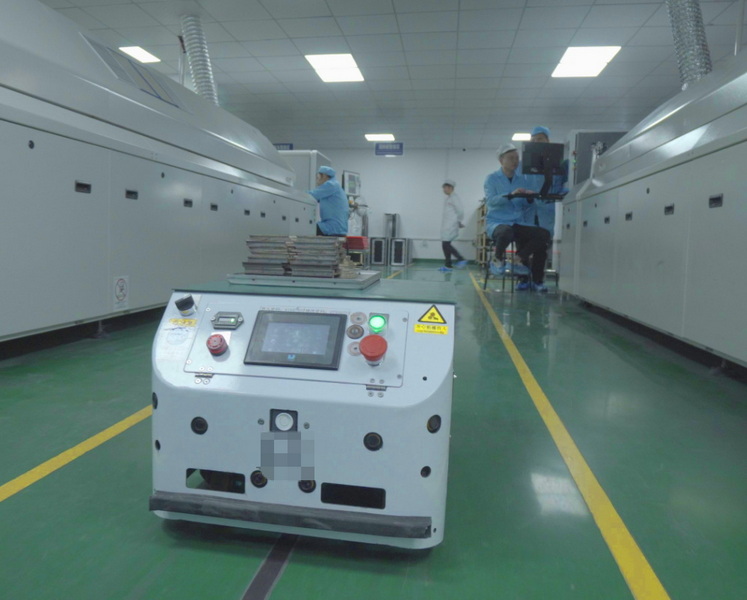
OEE (Overall Equipment Effectiveness) measures how well SMT assets are used. It combines three components:
1. Availability — how often the line is ready for production.
2. Performance — how close actual speed is to rated capacity.
3. Quality — how many boards meet quality standards.
SMT Accessories affect all three:
- Unreliable feeders or conveyors drive downtime (availability loss).
- Nozzle wear slows placement (performance loss).
- Inconsistent stencils or squeegees cause solder defects (quality loss).
Continuous tracking of OEE with accessory-level data helps optimize replacement policies and maintenance planning.
High-end SMT lines rely on accessories that perform reliably over long operating hours. Reliability metrics ensure accessories deliver repeatable results and reduce unexpected stops.
MTBF represents the average operational time between failures. For SMT Accessories, it measures how often a specific item — like a feeder drive or vacuum nozzle — needs repair or replacement.
High MTBF indicates robust design and predictable uptime. Accessories with low MTBF should either be redesigned, sourced from alternate suppliers, or subjected to better maintenance intervals.
Recording and analyzing failure modes for SMT Accessories helps determine root causes of unplanned downtime:
- Feeder error or drive wear.
- Vacuum leaks causing pickup failures.
- Belt wear in conveyors affecting board alignment.
- Dust buildup in optical sensors or alignment guides.
By logging failure data in CMMS (Computerized Maintenance Management Systems) or MES systems, manufacturers can identify trends and increase accessory longevity.
Proactive prevention is key. Instead of waiting for accessories to fail, condition-based monitoring uses performance data — vibration, vacuum levels, or operating cycles — to predict when maintenance is needed.
Best practices include:
- Scheduled visual inspections of feeders, nozzles, and belts.
- SMT Accessories cleaning routines to avoid particle buildup.
- Lubrication of mechanical parts per supplier recommendations.
- Automatic maintenance notifications integrated with SMT analytics dashboards.
Timely maintenance lowers defect rates and extends lifespan across all accessories.
Evaluating SMT Accessories from a business perspective ensures technical improvements translate into financial gains.
COPQ represents the costs related to failures — repair, rework, scrap, and customer returns. Poorly maintained or low-grade SMT Accessories can dramatically increase COPQ.
Typical examples include:
- Additional rework hours from misaligned components.
- Scrap boards due to feeder double-pick errors.
- Excessive solder paste waste from printing defects.
Improving accessory quality typically reduces COPQ, yielding immediate ROI through fewer reworks and stable yields.
When choosing SMT Accessories, buyers often focus on purchase cost rather than TCO (Total Cost of Ownership). However, a slightly higher upfront investment in precision components can pay off through:
- Extended service life.
- Lower maintenance frequency.
- Reduced calibration errors.
- Better compatibility with automated SMT systems.
TCO analysis helps customers choose the best value option that minimizes lifetime costs rather than initial price.
Digitizing SMT Accessories performance metrics is essential for Industry 4.0 environments.
Through an SMT analytics platform, manufacturers can track real-time data such as:
- Feeder error frequency.
- Nozzle replacement intervals.
- Conveyor throughput variation.
- Correlation between FPY and accessory maintenance.
This data supports dashboards that visualize process health and predict potential failures before they occur.
Integrating traceability allows tracking which SMT Accessories were used during production for every PCB. Combining this information with AOI/SPI data enables root cause analysis.
Digital twin models simulate production and predict accessory wear. For example, a virtual feed analysis can show how a particular feeder design impacts pickup rates at different speeds. Over time, this leads to smarter accessory design and selection strategies.
Complete SMT Accessories management requires system connectivity:
- MES (Manufacturing Execution System) automates maintenance scheduling and records.
- ERP (Enterprise Resource Planning) handles stock, cost tracking, and supplier management.
By integrating these systems, Highlywin can offer customers unified accessory lifecycle management that aligns production, logistics, and purchasing workflows.
Highlywin's one-stop SMT solution integrates equipment, accessories, analytics, and after-sales service to ensure outstanding efficiency across customer production lines.
Action steps used by Highlywin include:
1. Factory Audits — On-site measurement of FPY, OEE, and accessory-related downtime.
2. Standardized Maintenance Programs — Custom checklists for feeders, nozzles, conveyors, and inspection equipment.
3. Smart Data Support — Analytics dashboards for tracking SMT Accessories performance trends.
4. Comprehensive Spare Parts Service — Global stocks of essential SMT Accessories for fast delivery.
5. Training and Documentation — Videos and manuals guiding operators in daily accessory care.
By aligning with customer KPIs and offering measurable improvements in yield, throughput, and reliability, Highlywin demonstrates its value not only as an equipment provider but as a performance partner.
Evaluating SMT Accessories through comprehensive performance metrics transforms them from passive consumables into strategic enablers of manufacturing excellence. Metrics such as FPY, defect density, OEE, MTBF, COPQ, and TCO give engineers and managers concrete tools for decision-making.
When combined with real-time analytics, predictive maintenance, and data integration, these metrics form a continuous improvement ecosystem. For global customers of Highlywin, adopting metric-based performance management ensures production stability, competitive efficiency, and sustainable cost control — the pillars of a successful SMT operation.
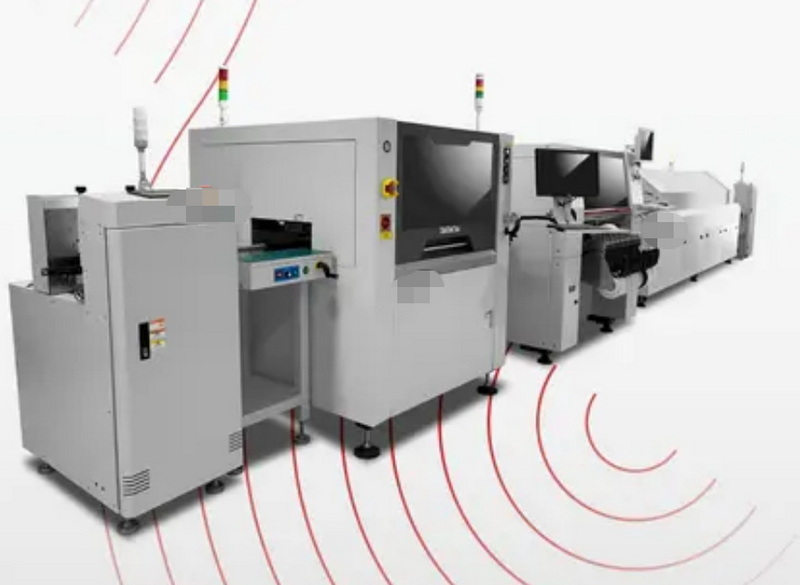
SMT Accessories are support parts essential to assembly lines, including feeders, nozzles, conveyors, magazines, filters, and peripheral tools. They ensure smooth production, accurate placement, and high-quality results in SMT processes.
Accessories interact directly with components and PCBs. If they degrade or misalign, they cause misplacements and stoppages that reduce both FPY and OEE. Well-maintained SMT Accessories help sustain stable performance and maximize uptime.
Replacement frequency depends on operating hours, usage intensity, and environment. Feeder calibration might occur every 3–6 months, while nozzles, filters, and belts may require monthly inspection and replacement based on wear metrics.
SMT Analytics integrates machine and accessory data, revealing trends in feeder errors, mis-picks, or downtime causes. It automatically triggers maintenance alerts, helping engineers schedule timely interventions and optimize spare part usage.
Highlywin delivers a complete ecosystem — high-quality SMT/AI equipment, matched accessories, analytics-driven maintenance, and strong global service support. This ensures customers achieve measurable gains in quality, throughput, and total cost efficiency.


