Your Trusted Partner from Prototyping to Mass Production, Email Us:info@highlymachine.com
Please Choose Your Language


Views: 222 Author: Ann Publish Time: 2025-12-10 Origin: Site


Content Menu
>> Bulk / Vibratory / Bowl SMT Feeders
● Technology Evolution: Mechanical, Electric, Intelligent
● How SMT Feeders Work in a Line
● Choosing SMT Feeders for Your Application
● Maintenance and Reliability of SMT Feeders
● Smart Factory Integration and SMT Feeders
● Practical Tips for SMT Feeder Setup
● Where SMT Feeders Fit in a One‑Stop SMT Solution
● FAQ
>> 2. What are the main types of SMT Feeders?
>> 3. How do intelligent SMT Feeders improve production?
>> 4. How should SMT Feeders be maintained?
>> 5. How do I choose compatible SMT Feeders for my machine?
Surface Mount Technology (SMT) feeders are the backbone of any modern SMT production line, directly determining how efficiently and accurately components are delivered to the pick and place machine. SMT Feeders influence changeover speed, line uptime, placement quality, and overall throughput, so understanding their different types is essential for engineers, buyers, and production managers. SMT Feeders are especially critical in one‑stop SMT solution environments like Highlywin, where equipment, services, and spare parts must work together seamlessly.
SMT Feeders come in several structural and application categories—tape feeders, tray feeders, stick/tube feeders, and bulk/vibratory feeders—alongside technological distinctions such as mechanical, electric, and intelligent SMT Feeders. Each SMT Feeder type is optimized for specific component packaging, size, and production scenarios, so choosing correctly can significantly reduce errors, scrap, and manual intervention. This guide explains the main SMT Feeder types, how they work, where they are used, and how to select and maintain them for high‑performance PCB assembly.
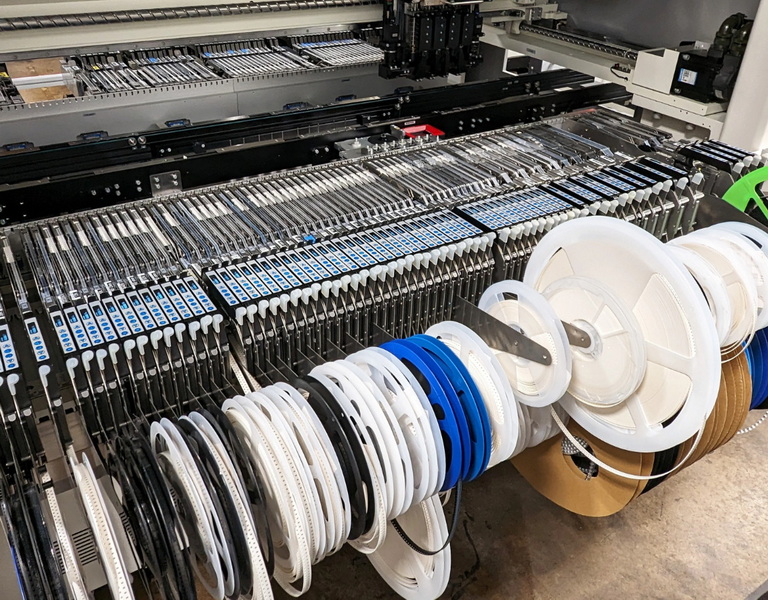
SMT Feeders are devices that store components in their original packaging and advance them precisely to the pick position of an SMT pick and place machine. Typical components include resistors, capacitors, diodes, ICs, and connectors, all of which must be presented at exactly the right location, orientation, and timing for reliable automated pickup.
In an SMT line, multiple SMT Feeders are mounted along feeder carts or banks, forming a component library that the placement machine draws from during production. High‑mix lines may carry dozens or even hundreds of SMT Feeders in parallel, making feeder stability, identification, and ease of setup crucial for overall efficiency.
Different SMT Feeders support different component packaging formats such as reels, trays, tubes, or loose parts. Knowing the strengths and limitations of each SMT Feeder type allows you to align them with product mix and automation level.
The main SMT Feeder categories used in modern SMT lines include tape SMT Feeders, tray feeders, stick/tube feeders, and bulk/vibratory SMT Feeders. Some manufacturers further subdivide them into matrix tray feeders, vibratory stick feeders, and bowl feeders for special components or high‑volume bulk feeding.
Tape SMT Feeders (tape and reel feeders) are the most widely used type in SMT assembly because most chip components and many ICs come in carrier tape. The tape SMT Feeder advances the tape step by step, peels back the cover tape, and presents each component pocket exactly at the pickup position for the nozzle.
Tape SMT Feeders are available in various widths, typically 8 mm, 12 mm, 16 mm, 24 mm, 32 mm, 44 mm, 56 mm and above, and support different pitches to match pocket spacing. Dual‑track 8 mm SMT Feeders can double lane density in compact areas, which is beneficial when many small passive components must be loaded simultaneously on limited feeder slots.
Modern tape SMT Feeders have evolved from older wheel or claw mechanisms to high‑precision electric SMT Feeders. Electric tape SMT Feeders offer higher feeding accuracy, faster speed, compact structure, and better stability, which directly improves placement quality and production efficiency.
Tray SMT Feeders are used for large, delicate, or high‑value components such as BGAs, QFPs, and other fine‑pitch ICs that are not suitable for narrow tape packaging. A tray SMT Feeder holds JEDEC or custom trays and moves them so that each component cavity is positioned under the pickup location.
Tray SMT Feeders are generally divided into single‑layer and multi‑layer designs. Single‑layer tray SMT Feeders mount directly on the placement machine feeder rack and are suitable when only a few trays are needed, while multi‑layer automatic tray SMT Feeders stack multiple trays and feed them in sequence, saving space and enabling longer unattended operation.
Stick or tube SMT Feeders support components packaged in long tubes or sticks, often for certain IC packages, connectors, or specialty parts. Tube SMT Feeders use gravity or mechanical pushers to advance components along the tube so each device arrives at the pick position.
These SMT Feeders are especially useful when the component is not available in tape or tray, or when low to medium volumes make tape packaging uneconomical. Vibratory stick SMT Feeders add vibration to move components along the track more reliably, reducing jamming and manual intervention.
Bulk SMT Feeders handle parts supplied as loose bulk components, often delivered in bags or bins. Vibratory bowl SMT Feeders use a shaped bowl and vibration to orient and singulate components, guiding them into a track so they can be presented individually for pickup.
Bulk SMT Feeders are valuable for low‑cost components where taping would add unnecessary expense, or for mechanical parts such as screws, pins, and some connectors. However, they can be slower and more sensitive to component geometry, so they are typically selected for special applications rather than as primary SMT Feeders for fine electronic parts.
In addition to packaging format, SMT Feeders differ by drive and control technology. Mechanical SMT Feeders rely on purely mechanical indexing driven by the placement machine, while electric and intelligent SMT Feeders integrate motors, electronics, and often communication interfaces.
Electric SMT Feeders use servo or stepper motors to advance tape or trays with high precision and consistent speed. Intelligent SMT Feeders add features such as on‑board memory, ID codes, error detection, and integration with MES or line management software, helping minimize setup mistakes and enhance traceability in smart factory environments.
Every SMT Feeder type follows the same basic principle: component packaging is indexed so the next part is positioned at the pickup point exactly when the placement head arrives. The pick and place machine coordinates SMT Feeder stepping, nozzle movement, and vision alignment to deliver components to the PCB pads.
Placement speed and accuracy depend heavily on the consistency of the SMT Feeder's indexing motion. Poorly performing SMT Feeders can cause mispicks, dropped parts, or misaligned components, resulting in rework, scrap, or unplanned downtime. This is why selecting and maintaining SMT Feeders is as important as choosing the placement machine itself.
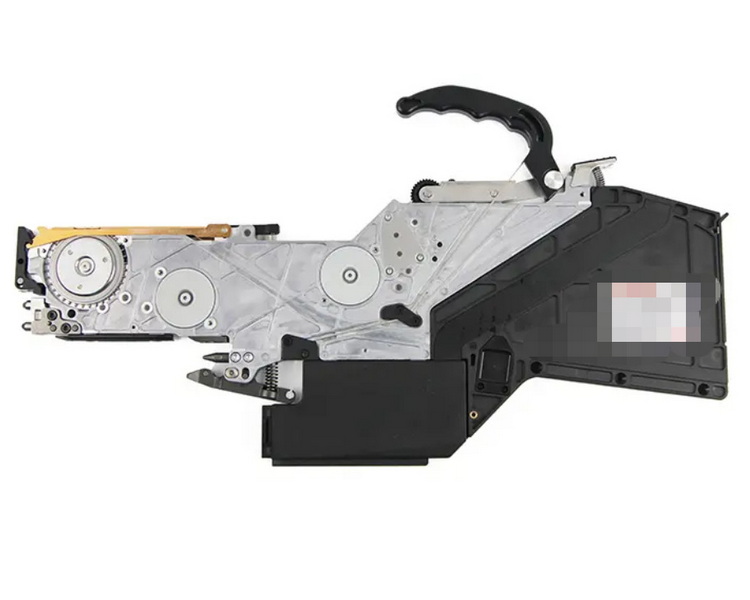
Selecting the right SMT Feeders involves balancing machine compatibility, component range, production type, and budget. Not every SMT Feeder fits every brand or model, so confirming interface, mechanical mounting, and communication protocols is the first step.
Key selection criteria include:
- Production type: For high‑volume lines, electric or intelligent tape SMT Feeders with high speed and stability are ideal, while high‑mix lines benefit from SMT Feeders that support quick, tool‑less changeover.
- Component packaging: Ensure the SMT Feeders support all required tape widths, pitch sizes, tray formats, and tubes used in current and future products.
- Brand compatibility: Align SMT Feeders with platforms from Yamaha, Panasonic, Juki, Fuji, Hanwha/Samsung, ASM, and others as needed.
- Budget and ROI: Intelligent SMT Feeders cost more upfront but can reduce setup errors, labor, and line stoppages, improving long‑term ROI.
For companies like Highlywin that supply SMT/AI equipment, peripherals, and one‑stop SMT solutions, offering matched SMT Feeders, spare parts, and technical support helps customers optimize these criteria without guesswork.
Regular maintenance keeps SMT Feeders running at high performance over long production cycles. Cleaning dust and flux residue, checking springs and tapes, inspecting sensors, and verifying indexing accuracy are all part of routine SMT Feeder upkeep.
Many manufacturers recommend preventive maintenance intervals based on feeding cycles or production hours. Partnering with a supplier that can provide SMT Feeder repair, calibration, and spare parts—as part of a broader SMT service package—ensures that feeders do not become a bottleneck or frequent cause of line downtime.
As factories move toward Industry 4.0 and smart manufacturing, SMT Feeders play a key role in material traceability and digitalization. Intelligent SMT Feeders often include barcode or RFID identification and on‑board memory storing feeder type, component data, and usage history.
When integrated with line management software, SMT Feeders can help validate that the correct component is loaded, reduce setup errors, and feed usage data back into MES or ERP systems for material planning. For global customers seeking one‑stop SMT solutions, integrating intelligent SMT Feeders with Highlywin's equipment and software ecosystem can be a decisive competitive advantage.
Good SMT Feeder setup practices can dramatically cut changeover time and line stoppages. Organizing SMT Feeders on kitting trolleys according to product, color‑coding tape widths, and standardizing feeder locations can streamline operator workflows.
Operators should also verify tape routing, cover tape tension, pitch settings, and pickup position before running full production. Using label printing and digital checklists tied to SMT Feeder IDs further reduces the risk of placing incorrect parts, especially in high‑mix environments.
For a supplier like Highlywin that provides SMT equipment, AI solutions, peripherals, full‑scope SMT services, and spare parts, SMT Feeders are a central product category. Matching SMT Feeders to customer lines, assisting with selection and configuration, and providing long‑term support helps customers build stable, scalable SMT production.
By combining SMT Feeders with placement machines, printers, AOI, conveyors, and intelligent storage, a one‑stop SMT solution provider can deliver optimized, turnkey SMT lines. Offering compatible SMT Feeders for different brands and platforms also helps global customers simplify purchasing and ensure consistent quality across multiple factories.
SMT Feeders may look like simple accessories, but they are critical to performance, yield, and cost in modern SMT production. From tape SMT Feeders that handle high‑speed chip placement to tray SMT Feeders for fine‑pitch ICs and intelligent SMT Feeders that enable smart factory integration, the right feeder choice has a direct impact on your competitiveness.
By understanding the different SMT Feeder types, their functions, and their selection and maintenance requirements, manufacturers can design more efficient lines and reduce unplanned downtime. For global customers looking for one‑stop SMT solutions, partnering with a supplier like Highlywin that can provide SMT Feeders, SMT/AI equipment, peripherals, and professional technical support is the most effective way to unlock the full potential of SMT production.

An SMT Feeder is a device that stores components in their packaging—such as tape, tray, tube, or bulk—and advances them to the pickup position of an SMT pick and place machine. It ensures each part is accurately presented for automated placement on the PCB.
SMT Feeders are essential parts of the SMT line because they directly affect placement speed, accuracy, and material handling efficiency. Without stable SMT Feeders, even the most advanced placement machine cannot maintain high throughput or yield.
The main SMT Feeder types include tape SMT Feeders, tray SMT Feeders, stick/tube SMT Feeders, and bulk or vibratory SMT Feeders. Some vendors also distinguish matrix tray feeders and bowl SMT Feeders for specific component geometries.
Each SMT Feeder type is suited to different packaging formats and component sizes, so most SMT lines use a combination of several SMT Feeder types to cover the full bill of materials. Understanding these types helps engineers allocate components to the most efficient feeder solution.
Intelligent SMT Feeders incorporate electronics, IDs, and sometimes sensors to manage feeding more precisely and communicate with line management software. This allows automatic verification of component type, pitch, and location, reducing human setup errors.
By providing traceability and real‑time status data, intelligent SMT Feeders fit naturally into smart factory concepts and MES integration. They can shorten line preparation time, simplify changeovers, and help maintain high OEE in complex, high‑mix SMT environments.
SMT Feeders should be cleaned regularly to remove dust, tape debris, and flux residues, and mechanical parts such as springs, gears, and guides should be inspected for wear. Periodic calibration of indexing accuracy and sensor checks keeps SMT Feeders operating within specification.
Many manufacturers define maintenance schedules based on cycles or operating hours. Working with an SMT service provider that offers SMT Feeder repair, spare parts, and calibration services helps extend feeder lifetime and avoid quality problems caused by worn or misaligned SMT Feeders.
Choosing compatible SMT Feeders requires checking the brand, model, mechanical interface, and communication protocols of your pick and place machine. Different generations from the same manufacturer may need specific SMT Feeder models even if they look similar.


