Your Trusted Partner from Prototyping to Mass Production, Email Us:info@highlymachine.com
Please Choose Your Language


Views: 222 Author: Ann Publish Time: 2025-12-25 Origin: Site


Content Menu
● Why SMT Feeders Need Calibration
● Common Issues in Uncalibrated SMT Feeders
● Step-by-Step Calibration Process for SMT Feeders
● Essential Tools and Equipment for SMT Feeders Calibration
● Key Benefits of Regular SMT Feeders Calibration
● Recommended Frequency and Best Practices for SMT Feeders Maintenance
● Highlywin's Comprehensive SMT Feeders Solutions
● Advanced Calibration Techniques for Modern SMT Feeders
● Broader Impact on SMT Production Efficiency
>> 1. How often should SMT feeders be calibrated?
>> 2. What tools are needed for SMT feeders calibration?
>> 3. Can SMT feeders calibration be performed in-house?
>> 4. What are the primary signs of miscalibrated SMT feeders?
>> 5. Does Highlywin offer SMT feeders calibration services?
Regular calibration of SMT feeders ensures precise component feeding in SMT assembly lines, minimizing defects and downtime. Highlywin, a leading provider of SMT/AI/peripheral equipment and comprehensive SMT services, emphasizes this critical maintenance practice for global clients seeking one-stop SMT solutions.

SMT feeders are essential components in surface mount technology production lines, delivering electronic components like resistors, capacitors, and integrated circuits accurately to pick-and-place machines. Without regular calibration, SMT feeders can develop inaccuracies due to mechanical wear, constant vibration from high-speed operations, or environmental factors such as temperature fluctuations and dust accumulation. These issues lead to misalignment during component pickup, resulting in placement errors, increased scrap rates, and unexpected production halts that directly impact overall equipment effectiveness (OEE).
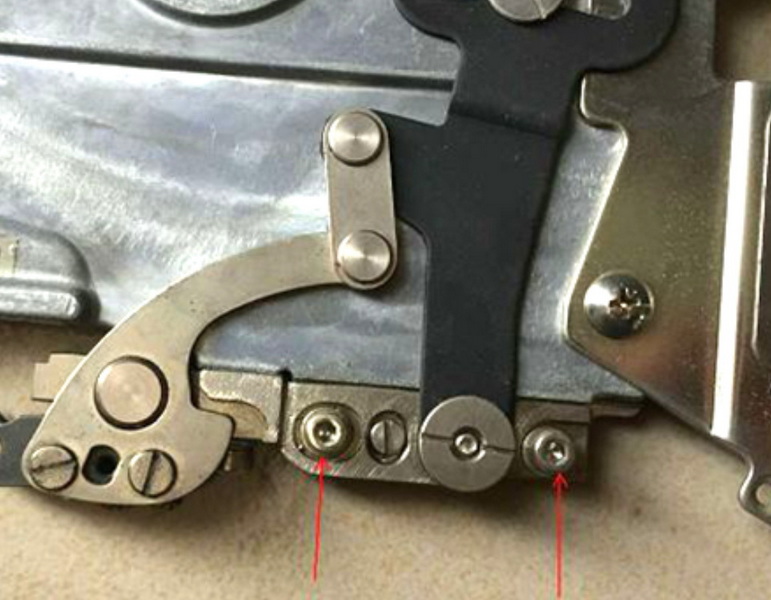
Proper calibration of SMT feeders aligns the feeding mechanism, sensors, and tape guides to manufacturer specifications, typically maintaining tolerances within ±0.25mm for optimal performance. Highlywin's expertise in SMT feeders maintenance helps clients sustain peak efficiency across various feeder types, including vibratory, pneumatic, tape, tray, and intelligent SMT feeders designed for modern smart factories. Visual inspections during calibration reveal subtle problems like bent bases, worn eccentric screws, or loose indexing pins early, preventing minor issues from escalating into major failures.
Frequent calibration of SMT feeders also ensures compliance with industry standards set by leading manufacturers such as Fuji, Yamaha, Siemens, and Panasonic. Neglecting SMT feeders calibration can cause defect rates to rise by up to 30% in high-volume production runs, while consistent maintenance extends equipment lifespan by 20-30%, reducing long-term capital expenditures.
Misaligned SMT feeders often exhibit symptoms like inconsistent tape advancement, where components skip positions or jam in the peel-off zone due to improper tension or guide misalignment. Dust buildup and mechanical wear from repetitive cycles exacerbate these problems, causing SMT feeders to deliver components off-center by mere microns that accumulate into significant millimeters over extended runs. Pick-and-place heads then struggle to grasp parts reliably, triggering frequent alarms, emergency stops, and operator interventions that disrupt workflow.
Sensor drift is another prevalent issue in SMT feeders, particularly in optical or mechanical sensors that lose accuracy over time, leading to false readings of tape holes, component presence, or feeder status. This is especially common in high-speed SMT feeders handling tape widths from 8mm to 72mm, where even slight deviations amplify errors. Production floor vibrations further misalign SMT feeders' Y-axis pickup points and X-axis offsets, compounding inaccuracies.
Over time, uncalibrated SMT feeders contribute to higher reject rates, with industry data indicating 15-20% productivity losses and increased抛料 (tombstoning or bridging defects). Thermal expansion in high-temperature environments or humidity variations also affects SMT feeders, necessitating vigilant periodic checks to maintain reliability.
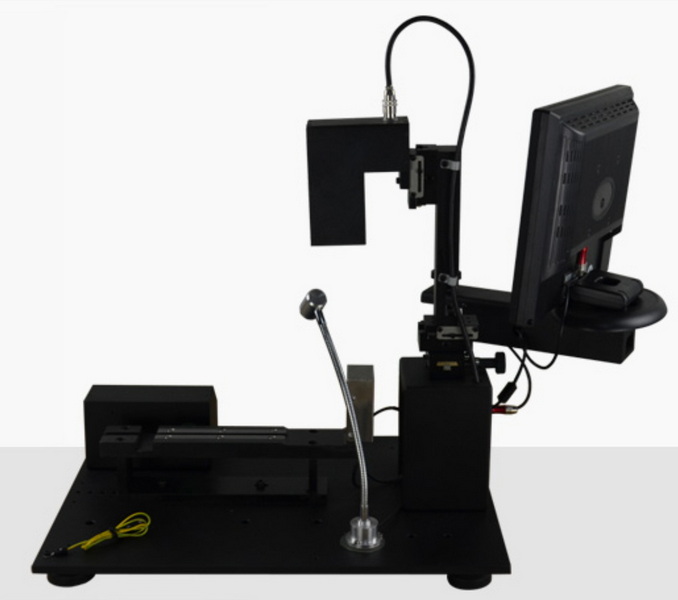
Calibrating SMT feeders starts with preparing the workstation: install the appropriate sub-base on a dedicated calibration jig, such as those optimized for Fuji NXT or Yamaha models. Slide the sub-base onto the alignment pin, secure it firmly, and insert a master gauge to zero the digital micrometers along both X and Y axes. This establishes a precise baseline for all subsequent SMT feeders measurements, ensuring traceability.
Next, load a standardized steel tape into the SMT feeder—matching common widths like 8mm, 12mm, 24mm, or 44mm—and advance it either manually or via the cam mechanism for CP-style SMT feeders. Employ a tool scope or CCD camera with 50x magnification to center the tape hole precisely on the crosshairs; fine-tune the eccentric screw for Y-axis alignment and adjust micrometers to correct X deviations. If the X offset exceeds 0.25mm, inspect the SMT feeder base for bending or warping, which may require professional straightening or replacement. Highlywin provides these precision jigs and comprehensive training programs to enable seamless in-house SMT feeders calibration.
For automated or intelligent SMT feeders, such as Siemens Siplace or Panasonic models, initiate the self-calibration sequence via the machine's HMI interface, inputting specific component dimensions, pitch, and polarity data before verifying with multiple test cycles. Post-adjustment, apply manufacturer-recommended lubricants to moving parts like gears, belts, and slides to minimize future drift in SMT feeders. Document all readings, including before-and-after measurements, torque values, and photos for quality audits and trend analysis.
Finally, validate the calibrated SMT feeder through a rigorous test run of at least 100-500 cycles, monitoring for jams, offsets, or irregular feeding patterns. For multi-lane or stick SMT feeders, repeat the process lane-by-lane. When performed quarterly or as per usage thresholds, this methodical approach guarantees long-term reliability of SMT feeders across diverse production scenarios.
A comprehensive toolkit for SMT feeders calibration includes high-precision digital micrometers (0.001mm resolution), CCD vision scopes with adjustable LED ring lighting for shadow-free imaging, and specialized alignment jigs tailored to feeder series like CP4/CP6, IP/QP, or H12 styles. Highlywin stocks these tools alongside steel calibration tapes in various widths to simulate real-world component feeding accurately.
Advanced setups incorporate software-integrated calibrators for data logging, real-time adjustments, and predictive analytics on modern intelligent SMT feeders. Vibration analyzers and laser alignment tools detect early wear in motors, encoders, and drive mechanisms. For Yamaha SMT feeders, dedicated hex drivers, torque wrenches, and eccentric adjustment kits are indispensable.
Highlywin's one-stop SMT solutions extend to rental calibration kits, mobile service vans, and on-site deployment for global clients, minimizing downtime associated with SMT feeders maintenance and ensuring compliance with ISO standards.
Scheduled calibration dramatically boosts SMT feeders accuracy, slashing placement errors by 40-50% and elevating first-pass yields to over 99% in optimized lines. Production facilities with meticulously calibrated SMT feeders achieve substantially higher units per hour (UPH) rates, a competitive edge in fast-paced electronics manufacturing.
The financial advantages are compelling: fewer rejects, reduced scrap, and averted stoppages make routine SMT feeders checks highly cost-effective, with one prevented major downtime incident often offsetting an entire year's service budget. Extended service life of SMT feeders lowers capital expenditure (CapEx) needs, while data-driven insights from calibration logs enable continuous process improvements via statistical process control (SPC).
From an environmental perspective, precise SMT feeders operation minimizes material waste and energy consumption, supporting sustainable manufacturing goals. Integration with AI vision systems further refines feedback loops, making calibrated SMT feeders the cornerstone of Industry 4.0 smart factories.
Calibrate SMT feeders every 3-6 months or after accumulating 10,000 operating hours, with high-mix or high-volume lines demanding monthly verifications to counteract rapid wear. Embed SMT feeders calibration into broader preventive maintenance (PM) schedules, aligning with screen printer and reflow oven cycles for holistic line efficiency.
Adopt cleanroom protocols: degrease SMT feeders with isopropyl alcohol (IPA), inspect and replace worn belts or O-rings, and torque all fasteners to OEM specifications. Leverage AI-driven monitoring systems for proactive alerts on SMT feeders anomalies, such as vibration spikes or feed rate deviations. Highlywin's 24/7 global support network delivers rapid response, including remote diagnostics for intelligent SMT feeders.
Operator training is paramount—educate staff on gentle handling of SMT feeders, proper tape loading techniques, and error code interpretations to prevent accidental damage. Maintain digital logs of calibration history to forecast failures and optimize spare parts inventory.
As a trusted seller of premium SMT equipment, Highlywin offers fully compatible SMT feeders from Fuji, Yamaha, Siemens, and more, bundled with expert calibration services and genuine spare parts stocked in regional warehouses worldwide. Our portfolio spans full SMT production lines, including AI optical inspection, peripherals, and turnkey integration.
Highlywin engineers conduct on-site SMT feeders calibration using proprietary jigs and certified tools, delivering detailed reports with actionable recommendations. Partner with us for customized maintenance contracts that elevate your SMT feeders performance, ensuring uninterrupted operations for discerning global clients.
Contemporary SMT feeders feature auto-calibration routines with embedded vision systems and machine learning algorithms, yet manual verification remains essential for sub-micron precision. Employ laser interferometers or non-contact CMM (coordinate measuring machines) for high-end SMT feeders in aerospace or medical applications.
IoT-enabled sensors on SMT feeders facilitate remote monitoring and over-the-air (OTA) adjustments, transmitting real-time data to cloud platforms for fleet-wide analysis. Predictive maintenance models analyze vibration signatures, temperature profiles, and feed cycles to preemptively schedule SMT feeders calibrations, slashing unplanned downtime by up to 70%.
Highlywin pioneers these integrations, retrofitting legacy SMT feeders with smart upgrades for seamless transition to digital factories.
Calibrated SMT feeders synchronize flawlessly with placement nozzles, conveyor systems, and downstream inspection stations, trimming cycle times and enabling true high-mix/low-volume flexibility. Reliable SMT feeders adeptly manage diverse component reels—from tiny 0201 passives to large QFNs—without excessive changeovers.
Industry benchmarks confirm 20-30% throughput gains and 15% OEE uplift from diligent SMT feeders care, positioning manufacturers ahead in volatile markets.
Regular calibration of SMT feeders stands as an indispensable pillar for upholding precision, efficiency, and reliability in SMT assembly operations. By proactively addressing wear, misalignment, and sensor drift, it averts costly disruptions, optimizes yields, and future-proofs production lines. Highlywin empowers your success with unparalleled SMT feeders expertise, equipment, and services—delivering one-stop solutions for thriving global manufacturing.
SMT feeders require calibration every 3-6 months or after 10,000 hours of operation, with more frequent checks in high-mix environments to sustain peak accuracy and prevent defects.
Essential tools encompass calibration jigs, digital micrometers, CCD scopes, steel tapes matched to tape widths, and torque wrenches for precise alignment of SMT feeders components.
Yes, equipped with proper jigs and trained personnel, in-house SMT feeders calibration is viable; Highlywin advises periodic professional audits for mission-critical production lines.
Indicators include frequent component jams, placement offsets, elevated reject rates, erratic tape advancement, and persistent machine alarms during SMT feeders use.
Absolutely—Highlywin provides worldwide on-site calibration, spare parts logistics, training programs, and full-line support for all major SMT feeders brands within our one-stop ecosystem.


