Your Trusted Partner from Prototyping to Mass Production, Email Us:info@highlymachine.com
Please Choose Your Language


Views: 222 Author: Ann Publish Time: 2025-12-30 Origin: Site


Content Menu
>> Tape Feeders
>> Tube Feeders
>> Tray Feeders
>> Bulk Feeders
● How to Choose the Right SMT Feeder
>> 2. Component Type and Feeder Pitch
>> 4. Maintenance and Durability
>> 5. Data Connectivity and Smart Functions
● Core Features to Look for in a Modern SMT Feeder
● Benefits of Using High-Quality SMT Feeders
● SMT Feeder Maintenance Best Practices
● Common Mistakes When Buying SMT Feeders
● SMT Feeder Trends and Technological Innovations
● Why Choose Highlywin for SMT Feeders
● FAQ
>> 1. What is the main role of an SMT Feeder?
>> 2. Can I use feeders from different brands on the same line?
>> 3. How long does an SMT Feeder last?
>> 4. What is an intelligent SMT Feeder?
>> 5. Does Highlywin provide technical training for feeder setup?
In today's rapidly evolving electronics manufacturing industry, Surface Mount Technology (SMT) has become the foundation of precision, efficiency, and scalability. For small to medium enterprises (SMEs), selecting reliable SMT equipment, especially the SMT Feeder, is a decision that heavily influences production speed, assembly quality, and cost-effectiveness.
At Highlywin, we specialize in offering comprehensive SMT solutions — including SMT/AI/peripheral equipment, spare parts, consultancy, and after-sales service — to help global manufacturers build high-performance, efficient production environments. This guide explores everything SMEs need to know about SMT Feeders, from basic functions to advanced features, buying considerations, and maintenance best practices.

An SMT Feeder is a mechanical device designed to feed components into an SMT placement machine. It acts as a supply chain within the production line, delivering parts like resistors, capacitors, IC chips, and connectors to the pick-and-place head for accurate placement onto a printed circuit board (PCB).
The core function of a feeder is to ensure component availability, maintain alignment, and achieve continuous feeding without error. A well-calibrated feeder minimizes component loss, misalignment, or downtime — directly contributing to higher production yields.
SMT Feeders come in various configurations to support different packaging types, such as tape, tube, or tray, and they are tailored to the specific brand and model of pick-and-place machines from manufacturers like Yamaha, Juki, Panasonic, Fuji, and Siemens.
Choosing the right feeder type is one of the first and most critical steps for any SME setting up or upgrading an SMT production line. Each feeder offers unique advantages and is suited for particular component types or production volumes.
Tape feeders are the most common and widely used type in automated SMT assembly lines. They supply components stored in tapes and reels, automatically advancing them for pickup by the placement nozzle.
Advantages:
- High automation level with precise positioning.
- Ideal for high-speed, continuous assembly.
- Compatible with a broad range of component sizes.
Most modern tape feeders come with sensor-based indexing mechanisms to detect component positions and ensure accurate delivery.
Tube feeders handle components packaged in tubes, such as ICs, connectors, or transistors. They are generally used for small-batch production or specific components that are not available in tape form.
Advantages:
- Simple mechanical design and low cost.
- Perfect for low-volume or experimental production runs.
- Easy to load and unload components without waste.
Tray feeders, also called matrix or JEDEC tray feeders, handle large or delicate components such as BGAs (Ball Grid Arrays) or microprocessors. These feeders are slower but more precise, ensuring gentle handling to prevent damage.
Advantages:
- Precise alignment for large and complex components.
- Reduced risk of component deformation.
- Best option for fine-pitch parts and ICs.
Bulk feeders deliver components stored loosely in bulk containers. These are less common but increasingly used for ultra-high-speed systems that integrate advanced sorting and orientation technologies.
Advantages:
- Cost-efficient for very small passive components.
- Reduces packaging waste.
- Supports automatic refill with minimal human intervention.
In the era of Industry 4.0, intelligent SMT Feeders are becoming the standard. They feature microchips or barcodes that store information such as reel ID, component type, and last feeder status.
Advantages:
- Real-time monitoring and traceability.
- Error-free setup using software recognition.
- Integration with ERP or MES systems for inventory tracking.
Highlywin offers a wide selection of intelligent SMT Feeders compatible with multiple brands, ensuring seamless integration and data synchronization.
Selecting the ideal SMT Feeder requires balancing performance, compatibility, and long-term efficiency. SMEs, in particular, must make decisions that maximize both productivity and budget utilization.
Each feeder is designed for a specific placement machine. Always verify interface standards and communication protocols before purchasing. For example, Yamaha feeders are not directly compatible with Panasonic machines unless a conversion kit is used.
Feeders come in different tape widths or “pitches” — typically 8mm, 12mm, 16mm, 24mm, or larger — depending on the component size. For mixed product lines, select a feeder bank that accommodates multiple pitch configurations or modular feeder banks that allow quick swaps.
For high-speed assembly lines, feeder indexing accuracy and mechanical stability are critical. Look for feeders with micro-motor drive systems or electronic indexing control, which ensure consistent pitch advancement and reduce misfeeds.
Low-quality feeders often suffer from calibration drift or mechanical wear after extended use. SMEs should prioritize robust metallic structures, anti-static materials, and feeders that allow simple part replacement without full disassembly.
Smart feeders provide digital control, feeder recognition, and real-time input for performance analytics. They are invaluable for scaled operations where traceability and OEE (Overall Equipment Effectiveness) monitoring are essential.
SMEs must evaluate the balance between initial investment and long-term reliability. Highlywin provides both original feeders and high-quality compatible feeders, ensuring clients can choose the best solution according to their budget and production scale.
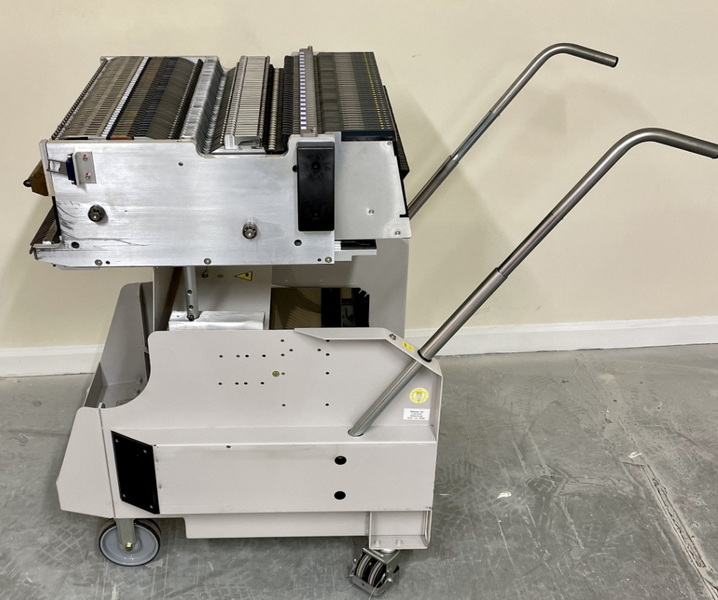
To ensure your feeders meet current industry standards and remain future-proof, consider these modern enhancements:
1. Quick Loading Mechanism: Reduces operator time when changing reels or tapes.
2. Lightweight Frame: Aluminum or composite material feeders are easier to handle.
3. Anti-static Surface Treatment: Protects sensitive electronic components.
4. Sensor Feedback System: Detects component jams or misfeeds instantly.
5. Digital Identification: Smart ID chips for feeder recognition and setup logs.
6. Error-Detection Algorithm: Automated alignment correction for consistent placement.
These improvements have revolutionized factory efficiency by eliminating extended downtimes and improving first-pass yield.
For SMEs, investing in a high-performance SMT Feeder is more than a quality choice — it is a strategic move that improves every aspect of the production line.
- Enhanced Operational Stability: Fewer misfeeds and smoother component flow reduce machine stoppages.
- Higher Productivity: Consistent feeding supports continuous high-speed component placement.
- Improved Product Quality: Better component alignment translates into stronger, more reliable solder joints.
- Faster Changeovers: Modular feeder setups allow rapid reel changes for multiple product models.
- Lower Total Cost: Robust design minimizes replacement frequency and maintenance expense.
- Data Transparency: Intelligent feeders enable performance tracking and quality analysis in real-time.
SMEs that standardize with advanced SMT Feeders often achieve noticeable performance gains, sometimes improving throughput by more than 20%.
Even the most advanced feeder requires regular maintenance for peak performance. Neglecting basic cleaning or calibration can lead to component waste and production interruptions.
Here are key maintenance tips recommended by Highlywin technicians:
1. Routine Cleaning: Wipe each feeder after production runs to remove tape dust or adhesive residue.
2. Lubrication: Apply appropriate lubricant on gears and moving parts monthly.
3. Calibration: Recheck indexing position using standard calibration tools after long operational shifts.
4. Inspection: Monitor tension springs and feed rollers for wear or cracks.
5. Storage Environment: Always store feeders in anti-static racks, away from moisture and dust.
6. Software Updates: For intelligent feeders, update the firmware regularly for improved functionality.
Consistent servicing extends feeder lifespan and prevents gradual accuracy degradation — both essential for consistent SMT line quality.
Understanding what to avoid can save SMEs substantial time and resources. Some frequent mistakes include:
- Ignoring Compatibility: Buying feeders without checking machine and control software compatibility causes operational errors.
- Choosing Based on Low Price Alone: Cheap feeders may lead to frequent breakdowns or feed irregularities.
- Neglecting Spare Parts Availability: Lack of replacement parts can force early retirement of functioning feeders.
- Skipping Calibration Checks: Uncalibrated feeders can damage parts or degrade PCB spacing accuracy.
- Overlooking After-Sales Support: Technical support is crucial, particularly for startups transitioning from manual processes to full SMT automation.
Selecting a reputable supplier like Highlywin, which offers ongoing support, training, and spare part stock, ensures long-term stability.
The SMT feeder market continues to evolve as technology advances toward greater automation and data integration. Modern trends include:
- AI-Assisted Placement Optimization: Smart feeders now analyze feeding time and automatically adjust delivery synchronization.
- Wireless Connectivity: Remote control and feeder diagnostics via mobile apps or PC interfaces.
- Feeder Management Systems (FMS): Centralized monitoring platforms that display feeder status, remaining component quantity, and maintenance alerts.
- Integrated Sensor Networks: Feeders equipped with vibration and alignment sensors enhance real-time precision.
- Eco-Friendly Design: Use of recyclable materials and energy-efficient motors for sustainable production.
These innovations empower SMEs to compete with larger manufacturers by improving production intelligence and line efficiency.
Highlywin is more than just an equipment supplier — we are a global technology partner specialized in building complete SMT ecosystems for small to medium manufacturers.
- Complete Product Range: SMT, AI, and peripheral equipment with versatile feeder options.
- Flexible OEM/ODM Services: Customized feeder solutions tailored to your production requirements.
- Global Spare Part Supply: Fast replacement and minimal downtime.
- Technical Expertise: Online guidance, training, and on-site installation assistance.
- Affordable Pricing: Quality options suited for all budget levels.
Highlywin's team works closely with clients to evaluate production goals, recommend compatible feeders, and implement cost-effective strategies that enhance productivity.
For small and medium-sized enterprises, choosing the right SMT Feeder represents a crucial investment in long-term growth. Feeders influence not only production efficiency but also product quality, cost control, and scalability.
By understanding feeder types, focusing on compatibility and durability, and implementing proper maintenance practices, businesses can achieve smooth, error-free SMT operations.
At Highlywin, we believe in empowering manufacturers through accessible, innovative, and high-quality SMT equipment. With our one-stop supply and service solutions, your factory can achieve modern production automation without unnecessary complexity or cost.
Your path to efficient SMT assembly begins with the right SMT Feeder—and Highlywin is ready to guide you every step of the way.
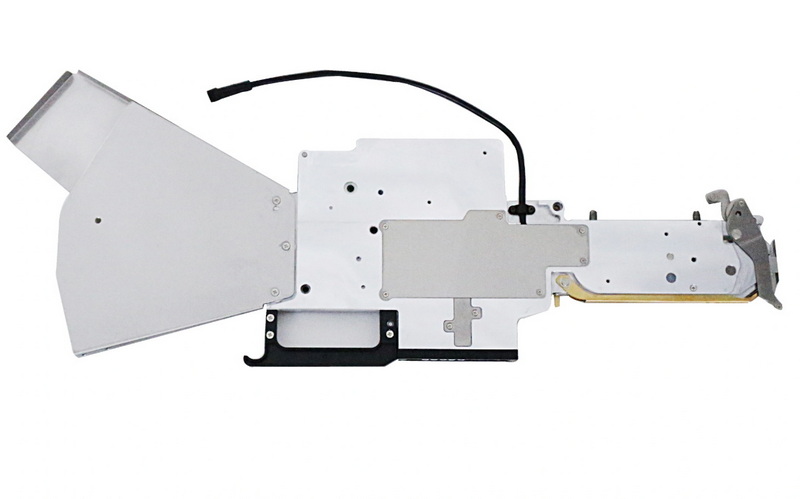
An SMT Feeder supplies and positions components for the pick-and-place machine, ensuring constant material flow during SMT assembly without manual interference.
Not directly. Feeders must be compatible with the specific machine model. However, Highlywin offers conversion solutions for cross-brand compatibility in some setups.
With proper maintenance and cleaning, a high-quality feeder can last 5–10 years or more, depending on usage frequency and environment stability.
An intelligent SMT Feeder includes electronic tracking and digital ID chips for automatic part recognition, feeder setup verification, and real-time monitoring.
Yes. Highlywin provides global online and on-site support, helping clients install, calibrate, and maintain feeders for optimal production results.


