Your Trusted Partner from Prototyping to Mass Production, Email Us:info@highlymachine.com
Please Choose Your Language


Views: 222 Author: Ann Publish Time: 2026-01-21 Origin: Site


Content Menu
● Core Principles of Preventive Maintenance
● Daily Maintenance of SMT Machines
● Weekly and Monthly Deep Maintenance
● Annual Overhaul and Professional Service
● Cleaning Strategy for SMT Machines and Support Equipment
● Environment, ESD, and Operating Conditions
● Spare Parts Strategy for SMT Machines Longevity
● Operator Training and Maintenance Culture
● Digital Tools and Condition Monitoring for SMT Machines
● Role of a One-Stop SMT Partner (Highlywin)
● FAQ
>> 1. What is the ideal maintenance frequency for SMT machines?
>> 2. How can preventive maintenance reduce downtime on SMT machines?
>> 3. Which components of SMT machines are most critical to maintain?
>> 4. What environmental conditions are best for SMT machines?
Proper maintenance of SMT machines is the most effective way to extend equipment life, stabilize yield, and reduce unplanned downtime in modern electronics production lines. By combining systematic preventive maintenance, trained operators, and a well-managed spare parts strategy, manufacturers can significantly increase the longevity and productivity of their SMT machines.
Although images and videos are not embedded in this text, you can enhance the article on your website by adding factory photos, workflow diagrams, and short training videos that match each section. These visuals will help customers better understand how SMT machines maintenance protects their investment and supports continuous production.

SMT machines are high-precision systems that run at high speed and handle thousands of placements per hour, so even small issues can quickly become costly failures. A structured maintenance program keeps these SMT machines within specification, ensuring consistent accuracy, lower scrap, and fewer line stoppages.
Robust maintenance for SMT machines brings clear benefits:
- Longer equipment life and delayed capital replacement.
- Reduced unplanned downtime and more predictable production planning.
- Improved placement accuracy and solder quality, boosting overall yield.
- More stable OEE (Overall Equipment Effectiveness) across the entire SMT line.
For companies running multiple SMT lines in different shifts, disciplined maintenance is also essential to keep process capability stable and to maintain long-term customer confidence.
Preventive maintenance for SMT machines should be systematic, documented, and tailored to your actual production load. Instead of waiting for breakdowns, the goal is to detect wear, contamination, and drift early and correct them before they affect quality or uptime.
Core principles for SMT machines longevity include:
- Plan-driven maintenance: Create a clear maintenance schedule (daily, weekly, monthly, yearly) for all SMT machines in the line, and align it with production shift patterns.
- Standardized procedures: Use checklists and SOPs to ensure operators and technicians follow the same steps every time, minimizing individual variation.
- Data and logs: Record every maintenance event for each SMT machine, including issues found, parts replaced, and calibration results, so you can analyze trends over time.
- Risk-based focus: Prioritize maintenance on critical SMT machines and modules that have the highest impact on quality and throughput.
When preventive maintenance is implemented with discipline, it becomes part of the normal production rhythm rather than an occasional disruption.
Daily tasks focus on keeping SMT machines clean, safe, and ready for stable production over each shift. These steps are usually performed by operators and shift leaders rather than senior engineers.
Typical daily maintenance tasks for SMT machines:
- Visual inspection of pick-and-place SMT machines for loose screws, unusual noise, or vibration.
- Cleaning dust and solder paste residues from covers, conveyor surfaces, and the work area around the SMT machines.
- Checking air pressure, vacuum levels, and major status indicators on SMT machines before starting the shift.
- Verifying feeders are correctly seated and that tape runs smoothly on SMT machines feeders.
- Ensuring ESD protection (wrist straps, mats, grounding) is in place around SMT machines and operators.
- Confirming that emergency stops and safety interlocks on SMT machines function properly.
Daily attention to these details prevents small problems from turning into bigger failures and keeps operators closely engaged with the health of their SMT machines.
Weekly and monthly maintenance focuses on cleaning, lubrication, and calibration that require more time and often technician-level skill. These tasks help keep SMT machines running smoothly and within mechanical and optical tolerances.
Typical weekly tasks for SMT machines:
- Clean and inspect nozzles thoroughly, replacing worn or damaged nozzles that affect pickup rates.
- Inspect and clean feeders used on SMT machines, including tape paths, springs, and sensors.
- Light lubrication of linear guides and moving parts with OEM-approved lubricants for SMT machines.
- Checking the condition of vacuum lines and seals on SMT machines and replacing any that are cracked or leaking.
Typical monthly tasks for SMT machines:
- Deep cleaning of internal areas, including X–Y modules, belts, and motors of SMT machines.
- Checking and tightening fasteners, brackets, and cable connections inside SMT machines.
- Calibration of cameras, alignment systems, and placement accuracy on pick-and-place SMT machines using test boards and reference components.
- Verifying software parameters and backup procedures, ensuring that SMT machines configuration data is safely stored.
These periodic tasks provide an opportunity to reset performance, identify gradually developing issues, and keep SMT machines running close to factory-new condition.
Even with strong in-house preventive maintenance, SMT machines benefit from periodic professional overhauls performed by certified technicians. These service visits can include component-level inspection, firmware updates, and advanced diagnostics that are not part of daily or weekly work.
Typical annual or bi-annual actions for SMT machines include:
- Full inspection and recalibration of all axes, cameras, and vision systems of SMT machines.
- Replacement of wear-prone parts such as belts, bearings, filters, and selected motors on SMT machines according to OEM schedules.
- Verification and update of system software, firmware, and machine parameters on SMT machines.
- Detailed health reports for each SMT machine, including recommendations for future upgrades or retrofits.
By planning annual overhauls during low-demand periods, factories can avoid last-minute shutdowns and keep SMT machines stable across multiple product generations.
Cleanliness is critical for SMT machines because dust, flux, and paste residue can impact sensors, vacuum systems, and motion components. Each type of SMT machine and support unit requires specific cleaning tools and chemicals.
Key cleaning best practices for SMT machines:
- Use lint-free wipes and compatible solvents to clean the surfaces and nozzles of SMT machines, following OEM chemical compatibility lists.
- Avoid corrosive or aggressive chemicals that can damage plastics, seals, or coatings on SMT machines.
- Regularly clean conveyors, clamps, and PCB supports inside SMT machines to avoid misalignment and contamination.
- Ensure that cleaning does not introduce fibers or particles that can interfere with optical sensors on SMT machines.
Support equipment cleaning around SMT machines:
- Stencil printers: Clean squeegees, stencils, and underside cleaning paper frequently to avoid bridging and solder paste smearing.
- Reflow ovens: Remove flux residue, clean interior surfaces, and check fans and filters to protect downstream SMT machines from contamination and maintain thermal profiles.
- AOI and SPI systems: Clean lenses, mirrors, and lighting modules to maintain inspection accuracy alongside SMT machines.
A documented cleaning plan that covers SMT machines and all peripheral equipment is essential to maintain repeatable quality on the production line.
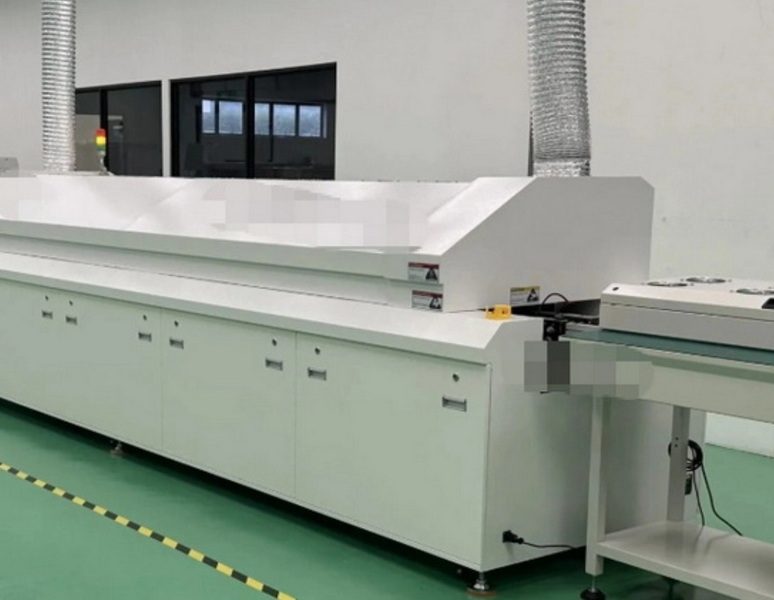
The environment around SMT machines directly affects component quality and machine reliability. Controlling temperature, humidity, and ESD is essential to prevent failures in SMT machines and on assembled boards.
Environmental best practices for SMT machines:
- Maintain temperature and humidity within OEM-recommended ranges to protect SMT machines and sensitive components.
- Use proper air filtration and dust control to avoid contamination on SMT machines and PCBs.
- Ensure comprehensive ESD control: grounded floors, mats, wrist straps, ionizers, and correct clothing around SMT machines.
Operating conditions for SMT machines:
- Avoid frequent emergency stops and sudden power cuts, as these stress mechanical and control systems of SMT machines.
- Ensure stable, dry, and filtered compressed air supply for SMT machines, and monitor dew point and pressure continuously.
- Monitor machine alarms, diagnostic messages, and log files, addressing root causes quickly on SMT machines instead of simply resetting errors.
A stable and controlled environment extends not only the life of SMT machines but also the reliability of final electronic products.
Spare parts management is a major factor in reducing downtime and keeping SMT machines stable over their lifetime. A good strategy balances stock cost with the risk of long lead times when SMT machines fail.
Spare parts priorities for SMT machines:
- High-usage consumables: nozzles, filters, belts, vacuum cups, and feeder parts for SMT machines.
- Critical long-lead parts: cameras, servo motors, controllers, and special sensors on SMT machines.
- Standard parts: fuses, relays, buttons, and connectors that frequently fail on SMT machines.
Management tips for SMT machines spare parts:
- Track usage history and mean time between failures for major parts on SMT machines, and use this data to set minimum stock levels.
- Classify parts by criticality and lead time so production planners understand the risk if SMT machines fail.
- Build framework agreements with reliable partners that can deliver SMT machines spare parts and support quickly across different regions.
- Periodically review obsolete parts and upgrade kits to keep older SMT machines compatible with new components or processes.
With a strategic spare parts plan, factories can transform unexpected line stops into controlled maintenance windows, significantly strengthening the uptime of SMT machines.
Human factors are as important as hardware when it comes to maintaining SMT machines for longevity. Well-trained operators can detect early signs of trouble and perform basic maintenance before failures occur on SMT machines.
Key aspects of operator training on SMT machines:
- Understanding machine interfaces, alarms, basic troubleshooting steps, and start/stop sequences for SMT machines.
- Learning proper nozzle, feeder, and tray handling to avoid mechanical damage to SMT machines tooling.
- Following ESD, safety, and cleaning procedures around SMT machines consistently across all shifts.
- Being familiar with standard product changeover processes to avoid incorrect setups on SMT machines.
Building a maintenance culture for SMT machines:
- Encourage operators to report unusual sounds, vibrations, mispicks, or recurring errors from SMT machines immediately.
- Reward teams for low-downtime performance and consistent use of checklists on SMT machines.
- Integrate maintenance KPIs (downtime, mean time to repair, maintenance compliance) into regular reviews for SMT machines.
- Promote cross-training so operators, technicians, and process engineers understand each other's roles in maintaining SMT machines.
A strong culture around SMT machines maintenance turns each team member into a stakeholder in equipment health, ensuring continuous improvement and higher reliability.
Modern SMT factories increasingly use digital tools to enhance maintenance of SMT machines. By collecting and analyzing machine data in real time, maintenance teams can move from purely interval-based maintenance to condition-based and predictive strategies.
Ways digitalization supports SMT machines maintenance:
- Real-time dashboards displaying status, alarms, and key performance indicators for all SMT machines in the line.
- Automatic logging of error codes, cycle counts, and utilization, helping identify patterns that indicate developing issues.
- Integration with CMMS (Computerized Maintenance Management System) to schedule, assign, and track work orders for SMT machines.
- Use of sensors to monitor vibration, temperature, or air consumption in critical modules of SMT machines.
Benefits of data-driven maintenance for SMT machines:
- Earlier detection of wear, reducing risk of catastrophic failures and long downtime.
- More accurate planning of spare parts inventory based on actual usage and condition of SMT machines.
- Better root-cause analysis when problems occur, supported by detailed histories of operating parameters.
By combining traditional preventive maintenance with digital monitoring, factories can further extend the life and stability of their SMT machines.
For many factories, partnering with a one-stop SMT solutions provider simplifies the management of complex SMT machines lines. A partner like Highlywin, which supplies SMT/AI/peripheral equipment plus global service and spare parts, can help maintain SMT machines throughout their life cycle.
How a one-stop SMT machines partner adds value:
- Equipment selection and line design optimized for your product mix, capacity, and automation level, ensuring each SMT machine is correctly sized and specified.
- Installation, commissioning, and on-site training tailored to your SMT machines and production processes.
- Long-term technical support, remote diagnostics, and fast spare parts supply for SMT machines worldwide.
- Assistance with process optimization, line balancing, and upgrades, helping SMT machines stay competitive as technologies evolve.
By working with a partner focused on SMT machines, manufacturers can reduce integration risk, shorten ramp-up time, and ensure that maintenance practices align with industry best standards.
Extending the longevity of SMT machines requires more than occasional repairs; it demands a disciplined, data-driven maintenance strategy that covers daily care, scheduled deep maintenance, environment control, and skilled operators. When preventive maintenance is supported by robust spare parts management and digital monitoring, SMT machines can run more reliably and produce consistently high-quality assemblies.
By combining internal preventive routines with strong external support from a one-stop SMT partner such as Highlywin, manufacturers can keep SMT machines running at peak performance, reduce total cost of ownership, and ensure stable output for years. In a market where delivery reliability and quality are critical, professional maintenance of SMT machines becomes a strategic advantage rather than just a technical task.
Contact us to get more information!
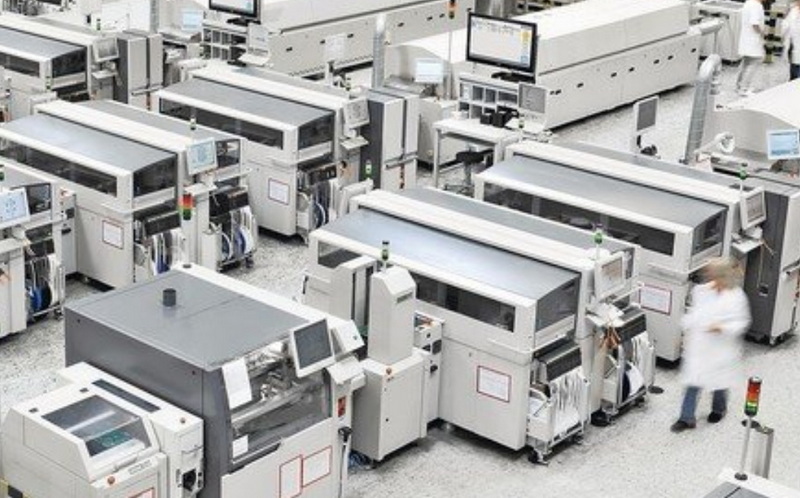
For most SMT machines, a balanced schedule includes daily checks and cleaning, weekly nozzle and feeder maintenance, monthly internal cleaning and calibration, and an annual or bi-annual professional overhaul. The exact frequency should be adjusted based on production volume, component sensitivity, and each SMT machine manufacturer's recommendations.
Preventive maintenance for SMT machines identifies wear, contamination, and misalignment before they cause failures, so corrective actions can be taken during planned stops instead of peak production. This approach reduces unexpected breakdowns, shortens repair times, improves spare parts planning, and increases the overall reliability of every SMT machine in the line.
The most critical components are nozzles, feeders, vision systems, and motion modules on SMT machines, because they directly affect placement accuracy and pickup rates. In addition, belts, bearings, air and vacuum systems, and sensors require regular inspection and cleaning to prevent mechanical or pneumatic failures that can stop SMT machines suddenly.
SMT machines perform best in clean, temperature- and humidity-controlled environments that follow OEM guidelines for each machine type. Consistent ESD protection, filtered fresh air, stable compressed air quality, and low dust levels help protect both SMT machines and sensitive electronic components, leading to improved yield and fewer latent defects.
A one-stop SMT partner can supply SMT machines, AI equipment, and peripherals while also offering integrated installation, training, process optimization, and long-term after-sales service. This holistic approach simplifies vendor management, speeds up problem resolution, ensures that all SMT machines in the line are maintained according to best practices, and supports continuous improvement as production requirements evolve.


