Your Trusted Partner from Prototyping to Mass Production, Email Us:info@highlymachine.com
Please Choose Your Language


Views: 222 Author: Ann Publish Time: 2025-12-09 Origin: Site


Content Menu
>> Common types of SMT machines include:
● The Role of an SMT Machine Operator
>> Key responsibilities include:
● Essential Skills for SMT Machine Operators
● Education and Training Requirements
● Step-by-Step Guide to Becoming an SMT Machine Operator
>> Step 1: Understand the Basics of SMT Technology
>> Step 2: Obtain Technical Education
>> Step 3: Gain Practical Experience
>> Step 4: Learn SMT Machine Operation Software
>> Step 5: Master Machine Maintenance
>> Step 6: Develop Problem-Solving Ability
● Working Conditions and Career Path
>> Typical positions in the SMT field include:
● Understanding Popular SMT Machine Brands
● Advantages of Becoming an SMT Machine Operator
● Safety and Best Practices in SMT Operation
● Why Choose Highlywin as Your SMT Partner
● FAQs About SMT Machine Operation
>> 1. What qualifications are required to become an SMT machine operator?
>> 2. How long does it take to master SMT machine operation?
>> 3. What are the most common SMT machine types to learn first?
>> 4. How can I increase productivity as an SMT operator?
>> 5. Does Highlywin offer support and training for beginners?
In today's rapidly advancing manufacturing industry, Surface Mount Technology (SMT) represents the backbone of modern electronic assembly. From smartphones to automotive control modules, almost every device relies on components placed and soldered by sophisticated SMT machines.
Becoming an SMT machine operator is a rewarding career path that blends hands-on technology with high-precision automated production. This comprehensive guide explains how to develop the skills, training, and experience needed to operate SMT machines professionally and effectively.

An SMT (Surface Mount Technology) machine is specialized equipment used to mount tiny electronic components directly onto the surface of printed circuit boards (PCBs). Instead of the traditional through-hole method, SMT enables mass production of compact, high-performance electronic assemblies.
- Pick and Place Machines – These machines automatically position surface mount components on the PCB.
- Solder Paste Printers – Responsible for applying an accurate layer of solder paste onto the board's pads before assembly.
- Reflow Ovens – Heat the solder joints to melt and solidify the connections, securing each component in place.
- Automated Optical Inspection (AOI) Systems – Inspect boards for soldering quality, polarity orientation, and placement accuracy.
- Conveyor and Transfer Systems – Connect different stages of the SMT production line seamlessly.
A complete production line functions as a synchronized ecosystem where each SMT machine performs a precise step in the overall process.
An SMT machine operator ensures that the production line runs efficiently, accurately, and continuously. This position bridges the gap between engineering design and actual electronic product assembly. Each shift, an operator manages the setup, running, and quality assurance of complex machinery.
- Setting up and calibrating SMT machines before production.
- Loading components into feeders and verifying correct reel placement.
- Monitoring the production process and responding to machine alarms.
- Checking solder quality, component alignment, and polarity.
- Performing maintenance like nozzle cleaning and feeder inspection.
- Working with engineers to troubleshoot technical issues.
Operators are also responsible for documenting process parameters, reporting defects, and participating in continuous improvement programs.
Working with SMT equipment demands a blend of technical knowledge and soft skills. A successful operator demonstrates:
- Technical Understanding: Familiarity with PCBs, soldering processes, and automation principles.
- Attention to Detail: Detecting minute soldering errors or misplacements in high-volume production.
- Problem-Solving Skills: Identifying machine malfunctions quickly to minimize downtime.
- Computer Literacy: Navigating machine software, interpreting data, and adjusting coordinates.
- Physical Accuracy: Handling small components carefully, often under microscope inspection.
- Team Collaboration: Working efficiently with engineers, inspectors, and production managers.
For career advancement, learning data analysis and process optimization can give operators an edge, especially in factories focused on Industry 4.0 automation.
While it's possible to start as an entry-level technician, formal education helps candidates progress quickly. A high school diploma with courses in electronics, mechanics, or robotics is a solid foundation. Vocational training programs specializing in SMT process technologies or industrial automation are increasingly available.
- SMT line setup and calibration.
- Component recognition and feeder maintenance.
- Programming of placement machines.
- Troubleshooting reflow and inspection systems.
For professional certification, many employers value IPC-A-610 (Acceptability of Electronic Assemblies) and IPC-7711/7721 (Rework & Repair). These globally recognized certificates strengthen your career credibility.
Start by familiarizing yourself with PCB structures, component packaging types (0402, QFP, BGA, etc.), and the general flow of SMT production. Many online platforms and OEM training videos offer excellent learning resources to visualize the process.
Pursue a diploma or vocational certificate in electronics manufacturing or mechatronics. Courses that include SMT assembly or production line automation give you strong foundational knowledge.
Apply for training or internship programs at SMT equipment suppliers or electronics manufacturing service (EMS) companies. Practical experience with real machinery helps build operational confidence.
Modern SMT machines use proprietary software—for example, Yamaha YSM, Panasonic NPM, JUKI RS, and Fuji AIMEX. Learn how to:
- Import placement data (Gerber files).
- Set fiducial points.
- Assign feeder positions.
- Generate and verify programs.
Simulation practice improves setup speed and reduces costly downtime.
Routine maintenance ensures consistent production quality. Operators should know how to inspect:
- Nozzles and feeders for wear.
- Conveyor belts for alignment.
- Cameras and sensors for cleanliness.
- Temperature profiles in reflow ovens.
A properly maintained line prolongs equipment lifespan and guarantees product reliability.
Production issues are inevitable—components may jam, solder paste may smear, or boards may misalign. Skilled operators identify root causes quickly, using diagnostic tools and relying on prior experience to restore optimal operation.
Technology in SMT changes rapidly. Stay updated by attending seminars, online training by machine manufacturers, and industry expos. Continuous learning will help you move from operator to line leader or process engineer.
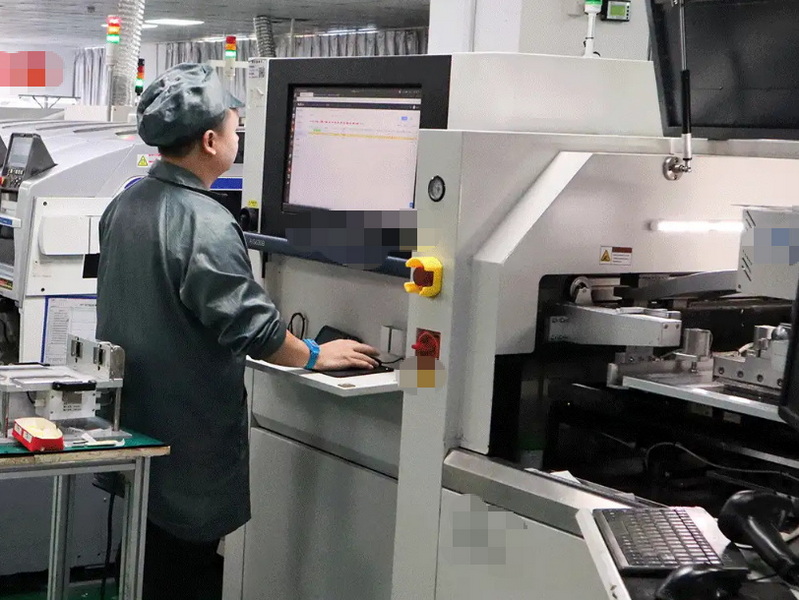
An SMT production environment is typically a clean, temperature-controlled workshop to protect sensitive electronics. Operators may work multiple shifts, including nights and weekends, depending on production demand.
- SMT Machine Operator – Entry-level role focusing on basic operation and setup.
- Line Leader / Supervisor – Manages production output and team coordination.
- SMT Technician / Process Engineer – Specializes in fine-tuning machine performance and programming.
- Quality Control Specialist – Oversees inspection, defect analysis, and process audits.
- SMT Equipment Engineer – Responsible for machine upgrades, integration, and maintenance strategies.
With consistent learning and hands-on experience, operators can transition into engineering or production management within a few years.
Industry-leading SMT machines come from manufacturers known for precision, speed, and reliability. Some of the best-known brands include:
- Panasonic – Known for intelligent modular placement systems such as the NPM Series.
- Yamaha – Offers user-friendly interfaces with accurate placement and software integration.
- JUKI – Famous for stable operation and efficient feeder setup.
- FUJI – Recognized for flexible, high-speed platforms like the AIMEX series.
- Hanwha (Samsung) – Provides cost-efficient yet powerful models ideal for medium production.
- ASM (SIPLACE) – Advanced systems for high-mix, high-precision manufacturing.
Partnering with an experienced supplier like Highlywin ensures professional machine setup, technical support, and spare part availability.
1. Strong Industry Demand – Electronics manufacturing continues to grow globally, demanding qualified SMT talent.
2. Stable Career Opportunity – SMT is essential in consumer electronics, automotive, medical, and telecommunications industries.
3. Competitive Income – Skilled operators and technicians can command higher wages and overseas employment opportunities.
4. Career Growth – Mastering SMT opens the door to engineering, supervision, and management roles.
5. Global Skill Recognition – SMT knowledge is universal and valued in factories across Asia, Europe, and North America.
Safety in SMT production ensures both machine longevity and operator well-being. Operators should always follow:
- ESD (Electrostatic Discharge) Precautions: Wear wrist straps and use grounding mats.
- Proper Machine Shutdown Procedures: Avoid abrupt power-offs to prevent component damage.
- Clean Workspaces: Dust or residue affects solder joints and camera sensors.
- Equipment Documentation: Log maintenance and calibration data accurately for traceability.
- Emergency Readiness: Understand how to stop the line safely during malfunctions.
Maintaining discipline and precision in every production cycle guarantees consistent product quality.
Highlywin is a trusted global provider of SMT/AI/peripheral equipment, delivering comprehensive solutions for electronics production facilities. The company offers more than machines—it builds integrated systems that improve yield, stability, and cost-effectiveness.
Highlywin's core services include:
- Sales of new and refurbished SMT equipment.
- One-stop SMT line integration and setup.
- Full coverage of machine spare parts and accessories.
- Technical support, maintenance, and remote diagnosis.
- On-site operator and technician training programs.
By collaborating with Highlywin, manufacturers gain access to reliable machines, expert guidance, and complete after-sales service—empowering operators to perform at their best.
Becoming an SMT machine operator is an excellent choice for individuals passionate about technology, precision, and electronics. The journey involves understanding machine functions, gaining hands-on experience, and mastering quality control standards.
With growing global demand, skilled operators have bright futures in advanced manufacturing. Companies like Highlywin make that path smoother by providing comprehensive SMT machines, services, and training worldwide.
Start building your career today—step into the world of Surface Mount Technology and shape the devices of tomorrow.
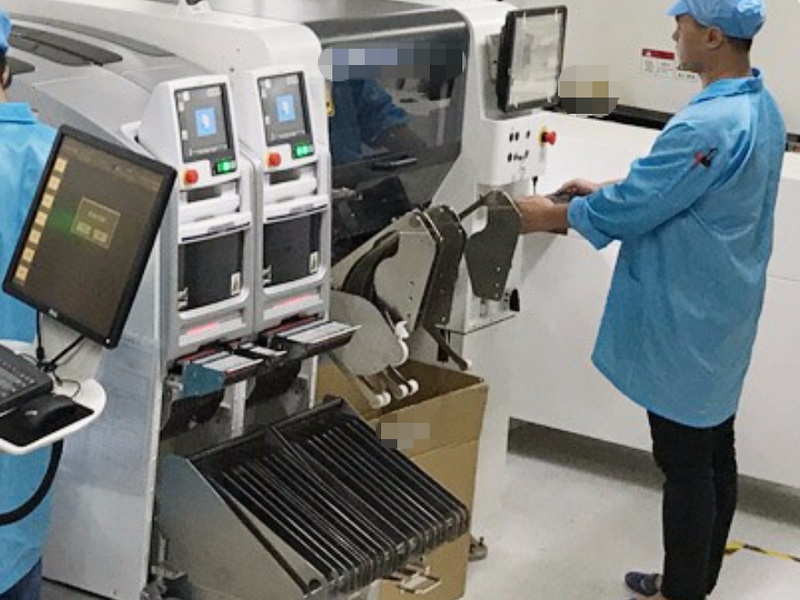
A high school diploma or equivalent, combined with training or certification in electronics, is typically enough to get started. On-site training provided by employers can further develop your practical skills.
Training programs usually last three to six months. Gaining full proficiency may take up to a year, depending on experience, machine variety, and production complexity.
Operators should begin with solder paste printers, pick-and-place machines, and reflow ovens, as these are core to every production line.
Efficiency improves with experience, proper machine calibration, preventive maintenance, and familiarity with feeder setup and error codes. Regular practice with programming software also helps.
Yes. Highlywin provides comprehensive machine operation training, maintenance tutorials, and spare parts supply for all major global SMT brands, helping operators build expertise efficiently.


