Your Trusted Partner from Prototyping to Mass Production, Email Us:info@highlymachine.com
Please Choose Your Language


Views: 222 Author: Ann Publish Time: 2025-12-10 Origin: Site


Content Menu
● Why SMT Feeders Matter So Much
● Robust Materials And Build Quality
● Advanced Drive And Control Systems
● Compatibility And Modularity
● Ease Of Use And Changeover Efficiency
● Maintenance, Calibration, And Serviceability
● Component Range And Application Fit
● Smart Features And Data Integration
● Cost, ROI, And Total Cost Of Ownership
● How Highlywin Can Support Your SMT Feeders
>> 1. What does an SMT feeder actually do?
>> 2. How do I choose the right SMT feeder for my line?
>> 3. Are electronic SMT feeders better than mechanical ones?
>> 4. How often should SMT feeders be maintained or calibrated?
>> 5. Can one type of SMT feeder handle all component types?
High-quality SMT feeders are the backbone of a stable, high‑speed SMT production line, directly determining placement accuracy, line efficiency, and long‑term operating costs. When evaluating SMT feeders for new investment or replacement, it is essential to look beyond price and brand name and focus on core performance, reliability, and serviceability metrics that impact real‑world production results.

SMT feeders are devices that store and present electronic components—such as resistors, capacitors, ICs, and connectors—to the pick‑and‑place head of an SMT mounter in a controlled, repeatable manner. They index components forward at a precise pitch, peel cover tape or move trays/sticks, and ensure the nozzle can pick parts at the correct position, angle, and timing.
Common SMT feeder types include tape feeders, tray feeders, stick feeders, and bulk/vibratory feeders, each optimized for different component packaging forms. In modern high‑mix lines, a combination of these SMT feeders is used to support everything from tiny 0201 passives to large BGAs and connectors.
Even the most advanced placement machine cannot perform well if its SMT feeders mis‑index, jam, or vibrate excessively. Poor‑quality SMT feeders cause mispicks, dropped components, and line stoppages, which quickly translate into yield loss and higher rework costs.
Reliable SMT feeders, on the other hand, improve production speed, reduce operator intervention, and maintain stable quality over long shifts. For one‑stop SMT solution providers like Highlywin, optimized SMT feeder selection and configuration is a key lever to deliver higher overall line OEE and lower total cost of ownership for customers.
The primary technical requirement of any SMT feeder is mechanical precision, especially pitch accuracy and pick‑up repeatability. High‑quality SMT feeders must advance the tape or tray by exactly the designed pitch so the component pocket is consistently aligned with the nozzle's pick position.
Key indicators of mechanical precision in SMT feeders include:
- Tight tolerances for step length and alignment across the whole reel or tray.
- Stable, low‑vibration drive mechanisms to avoid micro‑movement of components during advance.
- Minimal backlash and wear in gears, levers, and linkages even under high‑speed cycling.
For high‑density assemblies and tiny components such as 0201 or 01005, component pitch errors of even a fraction of a millimeter can cause mispicks, making precision SMT feeders especially important.
Because SMT feeders operate continuously in high‑speed environments, structural rigidity and material quality are critical. High‑quality SMT feeders often use aircraft‑grade aluminum, stainless steel, and high‑strength engineering plastics in stress‑bearing areas to ensure long service life and dimensional stability.
Important build‑quality considerations for SMT feeders:
- Corrosion‑resistant metals and surface treatments to handle flux, dust, and cleaning chemicals.
- Rigid frames that do not deform when feeders are repeatedly loaded, unloaded, or transported between lines.
- Wear‑resistant contact points at sprockets, guide rails, and peeling mechanisms to maintain accuracy over many millions of cycles.
Investing in robust SMT feeders reduces replacement frequency and calibration drift, which is important for factories running multiple shifts and frequent product changes.
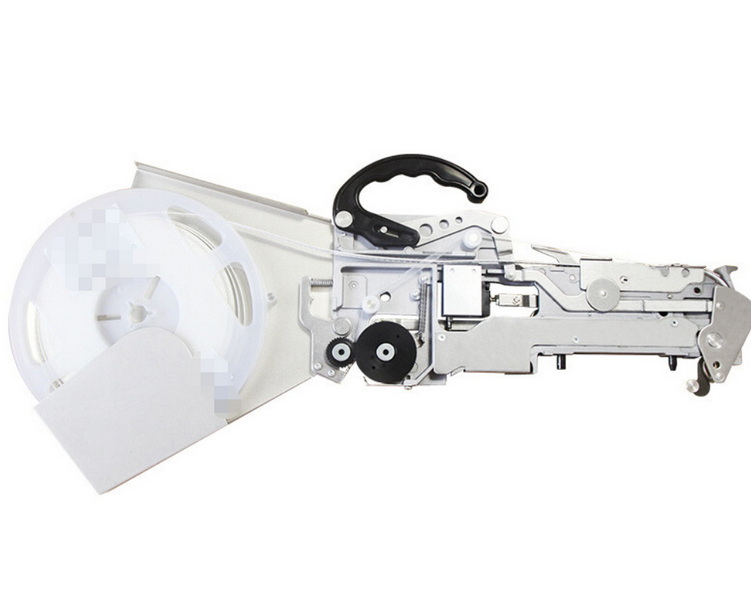
Modern SMT feeders increasingly rely on electronic drive systems rather than purely mechanical ratchets or pneumatic mechanisms. Electric SMT feeders use stepper or servo motors plus encoders and control electronics to deliver smoother, more accurate component indexing at high speeds.
Benefits of advanced electronic SMT feeders:
- Programmable pitch and speed to handle different component tapes and line takt times.
- Feedback monitoring for missed steps, jams, or abnormal resistance, enabling predictive maintenance.
- Smoother acceleration and deceleration to minimize shock and vibration affecting component stability.
For manufacturers pursuing smart factory and Industry 4.0 upgrades, selecting SMT feeders with open interfaces and data connectivity simplifies line‑level optimization and remote diagnostics.
High‑quality SMT feeders must integrate seamlessly with the pick‑and‑place platform, line layout, and product mix. Brand‑specific SMT feeders from Yamaha, Panasonic, FUJI, Samsung, JUKI, Siemens and others have proprietary mechanical and communication interfaces, so compatibility is essential.
Key compatibility factors for SMT feeders:
- Correct mechanical interface to the feeder cart, rail, or base of the mounter.
- Electrical and protocol compatibility for recognition, pitch setting, and error feedback.- Support for a wide range of tape widths, thicknesses, and component heights to cover current and future products.
Modular SMT feeders with interchangeable parts and easy switchover between tape types or widths help reduce changeover time and increase line flexibility.
Usability strongly impacts real‑world performance of SMT feeders, especially in high‑mix, low‑to‑medium volume environments. Poorly designed SMT feeders that require tools, complex adjustments, or long loading procedures will slow operators and introduce more human error.
User‑friendly features of high‑quality SMT feeders include:
- Tool‑less tape loading and unloading with intuitive levers or quick‑release mechanisms.
- Clear mechanical guides and markings for tape path, take‑up reel installation, and cover tape direction.
- Ergonomic handles and locking structures that allow safe, rapid movement between storage and machine.
For EMS providers and OEMs handling many product SKUs, these features can save significant time during each setup, compounding into large productivity gains across a year.
Even the best SMT feeders require regular inspection and maintenance to maintain accuracy and avoid unexpected downtime. High‑quality SMT feeders are designed with serviceability in mind, allowing quick access to key parts and straightforward calibration.
Maintenance‑friendly characteristics of SMT feeders:
- Modular subassemblies (e.g., tape advance unit, peeling mechanism, sensor module) that can be replaced quickly.
- Accessible adjustment points and clear calibration marks to align pitch and pick positions.
- Compatibility with dedicated feeder calibration tools that can measure and document performance before feeders return to production.
Reliable local or global spare parts availability and technical support also influence the lifetime cost and risk profile of SMT feeders.
Different SMT feeders are optimized for different component types and packaging, so selecting the right structure is part of ensuring high quality in your application. Tape SMT feeders remain the most common due to the dominance of tape‑and‑reel packaging for SMD components.
Typical feeder‑to‑application mapping:
- Tape SMT feeders: Chip resistors, capacitors, small ICs, LEDs, and many standard SMD packages.
- Tray SMT feeders: Large ICs, BGAs, CSPs, and sensitive components that cannot be taped.
- Stick SMT feeders: Connectors and odd‑form parts supplied in stick magazines.
- Bulk/vibratory SMT feeders: Simple passives or mechanical parts supplied loose or in bulk boxes.
High‑quality SMT feeders support the required component range while maintaining alignment, ESD protection, and mechanical stability for each packaging style.
In modern smart factories, SMT feeders are no longer “dumb” mechanical units; they are intelligent nodes on the production network. High‑quality SMT feeders increasingly include identification, parameter storage, and status monitoring capabilities.
Desirable smart features in advanced SMT feeders:
- Feeder ID chips or QR/RFID tags that allow automatic recognition, setup validation, and traceability.
- On‑board memory to store pitch, component data, and usage counters for maintenance planning.
- Integration with MES/line management systems to prevent wrong‑reel loading and support full material traceability.
These capabilities help reduce setup mistakes, support zero‑defect initiatives, and align SMT feeders with broader digitalization strategies.
Price alone is not a good indicator of SMT feeder quality; a true evaluation must consider total cost of ownership (TCO). Factors such as lifespan, failure rates, spares cost, service availability, and impact on line throughput often outweigh initial purchase cost.
When comparing SMT feeders, consider:
- Expected life cycles and warranty period versus typical annual utilization.
- Spare parts pricing, lead time, and availability in your region.- Contribution to line speed (CPH), changeover time, yield, and rework rates.
For global customers looking for one‑stop SMT solutions, working with a partner that can supply, maintain, and optimize SMT feeders across the entire line simplifies procurement and improves long‑term ROI.
A strong technical partner is vital for choosing and maintaining the right SMT feeders across brands and applications. Solution providers that combine equipment sales, process consulting, training, and spare parts support help customers extract maximum value from their SMT feeders.
Service scope that benefits SMT feeder users includes:
- Selection consulting for SMT feeders matched to machine brand, product mix, and budget.- Preventive maintenance, calibration, and quick spare parts supply to minimize downtime.- Line‑level optimization to balance mounter configuration, SMT feeders, and material flow for best OEE.
For EMS providers and OEMs with global footprints, a partner with international logistics and support capabilities ensures SMT feeders remain reliable throughout the equipment life cycle.
High‑quality SMT feeders combine precise mechanics, robust materials, intelligent control, and user‑friendly design to ensure components are delivered accurately and reliably to the placement head, shift after shift. When selecting SMT feeders, manufacturers should evaluate not only brand and price, but also precision, compatibility, usability, smart features, and the long‑term service ecosystem behind the equipment.
Working with a one‑stop SMT solutions provider enables factories to choose the right SMT feeders, integrate them effectively into the line, and maintain them for maximum uptime and yield. In a competitive electronics market, investing in high‑quality SMT feeders is one of the most cost‑effective ways to strengthen process capability, reduce defects, and support future smart‑factory upgrades.
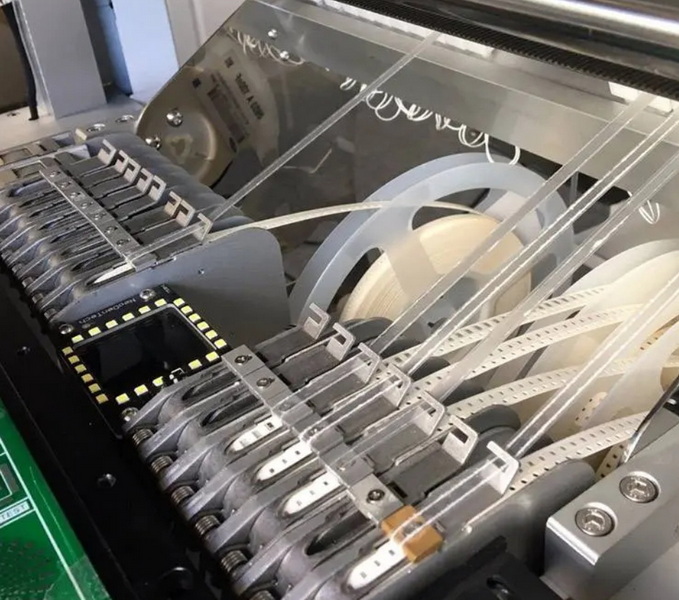
An SMT feeder stores components in tape, tray, stick, or bulk form and advances them so the pick‑and‑place nozzle can accurately pick each part at high speed. It also manages tasks such as peeling cover tape, aligning pockets, and synchronizing movement with the placement machine cycle.
Choosing the right SMT feeders requires matching the feeder to your machine brand, component packaging, product mix, and production volume. Key factors include pitch accuracy, supported tape widths and component heights, compatibility, ease of loading, and availability of spare parts and technical support.
Electronic SMT feeders with motorized control often provide higher pitch accuracy, smoother motion, and better diagnostics than purely mechanical designs. They are especially advantageous in high‑speed, high‑density production where small misalignments can quickly translate into defects or line stops.
Maintenance frequency depends on utilization, environment, and component types, but regular inspection and cleaning are recommended as part of routine line maintenance. Many factories also use dedicated calibration tools and scheduled checks to verify SMT feeder pitch and alignment before returning feeders to production.
No single SMT feeder type can cover all components effectively, so most lines use a mix of tape, tray, stick, and bulk SMT feeders. However, flexible and modular SMT feeders with wide component range support help reduce the total number of feeder models required in high‑mix environments.


