Your Trusted Partner from Prototyping to Mass Production, Email Us:info@highlymachine.com
Please Choose Your Language


Content Menu
● History and Evolution of SMT Electronics
● Core Components of SMT Electronics
● The SMT Assembly Process Step-by-Step
● Advantages of SMT Electronics
● Challenges and Solutions in SMT Electronics
● Applications Across Industries
● Future Trends in SMT Electronics
● Highlywin's Comprehensive SMT Solutions
>> 2. How Do SMT Machines Improve Production?
>> 3. What Services Does Highlywin Offer for SMT Machines?
>> 4. Why Choose SMT Electronics Over Through-Hole?
>> 5. What Are Future Advancements in SMT Machines?
Surface Mount Technology (SMT) electronics forms the backbone of modern electronic manufacturing, allowing for the creation of smaller, faster, and more reliable devices through the direct mounting of components onto printed circuit boards (PCBs). Companies like Highlywin, which specialize in selling SMT machines, AI equipment, peripherals, comprehensive service support, and spare parts, provide global clients with one-stop SMT solutions that streamline production processes. These SMT machines enable high-volume, precise assembly essential for today's competitive electronics market.
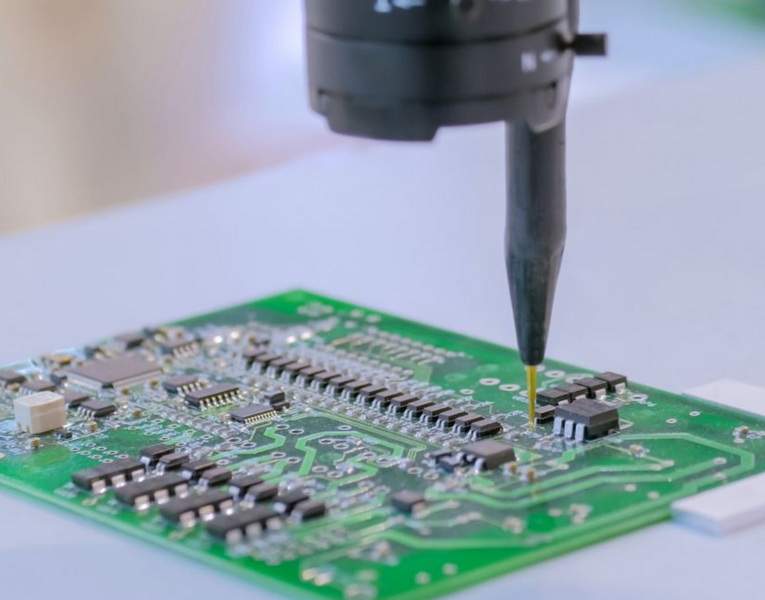
SMT electronics involves placing electronic components directly onto the surface of PCBs, contrasting with older through-hole methods that required drilling holes through the board. At the core of this technology are SMT machines, which automate the precise application of solder paste, component placement, and soldering to achieve efficient production. These SMT machines handle a wide range of surface-mount devices (SMDs), including resistors, capacitors, diodes, and complex integrated circuits (ICs), allowing for denser packing and superior electrical performance.
The adoption of SMT electronics has been driven by the need for miniaturization in consumer products, where space constraints demand compact designs. SMT machines excel in this area by supporting fine-pitch components down to 0.3mm or smaller, ensuring reliable connections without compromising signal integrity. Highlywin's range of SMT machines integrates advanced features like dual-lane feeders and high-resolution vision systems, making them ideal for diverse applications from prototyping to mass production.
Furthermore, SMT electronics reduces manufacturing costs through automation, as SMT machines can place thousands of components per hour with minimal human intervention. This efficiency translates to faster time-to-market and lower defect rates, positioning SMT machines as indispensable tools for electronics manufacturers worldwide.
The roots of SMT electronics trace back to the 1960s, when early experiments with surface mounting began to challenge the dominance of through-hole technology. However, it was in the 1980s that SMT machines truly revolutionized the industry, with the introduction of automated pick-and-place systems capable of handling small-scale SMDs. By the 1990s, advancements in SMT machines enabled high-speed chip shooters and multi-functional placers, supporting the boom in portable electronics like pagers and early mobile phones.
The 2000s saw further evolution with the integration of lead-free soldering in SMT machines to meet environmental regulations such as RoHS. Modern SMT machines now incorporate AI-driven algorithms for predictive maintenance and real-time defect detection, enhancing uptime and yield rates. Highlywin has been at the forefront of this progression, supplying upgraded SMT machines that comply with Industry 4.0 standards, including IoT connectivity for remote monitoring.
Today, the continuous refinement of SMT machines addresses challenges like handling ultra-fine pitch components and flexible substrates, paving the way for next-generation devices in wearables and IoT applications. This historical shift underscores how SMT machines have transformed electronics from bulky assemblies to sleek, high-performance systems.
SMT electronics relies on a suite of specialized SMT machines that work in tandem to complete the assembly process. Solder paste printers, the first key SMT machine in the line, use stencils to deposit precise amounts of paste onto PCB pads, ensuring uniform application for optimal joint formation. Pick-and-place SMT machines then follow, equipped with robotic arms, vacuum nozzles, and cameras to accurately position components at speeds exceeding 50,000 chips per hour.
Reflow ovens, another critical SMT machine, apply controlled heat profiles to melt the solder paste, forming strong metallurgical bonds without damaging sensitive components. Inspection SMT machines, such as Automated Optical Inspection (AOI) and X-ray systems, verify placement accuracy and detect hidden defects like voids or bridges. Highlywin offers a full lineup of these SMT machines, complemented by peripherals like conveyor systems and nitrogen generators for enhanced soldering quality.
Additional SMT machines for dispensing and wave soldering handle specialized tasks, such as applying adhesives or soldering through-hole hybrids in mixed-technology boards. These components collectively ensure that SMT electronics production is robust, scalable, and adaptable to varying production volumes.
The SMT assembly process starts with PCB loading into the solder paste printer, an essential SMT machine that aligns the stencil and squeegees paste onto pads with micron-level precision. Boards then move to the pick-and-place SMT machines, where feeder trays supply components, and vision systems confirm orientation before placement. This stage leverages high-speed SMT machines for chip components and flexible SMT machines for larger ICs, achieving placement accuracies better than 30 microns.
Following placement, boards enter the reflow oven SMT machine, progressing through preheat, soak, reflow, and cooling zones to solidify joints. Post-reflow, cleaning SMT machines remove flux residues, while AOI and SPI (Solder Paste Inspection) SMT machines scan for anomalies. Highlywin's service support optimizes these SMT machines for specific profiles, minimizing issues like tombstoning or head-in-pillow defects.
Final steps include functional testing and conformal coating, often using dedicated SMT machines for quality assurance. Throughout, Highlywin provides spare parts for all SMT machines, ensuring uninterrupted operations. This methodical process highlights why SMT machines are vital for high-reliability electronics.
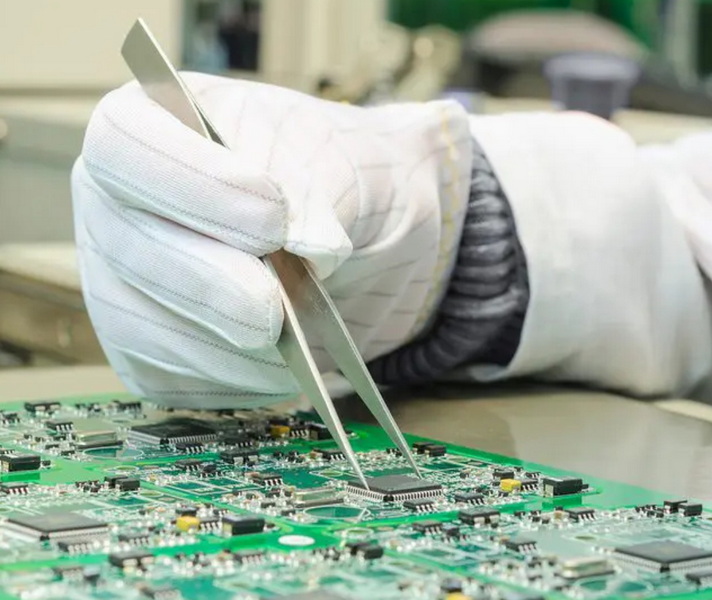
SMT machines come in diverse configurations to meet specific production needs. High-speed chip mounters, a type of SMT machine, excel at placing small passives like 0201 resistors at rates up to 200,000 components per hour. Flexible placement SMT machines handle odd-form parts and large connectors, offering versatility for low-to-medium volumes.
Printer SMT machines vary from semi-automatic benchtop models to fully automated inline systems with 2D/3D inspection. Reflow SMT machines include conveyorized ovens with multi-zone controls for precise thermal management. Highlywin stocks premium SMT machines from leading brands, including modular systems that scale from lab-scale to full production lines.
Dispensing and coating SMT machines apply encapsulants, while screen printers use metal or polymer stencils for fine features. These varied SMT machines enable customized lines tailored to client requirements.
SMT electronics offers unparalleled advantages through advanced SMT machines, starting with drastic size reduction—boards can be 70% smaller than through-hole equivalents. Shorter signal paths in SMT designs minimize electromagnetic interference and improve speed, crucial for high-frequency applications. Automation via SMT machines cuts labor costs by up to 90% and boosts throughput.
Reliability improves with all-surface mounting, eliminating hole-induced weaknesses. SMT machines support double-sided assembly, doubling capacity without enlarging footprints. Highlywin's SMT machines enhance these benefits with AI analytics for process optimization.
Environmental gains include lower material use and lead-free compatibility in SMT machines. Design flexibility allows rapid prototyping, accelerating innovation cycles.
Miniaturization pushes SMT machines to their limits with components like 01005 sizes, risking misalignment. PCB warpage during reflow in SMT machines causes open joints, addressed by fixtures and low-temperature profiles. Highlywin's calibration services for SMT machines mitigate these issues.
Solder voids and bridging demand optimized paste and nitrogen atmospheres in SMT machines. Supply chain disruptions affect feeder compatibility in SMT machines, countered by Highlywin's extensive spare parts inventory.
Consumer electronics rely on SMT machines for smartphones and smartwatches, demanding high-density assembly. Automotive SMT machines build ECUs and infotainment resilient to vibrations. Medical SMT machines produce diagnostic tools with stringent sterility.
Telecom 5G infrastructure uses high-frequency SMT machines. Aerospace and industrial sectors benefit from rugged SMT machines. Highlywin customizes SMT machines for these demanding environments.
AI-enhanced SMT machines predict downtime and auto-correct placements. Jet printing SMT machines eliminate stencils for prototypes. Flexible and 3D PCBs challenge next-gen SMT machines.
Sustainability drives low-energy SMT machines. Highlywin pioneers these innovations.
Highlywin excels in SMT machines sales, AI integration, and global support, ensuring seamless SMT lines.
SMT electronics, powered by versatile SMT machines, drives innovation across industries with efficiency and precision. Highlywin's one-stop solutions position clients for future success.
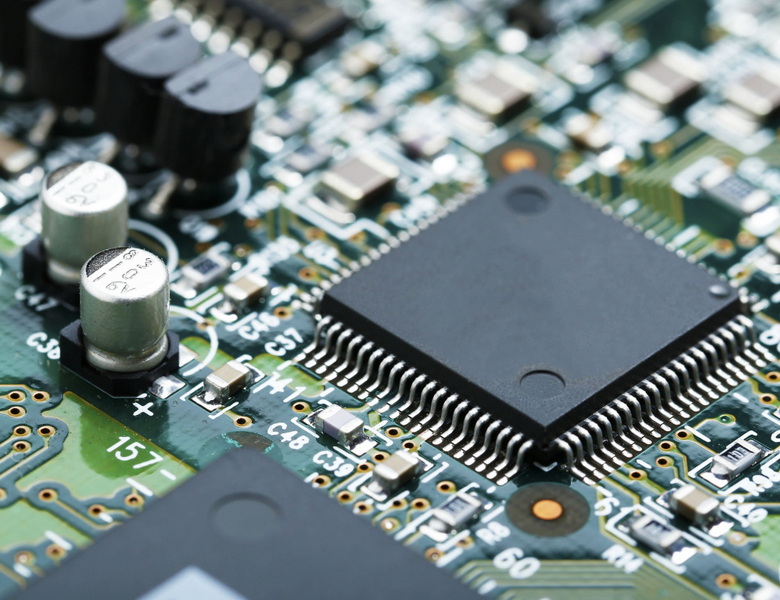
SMT machines automate surface mount assembly, including printers, placers, and ovens for efficient PCB production. Highlywin supplies reliable SMT machines.
SMT machines enable high-speed, accurate placement, reducing costs and errors while supporting miniaturization.
Highlywin provides sales, installation, spares, and maintenance for complete SMT solutions.
SMT offers density, performance, and automation advantages via superior SMT machines.
AI, flexible substrates, and ultra-precision define evolving SMT machines.


