Your Trusted Partner from Prototyping to Mass Production, Email Us:info@highlymachine.com
Please Choose Your Language


Content Menu
● Understanding SMT Technology
● Exploring THT/TMT Technology
● The SMT Production Line: Key Machines and Workflow
● Types of SMT Machines for Diverse Needs
● Advantages and Challenges of SMT Machines
● Highlywin's One-Stop SMT Solutions
● Emerging Trends in SMT Machines
● Best Practices for SMT Machine Operation
● FAQ
>> 1. What is SMT in PCB manufacturing?
>> 2. How does THT differ from SMT?
>> 3. What are the main types of SMT machines?
>> 4. Why choose mixed SMT and THT lines?
>> 5. How does Highlywin support SMT operations?
Surface Mount Technology (SMT) revolutionizes PCB assembly by mounting components directly onto the surface of printed circuit boards using advanced SMT machines, enabling compact, high-density electronics production. In contrast, Through-Hole Technology (THT), sometimes referred to as TMT in manufacturing contexts, involves inserting component leads through drilled holes for soldering, offering superior mechanical strength for robust applications. This article explores both technologies in depth, highlighting the role of SMT machines in modern manufacturing and how companies like Highlywin provide comprehensive SMT solutions.

SMT stands for Surface Mount Technology, a cornerstone of contemporary electronics manufacturing that allows for the direct placement of electronic components onto the surface of a PCB without the need for leads passing through the board. This method relies heavily on precision SMT machines to apply solder paste, position components accurately, and reflow solder for permanent bonds. The efficiency of SMT machines has made them indispensable in producing everything from smartphones and laptops to automotive control units and medical devices.
The process begins with solder paste printing, where specialized SMT machines use stencils to deposit precise amounts of paste onto PCB pads. These SMT machines ensure alignment within microns, preventing defects that could compromise the entire board. Following printing, high-speed pick-and-place SMT machines grab components from feeders—ranging from tiny resistors to complex ICs—and position them with extraordinary accuracy, often at rates exceeding 100,000 components per hour.
Reflow soldering follows, where conveyor-based SMT machines heat the assembly in a controlled atmosphere, melting the paste to form reliable joints. Inspection SMT machines, such as AOI and X-ray systems, then verify quality, catching issues like misalignments or voids invisible to the naked eye. SMT machines in these stages integrate AI for real-time adjustments, boosting yield rates above 99% in optimized lines.
SMT's advantages stem from its automation potential. Modern SMT machines support double-sided assembly, fine-pitch components down to 01005 sizes, and mixed-technology boards combining SMT with selective soldering areas. This scalability makes SMT machines ideal for high-volume production, reducing labor costs and enabling miniaturization that through-hole methods can't match.
Through-Hole Technology (THT), occasionally termed TMT in factory slang, contrasts sharply with SMT by requiring components with leads inserted into pre-drilled holes in the PCB. Soldering occurs via wave soldering machines or manual methods, creating strong mechanical connections suited for high-power or vibration-prone environments. While less dense than SMT, THT excels in applications demanding durability, such as power supplies, military hardware, and industrial controls.
In THT assembly, PCBs undergo drilling, followed by component insertion using automated or manual inserters. Wave soldering SMT machines—adapted for THT—pass boards over a molten solder wave, fluxing and soldering leads simultaneously. This process suits larger components like electrolytic capacitors, transformers, and connectors, where lead compliance absorbs mechanical stress.
THT's robustness comes from the physical anchoring of leads through the board, providing better heat dissipation and repairability. However, it demands more board real estate due to hole sizes and pad clearances, limiting density. Hybrid lines often pair THT stations with upstream SMT machines, allowing a single PCB to leverage both technologies for optimal performance.
Despite SMT's dominance, THT persists in niches where SMT machines alone fall short, like high-voltage circuits or legacy designs. Selective soldering SMT machines bridge the gap, precisely soldering THT areas post-SMT reflow without disturbing surface mounts.
A complete SMT line orchestrates multiple SMT machines into a seamless workflow, transforming bare PCBs into functional assemblies. Starting with loaders, boards enter the line, where solder paste printers—core SMT machines—apply paste via laser-aligned stencils. Vision systems in these SMT machines detect defects instantly, triggering auto-clean cycles.
Next, Solder Paste Inspection (SPI) SMT machines employ 3D laser scanning to validate paste volume and alignment, feeding data back to upstream SMT machines for corrections. The heart of the line is pick-and-place SMT machines, available in modular or high-speed configurations. Entry-level SMT machines handle prototypes with feeder capacities for 60-100 types, while flagship SMT machines boast 200+ feeders and speeds up to 200,000 CPH.
These SMT machines use vacuum nozzles, rotary turrets, and component recognition cameras to handle diverse parts: from 0201 chips to large QFNs. Feeder types—tape, tray, tube—load automatically, minimizing downtime. Post-placement, reflow ovens as critical SMT machines follow multi-zone profiles: preheat, soak, reflow, and cool, tailored to lead-free alloys.
Automated Optical Inspection (AOI) SMT machines scan for placement errors, while X-ray SMT machines penetrate BGAs for hidden defects. Unloaders and buffer SMT machines manage flow, with peripherals like conveyors ensuring 24/7 operation. AI-enhanced SMT machines predict maintenance, optimizing uptime.
SMT machines vary by capability, catering to labs, mid-sized factories, and mass producers. Manual SMT machines offer affordability for R&D, where operators guide placements via screens. Semi-automatic SMT machines add motorized XY tables and vision, bridging to automation.
High-speed chip mounters as elite SMT machines target volume runs, placing 0402+ parts at blistering paces. Multi-function SMT machines handle odd-forms, flex circuits, and high-mix/low-volume with flexible heads. Printer SMT machines range from manual squeegees to 18-second cycle times with 3D SPI.
Reflow SMT machines feature nitrogen atmospheres for void-free joints, while AOI/X-ray SMT machines integrate machine learning for zero-escape defects. Peripheral SMT machines—like stackers, inverters, and nozzle cleaners—complete ecosystems. Highlywin supplies these SMT machines alongside AI inserters for THT, ensuring versatile lines.
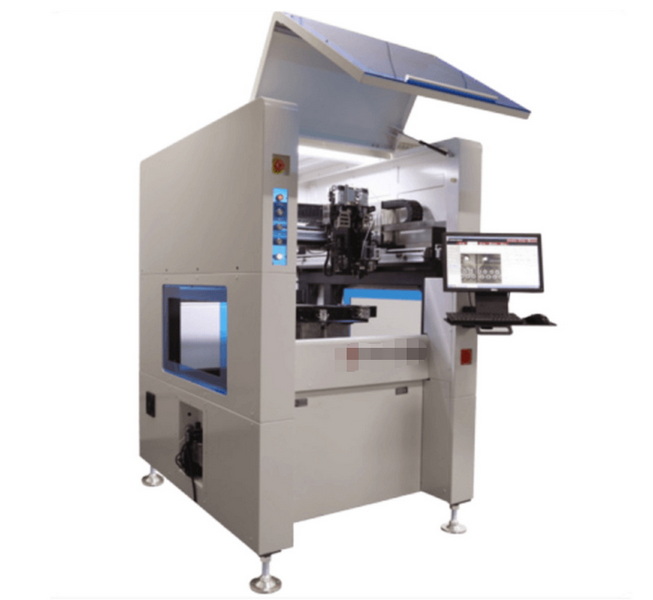
SMT machines deliver unmatched efficiency: smaller boards, double-sided population, and automated testing integration. They support lead-free processes, reducing environmental impact. Challenges include paste management—requiring climate control—and warpage in large panels, mitigated by advanced SMT machines with clamping.
Feeder setup times drop with smart loaders in modern SMT machines, while software simulates lines for optimization. Yield improvements from inline SMT machines feedback loops cut scrap by 50%. For global firms, reliable SMT machines from providers like Highlywin ensure supply chain resilience.
Highlywin specializes in SMT machines, AI equipment, peripherals, services, and spares for global clients. Their portfolio spans printers, mounters, ovens, and inspectors—all SMT machines tuned for reliability. Turnkey lines include layout design, installation, and training.
Service extends to predictive maintenance for SMT machines, spare part logistics, and upgrades like adding AI vision. Highlywin's ecosystem supports high-mix production, from prototypes to millions of units, with peripherals enhancing throughput. Clients benefit from one-stop procurement, slashing lead times.
Industry 4.0 transforms SMT machines with IoT connectivity, real-time analytics, and cobots. Jet printing replaces stencils in next-gen SMT machines, enabling variable paste volumes. Flexible SMT machines handle HDI and embedded components for 5G and EVs.
AI in SMT machines predicts failures, auto-tunes profiles, and optimizes feeder sequencing. Sustainability drives low-temp solders and recyclable SMT machines designs. Highlywin integrates these trends, future-proofing client investments.
Maximize SMT machines with cleanrooms, calibrated nozzles, and IPC standards. Regular audits of SMT machines prevent drifts, while data logging tracks KPIs like CPH and first-pass yield. Operator training on SMT machines software ensures peak performance.
SMT and THT represent complementary pillars of PCB assembly: SMT machines enable compact, automated, high-volume production for modern electronics, while THT provides unmatched durability for demanding apps. Integrating both via advanced SMT machines yields versatile lines. Partners like Highlywin deliver complete solutions—SMT machines, services, spares—for scalable success. Embracing SMT machines positions manufacturers for innovation in a connected world.
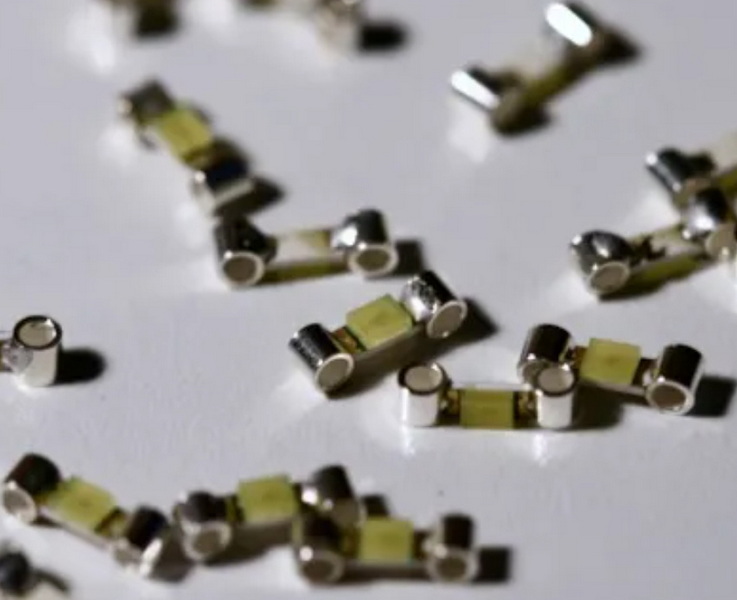
SMT mounts components on PCB surfaces using solder paste and reflow via SMT machines, enabling dense, automated assembly for consumer and industrial electronics.
THT inserts leads through holes for wave soldering, offering strength but lower density than SMT machines-driven surface mounting.
Key SMT machines include printers, pick-and-place mounters, reflow ovens, AOI, and X-ray inspectors, forming complete lines.
Mixed lines leverage SMT machines for miniaturization and THT for robustness, optimizing for diverse components.
Highlywin provides SMT machines, AI/THT gear, peripherals, installation, spares, and optimization for one-stop solutions.


