Your Trusted Partner from Prototyping to Mass Production, Email Us:info@highlymachine.com
Please Choose Your Language


Content Menu
● Types of SMT Machines in a Complete Line
● What Industry Uses SMT Most?
● SMT Machines and the EMS / OEM Ecosystem
● Technical Advantages of SMT Machines
● SMT Machines in Industry 4.0 and Smart Manufacturing
● One‑Stop SMT Solutions and Services
● Trends and Future of the SMT Industry
● FAQ
>> 1. What industry is SMT part of?
>> 2. Why do most electronics factories use SMT machines?
>> 3. What is the basic SMT production flow?
>> 4. How do SMT machines support Industry 4.0?
>> 5. What should a good SMT line supplier provide?
SMT sits at the core of the global electronics manufacturing industry and is the dominant method for assembling printed circuit boards (PCBs) in nearly all modern electronic products. From a business and industrial classification perspective, SMT is part of the electronic assembly equipment industry, the PCB assembly industry and the broader EMS (Electronics Manufacturing Services) and OEM/ODM ecosystem.
SMT machines are the backbone of automated PCB assembly lines that operate in high‑volume consumer plants as well as specialized factories for automotive, industrial, telecom and medical electronics. Companies that design, integrate and service SMT machines, such as Highlywin, are therefore considered key suppliers to the global electronics manufacturing and assembly industry.

Surface Mount Technology (SMT) is a method of mounting electronic components directly onto the surface of a PCB rather than inserting leads through drilled holes. SMT components are soldered onto flat pads using solder paste, reflow ovens and automated SMT machines that place components with high precision and speed.
Instead of large through‑hole parts, SMT uses miniature chips, resistors, capacitors, diodes, transistors and IC packages such as SOIC, QFN, BGA and CSP. SMT machines handle these small components using advanced vision systems, precision nozzles and high‑speed placement heads to achieve extremely dense and reliable assemblies.
An SMT line uses multiple specialized SMT machines and supporting systems that together form a continuous, automated process. Each step is critical for yield, throughput and product reliability.
Key stages in a typical SMT process include:
- Solder paste printing: A solder paste printer deposits controlled volumes of solder paste onto PCB pads through a stainless steel stencil, often using fully automated SMT machines with vision alignment and squeegee pressure control.
- Component placement: Pick‑and‑place SMT machines mount components from reels, trays and tubes onto the printed boards, guided by CAD data, fiducial recognition and real‑time correction systems.
- Reflow soldering: The PCB passes through a multi‑zone reflow oven where solder paste melts and then solidifies, forming electrical and mechanical connections between components and pads.
- Inspection and testing: SPI (solder paste inspection) and AOI (automated optical inspection) SMT machines check for defects such as bridges, missing components, misalignment and insufficient solder, while X‑ray systems inspect hidden joints like BGAs.
- Optional selective and through‑hole processes: Some products combine SMT with AI (automatic insertion) machines, wave soldering or hand insertion for large connectors and special mechanical parts.
Each group of SMT machines must be balanced so that throughput is smooth, bottlenecks are minimized and changeover times stay low for flexible production.
A one‑stop SMT solution generally includes a wide spectrum of SMT machines and peripheral devices designed to work as an integrated line. The selection depends on production volume, product mix, board complexity and automation goals.
Typical SMT machines and related systems include:
- Solder paste printers: Entry‑level and high‑end SMT machines with automatic stencil cleaning, 2D/3D paste inspection and quick‑change squeegees.
- High‑speed chip shooters: Dedicated SMT machines optimized for small components like resistors and capacitors, achieving very high placements per hour.
- Multi‑function placement SMT machines: Flexible platforms capable of placing large ICs, BGAs, QFNs, odd‑form components and connectors with precision vision systems.
- Reflow ovens: Convection or vapor‑phase reflow SMT machines with multi‑zone temperature control, nitrogen options and advanced profiling features.
- SPI systems: 3D solder paste inspection SMT machines that measure volume, height and area to prevent defects early in the process.
- AOI systems: Pre‑reflow and post‑reflow AOI SMT machines using high‑resolution cameras and algorithms to detect component and solder defects.
- X‑ray inspection: Systems used particularly for hidden solder joints under BGAs, LGAs and power packages to ensure reliable connections.
- PCB handling units: Loaders, unloaders, conveyors, buffers, inverters and magazines that support smooth PCB logistics between SMT machines.
By combining these SMT machines with AI insertion lines, selective soldering and test equipment, providers like Highlywin configure customized solutions that match each customer's capacity, automation level and product roadmap.
SMT and SMT machines dominate in virtually every segment that depends on electronic circuits, but some industries are particularly intensive users. Market reports repeatedly show SMT equipment and SMT services growing fastest in areas with strong demand for miniaturization, connectivity and embedded intelligence.
Major industries using SMT machines include:
- Consumer electronics: Smartphones, tablets, laptops, wearable devices, game consoles, smart TVs and home appliances all rely on compact SMT boards assembled on high‑speed SMT machines.
- Telecommunications and networking: 5G base stations, routers, switches, optical modules and communication infrastructure use advanced SMT boards with high‑speed digital and RF circuits.
- Automotive electronics: ECUs, ADAS systems, battery management systems, lighting modules, infotainment and sensor units are built on robust SMT lines that meet stringent reliability standards.
- Industrial automation and power: PLCs, inverters, power supplies, drives, motor controllers and industrial IoT nodes are manufactured using flexible SMT machines capable of handling diverse product families.
- Medical and aerospace: High‑reliability SMT assemblies power diagnostic devices, implantable electronics, avionics, radar and control systems where quality and traceability are critical.
In all of these sectors, SMT machines are considered strategic assets, and suppliers of SMT machines, spare parts and process expertise play central roles in the supply chain.
SMT belongs not only to the equipment segment but also to the EMS and OEM/ODM service ecosystem that supports global brands. Many electronics brands outsource PCB assembly to EMS providers that run lines full of SMT machines, test equipment and inspection systems.
Within this ecosystem:
- EMS providers operate large facilities with multiple SMT lines, offering high‑mix or high‑volume production depending on customer needs.
- OEM and ODM partners design products and rely on SMT machines at qualified plants to realize those designs at scale.
- One‑stop line suppliers like Highlywin deliver SMT machines, AI insertion equipment, peripheral units, process consulting and after‑sales support to EMS and OEM factories worldwide.
This structure allows brands to focus on R&D, marketing and distribution while relying on specialized manufacturers equipped with advanced SMT machines and skilled engineering teams.
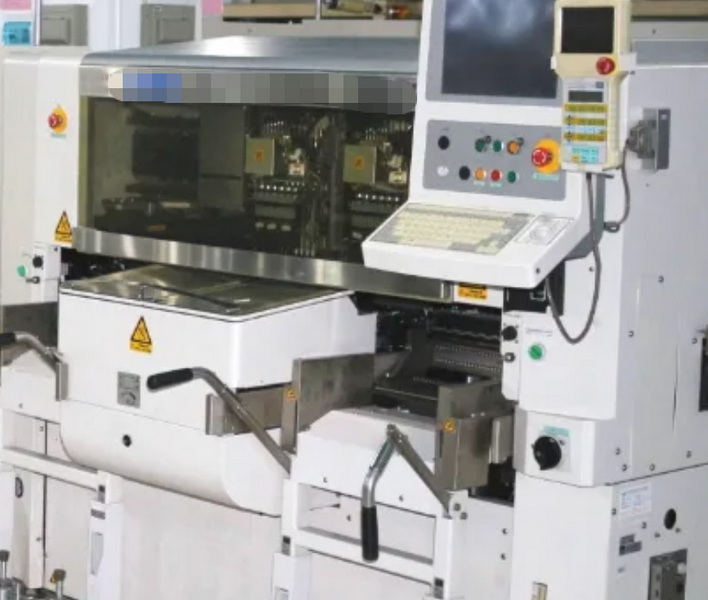
SMT machines have become the dominant technology because they offer clear technical and economic advantages over older through‑hole assembly. These benefits directly impact product performance, form factor and cost.
Key advantages include:
- High component density: SMT components and precise SMT machines allow far more components per unit area, enabling compact, multi‑layer boards for modern devices.
- Better electrical performance: Shorter interconnections and controlled trace geometries help improve high‑frequency and signal integrity characteristics.
- Higher automation: SMT machines automate placement and inspection, reducing manual work, increasing throughput and improving consistency.
- Lower overall cost per function: Although SMT machines require capital investment, the resulting productivity and miniaturization reduce cost per assembled function.
These advantages are particularly important in products such as smartphones and automotive ECUs where space is limited and performance demands continue to rise.
Modern SMT machines are increasingly integrated into smart factory architectures often labeled as Industry 4.0. These lines use sensors, data collection, analytics and connectivity to improve quality, uptime and efficiency.
Typical features of smart SMT machines and lines include:
- Real‑time monitoring of placement accuracy, feeder performance, temperature profiles and defect rates across all SMT machines and process steps.
- Automatic feedback loops between SPI, AOI and placement SMT machines to correct offsets, paste volume issues and component misalignment.
- Seamless integration with MES, ERP and traceability systems for complete product history, from component lot codes to SMT machine parameters.
- Predictive maintenance using machine learning models to forecast nozzle wear, feeder issues or oven calibration drift before they cause downtime.
As a result, factories running advanced SMT machines can move toward lights‑out or minimally staffed operations while maintaining high quality and flexibility.
Beyond hardware, the SMT industry is increasingly service‑oriented, with customers expecting turnkey lines and long‑term support. A one‑stop partner integrates SMT machines, process know‑how and global service into a coherent solution.
Typical offerings from a one‑stop SMT solution provider such as Highlywin include:
- Line planning and layout: Defining the number and type of SMT machines, AI insertion equipment and supporting systems based on capacity and product roadmap.
- Equipment selection and integration: Matching SMT machines, printers, ovens, AOI and handling units so that cycle times and capabilities are balanced.
- Installation and commissioning: Bringing SMT machines online, optimizing parameters and running first‑article builds to validate the line.
- Process optimization and training: Teaching operators and engineers how to program SMT machines, control quality and maintain equipment.
- Spare parts and global after‑sales service: Providing nozzles, feeders, sensors, boards and on‑site support to keep SMT machines running at peak performance.
These services help customers reduce the risk of starting or expanding SMT production and ensure that SMT machines remain productive over many years of operation.
The SMT industry continues to evolve as electronic products become smarter, smaller and more connected. Market analyses indicate robust growth for SMT machines and related technologies across all major regions.
Prominent trends include:
- Higher‑speed and higher‑accuracy SMT machines that can place finer‑pitch components and micro‑BGAs for advanced processors and memory modules.
- More flexible SMT machines designed for high‑mix, low‑volume environments such as industrial, medical and specialized IoT products.
- Wider adoption of AI in SMT machines to improve recognition, alignment, defect detection and self‑optimization.
- Increasing integration of SMT machines with inline testing, conformal coating and final assembly processes to create seamless digital production lines.
For solution providers like Highlywin, staying ahead of these trends means offering SMT machines, AI insertion systems and services that support both today's mass‑market electronics and tomorrow's specialized, high‑reliability products.
SMT clearly belongs to the electronics manufacturing and PCB assembly industry, serving as the primary method for assembling modern electronic circuits across consumer, automotive, industrial, telecom, medical and aerospace sectors. SMT machines form integrated production ecosystems that cover solder paste printing, placement, reflow, inspection and handling, enabling high‑volume, high‑quality and highly automated manufacturing worldwide. One‑stop SMT solution providers like Highlywin, who deliver SMT machines, AI insertion equipment, peripherals, process expertise and global service, are indispensable partners for EMS and OEM customers building competitive, future‑ready electronics production lines.
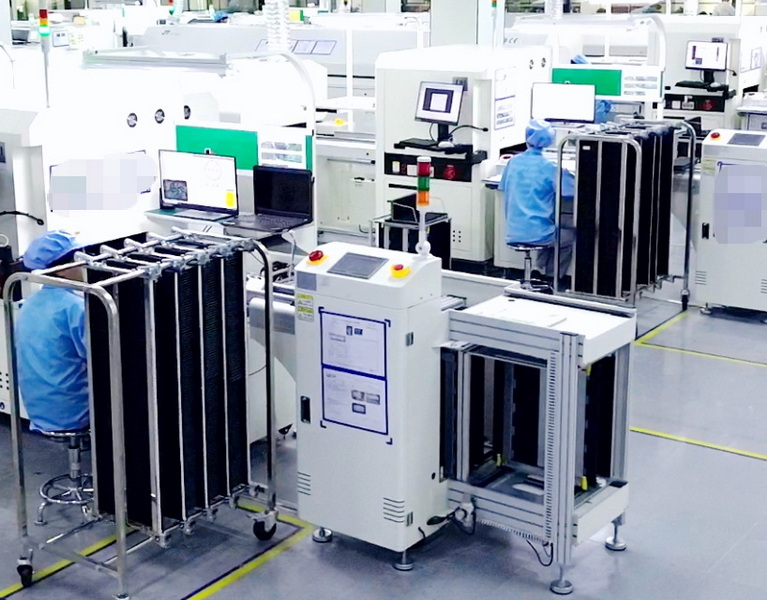
SMT is part of the electronics manufacturing industry, specifically the PCB assembly and electronic production equipment segment. It underpins EMS, OEM and ODM operations that manufacture boards for consumer, automotive, industrial, telecom and medical electronics.
Most electronics factories use SMT machines because they provide high throughput, excellent repeatability and the ability to mount very small components at high density. SMT machines significantly reduce manual labor and improve consistency compared with traditional through‑hole methods.
The basic SMT flow starts with solder paste printing, followed by component placement using SMT machines, then reflow soldering and final inspection or testing. Some lines add AI insertion, wave soldering or manual assembly for connectors and special parts.
Modern SMT machines support Industry 4.0 through connectivity, real‑time data collection, traceability and integration with MES and analytics platforms. They enable predictive maintenance, automatic process adjustments and more transparent, data‑driven manufacturing.
A good SMT line supplier should deliver reliable SMT machines, tailored line design, installation and training, plus fast spare parts and global technical support. Turnkey one‑stop solutions help customers launch or upgrade SMT production with lower risk and faster payback.


