Your Trusted Partner from Prototyping to Mass Production, Email Us:info@highlymachine.com
Please Choose Your Language


Views: 222 Author: Ann Publish Time: 2026-01-02 Origin: Site


Content Menu
● The Growing Importance of SMT Machines
>> What Makes SMT Machines Essential
● The Evolution of SMT Technology
>> From Manual Insertion to Intelligent Automation
>> Current State of SMT Equipment
● Key Innovations Redefining SMT Machines
>> Smart Factories and IoT Connectivity
>> Automation and Robotics Integration
>> Energy Efficiency and Sustainability
>> High-Speed Production Capability
>> Intelligent Vision and Inspection Systems
● Digitalization and Industry 4.0 Transformation
>> Data Analytics for Production Optimization
>> Cloud-Based Control and Remote Operations
>> Cybersecurity in Digital SMT Factories
● Advanced Materials and SMT Process Innovations
>> Miniaturized Components and High-Density Design
>> New Soldering Techniques and Materials
>> Integration with Additive Manufacturing
● One-Stop SMT Solutions by Highlywin
● The Future Outlook for SMT Machines
● FAQ
>> 1. What are SMT machines and why are they important?
>> 2. How are AI and IoT changing SMT production?
>> 3. What sustainability improvements are being made in modern SMT machines?
>> 4. How does Highlywin support global SMT manufacturers?
>> 5. What major trends will shape the future of SMT technology?
Surface Mount Technology (SMT) is the backbone of modern electronics manufacturing. It allows components to be directly mounted on the surface of printed circuit boards (PCBs) rather than inserted through holes, making products smaller, faster, and more reliable. From smartphones and medical devices to automotive electronics and industrial automation systems, nearly every high-tech device depends on the precision and efficiency of SMT machines.
At Highlywin, we specialize in selling advanced SMT and AI equipment, peripheral devices, and spare parts. We deliver complete one-stop SMT solutions that help global customers gain efficiency, precision, and stability in production. This article dives into the evolving world of SMT machines—highlighting emerging innovations, market trends, and the technologies shaping their future.
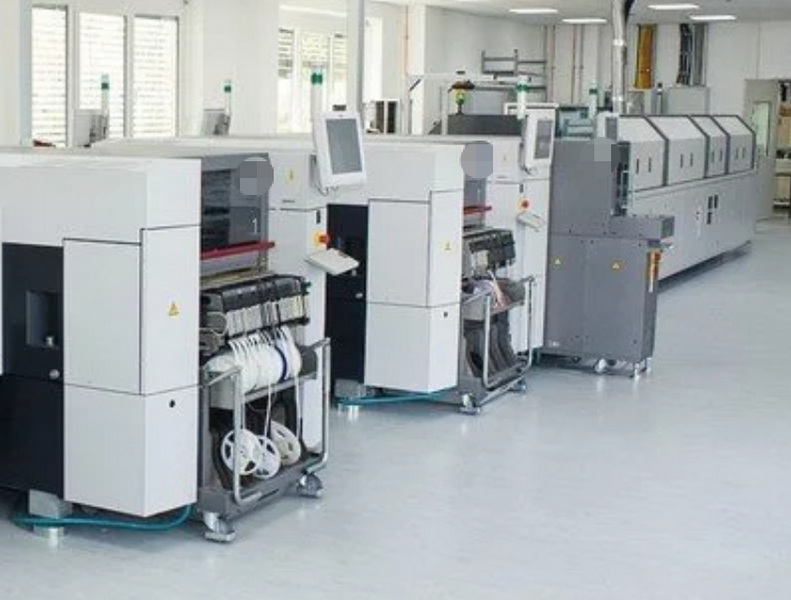
SMT machines are central to today's electronic manufacturing processes because they perform critical functions such as solder paste printing, pick-and-place assembly, reflow soldering, and inspection. Automated SMT systems can handle tens of thousands of components per hour with micrometer accuracy.
The key benefits driving their growing adoption include:
- High precision and reliability — SMT placement achieves tighter tolerances than manual or through-hole processes.
- Speed and scalability — Continuous operation with minimal human intervention.
- Low defect rate — Automated Optical Inspection (AOI) improves error detection dramatically.
- Compact and lightweight design — Enables miniaturized consumer and industrial devices.
- Lower cost per unit — Streamlines high-volume production.
As 5G communication, IoT devices, and electric vehicles push the limits of electronics design, SMT machines have become more vital than ever to meet production standards.
In the early days, circuit assembly relied on through-hole mounting. Engineers manually placed and soldered each component, limiting speed and precision. SMT manufacturing automated this process with the introduction of pick-and-place machines and reflow soldering systems.
Today's SMT machines have evolved far beyond automation. They incorporate intricate vision systems, artificial intelligence algorithms, and digital twin technology to monitor, analyze, and improve each production stage. Modern systems not only execute commands but also learn from data, detect inefficiencies, and prevent downtime proactively.
The current generation of SMT equipment includes:
- High-accuracy feeders and nozzles with auto-calibration.
- Intelligent software control systems capable of self-optimization.
- AOI and 3D SPI inspection modules that ensure each solder joint meets quality standards.
- Industry 4.0 connectivity, enabling communication across the entire factory.
These technologies have transformed SMT manufacturing into a dynamic, data-driven ecosystem that continuously adapts to market demands.
Technological innovation continues to push the boundaries of what SMT systems can achieve. From automation and robotics to AI and sustainability, the following developments are defining the next decade for SMT machines.
Artificial Intelligence has become the nerve center of modern SMT production lines. Machine learning algorithms analyze large volumes of production data to improve efficiency and predict potential issues before they occur.
AI integration enhances key areas such as:
- Feeder setup and placement optimization to minimize material waste.
- Real-time defect detection using advanced visual recognition.
- Production scheduling and predictive maintenance for uninterrupted operation.
- Intelligent quality assurance, reducing human inspection workloads.
An AI-enabled SMT machine can self-adjust in response to temperature, humidity, or part variations—ensuring consistent quality and yield.
The rise of the Industrial Internet of Things (IIoT) allows seamless communication between SMT machines and other manufacturing systems. Through sensors, cloud connectivity, and data analytics, SMT equipment can share real-time information across production lines, warehouses, and quality control departments.
This integration results in:
- Remote status tracking and line optimization.
- Central data collection for predictive maintenance.
- Automated defect response mechanisms.
- Faster decision-making and reduced downtime.
IoT integration enables a "digital twin" of every SMT line—a virtual copy that simulates real-time operations to help engineers adjust workflows and predict outcomes.
Automation has long defined SMT manufacturing, but modern robotic solutions are taking it further. Collaborative robots (cobots) assist technicians by handling repetitive or precision-demanding tasks.
Areas of advancement include:
- Automated feeder loading and PCB handling.
- Robotic soldering and dispensing of adhesives.
- Component storage and retrieval systems powered by AI.
- 3D-vision-guided inspection robots for post-reflow analysis.
Future SMT machines will require minimal manual input, allowing full automation through intelligent integration across subsystems.
Sustainability has become a defining factor in manufacturing. SMT machines are evolving toward environmentally responsible production methods.
Manufacturers are adopting solutions such as:
- Low-energy reflow ovens with optimized heat management.
- Eco-friendly solder pastes and fluxes.
- Reduction in compressed air and nitrogen usage.
- Waste recycling and recovery systems.
At Highlywin, we actively promote sustainable production practices by offering energy-saving SMT equipment and solutions designed to minimize environmental impact.
New-generation SMT machines now combine impressive precision with ultra-fast placement speeds—up to 160,000 components per hour in some advanced models. These systems can automatically identify and correct misplacements, even during high-speed operation, allowing faster mass production without compromising quality.
The integration of AI-based image processing in vision systems has transformed SMT quality control. Modern inspection cameras use 2D and 3D data to detect solder joint height, shape, and reflectivity.
As a result, manufacturers can identify errors in paste printing, component placement, or reflow before they affect product yield. These features reduce rework cost and improve long-term reliability.
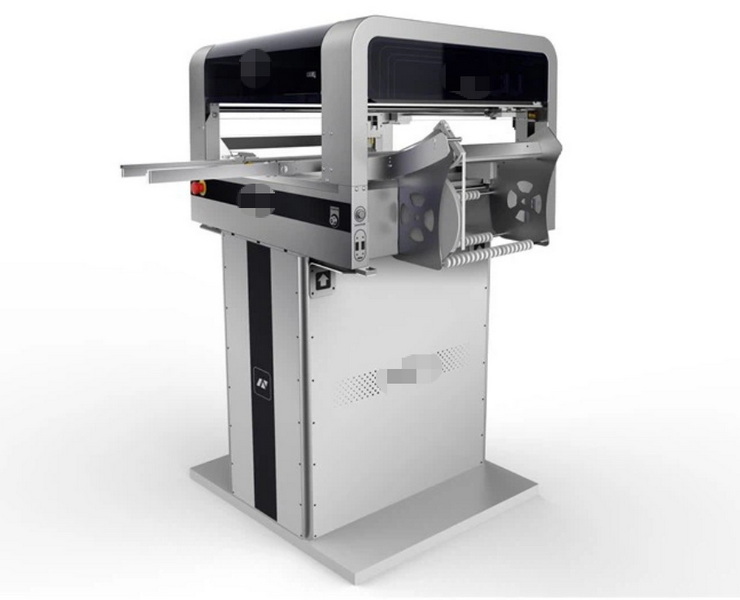
Digitalization allows SMT systems to generate massive amounts of operational data. This information—analyzed with machine learning and big data techniques—helps manufacturers optimize layout design, component usage, and equipment scheduling.
Benefits include real-time line balancing, yield enhancement, and intelligent traceability down to every individual component.
Cloud technology enables production managers to monitor SMT operations from anywhere in the world. Through digital dashboards, users can view performance metrics, alarms, and analysis reports in real time.
Remote monitoring not only improves transparency but also enables remote troubleshooting and firmware updates—reducing on-site maintenance costs and machine downtime.
The increasing connectivity of smart factories introduces new cybersecurity challenges. Protecting SMT machine networks from unauthorized access, malware, or data breaches is now as critical as maintaining production efficiency.
Manufacturers are investing in:
- Encrypted communications.
- Secure user authentication.
- Network segmentation.
- Continuous monitoring systems to detect anomalies.
These measures ensure production data integrity while maintaining operational reliability in the era of connected manufacturing.
Consumer demand for smaller, faster devices has led to miniaturized components like micro-BGAs and 01005 packages. SMT machines now feature ultra-precise placement heads and intelligent vision alignment to handle these extremely small devices.
Lead-free soldering has become standard, and future SMT machines are adapting to new alloys that improve joint strength while reducing environmental impact. Reflow ovens now use advanced temperature profiling to maintain perfect heat balance for delicate components.
Additive manufacturing (3D printing) is finding its way into SMT processes. Combined systems can directly print conductive traces or create prototypes quickly, enabling electronics manufacturers to shorten development cycles.
This hybrid approach blurs the lines between prototyping and production—a trend likely to dominate next-generation manufacturing.
Beyond selling machines, success in SMT manufacturing requires continuous support, customization, and technical expertise.
At Highlywin, we provide an integrated ecosystem that includes:
- Sales of SMT, AI, and peripheral equipment from leading global brands.
- Supply of original and OEM spare parts tailored to client needs.
- Technical training and custom production line setup.
- Process optimization consultation for specific product categories.
Our approach ensures customers not only acquire the right equipment but also maximize its performance throughout its lifecycle. With local service networks across multiple countries, we stand as a trusted partner for electronics manufacturers worldwide.
The next frontier for SMT machines is defined by intelligence, adaptation, and sustainability. In the next few years, expect to see:
- AI-driven self-learning systems capable of real-time process optimization.
- Autonomous SMT lines requiring minimal human supervision.
- Integration with blockchain for transparent supply chain traceability.
- Higher service integration between SMT production and AI inspection.
- Enhanced green manufacturing with renewable-energy-powered production lines.
As products become increasingly compact and complex, SMT innovation will continue to reshape how we design and produce the electronics that power modern life.
The future of SMT machines lies at the intersection of AI, automation, and sustainability. These technologies are transforming electronics manufacturing into a smarter, faster, and cleaner process. From intelligent inspection to predictive maintenance and digital factory integration, the industry's direction is clear—efficiency through innovation.
At Highlywin, we are proud to be part of this evolution, supporting clients worldwide with advanced SMT equipment, spare parts, and technical expertise. As Industry 4.0 advances, we remain dedicated to helping manufacturers build more connected, efficient, and environmentally responsible production systems for a better technological future.

Answer: SMT machines automate the process of mounting electronic components directly onto PCB surfaces. They are crucial because they improve manufacturing speed, accuracy, and the quality of modern electronic devices.
Answer: AI and IoT enable predictive maintenance, automatic defect detection, and intelligent optimization of production lines. This results in reduced downtime, improved yield, and lower operational costs.
Answer: Manufacturers are focusing on energy-efficient reflow ovens, environmentally friendly solder materials, and waste-reduction processes to promote eco-friendly electronics production.
Answer: Highlywin offers a full range of SMT, AI, and peripheral equipment, alongside spare parts, technical training, and line customization to help clients build high-performance, sustainable production systems.
Answer: Future trends include fully autonomous SMT lines, AI-driven process control, hybrid additive manufacturing, and enhanced digital security within smart factory ecosystems.


