Your Trusted Partner from Prototyping to Mass Production, Email Us:info@highlymachine.com
Please Choose Your Language


Views: 222 Author: Ann Publish Time: 2026-01-29 Origin: Site


Content Menu
● Introduction to SMT Machines
● Facility Layout Optimization for SMT Machines
● Essential Safety Protocols for SMT Machines
● Professional Installation Procedures for SMT Machines
● Daily Startup and Operation Routines for SMT Machines
● Advanced Programming Techniques for SMT Machines
● Thorough Cleaning Procedures for SMT Machines
● Precision Calibration Methods for SMT Machines
● Optimizing Feeder Management in SMT Machines
● Rigorous Quality Control Integration with SMT Machines
● Comprehensive Operator Training Programs for SMT Machines
● Seamless Software and MES Integration for SMT Machines
● Optimal Environmental Controls for SMT Machines
● Scaling Production Capacity with SMT Machines
● Strategic Spare Parts Inventory for SMT Machines
● Energy Optimization Strategies for SMT Machines
● AI-Enhanced Intelligence in SMT Machines
● Building Strong Vendor Partnerships for SMT Machines
● FAQ
>> 1. How frequently should SMT machines undergo calibration?
>> 2. What personal protective equipment is essential for SMT machines operators?
>> 3. How can facilities minimize unplanned downtime in SMT machines production lines?
>> 4. Are SMT machines suitable for high-mix, low-volume production environments?
>> 5. What peripheral equipment best complements SMT machines production lines?
Highlywin provides comprehensive SMT machines, AI solutions, peripherals, services, and spare parts for global clients seeking one-stop SMT solutions. Optimizing SMT machines usage ensures efficiency, quality, and longevity in electronics manufacturing.

SMT machines have transformed the electronics industry by enabling high-speed, precise placement of surface-mount components onto printed circuit boards (PCBs). These sophisticated systems, including pick-and-place machines, solder paste printers, reflow ovens, and automated optical inspection (AOI) units, form the core of any modern SMT production line. Mastering best practices for SMT machines operation is essential for manufacturers aiming to achieve superior yield rates, minimize defects, and reduce operational costs.
The evolution of SMT machines has been remarkable, with advancements in vision systems, multi-head placement capabilities, and AI-driven optimizations pushing throughput rates to thousands of components per hour. Facilities that implement structured protocols for SMT machines not only extend equipment lifespan but also enhance overall production scalability. Highlywin specializes in supplying state-of-the-art SMT machines tailored for diverse applications, from consumer electronics to automotive and telecommunications sectors.
Proper utilization of SMT machines begins with a holistic approach encompassing facility design, operator training, preventive maintenance, and continuous process refinement. By adhering to these practices, companies can achieve up to 99% first-pass yields and significantly lower downtime. This guide delves into actionable strategies to maximize the performance of SMT machines in your facility.
Designing an efficient layout is the foundation of successful SMT machines deployment. The ideal configuration follows a unidirectional flow: starting with solder paste printing, followed by high-speed pick-and-place SMT machines, reflow soldering, and ending with inspection and conveyor systems. This linear arrangement minimizes work-in-progress inventory and reduces handling time between SMT machines stations.
Allocate at least 1-2 meters of clearance around each SMT machine for maintenance access and operator movement. Incorporate dedicated zones for incoming materials, feeder preparation, and reject parts near your SMT machines to streamline workflows. Anti-static flooring and proper grounding throughout the SMT machines area prevent electrostatic discharge (ESD) that could damage sensitive components.
Environmental factors play a crucial role in SMT machines performance. Maintain ambient temperatures between 22-24°C and humidity levels at 45-65% to optimize SMT machines nozzles adhesion and prevent solder paste drying. Highlywin offers modular SMT machines designs that adapt seamlessly to various facility footprints, ensuring scalability as production volumes grow.
Strategic placement of SMT machines also facilitates easy integration of peripheral equipment like stencil cleaners and board loaders. Ventilation systems should exhaust fumes away from SMT machines operators while maintaining positive pressure cleanrooms. Facilities following these layout best practices report 25-30% improvements in SMT machines cycle times.
Safety must never be compromised when operating high-powered SMT machines. Implement lockout/tagout (LOTO) procedures before any maintenance on SMT machines, ensuring all energy sources are isolated. Emergency stop buttons should be prominently placed within arm's reach of every SMT machines operator station.
Operators working with SMT machines require personal protective equipment (PPE) including ESD-safe wrist straps, anti-static smocks, safety glasses, and closed-toe shoes. High-heat areas around reflow SMT machines demand heat-resistant gloves and face shields. Regular safety drills familiarize staff with SMT machines evacuation routes and spill response protocols.
Conduct weekly safety audits of all SMT machines, checking guards, interlocks, and emergency systems functionality. Compliance with international standards like ISO 13849 for SMT machines safety circuits prevents accidents. Highlywin equips its SMT machines with advanced safety features including light curtains and collision detection sensors.
Fire suppression systems tailored for electrical SMT machines fires, such as CO2 or clean agent extinguishers, must be stationed nearby. Proper labeling of high-voltage areas on SMT machines cabinets reinforces hazard awareness. These protocols create a secure environment where SMT machines operators can focus on productivity.
Flawless installation sets the stage for reliable SMT machines operation. Begin by preparing a level, vibration-free foundation using precision leveling tools to achieve less than 0.1mm deviation across SMT machines bases. Anchor SMT machines securely to prevent movement during high-speed operations.
Post-installation, calibrate SMT machines vision systems using certified fiducial markers on test PCBs. Verify electrical connections meet local codes, with dedicated circuits for each SMT machines power requirements. Pneumatic SMT machines demand clean, dry compressed air at 0.4-0.6 MPa pressure, filtered to 0.3 micron particle size.
Professional commissioning involves running qualification tests on SMT machines, measuring placement accuracy, cycle times, and feeder performance. Highlywin's global installation teams handle complete SMT machines line commissioning, including software configuration and staff handover training. Document all parameters for future reference.
Proper installation extends SMT machines warranty coverage and prevents premature wear. Always follow manufacturer torque specifications for SMT machines fasteners and use calibrated tools.
Consistent daily rituals ensure SMT machines peak performance. Begin each shift with a 15-minute warm-up cycle for SMT machines heads and vision systems. Visually inspect all SMT machines feeders, confirming tape alignment and component flow without jams.
Load PCBs into SMT machines loaders using vacuum assistance to prevent scratches. Execute test runs with 10-20 boards through the complete SMT machines line before full production. Monitor real-time SMT machines dashboards for anomalies in placement rates or error flags.
Operator checklists should verify SMT machines conveyor speeds match upstream and downstream equipment. Log environmental conditions and SMT machines uptime metrics daily. These routines catch potential issues before they cascade through SMT machines production.
Mid-shift breaks require safely idling SMT machines rather than complete shutdowns, preserving thermal stability. End-of-shift procedures include running cleaning cycles through SMT machines paste printers and securing all access panels.
Mastering SMT machines programming unlocks maximum throughput. Offline programming software allows optimization without halting production SMT machines. Sequence component placement by grouping similar sizes and shapes to minimize SMT machines head travel distance.
Intelligent nesting algorithms in modern SMT machines software calculate optimal board orientations. Fine-tune pick-and-place parameters including acceleration curves, vacuum pressure thresholds, and vision recognition tolerances for each SMT machines feeder type. Simulate complete runs to validate SMT machines paths before execution.
For high-mix production, create recipe libraries for frequent SMT machines jobs, enabling one-button job changes. Advanced SMT machines support barcode scanning for automatic program loading. Regularly update SMT machines firmware to access performance enhancements.
Programming best practices include version control for SMT machines recipes and operator permission levels. Highlywin's intuitive SMT machines interfaces reduce programming time by 40%.
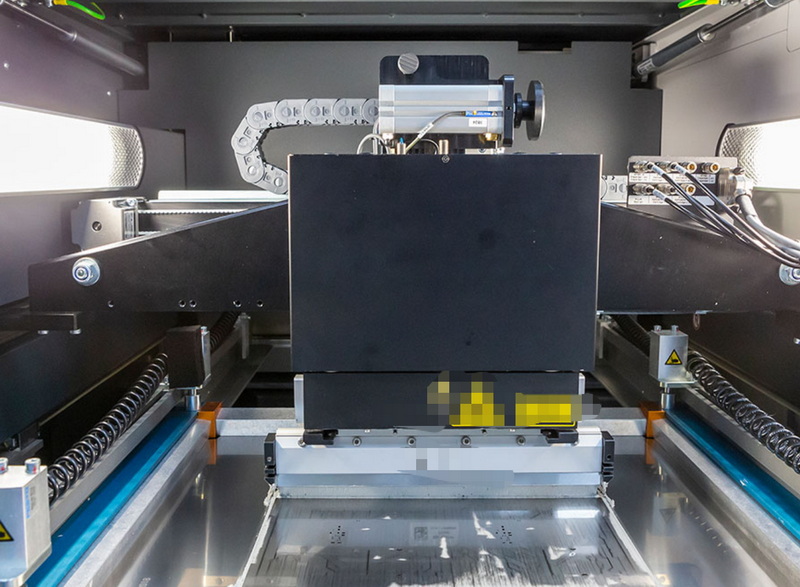
Accumulated residues degrade SMT machines precision over time. Use 99% isopropyl alcohol on lint-free wipes for SMT machines surfaces, avoiding cotton swabs that leave fibers. Ultrasonic cleaning tanks restore nozzles to like-new condition.
Disassemble accessible SMT machines feeders for compressed air blowouts. Vacuum interiors with ESD-safe tools, paying special attention to SMT machines vision system lenses. Never use water or harsh chemicals near SMT machines electronics.
Cleaning schedules intensify during high-utilization periods. Post-shift paste printer maintenance prevents stencil clogging in subsequent SMT machines runs. Regular cleaning maintains SMT machines placement accuracy and prevents costly rework.
Calibration ensures SMT machines micron-level accuracy. High-precision reference boards with known fiducials verify SMT machines coordinate systems. Laser interferometers measure ball screw accuracy in high-end SMT machines.
Software-guided routines automatically adjust SMT machines parameters, compensating for thermal expansion. Test various component sizes across the full PCB area to map SMT machines performance uniformity. Document as-found vs. as-left conditions for trend analysis.
Frequency increases after SMT machines relocation or major repairs. Highlywin's remote calibration services minimize production interruptions.
Intelligent feeder setup accelerates SMT machines changeovers. Sequence feeders by component usage frequency and proximity on the PCB. Pre-kitting backup feeders prevents mid-run interruptions in SMT machines production.
Smart feeders with RFID tracking automatically verify correct component loading for SMT machines jobs. Regular tension adjustments accommodate varying tape widths. Vibration dampening mounts protect delicate SMT machines feeders.
Post-reflow AOI examines 100% of SMT machines output. SPI before placement verifies paste volume uniformity. X-ray inspection catches hidden SMT machines soldering defects.
Statistical process control charts track SMT machines performance trends. Closed-loop feedback automatically adjusts upstream SMT machines parameters. Highlywin bundles matched AOI/SPI systems with its SMT machines lines.
Structured training builds SMT machines proficiency. Level 1 covers basic operation and safety. Level 2 addresses programming and maintenance. Level 3 focuses on optimization and troubleshooting.
Hands-on simulations replicate real SMT machines scenarios. Certification requires passing practical assessments. Annual refreshers keep skills current with SMT machines upgrades.
MES platforms provide real-time SMT machines visibility enterprise-wide. ERP integration automates SMT machines scheduling and material ordering. Industry 4.0 connectivity enables predictive analytics across SMT machines networks.
Cloud backups protect SMT machines programs from loss. Remote monitoring allows proactive intervention before SMT machines failures occur.
Precision climate control sustains SMT machines performance. Redundant HVAC maintains specifications during peak loads. Continuous ESD monitoring with alarms protects SMT machines areas.
HEPA filtration removes airborne contaminants threatening SMT machines optics. Power conditioning prevents voltage spikes damaging SMT machines electronics.
Modular architectures facilitate SMT machines expansion. High-speed heads handle increased volumes seamlessly. Dual-lane configurations double throughput without doubling SMT machines footprint.
Critical spares inventory ensures SMT machines continuity. Nozzles, motors, and belts represent 80% of failures. Highlywin's global logistics deliver parts within 24 hours.
Variable frequency drives on reflow SMT machines cut energy 25%. Idle mode management prevents unnecessary SMT machines power draw. Energy monitoring dashboards track consumption patterns.
Machine learning algorithms predict SMT machines maintenance needs. Real-time anomaly detection prevents defects. AI optimization continuously refines SMT machines placement strategies.
Highlywin's AI-integrated SMT machines platforms deliver Industry 4.0 readiness.
Reliable partners like Highlywin provide complete SMT machines ecosystems. One-stop procurement simplifies supply chain management for all SMT machines requirements.
Implementing these comprehensive best practices transforms SMT machines operations into precision manufacturing powerhouses. Facilities achieve dramatic improvements in yield, throughput, and equipment longevity through disciplined execution. Partnering with Highlywin ensures access to cutting-edge SMT machines, expert support, and complete solutions driving competitive advantage in global electronics manufacturing.
Contact us to get more information!
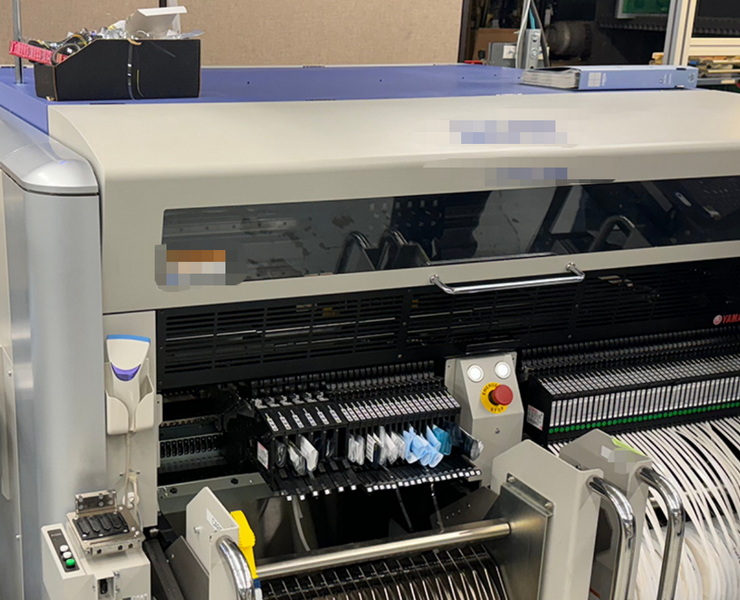
Calibrate SMT machines monthly or after every 10,000 placement cycles to maintain accuracy within 50 microns. More frequent calibration benefits high-precision applications or environments with temperature fluctuations.
Operators require ESD wrist straps, anti-static smocks, safety glasses, and heat-resistant gloves near reflow SMT machines. Closed-toe shoes and hearing protection complete the essential PPE kit.
Daily cleaning routines, predictive maintenance using vibration analysis, and strategic spare parts inventory reduce SMT machines downtime by up to 50%. Remote monitoring provides early warning of potential failures.
Modern flexible SMT machines excel in high-mix scenarios with rapid recipe changeovers and intelligent feeder systems. Quick-swap tooling enables efficient transitions between different SMT machines production runs.
Solder paste inspection (SPI), automated optical inspection (AOI), and automated board handling systems create complete SMT machines solutions. Highlywin offers perfectly matched peripheral equipment suites.


