Your Trusted Partner from Prototyping to Mass Production, Email Us:info@highlymachine.com
Please Choose Your Language


Views: 222 Author: Ann Publish Time: 2025-12-30 Origin: Site


Content Menu
● Common Problems with SMT Feeders
● Diagnostic Tools for SMT Feeders
● Step-by-Step Troubleshooting Guide
>> Addressing Component Jams in SMT Feeders
>> Fixing Misalignment in SMT Feeders
>> Resolving Feeding Errors in SMT Feeders
>> Handling Electrical Issues in SMT Feeders
>> Sensor and Power Problems in SMT Feeders
● Preventive Maintenance for SMT Feeders
● Advanced Tips for SMT Feeder Optimization
● FAQ
>> 1. What are the most common signs of SMT feeder malfunction?
>> 2. How often should SMT feeders undergo maintenance?
>> 3. Can operators fix SMT feeder jams independently?
>> 4. What tools are essential for SMT feeder troubleshooting?
>> 5. How to prevent recurring errors in SMT feeders?
SMT feeders are essential components in surface mount technology (SMT) assembly lines, delivering electronic components precisely to pick-and-place machines. Troubleshooting common problems with SMT feeders quickly is crucial for minimizing downtime and maintaining high production efficiency, especially for companies like Highlywin that offer comprehensive SMT solutions, including equipment sales, service support, and spare parts globally.

SMT feeders automate the supply of components from tapes, trays, or sticks to the placement head, ensuring consistent feeding in high-speed SMT lines. These devices handle a wide range of component types, such as resistors, capacitors, ICs, and LEDs, making the SMT feeder a cornerstone of reliable SMT production. Proper maintenance of the SMT feeder directly influences overall line throughput and defect rates, as any irregularity in SMT feeder performance cascades into placement errors and rework.
There are several types of SMT feeders, including mechanical tape feeders, pneumatic tape feeders, tray feeders, and stick feeders, each optimized for specific component sizes, pitches, and volumes. In modern SMT environments, intelligent SMT feeders with sensors and feedback systems enhance accuracy, but they also introduce complexities in troubleshooting. For instance, tape feeders, the most common SMT feeder variant, use peel mechanisms to separate cover tape, exposing components for pickup—misfunctions here are frequent in demanding SMT operations.
Regular inspection of the SMT feeder is vital, focusing on gears, belts, rollers, and sensors that wear over time due to constant motion and tape friction. Understanding the SMT feeder's mechanical and electrical architecture allows technicians to diagnose issues proactively. Companies specializing in SMT solutions, like Highlywin, emphasize training on SMT feeder specifics to empower operators worldwide.
Component jams top the list of SMT feeder issues, occurring when parts stick in the tape path, peel zone, or escapement area. This halts the SMT feeder cycle, triggering alarms and stopping the entire pick-and-place machine. Causes include dust buildup, incorrect tape width, damaged cover tape, or worn peel pins in the SMT feeder, leading to production delays that can cost thousands per hour.
Misalignment problems in SMT feeders result in off-center component pickup, causing tombstoning or bridging defects later in the reflow process. Feeding inaccuracies, such as skipped feeds, double feeds, or inconsistent pitch from the SMT feeder, often stem from roller wear, improper tension adjustment, or motor slippage. Electrical faults, including motor failures or control board glitches in the SMT feeder, manifest as intermittent stops or complete breakdowns.
Sensor-related malfunctions affect advanced SMT feeders, where optical or proximity sensors fail to detect tape ends, empty pockets, or component presence accurately. Power supply inconsistencies cause voltage drops that disrupt SMT feeder solenoids and drivers, while communication errors between the SMT feeder and the host machine lead to unrecognized feeder status or rejected picks. Overheating in SMT feeders from extended runs without cooling exacerbates all these issues, accelerating component degradation.
Vibrations from nearby machinery can loosen SMT feeder mounts, amplifying feeding errors over shifts. Tape splicing failures also plague SMT feeders, where weak splices cause unexpected stops mid-reel. In high-mix SMT environments, switching between component types without recalibrating the SMT feeder invites multiple simultaneous problems.
Effective SMT feeder troubleshooting begins with basic visual inspections for debris, wear, or damage on accessible parts. A digital multimeter tests continuity, voltage levels, and resistance in SMT feeder wiring and circuits, pinpointing electrical faults quickly. Error code readers or diagnostic software interfaces directly with the SMT feeder's controller to retrieve fault logs and real-time status.
Feeder verification tools, like pitch gauges and alignment jigs, measure component spacing and nozzle positioning from the SMT feeder accurately. Oscilloscopes analyze signal waveforms from SMT feeder encoders, revealing timing issues. Machine human-machine interfaces (HMIs) display SMT feeder metrics such as cycle time, feed accuracy, and error rates for trend analysis.
Air pressure gauges ensure pneumatic SMT feeders operate at optimal PSI, while thermal cameras detect hotspots in overworked SMT feeder motors. Logging software tracks SMT feeder performance over time, identifying patterns like recurring jams during peak production. A comprehensive toolkit equips technicians to resolve most SMT feeder issues on-site.
Always power down the SMT line and lock out/tag out before accessing the SMT feeder to ensure safety. Open the cover and gently remove jammed components using plastic tools to avoid scratching delicate parts. Thoroughly clean the SMT feeder tape path, peel pins, and escapement with compressed air and isopropyl alcohol, removing residue that causes recurrent jams.
Inspect tape quality—ensure no tears or deformities—and verify correct loading orientation in the SMT feeder. Reset the feeder controller, perform a test feed with empty tape, and monitor for smooth advancement. If jams persist, adjust peel height and tension screws incrementally on the SMT feeder while testing.
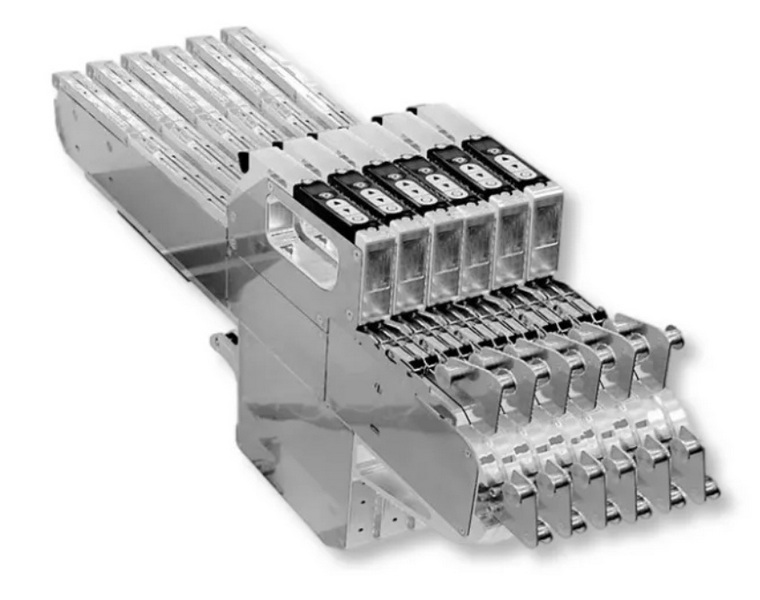
Check all mounting bolts and fiducial alignments on the SMT feeder base, tightening as needed with torque specs from the manual. Use precision laser alignment tools or vision systems to reposition the SMT feeder relative to the machine's nozzle path. Recalibrate pitch, width, and swivel settings via the SMT feeder's setup menu, inputting exact component dimensions.
Run dry cycles observing pickup centering from the SMT feeder, adjusting offsets in software. Verify escapement timing synchronization between the SMT feeder and placer head. Persistent issues may require replacing worn guide rails or bearings in the SMT feeder assembly.
Examine rollers and drive wheels for flat spots, glazing, or debris; replace if diameter deviates more than 0.1mm from specs. Calibrate feed step length precisely matching the component pitch using the SMT feeder's teaching function. Clean and lubricate peel pins lightly, ensuring proper cover tape separation without tearing in the SMT feeder.
Update firmware and check for software conflicts affecting SMT feeder timing. Test with multiple reel types to confirm consistent performance across batches. Monitor torque on feed motors during operation to detect slippage early.
Trace wiring harnesses for frays, pinches, or corrosion at connectors in the SMT feeder. Test fuses, relays, and power rails with a multimeter, replacing any out-of-spec components. Inspect control boards for burnt traces or swollen capacitors common in high-use SMT feeders.
Cycle power after repairs, clearing error latches, and verify LED indicators sequence correctly on the SMT feeder. Use continuity checks across encoders and limit switches.
Wipe optical sensors with lint-free cloths and 99% IPA, realigning if beam paths are obstructed in the SMT feeder. Test sensor outputs with a signal generator, confirming digital highs/lows match tape presence. Stabilize input voltage with dedicated PSUs, avoiding shared lines that fluctuate.
Replace faulty sensors exhibiting erratic readings and recalibrate thresholds in SMT feeder parameters. Monitor ground integrity to prevent noise-induced false triggers.
Implement a tiered schedule: daily wipe-downs of SMT feeder exteriors, tape paths, and sensors; weekly lubrication of gears and belts with manufacturer-approved grease; monthly full disassembly for deep cleaning and wear inspections. Track run hours via logs, scheduling overhauls at 10,000 cycles per SMT feeder.
Stock critical spares like rollers, belts, sensors, and motors tailored to your SMT feeder models. Train operators on correct tape loading, splicing, and error reporting to prevent misuse-induced failures. Environmentally, maintain cleanrooms below 50% humidity to reduce static on SMT feeders.
Vibration dampening mounts and cooling fans extend SMT feeder life in harsh factory settings. Partner with providers like Highlywin for customized maintenance kits, on-site audits, and rapid spare parts delivery globally.
Integrate IoT-enabled monitoring on SMT feeders for real-time alerts on anomalies like vibration spikes or feed deviations. Upgrade to servo-driven SMT feeders for superior precision in fine-pitch applications. Employ machine learning analytics on SMT feeder data to predict failures before they occur.
Optimize tape paths with custom guides for tricky components, reducing stress on SMT feeders. Conduct root cause analysis (RCA) post-incident, refining processes iteratively. Simulate high-load scenarios during off-hours to baseline SMT feeder performance.
Mastering the troubleshooting of common SMT feeder problems empowers production teams to sustain high uptime, cut costs, and elevate quality in SMT assembly. Proactive strategies combined with expert support from Highlywin ensure your SMT feeders operate at peak efficiency, supporting one-stop solutions for global clients.
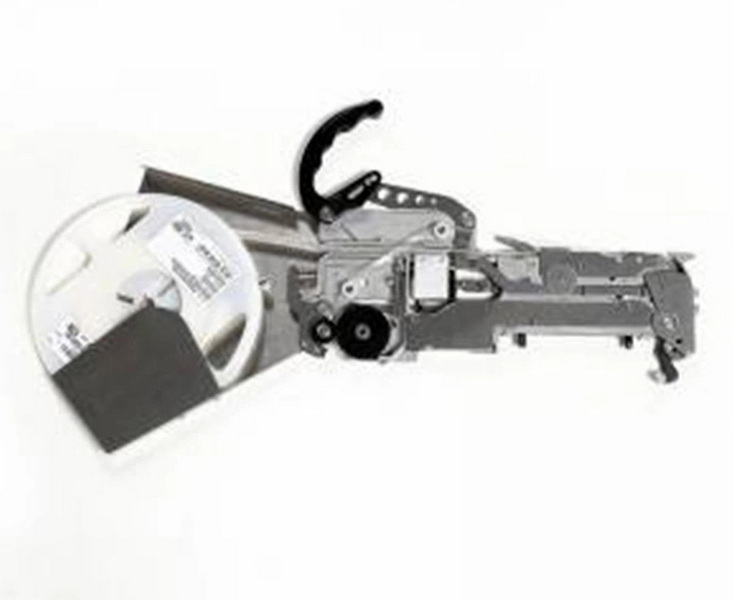
Unusual noises like grinding or clicking, frequent component jams, persistent error codes on the HMI, inconsistent feeding rates, or visible wear on SMT feeder parts signal malfunctions. Early detection through routine checks prevents escalation.
Daily visual inspections, weekly cleaning and lubrication, monthly deep cleans, and quarterly full calibrations suit most SMT feeders. High-volume lines demand more frequent servicing based on usage data.
Yes, trained operators handle most jams by safely powering down, clearing obstructions, cleaning paths, and resetting the SMT feeder. Electrical or mechanical faults require certified technicians.
Multimeters, precision calipers, alignment jigs, compressed air kits, torque wrenches, and diagnostic software form the core toolkit for effective SMT feeder repairs.
Standardize tape handling protocols, implement usage logging, stock quality spares, and schedule predictive maintenance to minimize SMT feeder errors long-term.


