Your Trusted Partner from Prototyping to Mass Production, Email Us:info@highlymachine.com
Please Choose Your Language


Views: 222 Author: Ann Publish Time: 2025-12-26 Origin: Site


Content Menu
● Understanding the Role of SMT Accessories
● Why Upgrading SMT Accessories Matters
● Step-by-Step Guide to Integrate New SMT Accessories
>> Step 1: Evaluate Your Current SMT Line Setup
>> Step 2: Define Objectives and Performance Targets
>> Step 3: Verify Compatibility Across Systems
>> Step 4: Develop a Detailed Integration Plan
>> Step 5: Execute Installation and Calibration
>> Step 6: Integrate with Software and Data Systems
>> Step 7: Test, Validate, and Optimize
● Case Example: Optimizing Production Performance with Highlywin SMT Accessories
● How Highlywin Supports Your SMT Integration
● FAQs About Integrating SMT Accessories
>> (1) What key SMT accessories should be upgraded first?
>> (2) How do I ensure compatibility between new accessories and older equipment?
>> (3) What kind of training is needed after integration?
>> (4) How can I measure ROI after upgrading SMT accessories?
>> (5) What maintenance routine ensures accessory longevity?
In the fast-evolving world of electronics manufacturing, Surface Mount Technology (SMT) lines play a central role in ensuring high-quality, high-speed assembly of printed circuit boards (PCBs). As global demand for smaller, faster, and more power-efficient devices continues to rise, upgrading your production line with new SMT accessories is no longer optional—it's a necessity.
However, integrating new accessories into an existing production line is not as simple as replacing parts. Each modification requires careful assessment of compatibility, calibration, software synchronization, and operator training. Done right, the process can boost efficiency, quality, and cost-effectiveness across your entire manufacturing operation.
At Highlywin, we specialize in providing complete SMT equipment, AI solutions, and periphery accessories, helping clients worldwide achieve a fully optimized SMT ecosystem. This guide explains, step by step, how to integrate new SMT accessories into your production line while minimizing risks and maximizing performance.

SMT accessories are essential supplementary components that improve the reliability and flexibility of your production line. They optimize the performance of key processes such as solder paste printing, component placement, and reflow soldering, serving as the link between precision machinery and production throughput.
Common categories of SMT accessories include:
- Feeders and feeder carts: Boost efficiency by enabling continuous component feed with minimal downtime.
- Nozzles and suction heads: Enhance pick-and-place performance, crucial for micro components.
- Conveyors and transport systems: Integrate different machines into a seamless, automated line.
- Stencil cleaning systems and paste management tools: Maintain consistent solder paste quality.
- Sensors, vision modules, and cameras: Provide precise optical inspection for improved accuracy.
- ESD tools and storage systems: Protect components against electrostatic damage.
Each accessory plays a unique part in improving yield, productivity, and process stability, collectively driving smarter, leaner electronics manufacturing.
Upgrading SMT accessories helps you stay ahead of your competition and ensures your production line can handle next-generation components and increasing demands for precision. The benefits include:
- Higher efficiency and throughput: Advanced feeders or vision systems can dramatically increase cycle times.
- Reduced downtime: Modern accessories feature smart diagnostics and improved mechanics that minimize stoppages.
- Enhanced accuracy: Precision tooling reduces offset errors and improves placement reliability.
- Energy efficiency: Newer accessory models often require less power for equal or better output.
- Adaptability: Supports smaller package sizes such as 01005, BGA, and CSP components.
When viewed strategically, upgraded SMT accessories offer one of the best returns on investment (ROI) in industrial manufacturing.
A successful upgrade begins with a comprehensive evaluation of your current equipment and performance. Review every section of the line—from screen printer and pick-and-place machines to reflow ovens and conveyors.
Key considerations include:
- Assess machine make, model, and year of manufacture.
- Record existing accessory types and wear conditions.
- Check hardware and software compatibility.
- Evaluate production data such as yields, downtime incidents, and maintenance logs.
Creating a clear baseline allows you to target weak spots where upgraded SMT accessories will deliver measurable impact.
Before purchasing or installing anything, define clear integration goals. Different objectives require different strategies:
- Productivity optimization: Faster feeders or automated tray exchangers.
- Quality improvement: Advanced vision systems or fine-pitch nozzles.
- Automation upgrade: Smart sensors or networked components.
Establish measurable criteria—such as a 15% improvement in throughput or a 30% reduction in feeder errors—to evaluate post-upgrade performance effectively. These objectives will guide decisions on equipment specifications and integration timelines.
One of the most underestimated steps in integrating new SMT accessories is verifying compatibility among machines, electrical systems, and software. Mismatched accessories can lead to communication errors, part damage, or inaccurate placement.
Checklist for verification:
- Match voltage, communication protocols, and interface connectors.
- Ensure feeder banks and gantry heads align with new nozzles.
- Validate firmware and software compatibility.
- Confirm sensor calibration and software plug-ins function correctly.
At Highlywin, we support cross-brand compatibility checks and integration between systems like Yamaha, JUKI, Fuji, Panasonic, and ASM—helping customers create hybrid, high-performance lines without replacing entire systems.
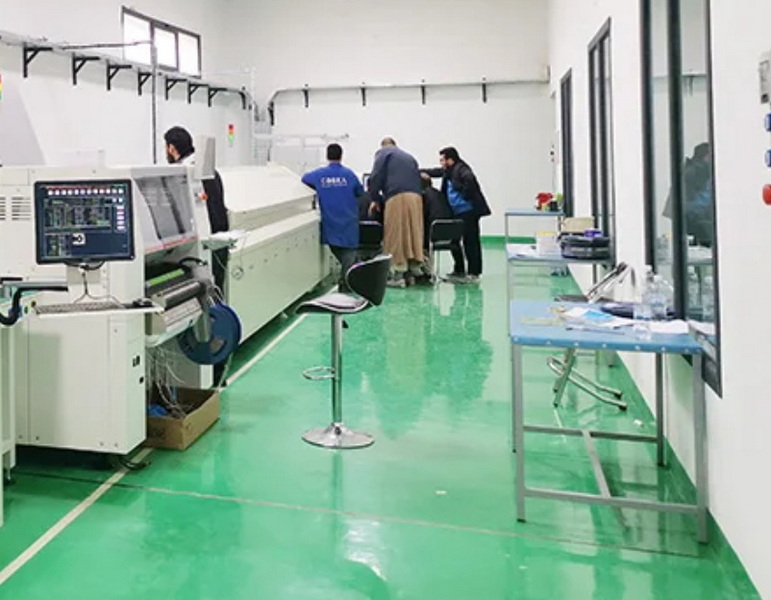
An integration timeline ensures that line upgrades proceed smoothly without major production interruption. A structured plan may include:
1. Pilot testing on one machine to identify adjustments needed.
2. Operator training sessions focusing on new maintenance and calibration procedures.
3. Gradual rollout, starting with non-critical production zones.
4. Performance evaluation after each integration phase.
This approach prevents downtime while ensuring lessons learned from each phase are applied to subsequent installations across the line.
Once compatible accessories are verified, proper installation and calibration determine long-term success. Precision alignment, air pressure settings, and communication signals must be carefully adjusted.
Installation best practices include:
- Use certified technicians for feeder alignment and head assembly.
- Calibrate vision and camera modules after installation.
- Adjust nozzle suction pressure to match component weights.
- Perform continuity tests on all electronic connections.
- Record new baseline settings for future maintenance tracking.
Remember, every SMT accessory performs at its best only when fine-tuned to your production environment.
Modern manufacturing increasingly relies on software-driven process control. Integrating your new SMT accessories within the digital layer of your production system ensures consistency and traceability.
Consider these software-level integrations:
- MES (Manufacturing Execution System) connection for real-time data reporting.
- AI defect detection using high-resolution cameras.
- SPC (Statistical Process Control) for analyzing production variation.
- IoT connectivity for predictive maintenance alerts.
By merging hardware and software, your SMT line becomes more intelligent, enabling predictive analytics and remote supervision.
After installation, rigorous testing validates whether the modifications achieve intended results. Conduct continuous test runs using various board types, component sizes, and production speeds.
Focus on key parameters such as:
- Cycle time per board.
- Placement precision and reject rate.
- Feeder downtime and refill efficiency.
- Reflow defect ratio (bridging, tombstoning, etc.).
Use statistical data to adjust parameters and further fine-tune line settings. Over time, minor calibrations will yield major performance improvements.
Integrating new SMT accessories isn't just about equipment upgrades—it's about adopting a culture of continuous improvement. To ensure sustainability:
- Follow manufacturer guidelines for installation, temperature, and cleaning procedures.
- Maintain detailed documentation for every update or replacement part.
- Train your operators regularly using manufacturer training modules.
- Inspect attachments periodically to prevent misalignment or mechanical drift.
- Partner with a reliable supplier like Highlywin for ongoing support and spare parts.
These practices extend the lifespan of your accessories and create a stable, predictable production environment.
A mid-sized electronics manufacturer upgraded its production line by integrating Highlywin SMT accessories, focusing on new feeders, precision nozzles, and sensors for its dual Yamaha pick-and-place system.
The project achieved:
- 25% improvement in placement speed.
- 30% reduction in part misfeeds.
- Lower maintenance costs due to modular design.
- Shorter setup time, cutting down on shift transitions.
This successful transformation exemplifies how coordinated integration of high-quality SMT accessories can elevate performance and protect long-term investments.
Highlywin offers more than just products—we deliver partnership-driven solutions that accompany you through every phase of integration:
- Consultation Services: Evaluate existing production capacity and set improvement goals.
- Compatibility Verification: Ensure accessories fit seamlessly across machine brands.
- Turnkey Solutions: Combine accessories, machines, and AI modules for full automation.
- After-Sales Support: Provide global maintenance, spare parts, and technical assistance.
- Training and Documentation: Support operators and engineers with real-time expertise.
With Highlywin, customers benefit from a one-stop SMT ecosystem designed for scalability, efficiency, and global competitiveness.
Integrating new SMT accessories is one of the most effective strategies to enhance the flexibility and scalability of existing production lines. By combining modern technology, precision engineering, and proper data integration, manufacturers can achieve improved yield, faster turnaround, and reduced operational costs.
Rather than viewing upgrades as isolated improvements, treat accessory integration as part of a comprehensive modernization effort. From feeders and nozzles to advanced sensors and conveyors, every piece contributes to creating a smarter, faster, and more adaptable SMT ecosystem.
Highlywin remains committed to supporting customers with high-quality products, technical expertise, and personalized integration solutions that ensure smooth transitions and sustainable growth within the electronics manufacturing industry.
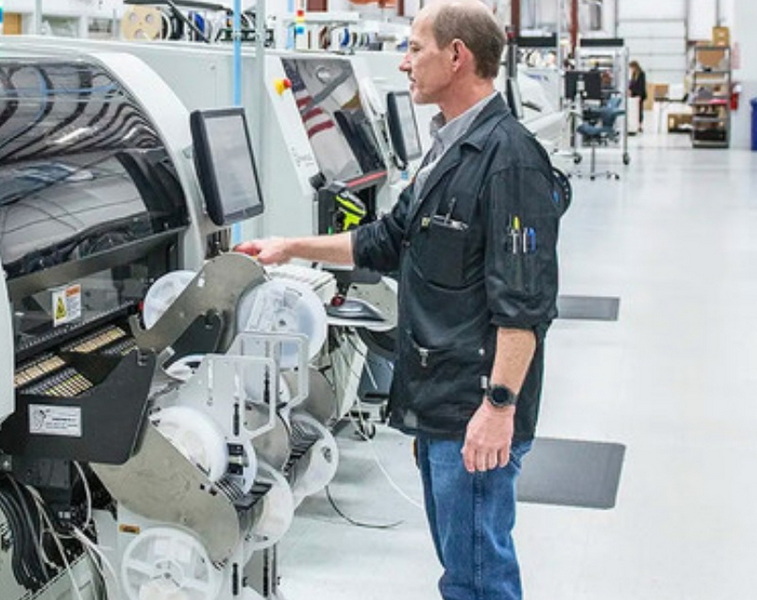
The most impactful accessories to upgrade first are feeders, nozzles, and vision systems. These components directly influence accuracy, speed, and yield, offering an immediate boost to production efficiency.
Always check model specifications, software versions, and interface standards. Highlywin provides professional compatibility assessments to match accessories with legacy systems across brands like Fuji, Yamaha, JUKI, and Panasonic.
Operators need updated training on machine setup, alignment, and maintenance procedures. Highlywin offers both on-site and remote training modules to help teams adapt quickly.
Compare production metrics such as cycle time, line yield, and defect rate before and after the upgrade. Improved metrics over several production runs will clearly indicate the ROI of your accessory investment.
Follow a routine of cleaning, lubrication, and ESD inspection. Replace worn-out parts early and ensure nozzles, feeders, and sensors undergo periodic recalibration for consistent accuracy.


