Your Trusted Partner from Prototyping to Mass Production, Email Us:info@highlymachine.com
Please Choose Your Language


Views: 222 Author: Ann Publish Time: 2025-12-14 Origin: Site


Content Menu
● What Is Surface Mount Technology (SMT)?
>> From Manual Assembly to Intelligent Automation
● SMT Machines and Their Core Components
>> Reflow Oven
>> Inspection and Testing Equipment
● The Role of SMT in Consumer Electronics
>> Home Appliances and Smart Homes
● Technological Innovations Driving Modern SMT Machines
>> 3D Optical and X-ray Inspection
>> Multi-Function and Modular SMT Platforms
>> Connectivity and IoT Integration
● Smart Factories and the Digital Future of SMT
>> Features of Smart SMT Factories
● Sustainability and Environmental Impact
● SMT and Global Supply Chain Optimization
>> Benefits of SMT-Integrated Supply Chains
● How SMT Machines Improve Productivity and Quality
● Future Trends in SMT Technology
● Challenges Facing the SMT Industry
● FAQ
>> 1. What exactly do SMT machines do?
>> 2. Why is SMT preferred over through-hole assembly?
>> 3. What types of SMT machines are used in a typical production line?
>> 4. How do AI and automation enhance SMT manufacturing?
>> 5. What is the future outlook for SMT technology?
In the digital era, consumer electronics evolve faster than ever. From smartphones and wearables to smart home devices and automotive sensors, all depend on highly efficient, compact, and reliable electronic assemblies. Behind these products stands the silent powerhouse of modern electronics manufacturing — Surface Mount Technology (SMT).
SMT machines have transformed how electronic components are assembled, enabling the production of smaller, lighter, and more complex devices. This evolution hasn't just improved speed and consistency — it has reshaped global manufacturing strategies and accelerated the development of next-generation technologies.
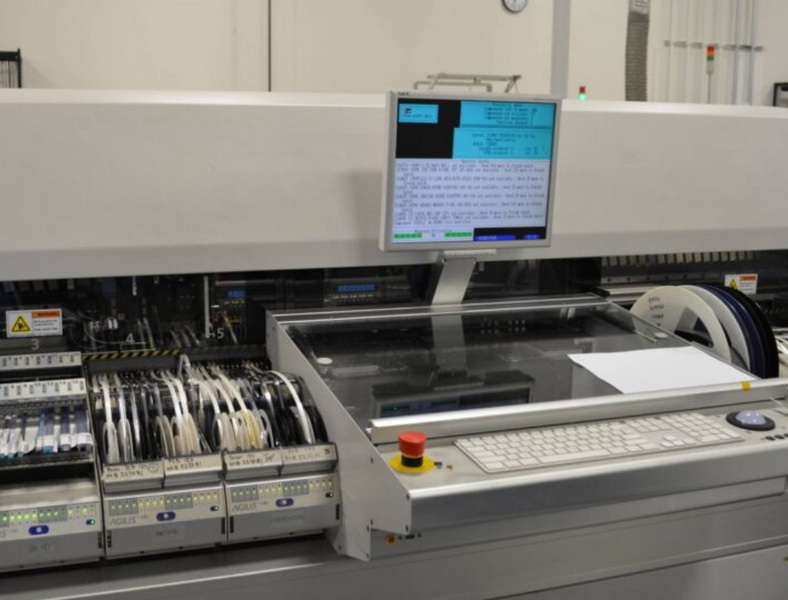
Surface Mount Technology (SMT) is a method used to produce electronic circuits in which the components are mounted directly onto the surface of printed circuit boards (PCBs). In contrast with older through-hole assembly methods that required drilling holes for component leads, SMT streamlines production and allows more components to fit into smaller spaces.
- Miniaturization: Enables ultra-compact, lightweight devices.
- Automation: SMT machines use robotics to automate component placement with pinpoint precision.
- Mass Production: Capable of assembling tens of thousands of components per hour.
- Reliability: Reduced manual handling minimizes assembly defects.
- Cost Efficiency: Fewer materials, faster assembly, and lower maintenance expenses.
In short, SMT technology allows electronic manufacturers to balance performance, cost, and miniaturization — the three pillars of modern device design.
The evolution of SMT machines has mirrored the pace of innovation in consumer electronics. Early systems offered basic placement functions and limited component compatibility. Modern SMT equipment, however, integrates robotics, artificial intelligence, and cloud-based control systems to deliver real-time optimization.
In the 1980s, electronic assembly relied heavily on manual labor. Operators placed resistors, capacitors, and chips by hand, limiting throughput and increasing human error. The arrival of automatic pick-and-place SMT machines changed everything.
Over time, these machines integrated new technologies, including:
- Vision-assisted placement: Cameras detect component orientation and position before placement.
- AI-powered optimization: Algorithms calculate ideal placement sequences and adjust for defect patterns.
- Closed-loop control systems: Real-time process feedback ensures perfect accuracy.
- Connectivity: SMT lines now link directly to manufacturing execution systems (MES) for coordinated production control.
The result? Faster, smarter, and more reliable assembly processes that scale effortlessly with global demand.
Every SMT production line consists of several key systems that work in harmony:
Applies solder paste to PCB pads with micrometer-level precision using a stainless-steel stencil. Uniform coverage ensures strong and consistent connections between components and board surfaces.
The heart of any SMT line. Equipped with multiple robotic nozzles, the pick-and-place machine picks up tiny components and positions them at incredible speeds, often exceeding 100,000 placements per hour.
After placement, PCBs pass through a reflow oven where controlled heat melts the solder paste, bonding the components permanently to the board.
Automated Optical Inspection (AOI), X-ray systems, and laser measurement tools verify component alignment and solder joint quality, reducing rework and improving first-pass yield.
Each SMT machine plays a specialized role, and together they define the operational excellence of an electronics production line.
Modern smartphones are prime examples of high-density integration. The latest SMT machines achieve ultra-fine pitch placements necessary for microchips, processors, sensors, and miniature capacitors — all packed onto small PCB areas.
Smartwatches, fitness trackers, and IoT health monitors rely on micro-scale SMT assembly to accommodate sensors, flexible batteries, and microprocessors on lightweight substrates.
From smart refrigerators to AI speakers, household electronics depend on high-speed SMT machines that deliver consistent quality and enable wireless communication modules like Wi-Fi, Bluetooth, and Zigbee.
Safety systems, EV battery management boards, and infotainment panels are built using robust SMT designs that meet automotive-grade standards for vibration resistance and thermal stability.
By enabling ultra-light and compact circuitry, SMT supports dynamic technologies such as drones and collaborative robots, allowing for faster computation and power efficiency in smaller footprints.
As electronics become more intricate, SMT machines continuously evolve to meet tighter tolerances and faster production cycles.
AI algorithms learn from production data to anticipate alignment issues, predict feeder shortages, and optimize placement routes automatically. This not only minimizes downtime but also improves component utilization rates.
Next-generation inspection machines now include 3D profiling and AI-driven pattern recognition. They detect micro defects like solder voids or misaligned leads invisible to traditional cameras.
Manufacturers demand flexibility to handle varying product types. Modular SMT machines allow quick adaptation between smartphone mainboards and industrial controller boards without extensive changeover time.
SMT is merging with industrial IoT principles. Connected SMT equipment streams data directly into cloud dashboards where engineers can monitor yield, energy use, and predictive maintenance metrics in real time.
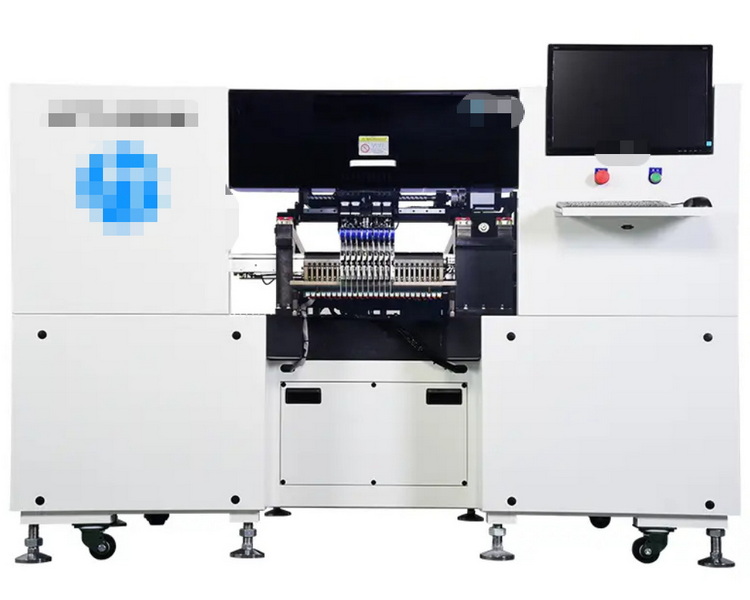
The rise of smart factories powered by Industry 4.0 is reshaping electronics manufacturing. SMT machines form the backbone of these digitalized environments, communicating seamlessly with warehouse, logistics, and quality control systems.
- Digital Twins: Virtual models of SMT lines simulate production performance and test new configurations before deployment.
- Predictive Maintenance: Sensors track vibration, nozzle usage, and feeder performance to predict machine wear and schedule service automatically.
- Remote Operations: Engineers can reprogram placement lines from anywhere via secure cloud platforms.
- Adaptive Learning: Systems dynamically recalibrate based on real-time production data.
These smart integrations enable continuous improvement, minimize scrap rates, and maximize factory uptime — critical for meeting the world's growing appetite for electronics.
With the global push toward greener manufacturing, SMT machines now play a crucial role in sustainability.
- Lead-free soldering technologies eliminate toxic materials and comply with global RoHS standards.
- Energy-efficient reflow ovens use advanced heating zones to minimize electricity consumption.
- Reduced waste from intelligent component placement cuts scrap and lowers landfill impact.
- Recyclable materials and modular SMT machine design extend equipment lifespan.
Sustainable SMT practices do more than protect the environment — they enhance brand value and meet the regulatory expectations of international supply chains.
The efficiency of modern supply chains depends heavily on SMT data integration. By connecting SMT machines with ERP and MES systems, manufacturers gain full traceability from component sourcing to finished goods.
- Real-time inventory updates prevent stockouts or overproduction.
- Traceability ensures every PCB can be tracked for compliance and warranty purposes.
- Automated logistics coordinate material flow between production cells and warehouses.
- Faster responsiveness to fluctuations in customer demand and design revisions.
This level of synchronization allows companies to remain competitive even amid global disruptions or shifts in component availability.
The dual pursuit of speed and reliability drives SMT equipment innovation.
Each generation of SMT machines boosts component placement rates. Parallel heads, intelligent feeders, and optimized nozzles cut production time drastically without sacrificing precision.
High-resolution vision systems and precision linear drives ensure every component lands at its exact calculated coordinate, reducing human intervention and post-inspection rework.
Though SMT lines require higher initial investment, automation significantly lowers labor costs and quality losses, resulting in long-term profitability.
The next decade will transform SMT machines even further:
- Self-calibrating systems that adjust placement and printing parameters autonomously.
- Nanotechnology components requiring ultra-fine accuracy at sub-10-micron levels.
- Additive and hybrid electronics where SMT merges with 3D-printed circuits.
- Collaborative robots (cobots) working alongside SMT operators for flexible manufacturing.
- AI-driven global networks linking SMT data with supply chain analytics for end-to-end intelligence.
As these innovations mature, electronics manufacturing will evolve toward “lights-out” smart factories — fully automated systems producing around the clock with minimal human input.
Despite its advantages, SMT faces new challenges that demand creative solutions.
- Component miniaturization: Handling 01005 and smaller packages requires continual technological improvement.
- Skilled labor gaps: Engineers must adapt to rapidly changing software-driven environments.
- Upfront costs: Investing in advanced SMT machines can strain small manufacturers.
- Maintenance demands: High-precision equipment requires regular calibration and technical support.
- Supply chain strain: Delays in semiconductor availability can slow entire SMT production lines.
By addressing these challenges through smarter machine design, modular systems, and collaborative innovation, the SMT industry is well-positioned to sustain its leadership in global electronics manufacturing.
The influence of SMT machines on consumer electronics cannot be overstated. They enable the creation of ultra-compact, energy-efficient, and intelligent devices that define modern lifestyles. From the moment a wearable monitors health data to the instant a smartphone connects across the world, the precision and speed of SMT are at work behind the scenes.
In the years ahead, SMT will continue evolving toward fully intelligent, interconnected ecosystems — where every placement, inspection, and data point contributes to smarter, greener, and more flexible manufacturing. For companies aiming to thrive in the digital economy, investing in next-generation SMT solutions is both a strategic and forward-looking decision.
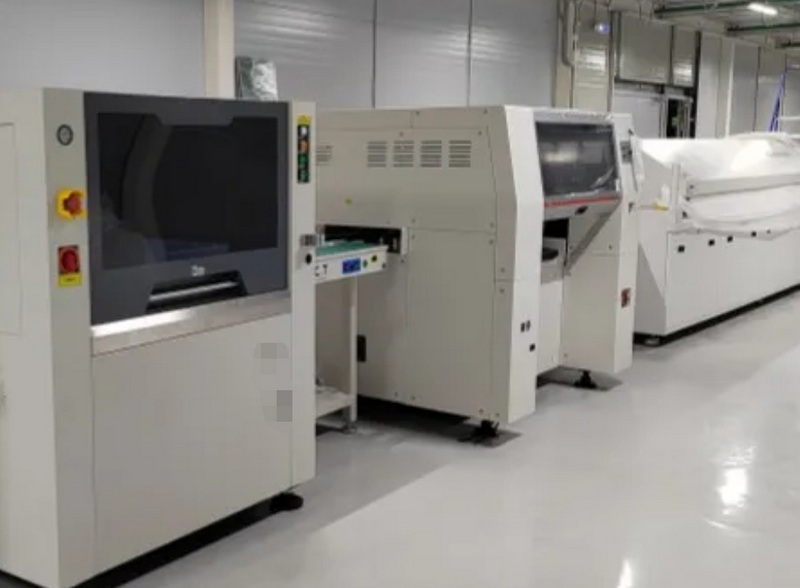
SMT machines automatically place and solder electronic components onto the surface of PCBs with incredible precision. They handle everything from chip resistors to complex integrated circuits used in modern electronics.
Through-hole assembly requires drilling and manual soldering, while SMT mounts components directly on the board surface. This saves space, increases speed, and allows higher component density, which is crucial for portable devices.
A standard SMT line includes a solder paste printer, pick-and-place machine, reflow oven, and automated inspection systems. Each plays a vital role in ensuring efficiency and high-quality output.
AI helps analyze data from SMT machines to predict potential issues, optimize placement sequences, and reduce defects. Automation ensures repeatable results and shortens product cycle times.
SMT's future lies in full digitalization — smart factories with AI-driven decision-making, sustainable soldering materials, and even integration with additive manufacturing to produce flexible, hybrid electronics.


