Your Trusted Partner from Prototyping to Mass Production, Email Us:info@highlymachine.com
Please Choose Your Language


Views: 222 Author: Ann Publish Time: 2025-12-15 Origin: Site


Content Menu
● Key Components of SMT Feeders
● Daily Maintenance Routines for SMT Feeders
● Weekly Deep Cleaning and Lubrication Protocols
● Monthly Calibration and Alignment Procedures
● Quarterly Preventive Inspections for SMT Feeders
● Troubleshooting Common SMT Feeder Failures
● Advanced Techniques for SMT Feeder Optimization
● Safety Best Practices in SMT Feeder Maintenance
● Highlywin's Comprehensive SMT Feeder Solutions
● FAQ
>> 1. How frequently should SMT feeders undergo full inspections?
>> 2. What causes most SMT feeder pickup failures?
>> 3. Are lubricants interchangeable across SMT feeder brands?
>> 4. How does environment impact SMT feeder performance?
>> 5. What spares should be stocked for SMT feeders?
Maintaining SMT feeders is essential for seamless SMT production, ensuring high accuracy and minimal downtime in electronics manufacturing. Highlywin, a premier provider of SMT/AI/peripheral equipment, full-service support, and spare parts, delivers one-stop SMT solutions worldwide to optimize your SMT feeders.

SMT feeders play a pivotal role in surface mount technology lines by precisely advancing component tapes to pick-and-place heads. These devices handle everything from tiny 0201 resistors to larger ICs, making their reliability critical for SMT efficiency. Without proper care, SMT feeders can cause mispicks, jams, and halted production, leading to costly delays.
Highlywin specializes in sourcing and servicing SMT feeders for brands like Yamaha, Panasonic, and Fuji, offering compatible replacements and expert advice. Understanding SMT feeder types—such as mechanical, pneumatic, and intelligent models—helps tailor maintenance strategies. Vibratory SMT feeders suit bulk parts, while tape-and-reel SMT feeders dominate high-volume runs.
Regular attention to SMT feeders extends their lifespan beyond 5-10 years, depending on usage intensity. Factors like production volume, component types, and environmental conditions influence SMT feeder wear. This comprehensive guide from Highlywin outlines proven practices to keep your SMT feeders performing optimally.
SMT feeders integrate several core elements: the feeder body, tape guide rails, indexing motor, cover tape peeler, and optical sensors. The pickup nozzle interface ensures components sit flush for reliable vacuum picks. Sensors in SMT feeders detect tape presence, empty reels, and errors, triggering machine stops if needed.
Motors drive precise indexing steps, typically 4-12mm per cycle, synchronized with SMT machine speeds up to 100,000 components per hour. Cover tape peelers remove adhesive films without tearing, a common failure point in SMT feeders. Gears, belts, and springs endure constant motion, demanding vigilant checks.
Electrical PCBs control logic and feedback loops in modern SMT feeders. Highlywin stocks these boards for quick swaps, minimizing retrofit times. Familiarity with your SMT feeder's schematic aids targeted maintenance, preventing widespread issues.
Begin each day with a 10-minute visual sweep of all SMT feeders: look for tape residue, loose fasteners, or bent guides. Blow out dust from SMT feeder crevices using 99% isopropyl alcohol wipes and low-pressure air (under 30 PSI) to avoid damaging sensors. Never use vacuums, as they generate static on SMT feeders.
Test each SMT feeder with a short tape run, observing for smooth advancement and consistent component height. Log any anomalies, such as stuttering motors or erratic sensor lights on SMT feeders. Verify vacuum levels at pickup points across multiple SMT feeders to catch pressure drops early.
Anti-static mats around SMT feeders prevent ESD damage during handling. Highlywin recommends color-coded checklists for operators, rotating focus between SMT feeder banks daily. These habits catch 80% of issues before they escalate.
- Inspect tape paths for wear marks.
- Clean sensor windows on SMT feeders.
- Tighten all accessible screws.
- Confirm empty reel detectors function.
Disassemble non-critical SMT feeder parts weekly during shift changes: remove peelers, guides, and motor covers. Scrub SMT feeder interiors with ESD-safe brushes and precision solvents to dissolve adhesive buildup. Rinse with isopropyl and dry thoroughly before reassembly.
Apply light machine oil to pivot points and high-load grease to gears in SMT feeders, using no more than a drop per joint. Excess lubricant on SMT feeders attracts contaminants, accelerating wear. Rotate SMT feeders through maintenance slots to balance line uptime.
Post-clean, cycle test 50 indexes per SMT feeder, measuring accuracy with calipers. Highlywin supplies specialized kits with lubricants calibrated for SMT feeder tolerances. Track cleaning efficacy via pick rate metrics from your SMT software.
Dedicate a maintenance window monthly to sensor recalibration on SMT feeders using manufacturer test tapes or vision jigs. Adjust laser or fiber-optic sensors for 0.1mm precision in component detection. Fine-tune tape tensioners to prevent over-pull or slack in SMT feeders.
Align pickup heights across all SMT feeders with a height gauge, compensating for thermal expansion in high-run environments. Run full diagnostics via host machine interfaces, resetting error counters on SMT feeders. Replace timing belts if elongation exceeds 5%.
Highlywin's remote diagnostics service analyzes SMT feeder logs, suggesting tweaks without onsite visits. Calibration logs should include before/after data, photos of setups, and performance deltas. This rigor maintains sub-1% defect rates.
Quarterly teardowns reveal hidden wear: inspect bearings, clutches, and wiring insulation in SMT feeders. Swap out high-wear items like peel blades preemptively. Ultrasonic testing on SMT feeders detects micro-cracks in plastic housings early.
Audit environmental controls: SMT feeders thrive at 20-25°C and 45-55% RH, away from vibrations. Implement ESD flooring and ionizers near SMT feeder zones. Highlywin offers vibration-dampening mounts for legacy SMT feeders.
Thermal cameras scan SMT feeders for hot spots indicating motor strain. Vibration meters quantify noise levels, correlating to impending failures. These tools predict 90% of SMT feeder breakdowns.
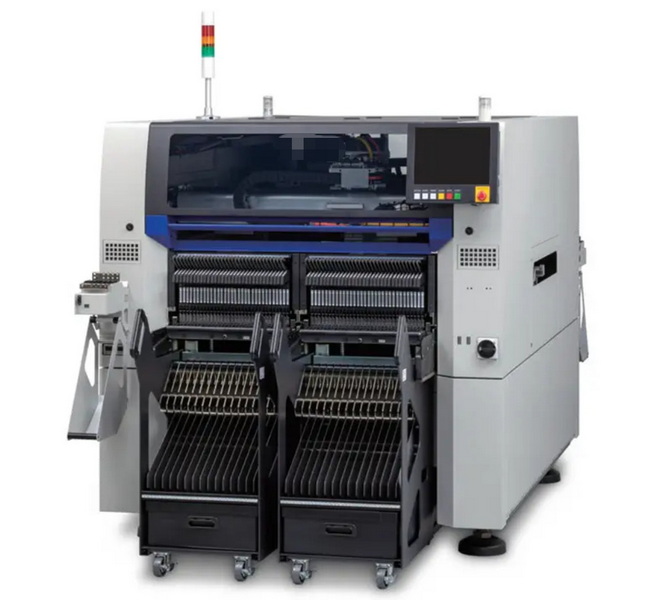
No-pick errors in SMT feeders often stem from low vacuum or tilted components—elevate vacuum and realign tapes. Frequent jams signal guide wear; polish or replace rails on SMT feeders. Sensor timeouts require lens cleaning or firmware updates.
Motor stalls trace to gearbox binding: disassemble, clean, and relube SMT feeders. Empty reel faults may indicate faulty switches—bypass test to isolate. Highlywin's troubleshooting matrix matches symptoms to root causes for all SMT feeder models.
Systematic diagnostics:
1. Isolate suspect SMT feeder.
2. Cycle standalone with power supply.
3. Cross-check with known-good tape.
4. Update firmware if applicable.
Persistent issues warrant board-level repairs via Highlywin's certified labs.
Deploy IoT-enabled SMT feeders with real-time telemetry for predictive analytics. Machine learning algorithms forecast wear on SMT feeders from cycle data, scheduling just-in-time service. Vibration and current sensors on SMT feeders enable condition-based maintenance.
Upgrade to smart SMT feeders with auto-adjusting tension and self-healing peelers. Highlywin integrates these with MES systems for holistic SMT line oversight. Firmware mods enhance compatibility across SMT feeder generations.
Finite element analysis simulates stress on SMT feeders, guiding retrofits. Staff training on SMT feeder nuances—like feeder bank sequencing—boosts throughput 15-20%.
Lock out/tag out power to SMT feeders before any internal work, verifying zero voltage. ESD wrist straps and smocks are mandatory near SMT feeders. Use tooling hooks to avoid pinching fingers during reassembly.
Housekeeping prevents slips: coil cables away from SMT feeder paths. Highlywin mandates annual safety audits, including ergonomic assessments for SMT feeder handling. Emergency stops must override all SMT feeder functions.
Highlywin maintains vast inventories of OEM and aftermarket parts for every SMT feeder type, with 24-48 hour global shipping. Our field engineers perform on-site audits, calibrations, and overhauls for SMT feeders. Tailored service contracts scale with your SMT production needs.
Explore Highlywin's feeder calibration kits, diagnostic software, and training academies. From pneumatic upgrades to AI-vision retrofits, we future-proof your SMT feeders. Contact us for bespoke maintenance blueprints.
Mastering SMT feeder maintenance transforms production reliability, slashing downtime by up to 70% and elevating yields. From daily wipes to predictive IoT monitoring, these best practices ensure your SMT feeders endure demanding schedules. Highlywin stands ready with parts, expertise, and innovation to power your success in SMT assembly.
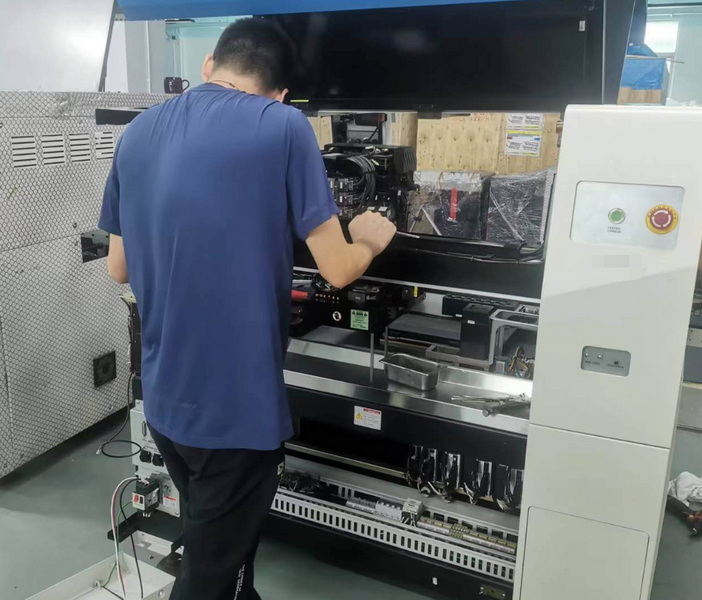
Perform full inspections quarterly on SMT feeders, combining visual, thermal, and vibrational checks. Daily and weekly routines bridge gaps, while Highlywin's annual overhauls extend SMT feeder life significantly.
Dust on sensors, improper tape tension, or worn peelers cause most SMT feeder pickup issues. Regular cleaning and monthly alignments resolve 95% of cases swiftly.
No—use brand-specific or Highlywin-approved lubricants for SMT feeders to avoid compatibility issues. Grease for gears differs from oils for sliders.
High humidity warps tapes, while dust clogs SMT feeders—target 45-55% RH and clean air filtration. ESD controls protect electronics in SMT feeders.
Stock peel blades, sensors, motors, and belts for your top SMT feeders. Highlywin's predictive stocking service matches usage patterns.


