Your Trusted Partner from Prototyping to Mass Production, Email Us:info@highlymachine.com
Please Choose Your Language


Views: 222 Author: Ann Publish Time: 2026-01-21 Origin: Site


Content Menu
● What Is SMT And SMT Machines?
● The SMT Assembly Process Overview
● Solder Paste Printing Machines
● Solder Paste Inspection (SPI) Machines
● Wave Soldering And Selective Solder Machines
● PCB Handling And Conveying Equipment
● Curing Ovens And Cleaning Equipment
● Inspection And Test Equipment
● Feeder Systems And Accessories
● Choosing The Right SMT Machines For Your Line
● Smart Factory And Integrated SMT Solutions
● FAQ
>> 1. What are the essential SMT machines for a basic SMT line?
>> 2. How do I choose between manual, semi-automatic, and automatic SMT machines?
>> 3. Why are SPI and AOI SMT machines important?
>> 4. What role do handling SMT machines play in productivity?
>> 5. How do smart factory concepts affect SMT machines selection?
Surface Mount Technology (SMT) has revolutionized electronics manufacturing by enabling the production of compact, high-performance devices at scale. Companies like Highlywin provide comprehensive SMT machines, services, and spare parts to deliver one-stop SMT solutions for global customers in the SMT field.

SMT refers to a method where electronic components are mounted directly onto the surface of printed circuit boards (PCBs) without the need for leads passing through holes. This approach allows for smaller, lighter, and more efficient assemblies compared to traditional through-hole technology. SMT machines automate the entire process, from solder application to final inspection, making high-volume production feasible with minimal human intervention.
The core advantage of SMT machines lies in their precision and speed. Modern SMT machines can place thousands of tiny components per hour, supporting everything from consumer gadgets to automotive electronics. A typical SMT production line integrates multiple SMT machines working in harmony: solder paste printers, pick-and-place SMT machines, reflow ovens, and advanced inspection systems. These SMT machines ensure consistent quality across batches, reducing defects and waste.
Highlywin specializes in sales of SMT machines, AI equipment, peripherals, alongside full-service support and spare parts for the SMT domain. By understanding the different types of SMT machines, manufacturers can optimize their lines for specific needs like prototype runs or mass production.
The SMT assembly process is a sequential workflow where each stage relies on specialized SMT machines to achieve optimal results. It begins with PCB preparation, followed by solder paste deposition, component placement via pick-and-place SMT machines, soldering, inspection, and final handling. Proper synchronization of these SMT machines prevents bottlenecks and maximizes throughput.
Key steps include loading bare PCBs into the line, printing solder paste stencils, inspecting paste deposits, placing components with high-speed SMT machines, melting the paste in reflow ovens, and verifying joints optically or via X-ray. Each transition between SMT machines is managed by conveyors and handlers to maintain flow. For mixed-technology boards, additional wave or selective soldering SMT machines handle through-hole parts after SMT processing.
This integrated approach with diverse SMT machines not only boosts efficiency but also supports Industry 4.0 features like real-time monitoring and data analytics. Factories using advanced SMT machines report up to 30% higher yields and faster time-to-market.
Solder paste printing is the foundational step in SMT assembly, where precise deposits of paste are applied to PCB pads through a metal stencil. High-quality solder paste printers, a critical type of SMT machines, ensure uniform volume and alignment, directly impacting downstream processes like component placement by pick-and-place SMT machines.
Manual solder paste printers suit low-volume prototyping, relying on operator skill for stencil alignment and squeegee pressure. Semi-automatic SMT machines offer vision-assisted alignment and automated squeegee control, ideal for small-batch runs where consistency matters without full automation costs. Fully automatic solder paste printing SMT machines dominate high-volume lines, featuring dual squeegees, automatic stencil cleaning, and closed-loop feedback from inspection tools.
Advanced features in these SMT machines include 2D/3D paste volume measurement, wet/dry wipe cycles, and integration with line software for recipe management. Printer speed typically ranges from 5,000 to 20,000 boards per hour, depending on PCB size and complexity. Choosing the right solder paste printing SMT machine balances upfront investment with long-term productivity gains.
Stencil design and paste rheology also play roles; finer-pitch stencils demand high-end SMT machines with sub-micron alignment. Regular maintenance of these SMT machines, like squeegee blade replacement, prevents print defects that cascade through the line.
After printing, SPI machines verify solder paste deposits for volume, height, position, and shape using 3D laser or white-light scanning. These inline SMT machines catch issues like insufficient paste, bridging, or slumping before components are placed, saving costly rework.
SPI SMT machines provide real-time statistical process control (SPC), alerting operators to drifts and automatically pausing the line if limits are exceeded. High-resolution models measure paste heights down to 1 micron, supporting ultra-fine pitch assemblies. Integration with upstream printers allows automatic parameter adjustments, optimizing SMT machine performance.
In high-mix environments, flexible SPI SMT machines handle varying board sizes and paste types seamlessly. They generate detailed reports for traceability, essential for automotive and medical sectors. Deploying SPI early in the SMT line can improve first-pass yields by 5-10%, directly enhancing the efficiency of subsequent pick-and-place SMT machines.
Pick-and-place SMT machines represent the heart of any SMT line, responsible for fetching components from feeders and positioning them on PCBs with micron-level accuracy. These versatile SMT machines handle everything from 01005 chips to large connectors, operating at speeds up to 200,000 components per hour (CPH).
Manual pick-and-place SMT machines use vacuum tools for low-volume work, suitable for R&D labs. Semi-automatic versions add motorized stages and cameras for better precision. High-speed chip shooter SMT machines excel at tiny passives, using turret heads for rapid nozzle changes. Flexible mounters, another key type of SMT machines, tackle odd-form parts with vision systems and force feedback.
Modular SMT machines allow mixing heads for balanced throughput: chip shooters for volume, mounters for complexity. Intelligent feeders—tape, tray, stick—supply parts reliably, minimizing changeover times. Vision algorithms in modern pick-and-place SMT machines correct for warpage and tombstoning risks.
Feeder capacity scales from 60-200 types per machine, enabling just-in-time production. Nozzle care and calibration keep SMT machines at peak CPH. For Highlywin customers, selecting pick-and-place SMT machines involves matching CPH to demand while considering footprint and feeder investments.
Reflow ovens melt solder paste to form reliable joints, using multi-zone convection heating for precise thermal profiles. These essential SMT machines feature preheat, soak, reflow, and cooling zones to prevent defects like voids or head-in-pillow.
Convection reflow SMT machines circulate hot nitrogen or air evenly, outperforming older IR types on dense boards. Nitrogen atmospheres reduce oxidation, vital for lead-free processes. Profiles are tuned per alloy—typically peaking at 217-260°C—with real-time monitoring via thermocouples.
Inline reflow SMT machines process 5-10 meters per minute, syncing with upstream pick-and-place SMT machines. Cooling tunnels prevent thermal shock. Advanced models include flux extraction and auto-profiling software. Proper reflow SMT machine setup ensures 99% joint integrity across millions of placements.
For through-hole components on SMT-heavy boards, wave soldering SMT machines immerse pins in molten solder waves. Lead-free alloys demand precise fluxing and preheat to avoid bridging near SMT areas.
Selective soldering SMT machines use mini-waves or lasers for pinpoint accuracy, ideal for low-volume mixed-tech boards. Robotic nozzles follow programmed paths, sparing nearby SMT joints. These SMT machines cut flux use and support complex geometries.
Combining reflow and selective SMT machines offers flexibility for diverse products, from IoT devices to power supplies.
Handling SMT machines—loaders, unloaders, conveyors—link processes seamlessly, reducing touch labor. SMEMA-compatible interfaces ensure plug-and-play with printers and pick-and-place SMT machines.
Buffer stackers manage throughput mismatches, while flippers enable double-sided assembly. Intelligent conveyors with inverters adjust speed dynamically. MES integration via barcode scanners provides full traceability.
These unsung SMT machines boost OEE by 20%, protecting investments in high-end placers and ovens.
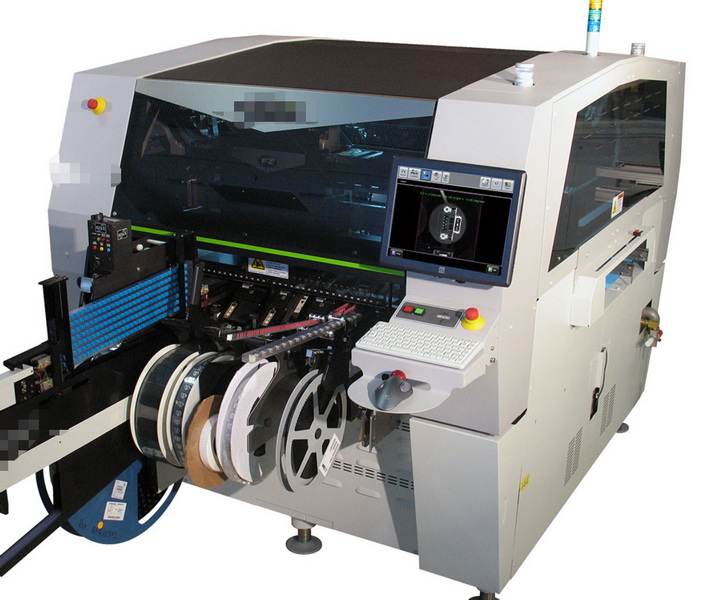
Curing SMT machines solidify adhesives or coatings post-placement, using IR or convection for uniform heat. Inline units sync with the line for continuous flow.
Cleaning SMT machines employ ultrasonics or vapor degreasers to remove flux residues, ensuring reliability in harsh environments. No-clean fluxes reduce needs, but critical apps demand thorough post-reflow cleaning.
AOI SMT machines scan post-reflow for placement errors and joint defects using multi-angle cameras. 3D models measure fillet heights accurately.
AXI SMT machines penetrate BGAs for void detection. SPI/AOI loops refine processes iteratively.
Rework stations with IR preheat and hot air remove/replace parts precisely. Functional testers validate performance.
Vibratory bowl feeders and smart tape units supply consistent parts to pick-and-place SMT machines. Auto-splicing extends reels without stops.
Nozzle changers and calibration jigs maintain uptime. Software optimizes feeder layouts for NPI.
Assess volume, mix, and pitch when speccing SMT machines. Start modular for scalability. Balance CPH across printers, placers, ovens.
Budget for spares, training, software. Highlywin offers tailored SMT machines, services, and parts for global one-stop solutions.
IoT-enabled SMT machines feed data to dashboards for predictive maintenance. AI optimizes setups, reducing cycle times.
MES/ERP ties SMT machines into enterprise flow. Highlywin's ecosystem ensures seamless integration.
Mastering SMT equipment types—from printers and SPI to placers, reflow, and inspectors—empowers efficient lines. Integrated SMT machines drive quality, speed, and flexibility. Partnering with Highlywin delivers reliable SMT machines, support, and spares for your one-stop SMT success.
Contact us to get more information!
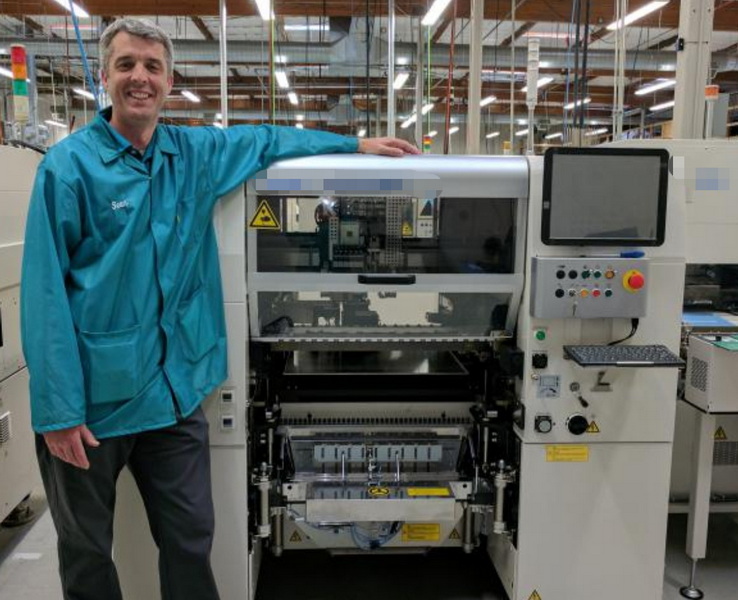
Essential SMT machines include a solder paste printer, pick-and-place SMT machines, reflow oven, and AOI. Loaders, unloaders, and conveyors automate flow, ensuring smooth operation for small-scale production.
Manual SMT machines fit prototypes; semi-automatic offer precision for low volumes; automatic excel in high-speed, high-mix. Factor in CPH, footprint, and ROI for your throughput needs.
SPI verifies paste pre-placement; AOI checks post-reflow joints. Together, they boost yields by catching defects early, optimizing upstream SMT machines.
Handling SMT machines minimize downtime with seamless transfers, buffering, and tracking, maximizing utilization of costly placers and ovens.
Smart-ready SMT machines enable data-driven optimization, traceability, and maintenance. Choose connected models for future-proofing Industry 4.0 operations.


