Your Trusted Partner from Prototyping to Mass Production, Email Us:info@highlymachine.com
Please Choose Your Language


Views: 222 Author: Ann Publish Time: 2025-12-27 Origin: Site


Content Menu
● What Is an SMT Pick and Place Machine?
● Why SMT Pick and Place Machines Are So Important
● Key Factors That Influence the Cost of SMT Pick and Place Machines
>> 1. Production Speed and Throughput
>> 3. Feeder Capacity and Type
>> 4. Vision and Alignment Systems
>> 5. Software and Control Interface
>> 6. Brand, Origin, and Quality Standards
>> 7. Support, Maintenance, and Spare Parts
● Additional Ownership Costs to Consider
● How to Select the Right SMT Pick and Place Machine
● Common Mistakes to Avoid When Buying an SMT Pick and Place Machine
● The Highlywin Advantage in SMT Equipment
● FAQ: SMT Pick and Place Machine Cost and Operation
>> 1. What determines the price of an SMT Pick and Place Machine?
>> 2. Is an entry-level SMT Pick and Place Machine suitable for startups?
>> 3. How long does an SMT Pick and Place Machine last?
>> 4. What maintenance does the machine require?
>> 5. Why choose Highlywin for SMT equipment and service?
In modern electronics manufacturing, achieving precision, speed, and consistency is vital. Among all the equipment on an SMT (Surface Mount Technology) line, the SMT Pick and Place Machine stands out as the most technologically significant and financially impactful. Whether you are launching a new assembly line or expanding an existing production facility, understanding the cost dynamics of SMT Pick and Place Machines is essential for building a cost-effective and future-proof manufacturing setup.
Highlywin, as a trusted global provider of SMT/AI and peripheral equipment, has supported countless clients in optimizing their investment by guiding them through the real cost considerations behind SMT Pick and Place Machines. This article will explore these factors in depth and provide insights on what to expect when budgeting for this critical equipment.

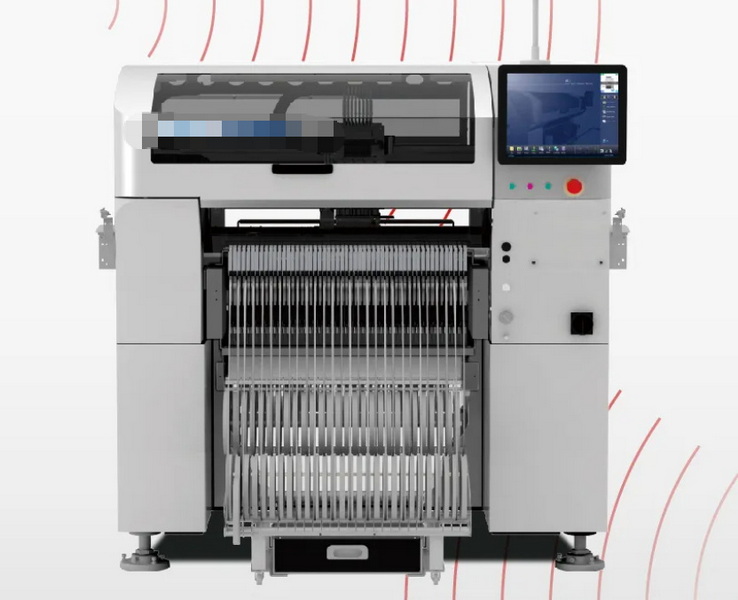
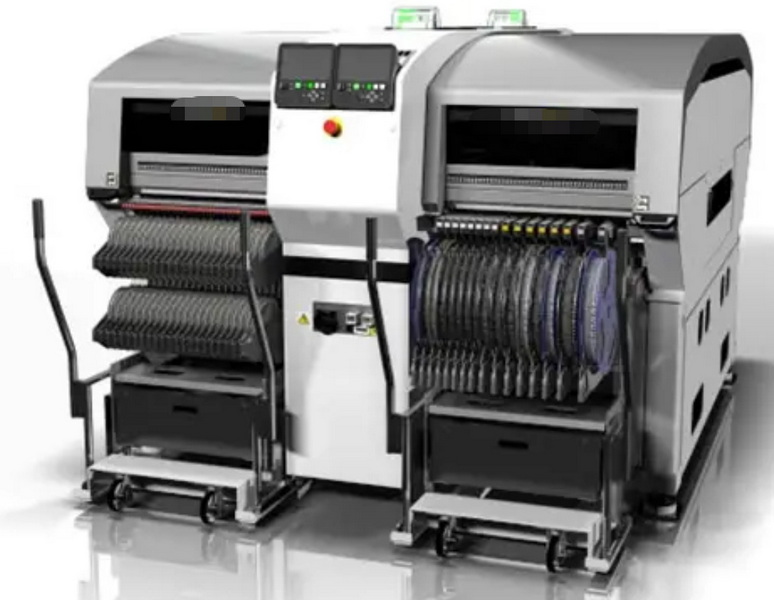
An SMT Pick and Place Machine is an advanced robotic system designed to position surface-mount components (SMDs) on a printed circuit board (PCB) with high precision. It automatically picks up tiny components such as resistors, capacitors, diodes, and ICs from feeders and places them onto specific coordinates as defined by design software. After assembly, the PCB typically moves through a reflow oven to complete the soldering process.
The sophistication of this machine lies in its ability to perform thousands of precise operations per hour. Modern systems can accommodate various component sizes, identify correct orientations using advanced vision systems, and operate almost continuously with minimal manual intervention. This technology forms the foundation of all high-quality electronic manufacturing, from smartphones and automotive control units to LED lighting and household appliances.
Without an efficient pick and place process, even the best-designed PCBs can suffer from inconsistent assembly or costly rework. The SMT Pick and Place Machine directly affects factors such as:
- Production speed: Determines how many boards can be assembled per hour.
- Accuracy: Ensures that every component lands perfectly on its pad, preventing solder bridges and defects.
- Yield rate: Affects overall manufacturing cost and reliability.
- Scalability: Allows easy ramp-up from prototype to volume production.
Investing wisely in the right system means fewer production bottlenecks, greater consistency, and sustainable profit margins.
Buying an SMT Pick and Place Machine is not just about comparing prices. Several variables determine the final investment. Understanding these will help you decide which features suit your specific production environment.
The first major cost factor is throughput, often measured in components per hour (CPH). A machine capable of 10,000 CPH will obviously be less expensive than one that achieves 120,000 CPH.
However, higher speed often comes with multiple placement heads, high-speed linear motors, enhanced vision systems, and reinforced mechanical design—all adding to the price.
Typical categories include:
- Desktop or entry-level machines: 5,000–10,000 CPH, ideal for small-scale assembly or research labs.
- Mid-range machines: 30,000–70,000 CPH, suitable for small to medium factories.
- High-speed systems: Above 100,000 CPH, used in large-scale, automated production lines.
When comparing machines, it is also wise to consider effective CPH, the real-world speed that includes pickup, feeder change, and placement time.
Precision is vital for today's miniaturized components. High-end SMT Pick and Place Machines can achieve placement accuracy down to ±0.025 mm for 01005 or micro-BGA packages. Achieving this level of accuracy requires superior vision recognition algorithms, servo control systems, and mechanical stability—all of which contribute to cost differences between models.
If your production includes large passive components or LEDs, extreme precision may not be necessary. But for consumer electronics or aerospace PCBs, investing in higher accuracy pays off in reliability and quality.
Each SMT Pick and Place Machine supports a specific number of feeders—the units that supply electronic components. Machines with higher feeder capacity support greater production flexibility and component diversity but require more complex and expensive designs.
Common feeder types include:
- Tape feeders: The standard for most SMDs.
- Tray and stick feeders: For ICs and odd-shaped components.
- Vibratory feeders: For unique or non-standard packages.
Large-scale factories often opt for modular systems where feeder banks can be swapped quickly, enabling faster production changeovers. These conveniences, however, raise the total cost.
High-end SMT Pick and Place Machines integrate advanced vision inspection systems that recognize component shapes, verify polarity, and correct PCB alignment in real time. More sophisticated optical systems help minimize placement errors and optimize picking routes.
Vision algorithms can detect misalignments, missing components, or orientation mismatches before the PCB proceeds to soldering—reducing rework and scrap rates. Investing in accurate vision technology significantly impacts long-term production stability.
The control platform of an SMT machine determines user efficiency, programming flexibility, and data integration possibilities. Features such as offline programming, barcode tracking, MES connectivity, and real-time performance monitoring are now standard for high-end systems.
Operators benefit from intuitive graphical interfaces that simplify setup and calibration. Systems that integrate with pre-existing factory networks or ERP systems often require higher licensing fees but accelerate productivity and traceability.
Well-known international manufacturers—such as Yamaha, Juki, Panasonic, Fuji, Samsung, and Hanwha—maintain a reputation for reliability, precision, and long operational lifespans. Their machines tend to command premium prices because they include global service coverage, certified parts, and continuous software updates.
However, over the past decade, China-based manufacturers have made remarkable progress in developing cost-efficient machines that rival global brands in performance. Companies like Highlywin provide advanced SMT equipment, peripheral systems, and one-stop service, offering excellent value without sacrificing quality. This makes them a smart choice for OEMs seeking balance between performance and affordability.
Ownership cost extends beyond the purchase price. Regular maintenance, calibration, and accessory replacements contribute to overall cost of ownership. Machines designed for easy part replacement and open compatibility can reduce long-term expenses.
When evaluating suppliers, consider service network reach, spare part availability, and technical training offerings. Reliable after-sales support minimizes downtime and keeps your line running efficiently. Highlywin, for instance, provides global support and quick-response spare part services to ensure continuous manufacturing uptime.
Beyond the purchase price, building a complete SMT production system includes hidden or ongoing costs such as:
- Installation and training: Professional setup ensures optimal performance and accurate calibration.
- Consumables and replacement parts: Nozzles, feeders, filters, and belts need regular replacement.
- Software upgrades: Necessary to keep pace with new component libraries and operating improvements.
- Preventive maintenance: Routine cleaning, alignment checks, and firmware updates maintain machine stability.
- Factory environment: ESD protection, clean air systems, and controlled humidity are crucial for reliability.
When budgeting, expect these additional factors to represent roughly 10–20% of the machine's purchase price annually.
Choosing the best SMT Pick and Place Machine depends on production goals, product type, and business growth strategy. Here are practical steps to guide your decision:
1. Analyze production demand. Determine expected PCB volume and complexity to define speed requirements.
2. Assess component diversity. Choose machines that can handle a full range of devices, from small 01005 chips to large QFPs.
3. Plan for scalability. Select modular machines that can be upgraded or networked as your production expands.
4. Evaluate total cost of ownership. Include maintenance, spare parts, energy consumption, and software expenses.
5. Confirm local support. Ensure your supplier provides fast technical service and training.
6. Request live demonstrations. Comparing actual assembly data is the best way to gauge real performance.
Many first-time buyers encounter challenges that could have been prevented with better planning. Avoiding these pitfalls will save time and protect your investment:
- Overestimating speed needs: Buying the fastest model may seem appealing but can result in excessive costs and unnecessary maintenance.
- Ignoring service accessibility: Machines without local technical support often lead to prolonged downtime.
- Skipping training programs: Operator training is essential for safety and consistent output quality.
- Neglecting feeder compatibility: Verify feeder type, slot availability, and future expandability.
- Underestimating software capabilities: A well-designed user interface can dramatically reduce setup time and human error.
Proper consultation and supplier collaboration ensure that your equipment aligns with both current and future manufacturing goals.
Highlywin specializes in SMT and AI manufacturing equipment, offering a full spectrum of services for electronic assembly industries. Our capabilities include:
- Sales and integration of SMT Pick and Place Machines, stencil printers, reflow ovens, and conveyors.
- Comprehensive after-sales support including training, remote technical assistance, and on-site repair.
- Spare part supply and upgrades for a wide range of SMT brands.
- One-stop SMT line solutions for global clients, ensuring synergy between performance and cost control.
As a result, Highlywin provides tailored solutions that allow customers—from startups to OEM giants—to achieve fully automated and intelligent manufacturing.
Investing in an SMT Pick and Place Machine involves more than buying a single piece of equipment—it's a commitment to efficiency, accuracy, and long-term success in electronics manufacturing. Understanding how cost relates to performance, precision, and scalability helps businesses make informed decisions that maximize production value.
When chosen wisely, your SMT Pick and Place Machine becomes the driving force of reliable, high-speed output for years to come. Partnering with an experienced supplier like Highlywin ensures expert guidance, professional installation, dependable maintenance, and continuous technical support—helping you achieve true operational excellence in the SMT industry.
The main factors include placement speed (CPH), placement accuracy, feeder capacity, vision technology, software capabilities, and brand reputation. Additional costs depend on installation, maintenance, and support services.
Yes. Modern entry-level or desktop models provide professional-grade precision at affordable prices, making them ideal for prototype development and small-scale production before scaling up.
With proper maintenance, calibration, and part replacement, a quality SMT Pick and Place Machine can last 8–12 years or longer, depending on usage intensity and working conditions.
Operators should regularly clean nozzles, calibrate vision systems, check feeder alignment, and perform firmware updates. Major servicing is typically recommended every 6–12 months to ensure stability.
Highlywin offers complete SMT solutions, combining high-performance machines with training, spare parts, and lifetime technical support. Our goal is to deliver globally trusted automation systems customized to your production needs.


