Your Trusted Partner from Prototyping to Mass Production, Email Us:info@highlymachine.com
Please Choose Your Language


Views: 222 Author: Ann Publish Time: 2026-01-03 Origin: Site


Content Menu
● Key Factors Influencing SMT Feeder Costs
● Detailed Purchase Cost Breakdown for SMT Feeders
● Operational and Maintenance Costs of SMT Feeders
● Total Cost of Ownership (TCO) for SMT Feeders
● Cost Optimization Strategies for SMT Feeders
● Highlywin's Comprehensive SMT Feeder Solutions
● FAQ
>> 1. What is the average cost of SMT Feeders?
>> 2. How do brands impact SMT Feeder pricing?
>> 3. What are typical maintenance costs for SMT Feeders?
>> 4. Are refurbished SMT Feeders a smart buy?
>> 5. How does Highlywin help lower SMT Feeder costs?
SMT Feeders are critical components in Surface Mount Technology (SMT) production lines, delivering electronic components precisely to pick-and-place machines for high-speed assembly. Highlywin, a premier provider of SMT/AI/peripheral equipment along with full-service support and spare parts sales, offers global clients one-stop SMT solutions to manage SMT Feeder costs effectively. This in-depth guide breaks down everything manufacturers need to know about SMT Feeder pricing, from types and influencing factors to long-term ownership costs and optimization strategies.

SMT Feeders vary widely to accommodate different component types, sizes, and production volumes, directly impacting their costs. Tape SMT Feeders, the most prevalent choice, manage components housed in embossed or paper tapes ranging from 8mm to 72mm widths. Basic 8mm tape SMT Feeders for small SMDs like resistors and capacitors start at around $500, while wider 44mm or 72mm tape SMT Feeders for larger ICs can reach $3,000 or more due to enhanced drive mechanisms and precision guides.
Tray SMT Feeders excel with larger components such as QFPs, BGAs, and odd-form parts, featuring matrix trays that vibrate or index for reliable presentation. These SMT Feeders typically cost $2,000 to $5,000 each, reflecting their complex pneumatic or motorized systems that ensure flawless alignment in demanding SMT lines. Stick or tube SMT Feeders, suited for radial-leaded or cut-lead components, provide a budget-friendly option at $300 to $1,000, though they sacrifice speed compared to tape-based SMT Feeders in high-volume scenarios.
Bulk SMT Feeders, employing vibratory bowls or centrifugal dispensers, handle loose or irregular parts like connectors and diodes, priced between $1,500 and $4,000. Advanced intelligent SMT Feeders incorporate RFID tags, auto-splicing, and real-time monitoring, elevating prices to $2,500-$6,000 but delivering unmatched uptime. Hybrid SMT Feeders combining tape and tray capabilities offer versatility for mixed-assembly lines, often commanding premiums of 20-30% over single-type SMT Feeders. Selecting the right SMT Feeder type aligns costs with specific production needs, preventing overinvestment in unused features.
Several variables dictate SMT Feeder pricing, making informed comparisons essential. Brand reputation plays a pivotal role; established names like JUKI, Yamaha, Hanwha, and FUJI produce SMT Feeders with superior build quality, compatibility, and longevity, often 20-50% pricier than generic alternatives. For instance, a JUKI NF-series SMT Feeder might cost $1,800, while a compatible generic version sits at $1,200, with trade-offs in vibration resistance and software integration.
Component size and pitch precision significantly affect SMT Feeder costs. Narrow-pitch SMT Feeders for 01005 or 0201 microchips demand ultra-fine tolerances, pushing prices above $2,500 due to specialized nozzles and sensors. Capacity is another driver—high-capacity SMT Feeders accommodating 100+ meters of tape minimize changeovers in mass production, justifying $3,000+ tags. New versus refurbished SMT Feeders present stark contrasts: pristine new SMT Feeders start at $1,000 with full warranties, whereas certified refurbished SMT Feeders slash costs by 40-60% but necessitate rigorous testing to avoid reliability pitfalls.
Geopolitical and logistical elements inflate SMT Feeder expenses; import tariffs, shipping from Asia to Europe or the Americas, and currency fluctuations can add 10-30%. Technological add-ons like auto-adjustment motors, error detection via vision systems, or IoT connectivity for predictive analytics tack on $500-$1,500 per SMT Feeder. Production volume influences bulk pricing, with discounts of 15-25% available for orders exceeding 50 SMT Feeders. Environmental ratings, such as IP65 dust-proofing for harsh factory conditions, further elevate costs by 10-20%. Understanding these factors empowers buyers to negotiate better deals on SMT Feeders tailored to their operations.
Breaking down upfront costs reveals a spectrum for SMT Feeders suited to various scales. Entry-level SMT Feeders for prototyping or low-volume runs, often manual or semi-automatic tape models, range from $500 to $1,500 and suffice for R&D labs handling basic SMDs. Mid-tier SMT Feeders, with motorized indexing and speeds up to 20,000 components per hour (CPH), fall between $1,500 and $3,500, ideal for mid-sized electronics manufacturers balancing cost and throughput.
High-end SMT Feeders for mass production boast dual lanes, adaptive speed control, and integration with Industry 4.0 systems, exceeding $4,000 per unit and supporting 50,000+ CPH. A complete SMT line might require 64-120 SMT Feeders, totaling $50,000 to $200,000 depending on mix. Specialized SMT Feeders for flexible circuits or high-temperature components add premiums, while multi-brand compatible "universal" SMT Feeders reduce long-term flexibility costs.
Consider regional pricing variations: SMT Feeders sourced directly from Chinese manufacturers like Highlywin offer 20-30% savings over Western distributors. Leasing options for SMT Feeders provide $200-$800 monthly per unit, easing capital outlay for startups. Bulk kits with calibration tools and spares bundle further value, dropping effective per-SMT Feeder costs.
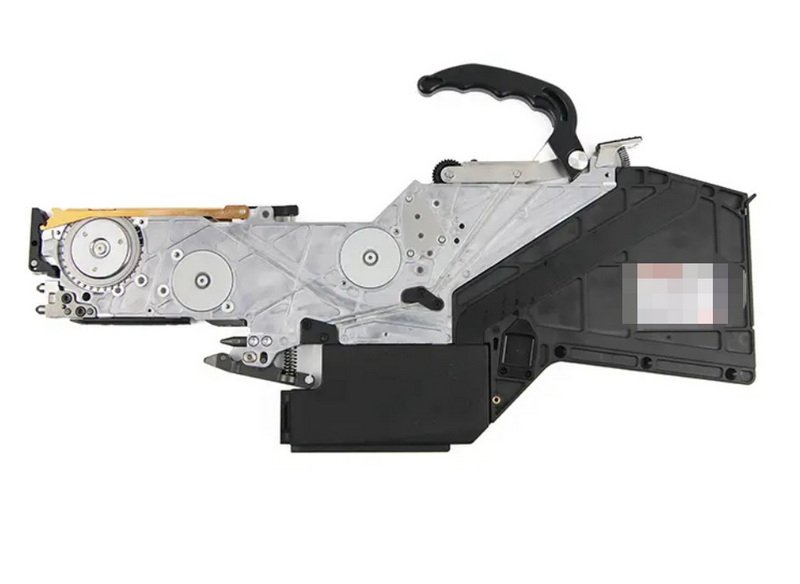
SMT Feeders' true expense emerges in daily operations, often equaling or surpassing purchase prices over time. Routine maintenance for SMT Feeders averages $200-$1,000 annually per unit, including lubrication, sensor calibration, and peel-off cover replacements to avert jams that halt entire lines. Critical spares like drive sprockets, motors, and tape guides for SMT Feeders run $50-$300 apiece, with high-utilization setups demanding inventory of $5,000-$10,000 yearly.
Downtime from malfunctioning SMT Feeders incurs $500-$2,000 per hour in lost output, underscoring preventive care's ROI. Pneumatic SMT Feeders consume compressed air at $100-$500 annually, while electricity for motorized variants adds modestly. Operator training on SMT Feeder setup, troubleshooting, and splicing costs $1,000-$5,000 initially but pays dividends in 20-30% uptime gains. Software licenses for monitoring SMT Feeder performance range $500-$2,000 yearly.
Consumables like empty tape reels and splicing tape for SMT Feeders accumulate $2,000-$8,000 per line annually. Extended warranties from providers like Highlywin mitigate risks, covering repairs for 10-20% of purchase price. Proactive strategies, such as vibration analysis on SMT Feeders, cut maintenance by 40%.
TCO provides the fullest picture of SMT Feeder investments, spanning five years or more. For a 32-SMT Feeder setup, initial outlay might be $50,000, but TCO balloons to $150,000-$350,000 with 50-60% allocated to maintenance, downtime, and consumables. Premium SMT Feeders recoup via 25-40% lower failure rates and 50% higher throughput, yielding positive ROI in 6-12 months.
Budget SMT Feeders promise quick savings but inflate TCO through frequent replacements. Leasing spreads costs predictably, while financing options preserve cash flow. Integration software for SMT Feeder fleets slashes waste by 15-20%, optimizing TCO. Global service networks from Highlywin ensure rapid spares, trimming downtime-related expenses on SMT Feeders.
Highlywin excels in strategies to slash SMT Feeder costs without sacrificing performance. Bulk procurement of SMT Feeders yields 15-30% discounts, especially from OEMs like Highlywin. Certified refurbished SMT Feeders deliver 50% savings with 12-month warranties, vetted for OEM specs.
Modular SMT Feeder designs enable phased scaling, starting with core tape units and adding trays later. IoT-enabled predictive maintenance on SMT Feeders forecasts issues, averting 70-80% of breakdowns. Supplier partnerships like Highlywin provide turnkey calibration, training, and 24/7 spares logistics.
Universal adapters minimize brand lock-in for SMT Feeders, extending asset life. Energy-efficient models reduce operational costs by 10-15%. ROI modeling tools from experts help simulate SMT Feeder investments.
Highlywin stands out as a global leader in SMT Feeders, offering competitive pricing on tape, tray, and intelligent models compatible with Yamaha, JUKI, and more. Their one-stop platform includes custom SMT Feeder banks, rapid prototyping, and worldwide delivery.
Cost-effective SMT Feeders from $800 feature auto-splicing and diagnostics, backed by expert support. Highlywin's AI-optimized SMT Feeders ensure zero-defect feeding for high-mix lines. Full-service contracts optimize TCO, with clients reporting 25% savings.
Navigating SMT Feeder costs demands a holistic view of types, factors, operations, and strategies to maximize value. Highlywin empowers manufacturers with affordable, reliable SMT Feeders and unparalleled support for thriving SMT production.
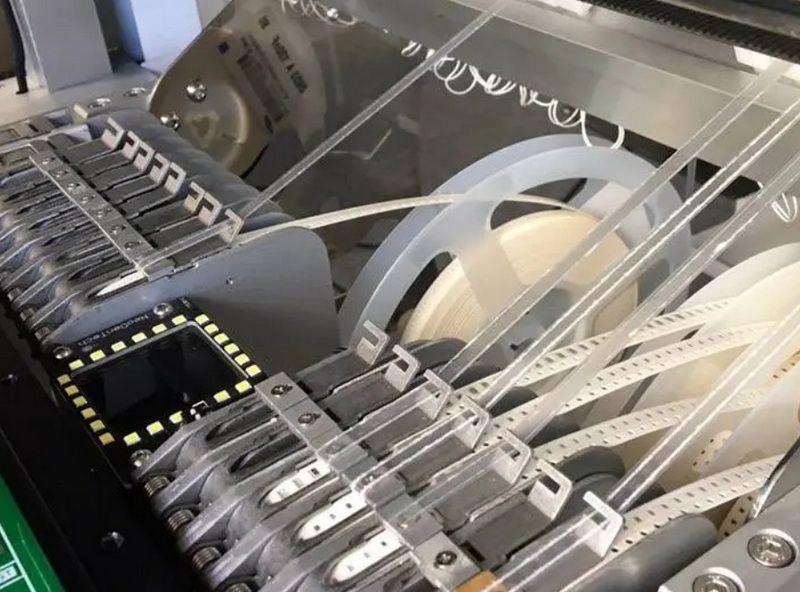
Average SMT Feeder costs range from $500 for basic tape models to $6,000 for intelligent units, with most falling at $1,500-$3,000 based on specs and brand.
Premium brands like JUKI and Yamaha increase SMT Feeder prices by 20-50% for enhanced durability, while generics cut costs at potential reliability expense.
SMT Feeder maintenance averages $200-$1,000 yearly per unit, plus $500-$2,000/hour in downtime if issues arise.
Refurbished SMT Feeders save 40-60% upfront from reputable sources, maintaining low TCO with proper warranties.
Highlywin offers bulk discounts, services, and spares for SMT Feeders, delivering 20-30% TCO reductions via one-stop solutions.


