Your Trusted Partner from Prototyping to Mass Production, Email Us:info@highlymachine.com
Please Choose Your Language


Views: 222 Author: Ann Publish Time: 2025-12-29 Origin: Site


Content Menu
● The Evolution of SMT Technology
● Highlywin: Your Trusted Global SMT Solution Partner
● Key Benefits of SMT Machines in Modern Manufacturing
● How SMT Machines Work in Practice
● Combining AI and Automation in SMT Production
● Environmental and Efficiency Advantages
● Selecting the Right SMT Machine for Your Factory
● Future Trends in SMT Manufacturing
● FAQ
>> 1. What is an SMT machine used for?
>> 2. What are the main stages in an SMT production line?
>> 3. How do SMT machines improve production efficiency?
>> 4. Why should companies choose Highlywin for SMT solutions?
>> 5. Are SMT machines suitable for small-scale manufacturers?
In today's fast-evolving electronics world, SMT machines (Surface Mount Technology machines) have completely transformed how electronic devices are designed and assembled. From smartphones and computers to automotive electronics and industrial controllers, almost every piece of modern technology relies on the precision and speed of SMT manufacturing. Automation, miniaturization, and accuracy are the defining traits of the electronics assembly process, and SMT machines lie at the very center of this revolution.
As one of the leading companies in this field, Highlywin provides comprehensive SMT machines, AI and peripheral equipment, spare parts, and one-stop support services to customers around the globe. Our mission is to deliver efficient, flexible, and reliable electronics manufacturing solutions that meet the changing demands of modern production.

Surface Mount Technology (SMT) is a method of producing electronic circuits in which the components are mounted directly onto the surface of printed circuit boards (PCBs). This technology replaced the traditional through-hole method, where components were inserted into holes drilled in the PCB. The evolution from through-hole to SMT allowed manufacturers to produce smaller, lighter, and more reliable electronic products.
An SMT machine automates this process, handling every step with precise control. A complete SMT production line typically includes:
1. Solder Paste Printing Machine – This machine applies solder paste to specific pads on the PCB using a metal stencil. The solder paste acts as an adhesive to hold components in place.
2. Pick and Place Machine – Often considered the core of the SMT line, this machine accurately picks electronic components and places them onto the PCB with incredible speed and precision.
3. Reflow Oven – After placement, the PCB passes through the oven where the solder paste melts and solidifies, creating electrical and mechanical connections.
4. Inspection Systems (AOI/SPI) – Automatic Optical Inspection (AOI) or Solder Paste Inspection (SPI) machines verify the quality of soldering and ensure that each component is properly positioned.
5. Conveyor Systems and Feeders – These ensure smooth and continuous movement of PCBs throughout the line.
Each step is automated and optimized to maintain high production rates, consistent quality, and minimal human intervention.
The journey of SMT machines began in the 1980s when electronic manufacturers started searching for faster, more space-efficient production methods. The first SMT equipment offered moderate speed but introduced a new level of accuracy and repeatability. Over the decades, technological progress brought immense changes.
Modern SMT systems now integrate AI-powered alignment algorithms, advanced camera-based vision systems, and real-time feedback control for component placement. The integration of Industry 4.0 and smart manufacturing principles allows machines to communicate with factory systems, predicting potential faults before they occur and optimizing performance automatically.
Today's SMT machines feature modular designs that support multiple product types on one line, reducing downtime during product changeovers. Multi-head placement systems can handle both micro-components and large ICs simultaneously. With constant innovation, SMT technology continues to evolve toward higher accuracy, faster throughput, and lower operational costs.
At Highlywin, we provide not only SMT machines but also a complete ecosystem of production solutions that empower electronics manufacturers to achieve the highest efficiency and reliability.
Our product range includes:
- High-speed Pick & Place Machines for mass production lines.
- Multi-function SMT Machines designed for flexibility and complex components.
- Solder Paste Printers and Reflow Ovens with smart control systems.
- AOI and SPI inspection systems for zero-defect manufacturing.
- Feeders, nozzles, and peripheral devices compatible with popular SMT brands.
Beyond equipment sales, Highlywin offers after-sales technical support, installation guidance, spare part supply, and operator training. Our engineering team helps design and implement turnkey SMT production lines, tailored to specific product requirements and production capacities.
We understand that every customer has unique challenges, from high-mix small-batch production to high-volume assembly. That's why Highlywin focuses on delivering customized SMT solutions that strike the perfect balance between cost efficiency and performance.
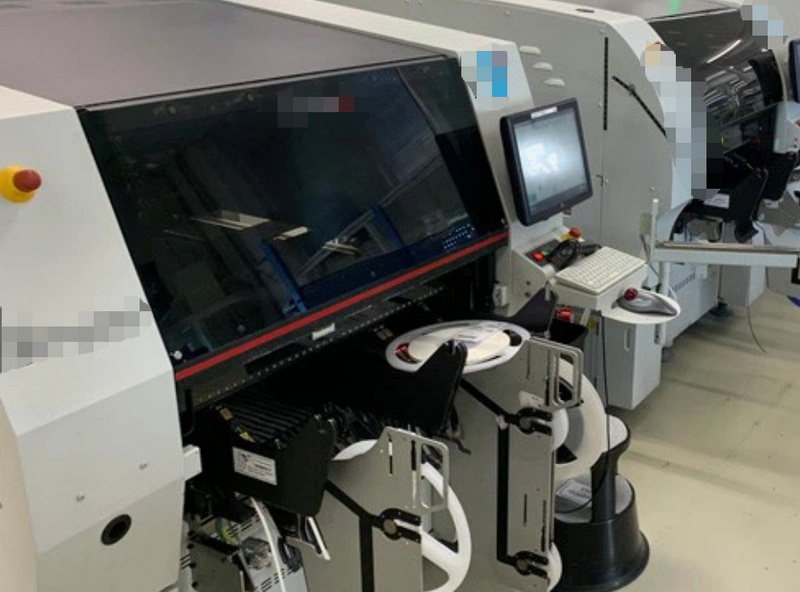
The introduction of SMT machines has led to a massive transformation in electronics manufacturing. Their advantages extend far beyond automation:
- Unmatched Speed and Efficiency – Automated pick and place systems can position over 100,000 components per hour, vastly surpassing manual assembly speeds.
- Compact Component Design – SMT allows the use of smaller and lighter components, supporting miniaturization trends in all electronics sectors.
- Reduced Production Cost – Automation reduces labor dependence and error rates, increasing yield output while decreasing costs.
- High Reliability – Consistent soldering quality and precise placement deliver stronger electrical performance and longevity.
- Flexibility and Scalability – SMT programs can be easily reconfigured for different products, enabling manufacturers to adapt quickly to market changes.
These benefits explain why SMT has become the global standard for electronic assembly—whether in consumer electronics, industrial control systems, medical devices, or automotive applications.
A typical SMT assembly begins with a blank PCB. The solder paste printer applies solder paste to designated pads. Then, the pick and place machine positions each microchip, resistor, and capacitor directly on the board. The reflow oven then heats the assembly, melting the paste and permanently attaching the components. Advanced inspection machines check every solder joint to ensure perfection.
This process is extremely fast and accurate. Modern SMT lines operate continuously with minimal downtime. The machines log all operational parameters automatically, allowing manufacturers to analyze performance, detect bottlenecks, and improve production yield.
In large-scale electronics plants, multiple SMT lines often work in parallel, managed through centralized software systems that synchronize production schedules and component supplies.
The integration of artificial intelligence into modern SMT machines has made production smarter and more adaptive than ever before. AI algorithms help identify patterns in production data, optimizing component placement strategies and predicting machine maintenance needs. Vision systems recognize even microscopic defects or misalignments, ensuring the highest accuracy.
Moreover, real-time data collection from each stage allows engineers to control production remotely and fine-tune parameters instantly. This data-driven approach helps reduce downtime, enhance yield, and shorten new product introduction (NPI) cycles—critical advantages in a competitive industry.
The precision of SMT technology minimizes waste during the soldering and assembly process. The controlled reflow profiles in modern ovens consume less energy and ensure consistent thermal performance. Less manual handling means fewer defective boards, reducing scrap materials.
Highlywin is committed to promoting green SMT manufacturing through energy-efficient machines, lead-free solder process compatibility, and recyclable materials. By improving efficiency and sustainability, Highlywin helps clients reduce their environmental footprint without sacrificing production capacity.
Choosing the correct SMT machines depends on key production factors such as product type, batch size, and component diversity. Some of the essential aspects to consider include:
- Placement Speed: High-speed models are suited for volume production, while flexible types handle a mix of component sizes.
- Feeder Compatibility: Ensure compatibility with existing components and tape formats.
- Software Interface: A user-friendly control system simplifies programming and line management.
- Maintenance and Service Support: Post-purchase support and spare part availability are essential to ensure maximum uptime.
- Precision and Accuracy: Advanced vision systems and feedback control equal higher quality output.
Highlywin assists every client through detailed consultation—from factory layout design to equipment selection and line installation—ensuring a smooth transition from manual or semi-automatic to fully automated SMT production.
The future of SMT manufacturing lies in smart, connected systems. As component sizes continue to shrink, precision and automation demand will grow. The following trends define the coming decade of SMT evolution:
- Artificial Intelligence for Adaptive Placement Control – Systems adjust parameters in real time to achieve perfect assembly outcomes.
- Digital Twin Technology – Virtual simulations of production lines help optimize efficiency before actual operation.
- Modular and Scalable SMT Lines – Manufacturers can easily add or remove modules to adapt to changing product portfolios.
- Cloud-Based Monitoring – Enables predictive maintenance and global coordination between multiple production sites.
- Sustainable Manufacturing Focus – Reduced consumption of energy and materials across the production lifecycle.
By embracing these trends, manufacturers will be able to achieve even greater flexibility, speed, and operational intelligence in their production facilities.
The global electronics industry owes much of its progress to the power and precision of SMT machines. From the smallest sensors to the most complex circuit boards, SMT technology has redefined how we manufacture electronic products. It has enabled higher integration, smaller form factors, and faster innovation cycles across every field.
At Highlywin, we are dedicated to being a trusted partner for every stage of SMT production—from equipment selection and installation to technical support and maintenance. Our one-stop service enables clients to build and maintain efficient, reliable, and scalable SMT lines that meet global quality standards.
As technology evolves, Highlywin will continue to integrate the latest innovations—AI intelligence, data connectivity, and energy efficiency—into our SMT machine solutions, driving the electronics manufacturing industry toward a smarter and more sustainable future.
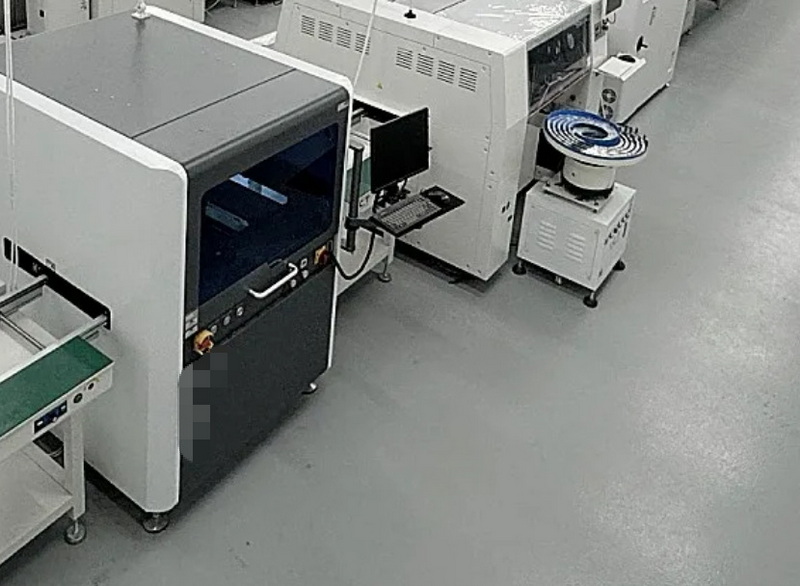
An SMT machine automates the process of mounting electronic components onto a PCB surface during manufacturing. It replaces manual assembly, improving speed, accuracy, and consistency.
A standard SMT line includes solder paste printing, component placement, reflow soldering, and automated optical inspection. Each step ensures components are correctly placed and securely soldered.
By automating repetitive and precise tasks, SMT machines reduce human error, increase throughput, and enable 24-hour continuous production, dramatically improving manufacturing efficiency.
Highlywin delivers comprehensive SMT solutions including machine supply, accessories, training, installation, and after-sales support. This one-stop approach saves customers time, cost, and management complexity.
Yes. Compact SMT systems can be configured for prototype development or small-batch production. They provide the same level of precision and automation as industrial-scale lines, ensuring scalability as the business grows.


