Your Trusted Partner from Prototyping to Mass Production, Email Us:info@highlymachine.com
Please Choose Your Language


Views: 222 Author: Ann Publish Time: 2025-12-16 Origin: Site


Content Menu
● Understanding the Role of SMT Accessories
● Why Proper Training on SMT Accessories Matters
● Building a Step-by-Step Training Framework
>> 1. Assess Skill Levels and Job Roles
>> 2. Develop a Modular Curriculum
>> 3. Use Visual Aids and Demonstrations
>> 4. Establish Practical Testing Sessions
>> 5. Document, Certify, and Refresh Competence
● Integrating Digital Tools Into SMT Accessory Training
● Standardizing Procedures With Work Instructions
● Common Challenges in SMT Accessory Training
● Linking Training to Quality and Productivity KPIs
● Creating a Safety and Quality Culture
● Involving Suppliers and Partners in Training
● Role of Highlywin in SMT Accessory Support
● FAQ
>> 1. What are the most important SMT accessories for new operators to learn first?
>> 2. How often should SMT accessories be cleaned or calibrated?
>> 3. Can improper use of SMT accessories damage the main equipment?
>> 4. Are there international standards that cover handling and use of SMT accessories?
>> 5. What are typical signs that SMT accessories should be repaired or replaced?
In surface mount technology (SMT) production, well-trained personnel are the foundation of efficient assembly lines. Even the most advanced SMT machines cannot perform at their peak without operators and technicians who understand how to correctly handle, install, and maintain essential SMT accessories.
A single misplaced feeder, incorrectly installed nozzle, or worn-out stencil can cost hours of downtime and produce defective boards. Therefore, structured training on the proper use of SMT accessories is not just an operational requirement—it is a strategic investment that improves yield, reliability, and long-term profitability.
Well-planned training enables your team to turn accessories from potential weak points into competitive advantages. By understanding exactly how each accessory affects placement accuracy, solder joint quality, and line throughput, your staff can make better decisions every shift.

Before beginning training, it is essential to clarify what types of SMT accessories are commonly used in an automated assembly environment. These items support the primary equipment—such as SMT pick-and-place machines, reflow ovens, screen printers, and inspection systems—by enhancing precision, handling, and efficiency.
Core categories of SMT accessories include:
- Feeders and feeder carts for component delivery
- Placement nozzles for different component shapes and sizes
- Stencil frames and cleaning tools for solder paste printing
- Conveyor accessories and PCB supports for stable transfer
- ESD protection accessories such as wrist straps, mats, and bins
- Calibration tools and gauges for alignment and accuracy
- Spare parts and maintenance kits for long-term equipment health
Each category of SMT accessories has its own handling rules, maintenance intervals, and failure modes. A well-structured training plan helps your team understand these differences instead of treating all accessories the same way.
SMT operations demand microscopic precision. Even a 0.1 mm misplacement can result in product failure, intermittent faults, or costly rework. Training ensures that every operator:
- Knows how to install and handle SMT accessories properly
- Recognizes early signs of wear, contamination, or misalignment
- Understands preventive maintenance schedules and documentation
- Applies correct ESD control methods to avoid component damage
- Keeps the work area organized and compliant with quality standards
Without structured training, unqualified handling of SMT accessories can cause:
- Frequent line stoppages due to feeder errors or nozzle blockages
- Increased defect rates and hidden reliability issues in the field
- Higher scrap and rework costs from solder bridging or tombstoning
- Accelerated wear of equipment, leading to more downtime and repair expenses
By contrast, a trained team that respects and maintains SMT accessories will enjoy stable processes, predictable output, and consistent product quality.
Training should not be a single event delivered only during equipment installation. Proper skills development is continuous, combining classroom learning, hands-on practice, and constant reinforcement through simulation, checklists, and audits.
Start by evaluating your team's familiarity with SMT equipment and SMT accessories. You can use written questionnaires, interviews, or practical tests. Then, divide personnel into groups according to their roles:
- Operators: Daily users of feeders, nozzles, stencils, and basic ESD accessories
- Maintenance technicians: Responsible for cleaning, calibrating, and repairing SMT accessories and related modules
- Process engineers: Focused on optimizing changeovers, feeder arrangement, nozzle selection, and line programs
Each group requires tailored training modules focusing on the accessories and procedures they handle most frequently. This prevents information overload and keeps training practical.
Create clear training modules so you can update and reuse them easily. Typical modules for SMT accessories may include:
- Identification and function of common accessories
- Correct installation and removal procedures
- Preventive maintenance routines and intervals
- Cleaning methods and recommended solvents or tools
- Calibration procedures and use of gauges or jigs
- Troubleshooting steps and replacement criteria
- ESD control basics and handling of sensitive components
For example, a feeder module might show how different tape widths are loaded, how to set the pitch, and how to verify proper indexing. A nozzle module might focus on vacuum level checks, visual inspection standards, and storage practices that prevent contamination or damage.
People retain technical information better when they see it in action. Combine slides, flowcharts, and short video clips with live demonstrations on the production floor. Show how incorrect use of SMT accessories leads to real defects, such as:
- Components slightly misaligned due to worn nozzles
- Solder bridging caused by dirty or damaged stencils
- Missing parts on boards because of misfed tape in a feeder
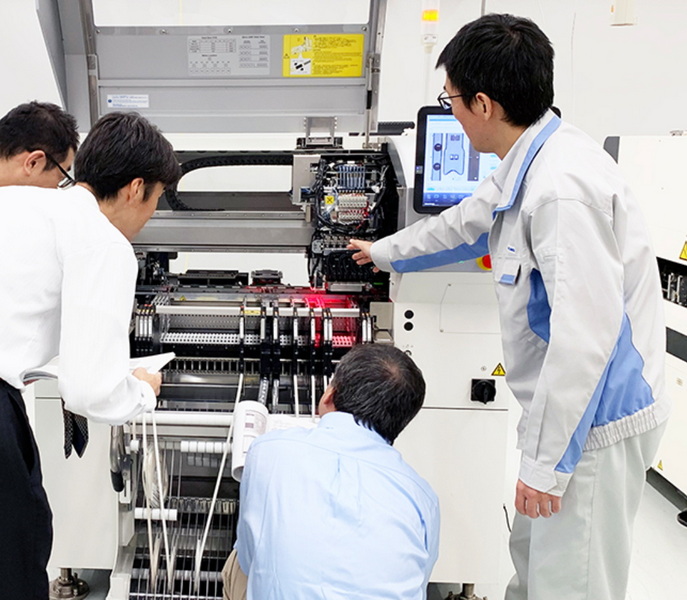
Encourage trainees to ask questions and handle real accessories under supervision. When they see how minor details like nozzle orientation or feeder locking affect machine feedback and production data, they will pay closer attention to correct procedures.
Hands-on practice is critical. After theory sessions, organize supervised practical tests in which operators and technicians:
- Mount and unmount feeders, verifying correct positioning
- Replace nozzles, perform pickup tests, and check vacuum readings
- Align stencils, adjust squeegee pressure, and perform trial prints
- Inspect SMT accessories and identify worn or defective items
Use simple evaluation forms to score each participant on:
- Accuracy and correctness of actions
- Compliance with ESD and safety instructions
- Ability to follow standard operating procedures without prompts
- Time required to complete key tasks such as feeder changeover
Practical testing makes training measurable and reveals where additional coaching is needed.
When a trainee demonstrates competence in a specific SMT accessories module, issue an internal certificate or skill level badge. Maintain records showing:
- Training dates and modules completed
- Assessment results and trainer comments
- Dates of refresher sessions or retraining after process changes
These documents support ISO or customer audits and also help managers plan staffing by matching skill levels to specific SMT lines. Periodic refresh sessions—every six to twelve months or after major equipment upgrades—keep knowledge up to date and prevent bad habits from creeping in.
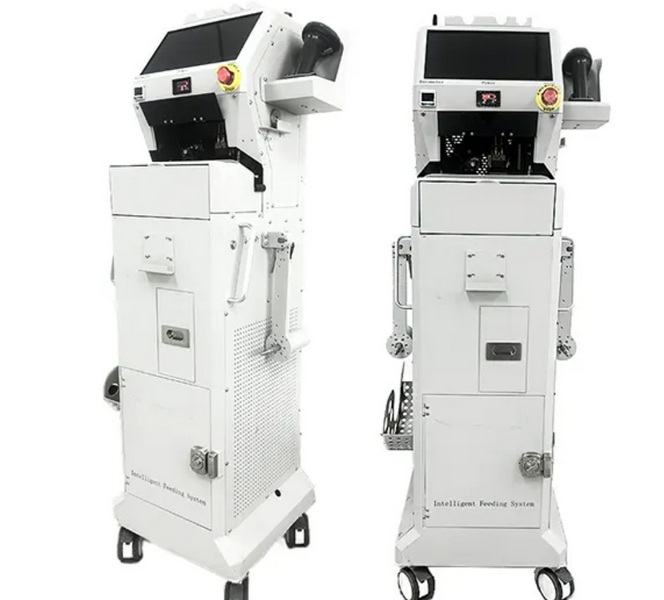
Modern SMT environments can leverage digital learning systems that simulate real operating conditions and guide users step by step.
Useful digital tools include:
- E-learning platforms with video tutorials on SMT accessories
- AR or VR simulations showing feeder setup or nozzle replacement
- On-machine help menus linked to specific error codes and accessories
- QR codes or RFID tags on accessories that link to maintenance records and manuals
For example, a technician can scan a QR code on a feeder to see its last maintenance date, recommended cleaning method, and a short video on correct loading procedure. This just-in-time training minimizes human error and supports consistent use of SMT accessories across multiple shifts.
Even the best training fails if daily practice is inconsistent. To ensure that your investment in training has lasting impact, create clear, visual work instructions for all critical SMT accessories.
These instructions should:
- Use simple language and step-by-step numbering
- Include reference images or diagrams where helpful
- Specify torque values, cleaning intervals, or inspection checkpoints
- List common failure modes and immediate actions to take
Place laminated copies at feeder preparation tables, stencil cleaning stations, and nozzle maintenance benches. When operators and technicians have quick access to standard procedures, they are less likely to improvise, skip steps, or misuse SMT accessories under time pressure.
Even well-designed training programs can face practical obstacles. Knowing these challenges helps you design countermeasures.
Common challenges include:
- Language barriers in multinational teams
- High staff turnover in large factories
- Short production windows that limit classroom time
- Inconsistent mentoring from shift to shift
- Limited supply of spare SMT accessories for training use
To address these issues, you can:
- Provide bilingual or pictorial training materials
- Implement structured onboarding and buddy systems for new staff
- Integrate “micro-training” segments into daily startup meetings
- Define responsibilities for senior operators as official mentors
- Keep dedicated training sets of feeders, nozzles, and stencils
By planning for these hurdles, you keep the training program practical instead of idealistic.
To justify continuous training on SMT accessories, link program results to measurable performance indicators. Track metrics such as:
- Placement defect rate before and after training
- Average feeder setup time per changeover
- Nozzle-related error codes per million placements
- Mean time between feeder-related line stoppages
- Scrap rate due to solder paste printing defects
When you correlate improved KPIs with specific training activities, management can clearly see how investment in knowledge directly reduces costs and increases output. This connection also motivates operators, who can see the results of their efforts in real performance data.
Training should promote responsibility as much as skill. Encourage a culture where every operator feels ownership of quality and safety in relation to SMT accessories.
Key practices include:
- Keeping accessories and storage areas clean and orderly
- Using correct ESD gear every time components are handled
- Labelling accessories to avoid cross-use between incompatible machines
- Immediately reporting damaged or suspicious SMT accessories
- Discussing real-life quality incidents in team meetings and sharing lessons learned
Managers and supervisors reinforce this culture through positive feedback, recognition of careful work, and consistent enforcement of standards. Over time, handling SMT accessories correctly becomes second nature rather than a forced requirement.
Your equipment and accessory suppliers can be valuable training partners. Companies like Highlywin, which focus on SMT/AI/peripheral equipment and full-range SMT services, often provide technical resources that go beyond basic manuals.
Effective ways to involve suppliers include:
- Scheduling on-site training sessions during machine installation or upgrades
- Requesting accessory-specific workshops on feeders, nozzles, or stencil technologies
- Asking for troubleshooting guides tailored to your exact line configuration
- Using supplier hotlines or remote support for quick accessory-related questions
When you treat suppliers as long-term partners in knowledge sharing, your team can keep up with new generations of SMT accessories, such as smart feeders or advanced vacuum nozzle designs, and integrate them smoothly into existing processes.
Highlywin specializes in providing one-stop SMT solutions, combining SMT/AI/peripheral equipment with professional service, technical support, and spare parts supply. We understand that customers need more than just machines—they need robust processes built around reliable SMT accessories.
Our support typically covers:
- Selection and supply of compatible SMT accessories for leading brands
- Recommendations for standardizing accessories across multiple lines
- On-site training focused on installation, calibration, and maintenance
- Preventive maintenance planning and spare parts stocking strategies
- Consulting on feeder cart design, nozzle libraries, and optimized line balancing
By working with Highlywin, manufacturers can reduce uncertainty, shorten learning curves for new teams, and maintain a stable, high-yield SMT environment built on correct use of SMT accessories.
Training your team on the proper use of SMT accessories is the cornerstone of consistent product quality and manufacturing efficiency. When operators, technicians, and engineers understand exactly how feeders, nozzles, stencils, conveyors, ESD tools, and calibration devices interact with core SMT equipment, they can prevent many problems before they occur.
A structured program—built on role-based modules, visual demonstrations, hands-on practice, standardized work instructions, and digital tools—creates a strong and repeatable skill base. Continuous improvement through audits, KPI tracking, and refresher sessions keeps knowledge current and aligned with evolving accessories and processes.
With well-trained people and carefully managed SMT accessories, your SMT lines will run more smoothly, downtime will drop, and first-pass yield will improve. Partnering with experienced solution providers like Highlywin further strengthens your training and accessory management, turning everyday production into a stable, competitive, and scalable operation.
New operators should focus on SMT accessories that directly affect placement accuracy and printing quality, mainly feeders, nozzles, and stencils. These accessories are used constantly and have the greatest impact on whether components are placed correctly and solder paste is deposited uniformly. Mastering basic handling, loading, and inspection of these accessories builds a strong foundation for all other SMT tasks.
Cleaning and calibration frequency depends on production volume, environment, and process sensitivity. In many factories, critical SMT accessories such as nozzles and feeders are inspected daily and cleaned at least weekly. Calibration of feeders, placement heads, and vision-related accessories is often done monthly or quarterly, or whenever significant process changes occur. Following manufacturer recommendations and internal quality rules ensures stable results.
Yes. Misaligned feeders, incorrectly installed nozzles, or poorly mounted PCB supports can cause head collisions, vacuum errors, or mechanical jams. Over time, these incidents can damage motors, belts, or placement heads and lead to costly repairs and downtime. Proper training on SMT accessories minimizes these risks by ensuring accessories are installed, locked, and verified according to standard procedures.
There is no single global standard devoted only to SMT accessories, but several IPC and ISO standards provide relevant guidelines. IPC documents describe requirements for electronic assemblies, soldering, and cleanliness, while ISO standards define quality management systems and documentation practices. Many companies translate these into internal procedures and certification programs that define exactly how accessories must be handled and maintained in their own factories.
Common indicators include frequent pickup failures, abnormal vision alignment results, visible wear or contamination, solder bridging, inconsistent paste thickness, and repeated error codes related to the same feeder or nozzle. If operators see these symptoms, they should stop the line, inspect the relevant SMT accessories, and either clean, repair, or replace them according to defined criteria. Acting quickly prevents larger quality problems and longer stoppages.


