Your Trusted Partner from Prototyping to Mass Production, Email Us:info@highlymachine.com
Please Choose Your Language


Views: 222 Author: Ann Publish Time: 2025-12-21 Origin: Site


Content Menu
● Understanding SMT Accessories
>> Key Categories of SMT Accessories
● Why Optimizing SMT Accessories Matters
● SMT Accessories for Different Component Types
>> 1. Chips and Passive Components (0402, 0603, 0805)
>> 2. QFP, BGA, and CSP Packages
>> 3. Connectors and Large Components
>> 4. LED and Optoelectronic Components
>> 5. High-Density Interconnect (HDI) and Fine Pitch Boards
● How To Monitor and Maintain SMT Accessories
>> Best Practices for Maintenance
● Selecting the Right SMT Accessories Supplier
● Advanced Optimization Strategies
>> Leveraging Data and Analytics
>> Environment and Process Adaptation
● Case Study: Automotive Electronics Optimization
● FAQ
>> 1. What are SMT accessories and why are they essential?
>> 2. How frequently should SMT accessories be maintained?
>> 3. Are all SMT accessories interchangeable between brands?
>> 4. What's the most effective way to extend the lifespan of SMT accessories?
>> 5. Why choose Highlywin as an SMT accessory supplier?
Surface Mount Technology (SMT) lies at the core of advanced electronics manufacturing. From smartphones and LED lamps to industrial controllers, SMT assembly enables miniaturization, high-speed processing, and cost-effective mass production. However, even with the most sophisticated placement machines and reflow ovens, production performance relies heavily on one crucial but often underestimated factor — SMT accessories.
In modern factories, SMT lines operate under tight tolerances, high volumes, and increasingly diverse component designs. Proper optimization of SMT accessories not only enhances precision and throughput but also reduces downtime, waste, and maintenance costs. This article explores how to optimize your SMT accessories for different component types, detail by detail, helping you maximize the full potential of your production line.
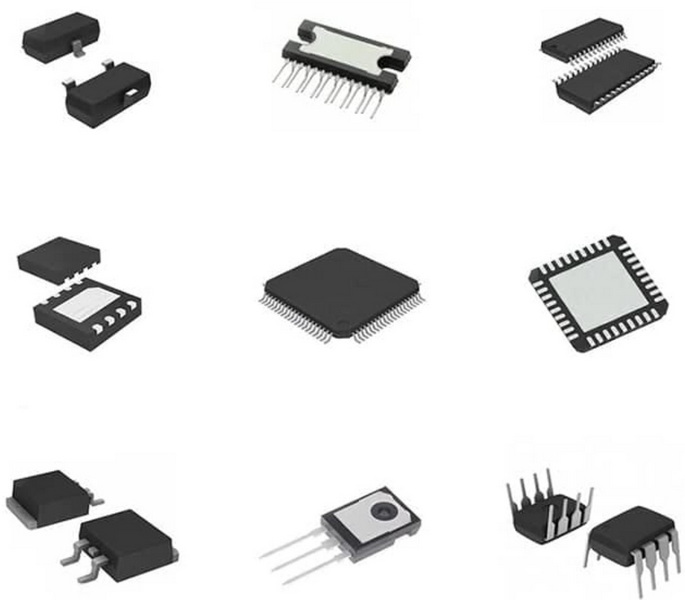
SMT accessories include the essential supporting components used across surface mount assembly lines. While machines such as pick-and-place units, printers, and reflow ovens perform the actual processes, accessories ensure they function efficiently and consistently.
- Nozzles and feeders: These are the heart of the pick-and-place process, handling and delivering tiny electronic components to the PCB surface.
- Stencil frames and squeegees: Crucial for accurate solder paste printing, these determine solder volume and deposition uniformity.
- Conveyor belts and board supports: Facilitate smooth movement and alignment of PCBs through each stage.
- Sensors and filters: Help maintain stable operations, monitor airflow, and ensure vacuum precision.
- Splicing tapes and reels: Enable continuous feeding and minimize production interruptions during component roll changes.
- Anti-static materials: Protect sensitive devices from electrostatic discharge (ESD) and contamination.
Each accessory plays a unique role, yet together, they form a cohesive system that decides the consistency and reliability of your SMT line.
Unoptimized accessories can be the hidden bottleneck of an otherwise high-performance SMT system. Poorly maintained feeders or worn-out nozzles often cause placement errors, leading to rework, component waste, or even line stoppages.
- Enhanced precision: Calibrated feeders and high-quality nozzles ensure accurate pick-up and placement for micro-sized chips.
- Improved yield rates: Proper stencil tension and squeegee conditions eliminate solder bridging and voids.
- Reduced downtime: Regular maintenance minimizes line stops caused by accessory malfunction.
- Consistent quality: Optimized parts maintain repeatable results, batch after batch.
- Cost efficiency: Extending accessory lifespan lowers replacement frequency and operational costs.
Optimization is a continuous process — the result of good design choices, smart preventive maintenance, and supplier partnerships.
Every electronic component type interacts uniquely with SMT equipment. Understanding these characteristics is key to optimizing accessory usage for peak performance.
Small resistors, capacitors, and chips require exceptional precision because even minor placement errors cause open or short circuits.
Optimization tips:
- Use high-precision ceramic nozzles that securely hold miniature components without static buildup.
- Regularly clean nozzle tips and check for deformation under magnification.
- Maintain vacuum pressure calibration for stable pickup performance.
- Use fine-pitch feeders with optimized tape indexing for consistent feed accuracy.
- Adopt automated optical inspection (AOI) to confirm part alignment and orientation.
Large integrated circuits and fine-pitched packages require optimized solder volume and thermal control.
Improper stencil design or excessive solder paste can cause bridging and joint failures.
Optimization tips:
- Choose laser-cut stainless steel or nickel-plated stencils to achieve sharp, smooth aperture edges.
- Optimize aperture ratios according to solder paste viscosity and component pitch.
- Use dual-blade squeegees made from polyurethane or stainless steel for uniform paste spreading.
- Maintain strict temperature profiling in reflow to prevent warpage.
The right combination of accessories can considerably improve solder joint reliability for these delicate packages.
Connectors, coils, and transformers present unique challenges due to their weight and irregular geometry.
Optimization tips:
- Equip the line with reinforced feeders to handle heavier components smoothly.
- Add custom support jigs or magnetic PCB fixtures to avoid lifting or tilting.
- Slow down pick-and-place acceleration to minimize vibration and misalignment.
- Use adhesive dots during placement for better stabilization before reflow.
Proper mechanical support is vital to maintaining mechanical integrity for these larger parts.
LED and optical sensor assemblies emphasize both precision and visual quality. Any fingerprint or scratch can ruin the final product.
Optimization tips:
- Use soft rubber or transparent nozzles to prevent physical damage to LED lenses.
- Keep an ESD-safe environment with grounded mats and anti-static gloves.
- Employ fixtures made of heat-resistant and reflective materials to ensure thermal balance during reflow.
- Perform color and brightness calibration before packaging to maintain luminous consistency.
Optimized SMT accessories ensure every LED retains its brightness uniformity and longevity.
Fine-pitch and HDI boards demand maximum precision. Even slight misalignment affects signal integrity and reliability.
Optimization tips:
- Utilize micro-aperture stencils (e.g., 0.08mm or 0.1mm thickness) for fine solder control.
- Deploy smart vision systems and high-resolution cameras for real-time placement validation.
- Implement automatic stencil cleaning mechanisms to avoid paste clogging.
- Clean feeder fiber optics and nozzle sensors regularly for consistent detection.
When optimized properly, these accessories enable the reliable assembly of complex boards used in telecommunication and computing applications.
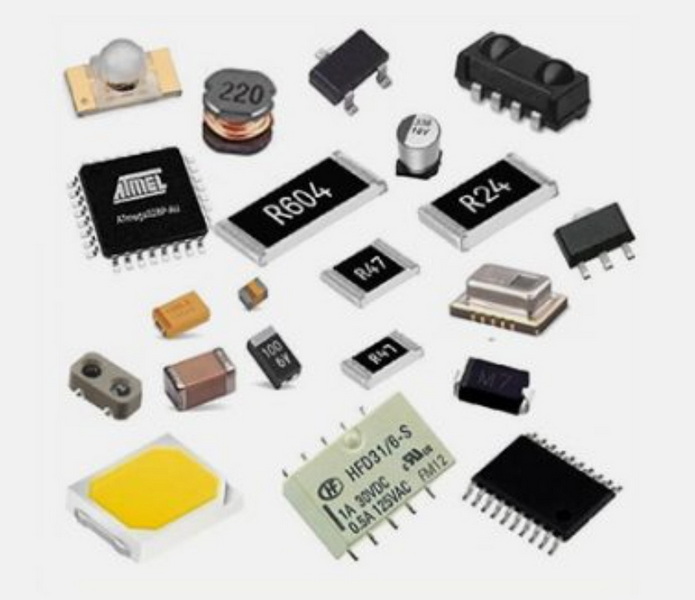
Long-term reliability depends on how well you maintain your SMT accessories. Over time, even premium parts lose precision due to mechanical fatigue, contamination, or thermal stress.
1. Set up a periodic inspection schedule. Inspect nozzles, feeders, and squeegees daily for contamination or wear.
2. Use ultrasonic cleaning equipment. This removes flux residues and microscopic debris without damaging sensitive surfaces.
3. Track wear metrics. Maintain an accessory log that records usage hours and replacement history.
4. Calibrate regularly. Adjust feeder pitch alignment, nozzle height, and squeegee angles weekly.
5. Store properly. Keep accessories in clean, temperature-controlled, anti-static cabinets.
6. Replace consumables in time. Avoid pushing squeegees, filters, or O-rings beyond their life expectancy.
Well-maintained accessories significantly reduce false pickups, misfeeds, and soldering defects.
Choosing a reliable SMT accessory supplier can define your operational efficiency. A partner like Highlywin not only delivers accessories but also provides comprehensive technical support and process optimization services.
When selecting a supplier, consider:
- Compatibility: Ensure their parts match your specific equipment model and brand.
- Material Standards: Look for accessories made from stainless steel, titanium, or high-density ceramics.
- Availability: Fast delivery and steady inventory reduce downtime.
- After-sales support: Access to training, setup assistance, and troubleshooting makes a major difference.
- Customization options: The ability to design nozzles or feeders tailored to unique components is invaluable.
Having the right partner ensures continuity and helps you adapt to future design challenges with confidence.
With Industry 4.0 and smart manufacturing becoming mainstream, SMT accessory management is becoming data-driven. Real-time monitoring can detect early signs of degradation and trigger predictive maintenance.
- IoT-based monitoring tracks vacuum efficiency, placement force, and cycle counts.
- Software dashboards visualize wear trends, helping plan replacements proactively.
- AI algorithms correlate performance data to identify which accessories limit yield or speed.
This level of analysis can turn ordinary accessories into intelligent assets contributing to long-term efficiency.
Different materials and climates impact accessory behavior. For example, high humidity affects solder paste printing, while dust in the air compromises vacuum precision.
- Maintain stable ambient conditions: typically 23°C ± 2°C and 40–60% RH for SMT environments.
- Use anti-static surfaces to minimize particle attraction to sensitive parts.
- Apply lubricants and protective coatings where applicable to prevent corrosion.
- Establish cleanroom-grade humidity control in LED and optical assembly lines.
Environmental optimization often goes hand-in-hand with accessory preservation — it ensures both stable performance and longer service life.
A global automotive electronics company partnered with Highlywin to revamp its SMT line efficiency. They faced recurring challenges such as nozzle clogging, solder bridges, and feeder misalignment.
After a thorough assessment, they implemented the following:
- Introduced high-precision ceramics nozzles for microcontrollers.
- Switched to nickel-coated stencils with improved paste release characteristics.
- Utilized real-time IoT monitoring for nozzle wear tracking.
- Performed monthly vacuum calibration on all pick heads.
The results were immediate — placement accuracy improved by 18%, solder defects dropped by 22%, and machine downtime reduced by 30% within three months. This case highlights how optimizing SMT accessories translates directly into measurable gains in quality and production stability.
The efficiency of any SMT assembly line hinges not only on machines but on the SMT accessories that connect and support them. Optimizing accessories — from feeders and nozzles to stencils and conveyors — ensures precision, consistency, and endurance across all processes.
Whether handling delicate LED components, HDI boards, or heavy connectors, the right accessory choice and maintenance schedule can boost productivity while lowering operational costs.
At Highlywin, we provide a complete one-stop SMT solution, integrating accessories, spare parts, training, and technical service for global clients. With our expertise, you can unlock maximum potential from your production line and stay competitive in the rapidly evolving electronics market.

SMT accessories are the supporting components used in surface mount technology systems, such as nozzles, feeders, stencils, and fixtures. They ensure operational stability and placement precision during PCB assembly.
It's best to clean and inspect accessories daily and conduct preventive maintenance weekly. Accessories exposed to solder paste or flux — such as stencils and squeegees — should be replaced as soon as wear or contamination is visible.
Not always. Some accessories, like feeders and nozzles, are designed for specific machine models. Always verify compatibility before use to prevent malfunction or calibration errors.
Proper storage, regular calibration, periodic cleaning, and using high-quality original parts extend service life. Monitoring usage cycles through software also helps schedule timely replacements.
Highlywin offers reliable SMT accessories, spare parts, technical training, and comprehensive service support. With global experience and professional engineering teams, we help clients optimize production processes and achieve higher yield rates.


