Your Trusted Partner from Prototyping to Mass Production, Email Us:info@highlymachine.com
Please Choose Your Language


Views: 222 Author: Ann Publish Time: 2025-12-30 Origin: Site


Content Menu
● Preparing for SMT Feeder Integration
● Step-by-Step Installation Process
>> Power Down and Safety Checks
>> Mounting the New SMT Feeders
>> Loading Components into SMT Feeders
>> Initial Wiring and Connections
● Calibrating Your SMT Feeders
● Software Configuration for SMT Feeders
● Testing and Optimization of SMT Feeders
● Common Challenges and Solutions with SMT Feeders
● Maintenance Best Practices for Long-Term SMT Feeder Performance
● Advanced Features in Modern SMT Feeders
● Benefits of Highlywin SMT Feeders
● FAQ
>> 2. How Long Does SMT Feeder Integration Take?
>> 3. Can Legacy Machines Use New SMT Feeders?
>> 4. What Causes Common SMT Feeder Jams?
>> 5. How to Optimize SMT Feeder Maintenance?
Integrating new SMT feeders into an existing production line boosts efficiency and adaptability in surface mount technology (SMT) assembly. Highlywin, a leading provider of SMT/AI/peripheral equipment and comprehensive SMT services, offers reliable SMT feeders tailored for global clients seeking one-stop SMT solutions. This guide details the step-by-step process, ensuring seamless SMT feeder integration while emphasizing the critical role of SMT feeders in high-performance PCB assembly.

SMT feeders supply surface-mount components like resistors, capacitors, ICs, and diodes to pick-and-place machines with high precision and reliability. These essential devices in any SMT production line come in various types, including tape-and-reel SMT feeders, tray SMT feeders, tube SMT feeders, bulk SMT feeders, and even specialized stick SMT feeders for unique component forms. Each type of SMT feeder is optimized for specific component packaging and handling requirements, ensuring smooth operation across diverse manufacturing needs.
In modern SMT lines, electric SMT feeders have largely replaced older pneumatic SMT feeders due to their superior accuracy, faster indexing speeds, and reduced error rates. Electric SMT feeders provide intelligent control over feed steps, peel mechanisms, and component presentation, which is crucial for high-speed assembly lines achieving component placement rates exceeding 100,000 chips per hour (CPH). Highlywin's range of SMT feeders incorporates advanced features like smart calibration systems, real-time monitoring, and seamless integration with manufacturing execution systems (MES), making every SMT feeder a reliable workhorse in demanding production environments.
The core mechanism of an SMT feeder involves precise advancement of components to the pickup point, where the machine's nozzle extracts them without misalignment. Tape-and-reel SMT feeders, the most common variant, handle components encased in carrier tapes of widths from 8mm to 88mm, with pitches as fine as 0.3mm for micro-components. Tray SMT feeders excel in matrix-style loading for larger parts like QFPs or BGAs, while tube SMT feeders manage radial-leaded components efficiently. Understanding these distinctions helps select the right SMT feeder for your line, preventing bottlenecks and maximizing throughput.
Successful SMT feeder integration starts with thorough preparation to minimize disruptions. Begin by assessing compatibility between the new SMT feeders and your existing pick-and-place machine, focusing on feeder bank slots, width specifications, pitch compatibility, and interface standards like SMEMA or SIPLACE protocols. Highlywin recommends creating a detailed compatibility matrix, verifying that each SMT feeder matches your SMT line's mechanical and electrical requirements to avoid costly retrofits or downtime.
Gather essential tools and materials: precision torque wrenches for secure mounting, alignment gauges for positional accuracy, anti-static mats to protect components, and diagnostic software for initial SMT feeder testing. Conduct a full inventory of your components, categorizing them by type, reel size, and feeder requirements, then generate a comprehensive feeder map in your machine's software. This map assigns specific positions to each SMT feeder, optimizing access for the placement head and reducing travel time.
Plan for controlled downtime by scheduling integration during off-peak production hours or maintenance windows. Backup all current programs, recipes, and nozzle data to safeguard against any issues during SMT feeder setup. Develop a rollback plan in case of complications, and involve your team in training sessions on the new SMT feeders—Highlywin provides on-site or virtual training to ensure operators master SMT feeder handling from day one. Finally, establish baseline performance metrics for your current line, such as CPH, defect rates, and uptime, to benchmark improvements post-SMT feeder integration.
Before touching any SMT feeder, completely power down the SMT production line and implement lockout/tagout (LOTO) procedures to isolate all energy sources. Visually inspect the feeder bank for wear, debris, or damage, and perform a deep clean of slots using compressed air and isopropyl alcohol. Verify that mounting rails are level and free of obstructions, setting the stage for flawless SMT feeder installation.
Position the new SMT feeder in alignment with its designated slot on the machine's feeder cart or bank. Most modern SMT feeders, including Highlywin models, feature quick-lock or pneumatic clamping mechanisms that simplify insertion—slide the SMT feeder into place, engage the latch, and apply torque to manufacturer specs (typically 5-10 Nm). Double-check alignment using laser guides or built-in indicators to ensure the SMT feeder's pickup point matches the machine's nozzle path exactly.
For multi-bank setups, install SMT feeders sequentially from left to right, updating the software map after each one. Highlywin's universal SMT feeders support hot-swapping in some configurations, allowing partial line operation during upgrades.
For tape-and-reel SMT feeders, carefully unwind the component reel and thread the carrier tape through the feed path, engaging the peel plate to expose components. Adjust tape tensioners to prevent slack or over-pull, which can cause jams in the SMT feeder. Load trays into tray SMT feeders by securing them in gel-pak or rigid holders, ensuring even stacking; for tube SMT feeders, insert component sticks vertically and set escapement mechanisms.
Test initial feeds manually by advancing the SMT feeder a few steps, confirming component presentation height and orientation. Highlywin SMT feeders include visual indicators for correct loading, reducing setup errors.
Connect power, signal, and pneumatic lines to the SMT feeder per the wiring diagram—electric SMT feeders typically use Ethernet or serial interfaces for plug-and-play communication. Power cycle the bank to verify recognition; most systems emit audible confirmations when an SMT feeder is detected. Highlywin's smart SMT feeders auto-configure parameters, streamlining this phase.
Calibration fine-tunes the SMT feeder to present components precisely at the machine's pickup coordinates. Access the calibration menu in your pick-and-place software, select the target SMT feeder slot, and initiate auto-calibration using the onboard vision system. This process verifies feed pitch, Z-height, theta rotation, and peel timing, adjusting servos in real-time for optimal performance.
For non-standard components, perform manual overrides: tweak feed step resolution (e.g., 2mm to 40mm pitches), peel speed for delicate tapes, and cover tape retention to avoid peel-back errors. Cycle test-pick 50-100 components per SMT feeder, aiming for 100% success rates before proceeding. Common adjustments include offset compensation for tape wander or height variations in bulk SMT feeders.
Run extended dry cycles without PCBs, monitoring SMT feeder telemetry for anomalies like vibration or inconsistent indexing. Highlywin SMT feeders log calibration data for traceability, enabling predictive adjustments over time.

Update your bill of materials (BOM), component libraries, and feeder setup files to reflect the new SMT feeder assignments. Map each component ID to its SMT feeder position, nozzle type, and placement parameters for automated program generation. Highlywin's configuration tools support bulk imports for rapid setup across hundreds of SMT feeders.
Activate advanced software features: enable auto-splicing for uninterrupted reel changes on tape SMT feeders, set dynamic speed profiling for variable feed rates, and integrate with MES/ERP systems for real-time inventory tracking of SMT feeder contents. Optimize feeder bank layouts using algorithms that minimize head travel, boosting overall line efficiency.
Validate configurations with simulation software, previewing placement sequences to spot potential SMT feeder conflicts early.
Launch low-volume test runs producing 100-500 boards, scrutinizing SMT feeder performance via vision inspection and yield data. Monitor for issues like double-feeding, skips, or misalignment in the SMT feeder mechanism, using high-speed cameras for root-cause analysis.
Fine-tune parameters: increase feed rates on high-volume SMT feeders while maintaining accuracy, leveraging variable-speed controls in electric models. Analyze cycle time data to identify bottlenecks, then optimize by regrouping components across SMT feeders. Highlywin's analytics suite provides dashboards tracking SMT feeder uptime, achieving gains up to 40% in throughput.
Scale to full production, continuously logging metrics to refine optimizations iteratively.
Integrating SMT feeders often uncovers hurdles, but proactive solutions keep lines running.
- Tape Jams in SMT Feeders: Stem from improper tension or worn peelers; install auto-tensioners and schedule bi-weekly peel inspections.
- Pitch Incompatibilities: Ensure SMT feeder specs align with tape pitches; Highlywin offers adjustable SMT feeders for versatility.
- Calibration Drift Over Time: Perform hourly checks and use self-correcting algorithms in smart SMT feeders.
- Reel Change Downtime: Deploy splicing stations for zero-stop transitions between reels in tape SMT feeders.
- Vibration-Induced Errors: Secure mounts and balance banks to stabilize high-speed SMT feeders.
Addressing these ensures robust SMT feeder reliability.
Implement a tiered maintenance regimen: daily visual checks and peel mechanism cleaning on all SMT feeders; weekly lubrication of gears, belts, and cams; monthly vacuum and sensor calibrations. Highlywin SMT feeders feature self-diagnostic LEDs and app alerts for proactive servicing.
Store spare SMT feeders in ESD-safe, climate-controlled cabinets, rotating stock to prevent degradation. Track usage hours via integrated counters to forecast replacements, typically every 1-2 million cycles per SMT feeder.
Highlywin's latest SMT feeders boast IoT connectivity for cloud-based predictive maintenance, cutting unplanned downtime by 30%. Intelligent algorithms auto-adjust for component tolerances, while multi-format SMT feeders switch between tape, tray, and tube modes seamlessly. Vision-guided SMT feeders enhance accuracy for fine-pitch parts, supporting 0201 components and beyond.
Choosing Highlywin SMT feeders delivers 40% faster setups, 99.9% uptime, and global support for spares and services. These robust SMT feeders scale from prototypes to mass production, providing true one-stop SMT solutions.
Mastering SMT feeder integration elevates your production line's efficiency, precision, and flexibility. From preparation through testing and ongoing maintenance, each step ensures your new SMT feeders deliver peak performance. Partner with Highlywin for premium SMT feeders, expert services, and comprehensive support to future-proof your SMT operations.
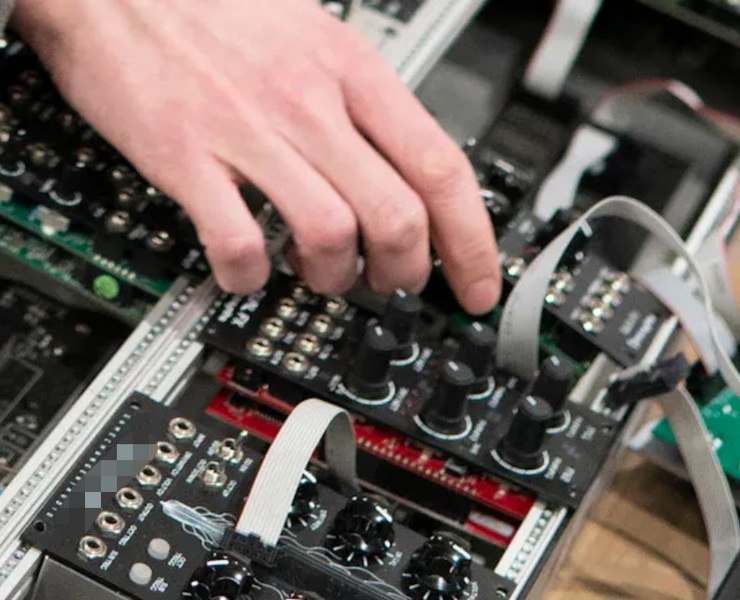
An SMT feeder is a precision device that supplies components to pick-and-place machines in SMT assembly lines. Highlywin offers diverse SMT feeders for tape, tray, tube, and bulk applications.
Integration typically spans 2-4 hours per feeder bank for new SMT feeders, accelerated by Highlywin's quick-mount designs.
Yes, adapters enable compatibility; Highlywin provides retrofit kits for older SMT lines with modern SMT feeders.
Misaligned tapes or wear cause most jams; preventive maintenance on SMT feeders resolves 95% of issues.
Daily cleaning, weekly calibration, and software monitoring sustain peak SMT feeder performance long-term.


