Your Trusted Partner from Prototyping to Mass Production, Email Us:info@highlymachine.com
Please Choose Your Language


Views: 222 Author: Ann Publish Time: 2025-12-25 Origin: Site


Content Menu
● Core Functions of SMT Feeders in PCB Assembly
● Types of SMT Feeders and Their Impact on Speed
● How SMT Feeders Boost Assembly Speed
● Precision Advantages from SMT Feeders
● Integration of SMT Feeders in Modern Lines
● Maintenance Best Practices for SMT Feeders
● Advanced Features in Contemporary SMT Feeders
● Case Studies: SMT Feeders in Action
● FAQ
>> 2. How do SMT Feeders improve speed?
>> 3. What types of SMT Feeders exist?
>> 4. Why is maintenance crucial for SMT Feeders?
>> 5. Can SMT Feeders handle high-mix production?
SMT Feeders are essential components in surface mount technology (SMT) production lines, delivering electronic parts precisely to pick-and-place machines. Highlywin, a leading provider of SMT/AI/peripheral equipment and comprehensive SMT services, specializes in high-performance SMT Feeders that boost PCB assembly efficiency for global clients.

SMT Feeders represent the backbone of modern PCB assembly, systematically advancing components like resistors, capacitors, and ICs toward placement heads. These devices ensure uninterrupted supply, directly impacting line speed and placement precision. In high-volume manufacturing, reliable SMT Feeders minimize downtime, enabling assemblers to meet demanding production targets.
Highlywin's range of SMT Feeders, including pneumatic and electric models, supports diverse component sizes from 01005 to large QFNs. By optimizing feeder pitch and alignment, SMT Feeders reduce misfeeds, enhancing overall throughput by up to 30% in optimized setups. SMT Feeders achieve this through precise mechanical indexing and sensor integration, which prevent component misalignment during high-speed operations.
The evolution of SMT Feeders has paralleled the miniaturization of electronics, with modern units handling tape widths from 8mm to 88mm seamlessly. For instance, in smartphone production, SMT Feeders must deliver thousands of tiny passives per minute without error, a feat accomplished via advanced peel mechanisms that maintain consistent tape tension.
SMT Feeders primarily handle component storage, orientation, and sequential delivery, interfacing seamlessly with pick-and-place systems. Mechanical SMT Feeders use tape, tray, or stick formats to present parts at exact nozzles, while intelligent variants incorporate sensors for real-time feedback. This precision feeding mechanism is crucial for maintaining assembly rhythm without interruptions.
In PCB assembly, SMT Feeders synchronize with machine vision systems, ensuring components arrive pre-aligned for micron-level placement. Highlywin SMT Feeders feature auto-calibration, reducing setup times from hours to minutes and supporting quick-changeover for high-mix production. SMT Feeders also manage peel-off processes delicately, avoiding cover tape damage that could lead to particle contamination on boards.
Key functions of SMT Feeders include precise pitch control to advance components accurately, jam detection and auto-recovery for continuous operation, and compatibility with various tape widths. Beyond basics, SMT Feeders incorporate empty pocket detection, alerting operators before faults cascade into full line stops. This proactive capability in SMT Feeders is vital for just-in-time manufacturing environments where every second counts.
SMT Feeders further excel in vibration dampening, ensuring stable component presentation even at peak speeds. In multi-lane setups, synchronized SMT Feeders across racks prevent desynchronization, maintaining uniform flow to multiple placement heads simultaneously.
SMT Feeders come in multiple configurations, each tailored to boost assembly velocity. Mechanical SMT Feeders, the most common, rely on pneumatic or stepper motors for reliable, cost-effective feeding up to 50,000 components per hour (CPH). Electric SMT Feeders offer superior torque control, ideal for delicate parts, achieving speeds exceeding 100,000 CPH in premium lines.
Vibratory and tray SMT Feeders handle odd-form components, while intelligent SMT Feeders with RFID integrate for smart factory environments. Highlywin provides modular SMT Feeders that swap seamlessly, minimizing changeover downtime by 50% and accelerating production ramps. Pneumatic SMT Feeders shine in rugged environments, delivering consistent force regardless of air pressure fluctuations common in factory floors.
Electric SMT Feeders, by contrast, provide closed-loop feedback, adjusting feed rates dynamically to match machine demands. This adaptability in SMT Feeders proves invaluable for volatile production schedules, such as those in automotive electronics where component mixes change frequently. Tray-based SMT Feeders excel with larger ICs, using matrix trays to feed up to 100 components per cycle without tape constraints.
Intelligent SMT Feeders elevate performance further with data logging, enabling predictive analytics on wear patterns. These advanced SMT Feeders connect to MES systems, optimizing feeder allocation based on real-time job queues for maximum line utilization.
SMT Feeders enhance speed by ensuring constant component availability, eliminating wait states in pick-and-place cycles. High-quality SMT Feeders maintain feeder-to-head synchronization, allowing parallel operations across multiple nozzles for throughput gains of 20-40%. Advanced SMT Feeders incorporate variable pitch adjustment, adapting to component densities on-the-fly without halting lines.
In Highlywin solutions, optimized SMT Feeders reduce cycle times per part from 100ms to under 50ms, critical for consumer electronics volumes. Factors amplifying speed include rapid tape advancement in SMT Feeders that prevents bottlenecks, low-vibration designs sustaining high-frequency operations, and bulk loading capabilities for extended runs. SMT Feeders also support "flying" heads that pick while previous placements occur, multiplying effective CPH.
In high-speed scenarios, SMT Feeders minimize index times—the delay between feeds—to mere milliseconds. Highlywin's high-performance SMT Feeders use lightweight materials like carbon composites for peel arms, slashing inertia and enabling faster cycles. For ultra-high-volume runs, multi-bank SMT Feeders allow pre-loading during production, ensuring zero interruptions over shifts.
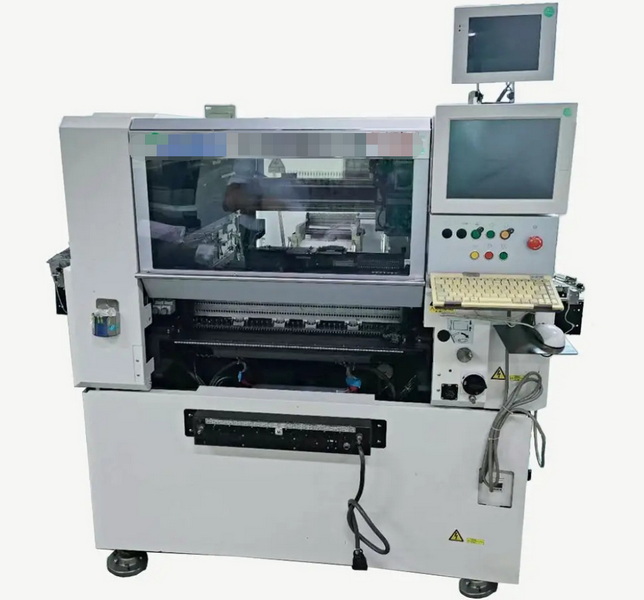
Accuracy in PCB assembly hinges on SMT Feeders delivering components with exact orientation and position. Premium SMT Feeders use fiducial markers and laser alignment, achieving placement errors below 25µm, far surpassing manual methods. SMT Feeders mitigate angular deviations through anti-rotation features, ensuring consistent no-pick rates under 0.1%.
Highlywin's calibrated SMT Feeders integrate with AOI systems, providing traceability that cuts rework by 70%. Benefits include stable peel-off tension in tape SMT Feeders, real-time offset correction, and dust-free environments for flawless SMT Feeders performance. Vision-guided SMT Feeders employ cameras to verify component presence and posture before pickup, rejecting anomalies instantly.
Centering mechanisms within SMT Feeders align parts laterally and rotationally, compensating for tape stretch or manufacturing tolerances. In fine-pitch applications like BGA packages, these precision SMT Feeders maintain coplanarity, preventing tombstoning defects during reflow.
Seamless SMT Feeders integration with printers, placers, and ovens forms a cohesive ecosystem. Highlywin offers turnkey SMT Feeders setups compatible with Fuji, Yamaha, and Samsung machines, featuring auto-ID for plug-and-play efficiency. In Industry 4.0, smart SMT Feeders connect via MQTT for predictive maintenance, preempting jams and sustaining 99.9% uptime.
This connectivity elevates overall equipment effectiveness (OEE) in PCB lines. Deployment tips for SMT Feeders include calibrating post-setup, sequencing by component size, and monitoring via centralized dashboards. ERP-linked SMT Feeders automate replenishment signals, coordinating with warehouses for seamless material flow.
In flexible manufacturing, quick-release clamps on SMT Feeders facilitate SMEMA-compliant swaps, supporting lot sizes from prototypes to millions. Highlywin's ecosystem ensures SMT Feeders scale with line expansions, maintaining balanced throughput across modules.
Regular upkeep of SMT Feeders ensures longevity and peak performance. Clean tape paths weekly to prevent debris-induced jams, and lubricate mechanisms per manufacturer specs—Highlywin SMT Feeders require minimal intervention for 10M+ cycles. Proactive checks on peel arms and covers in SMT Feeders catch wear early, averting costly stoppages.
Firmware updates for intelligent SMT Feeders unlock speed enhancements and accuracy tweaks. Routine tasks encompass inspecting feeder motors monthly, verifying tape tension, and running diagnostic cycles on SMT Feeders. Implementing TPM schedules for SMT Feeders can extend MTBF beyond 5,000 hours.
Operators should log feed counts per SMT Feeder to schedule replacements preemptively, integrating with CMMS for automated alerts. Highlywin provides remote diagnostics for SMT Feeders, allowing experts to troubleshoot virtually and minimize on-site visits.
Today's SMT Feeders boast AI-driven error prediction, auto-adjusting feed rates based on component variability. Highlywin's next-gen SMT Feeders include vision-assisted loading, slashing manual errors by 90%. Hybrid SMT Feeders combine tape and tray modes for versatility, supporting 5G and EV board complexities.
Energy-efficient designs reduce operational costs while upholding speed and precision. Innovations feature RFID for inventory tracking in SMT Feeders, adaptive speed profiling, and eco-mode for low-volume runs. Machine learning in SMT Feeders analyzes historical data to optimize peel pressures for specific reels, enhancing consistency.
Edge computing enables standalone SMT Feeders calibration, reducing dependency on host machines. These features position SMT Feeders as cornerstones of resilient, data-driven factories.
A global smartphone maker integrated Highlywin SMT Feeders, boosting line speed from 40k to 90k CPH with 99.5% yield. Another automotive client used electric SMT Feeders for high-temp sensors, cutting defects by 60%. In medical device assembly, tray SMT Feeders handled custom connectors flawlessly, achieving FDA-compliant traceability.
These successes underscore SMT Feeders' role in scaling production reliably, with ROI often realized within months through higher yields and faster cycles.
SMT Feeders fundamentally transform PCB assembly by delivering unmatched speed and accuracy, enabling Highlywin clients to thrive in competitive markets. From mechanical basics to AI-enhanced models, SMT Feeders drive efficiency gains that compound across entire production ecosystems. Investing in quality SMT Feeders ensures future-proof operations, minimizing costs and maximizing output. Partner with Highlywin for tailored SMT Feeders solutions that propel your PCB assembly to new heights.

SMT Feeders are devices that store and sequentially deliver electronic components to pick-and-place machines in PCB assembly lines, ensuring precise and rapid feeding.
SMT Feeders synchronize component supply with placement heads, enabling high CPH rates up to 120,000 by eliminating delays and supporting parallel operations.
Common types include mechanical, electric, intelligent, and tray SMT Feeders, each optimized for specific components and production needs.
Proper maintenance of SMT Feeders prevents jams, extends lifespan, and maintains accuracy, directly impacting OEE and reducing downtime.
Yes, advanced SMT Feeders with auto-calibration and quick-change features excel in high-mix environments, minimizing setup times.


