Your Trusted Partner from Prototyping to Mass Production, Email Us:info@highlymachine.com
Please Choose Your Language


Views: 222 Author: Ann Publish Time: 2025-12-21 Origin: Site


Content Menu
● Introduction: Why SMT Accessories Matter
● Understanding the Role of SMT Accessories
● Manual SMT Accessories: Reliability with Human Control
>> What Are Manual SMT Accessories?
>> Benefits of Manual SMT Accessories
● Automated SMT Accessories: Precision, Speed, and Smart Integration
>> What Are Automated SMT Accessories?
>> Core Advantages of Automation
>> The Cost and Complexity Trade-off
● Comparing Manual and Automated SMT Accessories
● Practical Scenarios: When to Choose Each
>> When to Choose Manual SMT Accessories
>> When to Choose Automated SMT Accessories
● The Highlywin Advantage in SMT Accessory Integration
● Optimizing Production Efficiency Through SMT Accessories
● Moving Toward Smart Factory Solutions
● FAQ
>> 1. What types of SMT accessories are most essential for production?
>> 2. How often should SMT accessories be inspected or replaced?
>> 3. Can automated SMT accessories integrate with existing manual setups?
>> 4. What are the signs that indicate it's time to upgrade to automation?
>> 5. How does Highlywin support global manufacturers in SMT accessory adoption?
In today's fast-paced electronics manufacturing environment, achieving the perfect balance between precision, speed, and quality is essential for success. Surface Mount Technology (SMT) plays a critical role in assembling reliable printed circuit boards (PCBs) used in everything from smartphones to medical instruments. However, even the most advanced SMT lines depend heavily on SMT accessories—the unsung heroes that sustain production efficiency, ensure accuracy, and reduce downtime.
From feeders and nozzles to conveyors and inspection systems, every SMT accessory directly influences operational stability. Choosing between manual SMT accessories and automated SMT accessories is not just a technical decision; it's a strategic investment choice that impacts your entire production ecosystem.

Before making any decision, it's crucial to understand what SMT accessories actually do. These components are the secondary but essential parts that support primary machinery such as pick-and-place units, stencil printers, and reflow ovens. They handle tasks like component feeding, alignment, transfer, and inspection—functions that contribute to overall productivity.
Common SMT accessories include:
- Feeders, feeder carts, and tape splicing tools
- SMT nozzles and nozzle tips
- Storage systems for reels and feeders
- PCB magazines, trays, and racks
- Conveyors and board handling equipment
- Inspection and cleaning tools
- Solder paste printers and stencil frames
At Highlywin, we supply and customize all categories of SMT accessories for different machine brands, including Yamaha, Juki, Fuji, Panasonic, Samsung, and more. By understanding your specific production requirements, our team can recommend the right accessories to improve accuracy, yield, and efficiency.
Manual SMT accessories are tools controlled primarily by operators, suitable for environments where flexibility and human oversight are more valuable than sheer speed. They are ideal for new product introduction (NPI) lines, prototyping workshops, and low-volume manufacturing where frequent adjustments are common.
Examples include manual stencil printers, reel handling carts, adjustable PCB holders, component feeders operated by hand, and manual solder paste dispensers. Despite their simplicity, these tools remain vital for dependable performance and cost-effectiveness in the early stages of production setup.
1. Lower Initial Cost: Manual accessories require less investment, making them ideal for startups or small-scale manufacturers.
2. Ease of Learning: They are simple to operate, allowing quick training for new operators.
3. Flexibility: Manual SMT accessories can adapt easily to different board sizes and product types without complex reprogramming.
4. Low Maintenance: With fewer mechanical parts, manual tools seldom require technical maintenance.
5. High Customization: Operators can fine-tune manual accessories in real-time, adjusting for unique application needs.
While manual accessories offer flexibility, their reliance on human skill increases the potential for inconsistency in solder paste application or component placement. As production volume grows, manual operation may become a bottleneck due to slower throughput and possible human fatigue.
For production lines aiming for high-volume, precision-critical assembly, automation may become an inevitable upgrade path.
Automated SMT accessories integrate robotics, sensors, and intelligent software systems to handle repetitive and precision-sensitive tasks with minimal human intervention. They often work synchronously with main assembly machines, accelerating the flow of materials and information throughout the line.
Examples include:
- Automatic splicing and feeder systems
- Smart storage towers that identify reel contents automatically
- Conveyor-based transfer and handling systems
- Automated solder paste printers
- Optical inspection systems and robotic nozzle changers
1. Consistency and Accuracy: Automated SMT accessories ensure repeatability across thousands of cycles, eliminating manual variability.
2. High-Speed Efficiency: They dramatically increase output, making them indispensable for high-volume manufacturing.
3. Data Connectivity: Many automated accessories support real-time monitoring, enabling predictive maintenance and performance tracking through MES or Industry 4.0 platforms.
4. Reduced Labor Cost: Less manual handling means fewer operators are needed, reducing long-term operational expenses.
5. Safety: Automation minimizes direct human contact with delicate or heated components, improving workplace safety.
Automated SMT accessories offer unmatched efficiency, but they come with higher upfront costs and require technically skilled personnel for installation, programming, and servicing. Maintenance may involve firmware updates or software synchronization.
Despite this, the return on investment (ROI) is usually rapid in large-scale operations, especially where demand consistency and traceability are vital. Factories adopting automation often experience fewer process deviations and significant reductions in rework due to misplacement or soldering issues.
When deciding between manual and automated SMT accessories, manufacturers should analyze production goals, product complexity, and return expectations. Manual systems shine where adaptability and cost control matter most, while automated solutions excel at scaling output and ensuring precision.
Key factors to evaluate include:
- Production Volume: Low to moderate batches benefit from manual tools; high-volume lines need automation.
- Budget Constraints: Manual accessories are cost-friendly for short-term projects; automated versions provide savings in the long run.
- Product Mix: If you frequently switch between different PCB designs, manual accessories allow faster reconfiguration.
- Labor Availability: Limited skilled labor may encourage automation to maintain throughput.
- Quality Standards: Automated SMT accessories provide the consistency required for mission-critical electronics.
In many cases, the ideal solution is a hybrid configuration—using manual accessories in flexible stages like prototyping and automated systems for final mass assembly lines.
- Your business focuses on quick design iterations or prototype assembly.
- Batch sizes vary frequently, and flexibility is key.
- You have skilled operators who can manage detailed adjustments manually.
- The budget does not justify heavy automation at the current scale.
- Your production line runs multiple shifts with consistent output targets.
- You need traceable data and precision at every step of the assembly process.
- The cost of human error or downtime exceeds potential equipment investment.
- You plan to integrate Industry 4.0 or smart factory features gradually.
Through Highlywin's tailored consulting service, we conduct a detailed operational analysis before recommending whether manual or automated accessories—or a combination—will best serve your long-term goals.
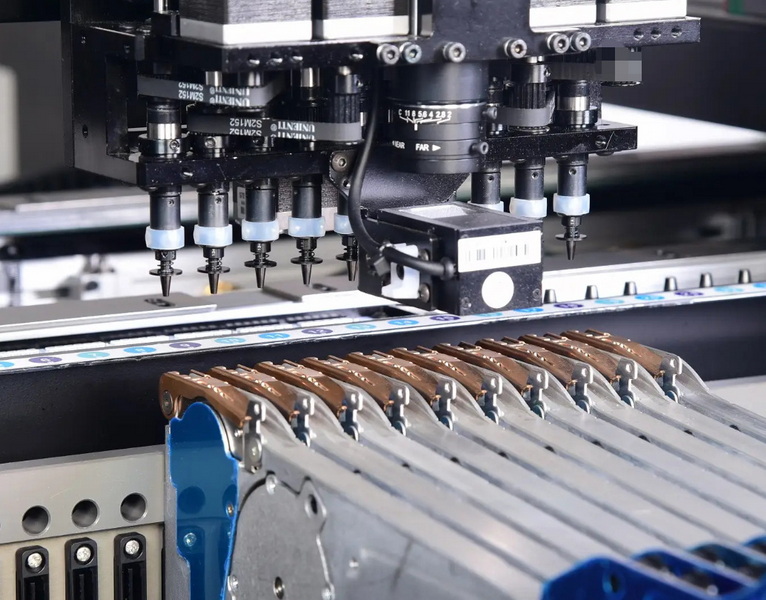
Highlywin has spent years supporting global manufacturers in building dependable, high-performance SMT production lines. As a comprehensive SMT/AI peripheral equipment supplier, we not only deliver premium hardware solutions but also provide full-cycle technical services.
- Global sourcing and component replacement: Genuine parts for major SMT brands such as Yamaha, Juki, Fuji, and Panasonic.
- Custom accessory design: Tailored feeders, conveyors, nozzles, and storage systems designed for your specific production layout.
- Installation and training: On-site support and operator training to guarantee smooth implementation.
- Preventive service programs: Scheduled maintenance and performance calibration.
- Full digital integration support: Helping clients transition toward smart factory models with connected automation tools.
For customers building or upgrading their production lines, Highlywin simplifies the entire journey into a one-stop SMT solution—from accessory selection to after-sales support.
Regardless of whether you select manual or automated systems, the right combination of SMT accessories can profoundly influence productivity and quality. Here are some best practices for optimizing your production environment:
1. Standardize Components: Use unified feeder and nozzle types across machines to reduce changeover time.
2. Implement Monitoring Tools: Even for manual setups, integrate inspection cameras or sensors for consistent solder pasting.
3. Upgrade in Phases: Begin with partial automation, such as smart feeders or inspection tools, before full-scale conversion.
4. Train Your Team: The efficiency of SMT accessories still depends on operator skill and process awareness.
5. Maintain Proper Storage: Organized handling with ESD-safe storage accessories prevents damage and contamination.
A well-managed accessory system directly contributes to throughput improvements, product reliability, and reduced operational risk.
As electronics manufacturing evolves, the line between manual and automated SMT accessories continues to blur. Many modern setups feature semi-automated devices—like assisted feeders with monitoring sensors or hybrid stencil printers—that merge manual flexibility with automated precision.
Advances in machine learning and data analytics are transforming SMT accessories into intelligent devices capable of self-diagnosis, trend analysis, and performance optimization. By integrating such tools early, manufacturers are better prepared for future scalability.
At Highlywin, our R&D team continuously evaluates emerging technologies to ensure our customers receive industry-leading accessories that fit into next-generation manufacturing ecosystems.
Choosing between manual and automated SMT accessories is a strategic decision that shapes manufacturing efficiency, scalability, and long-term profitability.
Manual tools support flexibility and low investment for startups or research facilities, while automated solutions deliver accuracy, consistency, and round-the-clock productivity for large-scale manufacturing. For many manufacturers, a blended approach ensures optimal agility without compromising precision.
Whether your goal is cost reduction, process reliability, or smart factory readiness, your SMT accessory strategy plays a decisive role. With Highlywin's extensive experience and one-stop service, you can minimize downtime, increase throughput, and maintain competitive advantage in a rapidly evolving electronics market.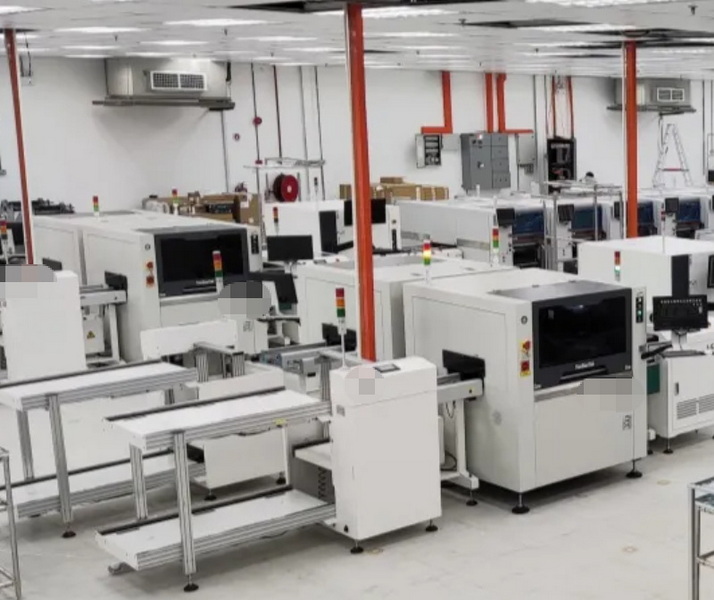
Key SMT accessories include feeders, nozzles, conveyors, stencils, inspection jigs, and ESD storage systems. Each has a critical role in supporting stable PCB assembly and minimizing process interruptions.
Routine inspections are recommended every 6 to 12 months depending on usage intensity. Feeder calibration, nozzle cleaning, and stencil maintenance should occur regularly to prevent quality degradation.
Yes. Many production lines adopt hybrid models where manual handling coexists with automated accessories. This approach enhances flexibility and allows gradual automation without large upfront costs.
Indicators include rising rework rates, increased human error, reduced throughput, or expanding product demand. When manual efficiency plateaus, automation becomes a cost-effective evolution.
Highlywin provides complete SMT accessory solutions—from hardware selection and installation to technical training and after-sales support. We help customers build scalable and efficient production lines ready for future smart factory integration.


