Your Trusted Partner from Prototyping to Mass Production, Email Us:info@highlymachine.com
Please Choose Your Language


Views: 222 Author: Ann Publish Time: 2026-01-25 Origin: Site


Content Menu
● Introduction to SMT Machines and Their Critical Role
● Solder Paste Printing Problems in SMT Machines
● Component Placement Errors in SMT Machines
● Reflow Soldering Defects in SMT Machines
● Feeder and Nozzle Failures in SMT Machines
● Vision System Malfunctions in SMT Machines
● Conveyor and Board Handling Issues in SMT Machines
● Maintenance and Cleaning Oversights in SMT Machines
● Electrical and Software Glitches in SMT Machines
● Preventive Strategies for Optimal SMT Machine Performance
● Advanced Troubleshooting Techniques for SMT Machines
● FAQ
>> 1. What causes tombstoning in SMT machines?
>> 2. How to prevent solder balls in SMT machines?
>> 3. Why do feeders jam in SMT machines?
>> 4. How often should SMT machines be maintained?
>> 5. What fixes placement offsets in SMT machines?
SMT machines form the backbone of modern electronics manufacturing, enabling precise placement of components on PCBs for high-volume production. Highlywin, a leading provider of SMT/AI/peripheral equipment, full-service support, and spare parts sales, delivers one-stop SMT solutions to global clients worldwide. This comprehensive guide explores the most common issues encountered with SMT machines, their root causes, detailed troubleshooting steps, and proven fixes to minimize downtime and maximize yields in your production lines.

Surface Mount Technology (SMT) machines revolutionize electronics assembly by automating the placement of tiny components onto printed circuit boards (PCBs) at incredible speeds. These sophisticated systems include screen printers, pick-and-place machines, reflow ovens, conveyors, and inspection tools, all working in harmony to produce everything from consumer gadgets to industrial controls. However, even the best SMT machines can face challenges due to high-speed operations, environmental factors, and wear over time.
Highlywin specializes in sales of reliable SMT machines, alongside comprehensive service support and an extensive inventory of spare parts. Whether you're running a small prototyping line or a massive mass-production facility, understanding common SMT machine issues is key to maintaining efficiency. By addressing problems proactively, manufacturers can reduce defect rates by up to 50% and extend equipment life significantly. This article dives deep into prevalent SMT machine malfunctions, offering practical solutions tailored for global clients relying on Highlywin's expertise.
Solder paste printing is the first critical step in SMT assembly, where stencil printers deposit precise amounts of paste onto PCB pads. Common issues with SMT machines in this stage include uneven paste deposits, insufficient volume, bridging between pads, and voids that lead to weak solder joints. These problems often stem from stencil misalignment, worn-out squeegees, incorrect paste viscosity, or improper pressure settings.
Stencil misalignment occurs when the PCB shifts during printing, a frequent glitch in high-throughput SMT machines. Worn squeegees fail to shear paste cleanly, resulting in smearing. Paste that's too thick or thin—ideally between 500,000-800,000 CPS—exacerbates these issues. Environmental factors like humidity above 60% can also cause paste drying, disrupting SMT machine performance.
To fix solder paste printing problems in SMT machines, start with regular stencil cleaning using lint-free wipes and isopropyl alcohol after every 50 prints. Calibrate printer pressure to 1-2 kg/cm² and adjust squeegee speed to 20-50 mm/s for optimal results. Align stencils using fiducial marks and vacuum tables to secure PCBs firmly. Highlywin offers state-of-the-art stencil printers with automated alignment features, ensuring consistent deposits across all SMT machines. For persistent bridging, switch to finer stencil apertures (Type 3 or Type 4 paste) and perform daily viscosity checks with a viscometer. Implementing these steps can boost first-pass yields in SMT machines by 30-40%.
Video demonstrations of proper printing techniques reveal how to avoid over-deposition and achieve flawless paste volume control in SMT machines. Operators should also verify squeegee angle at 45-60 degrees and maintain snap-off distances of 1-2 mm to prevent paste scoop-up.
Pick-and-place machines, the heart of SMT lines, handle thousands of components per hour but are prone to misalignment, skewed parts, missing components, and tombstoning. Tombstoning, where one end of a component lifts during reflow, is particularly notorious in SMT machines. Causes include faulty feeders, incorrect nozzle heights, vision system drift, or insufficient board support.
Feeders jam from poor tape splicing, dust accumulation, or mismatched sprockets, halting SMT machine operations abruptly. Nozzle issues, such as wear or vacuum leaks, lead to dropped parts, while vision cameras misread fiducials under poor lighting. Board warpage exacerbates placement errors in high-precision SMT machines.
Solutions for component placement in SMT machines involve daily vision system checks using calibration boards and ensuring feeder tapes match component pitch exactly (e.g., 4mm, 8mm). Reset pickup Z-heights to component specs and replace nozzles every 50,000 cycles. For tombstoning prevention, balance pad sizes symmetrically and optimize reflow profiles with gradual ramp-up rates. Highlywin supplies precision nozzles and high-speed feeders compatible with all major SMT machines, reducing placement offsets to under 25 microns.
Dynamic troubleshooting includes clearing feeder jams by inspecting peel-off plates and using anti-static tools. Train operators to monitor placement rates via machine dashboards, pausing SMT machines at thresholds below 95% efficiency. Integrating dual-lane feeders can further enhance throughput in demanding SMT machine setups.
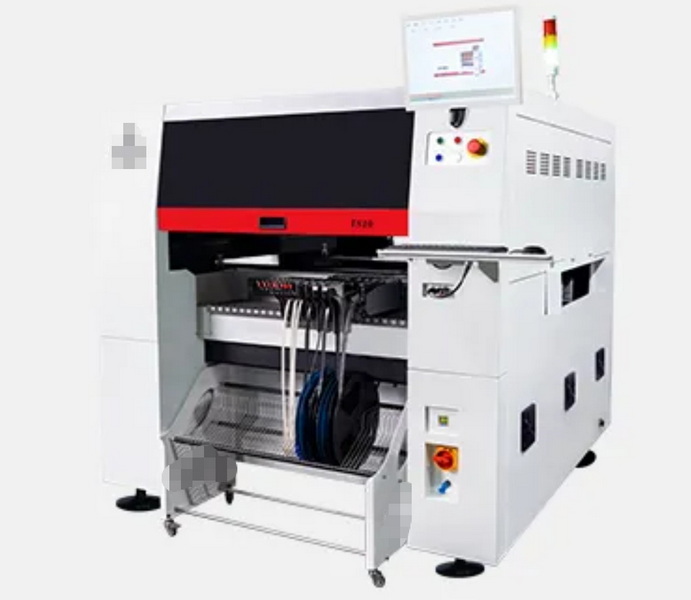
Reflow soldering solidifies joints in SMT machines but often results in solder balls, bridging, cold joints, or head-in-pillow defects. Solder balls form from flux splatter during rapid cooling, while bridging arises from excess paste or poor separation. Cold joints appear shiny but lack intermetallic bonds due to insufficient peak temperatures.
Improper thermal profiles are the primary culprit: profiles should feature a preheat of 150-180°C, soak at 180-220°C, peak reflow at 240-260°C, and cooling below 200°C within 6 minutes. Flux degradation or contaminated boards in SMT machines amplifies these issues.
Optimize reflow in SMT machines by developing profiles with thermocouples on test boards and using nitrogen atmospheres to reduce oxidation. Maintain conveyor speeds at 0.8-1.2m/min and clean flux residues post-reflow with aqueous washers. Highlywin's multi-zone reflow ovens provide precise zone controls and real-time monitoring for flawless SMT machine performance.
Advanced techniques include analyzing X-ray images for hidden voids and adjusting belt tensions to prevent board skewing. Regular flux potency tests ensure consistent wetting across SMT machines, minimizing defects to under 1%.
Feeders and nozzles are high-wear components in SMT machines, with jams and vacuum failures causing 20-30% of stoppages. Jams result from damaged tape covers, debris, or motor encoder faults, while nozzles crack from mishandling or picking oversized parts.
Prevent failures by scheduling weekly inspections: lubricate rails with OEM grease, clean sensors ultrasonically, and stockpile spare feeders. Match nozzle sizes precisely (e.g., 1.0mm for 0201 chips) and monitor vacuum at 60-80 kPa. Highlywin maintains a global warehouse of genuine spares for instant SMT machine delivery.
Routine maintenance extends feeder life to 2 million cycles. For chronic issues, upgrade to intelligent feeders with auto-splicing in next-gen SMT machines.
Vision systems in SMT machines detect components and fiducials but falter from dirty lenses, inconsistent lighting, or algorithm glitches. Symptoms include false rejects or offsets exceeding 50 microns.
Clean lenses daily with compressed air and calibrate under 500-1000 lux lighting. Update software for enhanced edge detection. Highlywin's AOI upgrades integrate seamlessly with existing SMT machines.
Conveyors in SMT machines mishandle warped boards (>0.75% bow), causing shifts and opens. Solutions: use edge supports and auto-width adjusters. Highlywin conveyors ensure flat transport.
Dust and residue shorten SMT machine life. Implement IPA wipe-downs daily and deep cleans monthly with food-grade lubricants.
Servo faults and crashes from loose wires or outdated PLCs plague SMT machines. Quarterly audits and backups resolve these.
Predictive maintenance with IoT sensors forecasts failures. Highlywin's training programs empower teams for peak SMT machine uptime.
SPI, AOI, and X-ray tools detect subtle SMT machine defects. Data analytics correlate parameters for root-cause fixes.
Mastering common issues in SMT machines ensures high yields, low costs, and reliable production. Highlywin's one-stop solutions—premium SMT machines, spares, and expert support—empower global manufacturers to thrive. Partner with us for uninterrupted excellence.
Contact us to get more information!
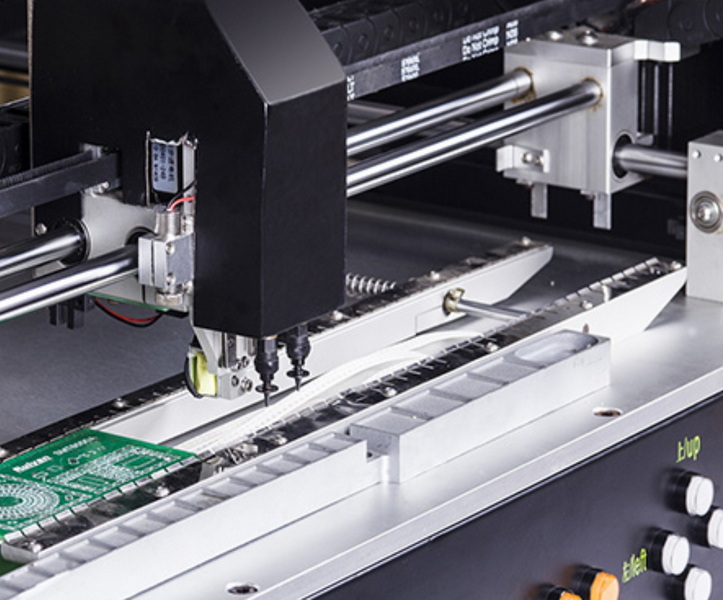
Tombstoning occurs due to uneven reflow heating, imbalanced paste volumes, or pad size mismatches in SMT machines. Fixes include symmetric designs, optimized profiles with 60-second liquidus times, and precise paste printing.
Prevent solder balls by controlling ramp rates to 1-2°C/s, using fresh low-residue flux, and cleaning stencils religiously in SMT machines. Nitrogen reflow minimizes splatter.
Feeders jam from dust, incorrect tape width, or sprocket wear in SMT machines. Clean weekly, verify specs, and lubricate to avoid downtime.
Daily cleaning, weekly calibrations, monthly lubrication, and quarterly audits keep SMT machines at peak performance. Follow Highlywin protocols.
Recalibrate vision systems, check nozzle vacuum, and align feeders to correct offsets in SMT machines. Precision upgrades from Highlywin enhance accuracy.


