Your Trusted Partner from Prototyping to Mass Production, Email Us:info@highlymachine.com
Please Choose Your Language


Views: 222 Author: Ann Publish Time: 2025-12-20 Origin: Site


Content Menu
● Mechanisms of Downtime Reduction with SMT Feeders
● Boosting Productivity Through SMT Feeders
● Types of SMT Feeders and Performance Impacts
>> Tape Feeders
>> Tray Feeders
● Optimizing Feeder Changeovers
● Smart SMT Feeders: The Future of Efficiency
● Maintenance Strategies for Long-Term SMT Feeder Performance
● Human Factors: Training for SMT Feeder Excellence
● High-Volume Production with SMT Feeders
● Highlywin: Your SMT Feeder Partner
● FAQ
>> 1. How do SMT feeders reduce downtime?
>> 2. What factors influence SMT feeder productivity?
>> 3. Which SMT feeder type suits high-mix production?
>> 4. How often to maintain SMT feeders?
>> 5. What benefits do smart SMT feeders offer?
In the fast-paced world of surface mount technology (SMT) manufacturing, SMT feeders play a pivotal role in ensuring seamless operations. These essential components supply electronic parts to pick-and-place machines with precision, directly influencing production efficiency. By minimizing interruptions and maximizing output, optimized SMT feeders transform SMT lines into high-performing powerhouses for global electronics production.
Highlywin, a leading provider of SMT, AI, and peripheral equipment, along with comprehensive SMT services and spare parts, empowers customers worldwide with one-stop SMT solutions. This article delves deeply into how SMT feeders reduce downtime and boost productivity, offering actionable insights for manufacturers seeking competitive advantages.

SMT feeders are specialized devices designed to store, advance, and present surface-mount components to the placement head of SMT machines. They handle various formats like tape-and-reel, trays, sticks, and bulk, ensuring components arrive at the exact position, orientation, and timing required for high-speed assembly. The reliability of SMT feeders determines whether a production line runs smoothly or faces constant halts.
At their core, SMT feeders feature precise indexing mechanisms, such as sprockets that engage with tape pockets, cover tape peelers that expose components without damage, and sensors that detect presence, jams, or end-of-supply. Modern SMT feeders integrate stepper motors for accurate positioning and vacuum nozzles for stable pick-up support. In a typical SMT line, banks of 20 to 100 SMT feeders operate in tandem, feeding thousands of components per hour across multiple placement heads.
The evolution of SMT feeders has mirrored advancements in electronics miniaturization. Early models handled basic resistors and capacitors, but today's SMT feeders accommodate tiny 01005 chips, delicate QFNs, and large BGAs with equal finesse. Selecting the right SMT feeders for specific component types is crucial, as mismatches lead to frequent errors and reduced line speeds.
Downtime in SMT production—whether unplanned from jams or planned from changeovers—erodes profitability rapidly. SMT feeders address this by preventing common failure points that trigger machine stoppages. High-precision tape guidance in SMT feeders eliminates misalignments that cause empty picks, where the head descends but finds no component, halting the line for recovery.
Larger-capacity reels on advanced SMT feeders extend run times between replenishments. For instance, a standard 8mm SMT feeder might hold 2,000-4,000 components, but high-capacity versions double or triple this, slashing reel change frequency by up to 50% in volume runs. Intelligent sensors in smart SMT feeders monitor remaining counts in real-time, alerting operators during natural pauses rather than mid-run.
Quick-change designs further minimize downtime. Modular SMT feeders with standardized interfaces allow swaps in seconds, especially when pre-loaded on trolleys. Offline preparation stations enable teams to load and verify entire sets of SMT feeders away from the line, docking them in minutes. Factories using these strategies report changeover times dropping from hours to under 30 minutes, freeing machines for production.
Moreover, vibration-dampening features in robust SMT feeders counteract line tremors, maintaining component stability during high-speed operation. Peel-back blade adjustments prevent cover tape adhesion issues, a sneaky downtime culprit. By tackling these micro-inefficiencies, SMT feeders can cut overall downtime by 25-40%, depending on the production mix.
Productivity gains from SMT feeders stem from faster, more reliable component delivery, enabling placement machines to operate at peak CPH (components per hour) ratings. High-performance SMT feeders support pick rates exceeding 50,000 CPH by delivering flawless presentation—components centered, flat, and ready without retries.
Cycle time optimization is another key benefit. When SMT feeders align perfectly with machine nozzles, vision systems confirm picks instantly, shaving milliseconds per component. Over a shift, this compounds: a 10ms saving per pick across 100,000 placements equals over 16 minutes of pure throughput gain. Consistent feeding also reduces head travel deviations, allowing tighter grouping of components on PCBs.
Quality improvements amplify productivity indirectly. Accurate SMT feeders minimize tombstoning, skewing, or polarity errors, boosting first-pass yields to 99%+. Fewer defects mean less rework, shorter test cycles, and higher good-board output. In high-mix environments, versatile SMT feeders that handle diverse pitches (2mm to 72mm) without recalibration keep lines flexible, adapting to new products swiftly.
Data from industry benchmarks shows lines with premium SMT feeders achieving 85-95% utilization rates, versus 70% for under-maintained setups. By feeding reliably, SMT feeders unlock the full potential of upstream printers and downstream reflow ovens, creating end-to-end efficiency.
SMT feeders come in several types, each optimized for specific components and production needs, profoundly affecting downtime and productivity.
Dominating 80% of applications, tape SMT feeders manage reel-fed passives, ICs, and LEDs in widths from 8mm to 88mm. Intelligent tape SMT feeders with auto-splicing extend runs seamlessly, ideal for high-volume lines where downtime from splicing is intolerable.
These handle matrix trays for QFPs, BGAs, and connectors. Stackable designs in SMT feeders allow 10-20 trays per unit, reducing swaps and supporting odd-form assembly without compromising speed.
For radial leads or older DIPs, stick SMT feeders vibrate or push components linearly. While slower, upgraded models integrate with high-speed heads, bridging legacy and modern processes.
Handling loose beads or custom parts, these SMT feeders use vision sorting for orientation. In AI-enhanced lines, they achieve near-tape speeds, slashing manual kitting labor.
Hybrid SMT feeders combining types offer ultimate flexibility, minimizing dedicated slots and maximizing line capacity. Proper type selection ensures each SMT feeder matches component fragility, size, and volume, preventing bottlenecks.
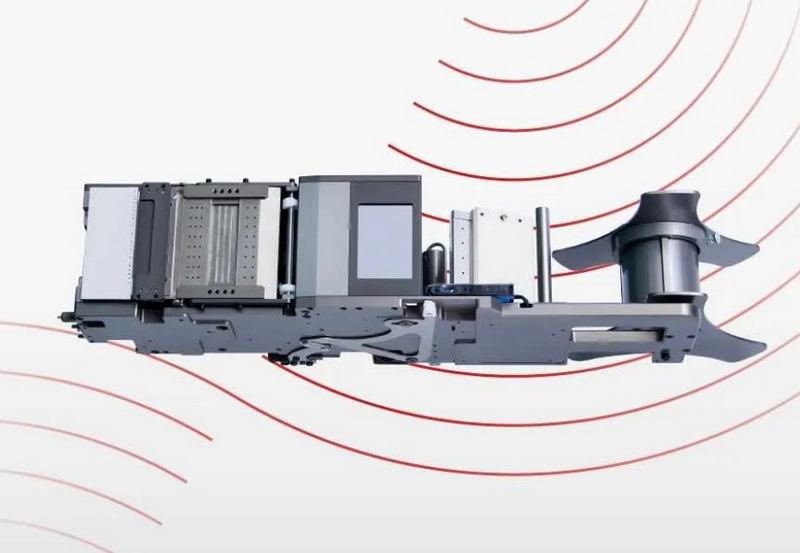
Frequent product switches plague high-mix SMT shops, but strategic SMT feeder management turns changeovers into strengths. Offline prep areas, equipped with loader-verifiers, allow parallel loading of multiple SMT feeder sets. Barcode or RFID tagging on each SMT feeder auto-maps positions upon docking, eliminating manual programming errors.
Cart-based systems roll complete banks of prepped SMT feeders to the line, swapping in under 10 minutes. "Nesting" strategies group similar SMT feeders across products, reusing 60-80% between runs. For ultra-fast changes, electric trolleys with servo docking align SMT feeders precisely, no tools required.
Simulation software predicts optimal SMT feeder layouts, balancing travel distance and usage frequency. These tactics reclaim hours daily, converting changeover downtime into pure production time.
Industry 4.0 elevates SMT feeders from mechanical to intelligent nodes. Smart SMT feeders embed IoT sensors tracking peel force, sprocket wear, and pick success rates, feeding data to MES systems for real-time alerts.
RFID-enabled SMT feeders self-identify, auto-calibrating pitch and height. Predictive analytics forecast failures—e.g., a degrading blade—from vibration patterns, scheduling maintenance proactively. Cloud-connected fleets of SMT feeders across factories enable global benchmarking, spotting underperformers instantly.
In one case, a plant retrofitting to smart SMT feeders saw unplanned downtime halve and OEE rise 18%. Integration with AI placement optimizes feeder-bank sequencing dynamically, prioritizing high-consumption SMT feeders for fastest heads.
Preventive care keeps SMT feeders humming. Daily wipes of tape paths remove flux residue, while weekly torque checks on gears prevent slippage. Ultrasonic cleaning for intricate SMT feeder parts extends life without disassembly.
Quarterly calibrations verify pitch accuracy to ±0.05mm using test tapes. Spare-part kits—peel blades, springs, sensors—stocked onsite cut repair times from days to hours. Vibration analysis tools detect early wear in motor-driven SMT feeders.
Operator-led TPM (Total Productive Maintenance) empowers teams to inspect SMT feeders per shift, logging issues via apps. This culture sustains 98%+ uptime, far outpacing reactive fixes.
Even top-tier SMT feeders falter without skilled hands. Training emphasizes tape threading sequences, avoiding twists that jam SMT feeders. Vision-guided verification ensures correct loading, preventing costly mix-ups.
Simulators replicate misfeed scenarios, building troubleshooting speed. Standardized SOPs for parking idle SMT feeders protect them from dust and damage. Cross-training expands operator flexibility, minimizing delays from absences.
Metrics like feeder setup time and error rates track training ROI, often showing 15-20% productivity lifts post-programs.
In mass production, SMT feeders must endure 24/7 abuse. High-speed models with reinforced drives handle 100M+ cycles yearly. Jumbo reels and auto-splicers enable unmanned shifts, with robots swapping SMT feeders overnight.
Data lakes aggregate SMT feeder telemetry, AI pinpointing drag—e.g., a 2% jam rate costing $50K annually. Optimized banks place top-20 SMT feeders nearest heads, cutting fetch time.
Highlywin delivers turnkey SMT feeder solutions, from Fuji-compatible tape units to custom tray SMT feeders. Services include calibration, retrofits, and line audits optimizing SMT feeder setups. Global spare logistics ensure 24-hour delivery, minimizing disruptions.
Consulting tailors SMT feeder strategies to mixes, projecting ROI like "30% throughput gain." Training academies certify operators on Highlywin SMT feeders, fostering excellence.
SMT feeders are the heartbeat of efficient SMT lines, slashing downtime through precision, intelligence, and quick swaps while surging productivity via speed, quality, and flexibility. Integrating advanced SMT feeders with maintenance, training, and smart systems yields transformative gains—often 20-40% in OEE.
Highlywin stands ready as your one-stop ally, supplying premium SMT feeders, equipment, services, and parts to propel global manufacturing. Embrace optimized SMT feeders today for tomorrow's edge.
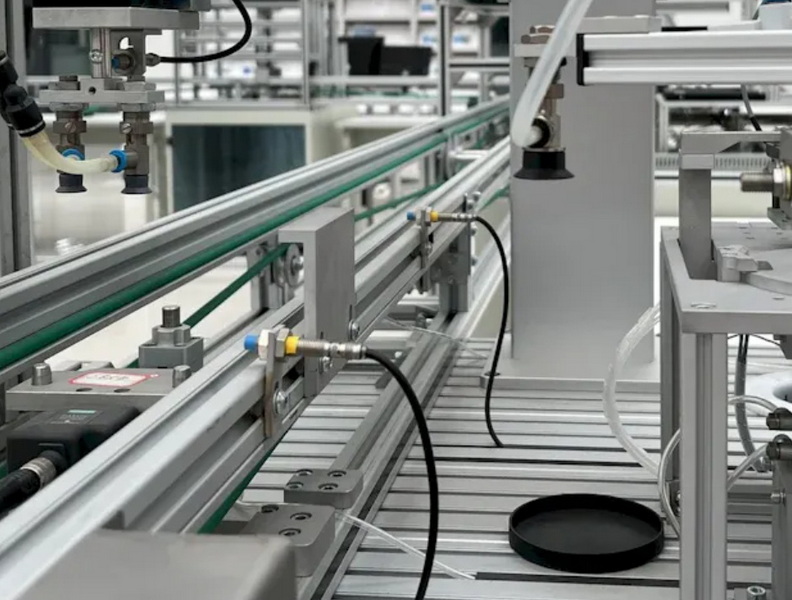
SMT feeders cut downtime by precise indexing that prevents misfeeds, smart sensors for proactive replenishment, and quick-change designs for fast changeovers. This minimizes jams, empty picks, and setup times.
Key factors include pick speed support, component presentation accuracy, and integration with placement heads. High-capacity and smart SMT feeders maximize CPH while reducing retries.
Versatile tape and hybrid SMT feeders excel in high-mix, handling diverse sizes with RFID for quick swaps. Tray SMT feeders complement for larger parts.
Daily cleaning, weekly inspections, and quarterly calibrations keep SMT feeders optimal. Predictive tools extend intervals based on usage.
Smart SMT feeders provide real-time monitoring, auto-calibration, and analytics, reducing errors by 30%+ and enabling data-driven optimizations.


