Your Trusted Partner from Prototyping to Mass Production, Email Us:info@highlymachine.com
Please Choose Your Language


Views: 222 Author: Ann Publish Time: 2026-01-06 Origin: Site


Content Menu
● Understanding SMT machine “value”
● Leading SMT machine brands worldwide
● SMT machine value: key comparison dimensions
>> Accuracy, quality, and yield
● Cost and ROI: how SMT machines really compare
>> Operating expenses and maintenance
>> Training, software, and labor
>> New versus used SMT machines
● Which SMT machines offer the best value in different scenarios?
>> High‑volume Tier‑1 manufacturers
>> Mid‑size EMS and OEM factories
>> Startups and cost‑sensitive plants
>> Factories relying on used SMT machines
● The role of integration and peripherals
● How Highlywin helps you choose SMT machines
● FAQ: SMT machine comparisons and value
>> 1. What factors matter most when comparing SMT machines?
>> 2. Are high‑end SMT machines always the best value?
>> 3. How does maintenance impact SMT machine value?
>> 4. Should I buy new or used SMT machines for best value?
>> 5. How can a one‑stop provider improve SMT machine ROI?
Choosing SMT machines is no longer about speed alone; the best value comes from balancing performance, flexibility, support, and total cost of ownership across the entire SMT line. Value must always be assessed over the full lifecycle of SMT machines, not only at the moment of purchase.
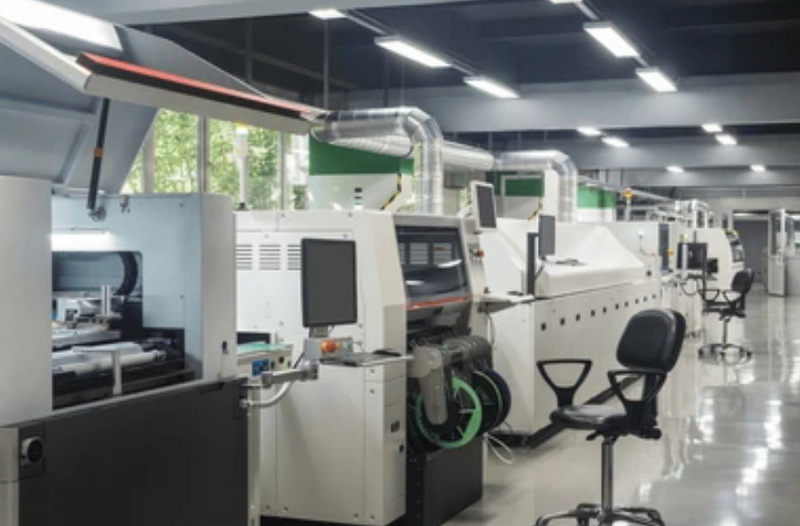
Value in SMT machines is the relationship between what you pay (initial price plus lifetime operating costs) and what you gain (throughput, yield, flexibility, uptime, and service support). A factory that selects SMT machines only by peak placement speed often discovers later that changeover time, maintenance, and downtime can erase any theoretical advantage.
Key value factors for SMT machines include:
- Capital cost: Purchase or lease price for SMT machines and related equipment.
- Total cost of ownership (TCO): Maintenance, spare parts, utilities, labor, software, and depreciation over 5–10 years.
- Productivity: Placement speed (CPH), feeder capacity, programming efficiency, and actual line utilization.
- Quality and yield: Vision systems, placement accuracy, repeatability, and process stability for fine‑pitch and tiny 01005/0201 devices.
- Flexibility: Ability to support high‑mix/low‑volume, frequent NPI, and a broad component size range without excessive setup losses.
- Service and support: Local engineers, spare parts availability, training, remote diagnostics, and upgrade paths.
For most manufacturers, SMT machines with balanced speed, strong software, and reliable support deliver far better value than the absolute fastest or cheapest option.
The SMT machines market is dominated by several international brands that each focus on different strengths, from ultra high‑speed production to cost‑effective flexibility. Understanding the positioning of each brand helps buyers find the best value for their own SMT lines.
- ASM (SIPLACE): Known for ultra high‑speed, high‑precision SMT machines that integrate deeply with MES, traceability, and data analytics systems. These solutions often target large Tier‑1 factories handling automotive, telecom, and advanced consumer electronics where uptime and precision are critical.
- Fuji: Offers modular SMT machines (such as the NXT‑style platforms) with very high speed, strong software, and good adaptability to both high‑volume and high‑mix conditions. Many factories value Fuji SMT machines for stable performance and scalable expansion.
- Panasonic: Provides robust, multi‑function SMT machines that can handle a wide range of products, combining good speed with strong mechanical reliability. Panasonic SMT machines are widely used in Asia by EMS and OEM plants operating flexible batch sizes.
- Yamaha: Focuses on cost‑effective SMT machines with “all‑in‑one” concepts that integrate printing, placement, and inspection in compact footprints for certain models. Yamaha SMT machines are especially attractive for SMEs and factories seeking solid performance and easier maintenance at lower cost.
- JUKI: Offers flexible SMT machines with user‑friendly interfaces and wide model coverage from entry‑level to mid‑range and high‑end. JUKI SMT machines are appreciated for mixed‑model production, used‑equipment ecosystems, and relatively low maintenance demands.
- Hanwha and regional brands: Compete on price–performance and are popular where factories want modern SMT machines with good automation features but must maintain tighter budgets, particularly in Asia and emerging markets.
Each of these brands delivers good SMT machines, but “best value” depends on how well the machine's strengths match a factory's specific production model and growth plan.
When comparing SMT machines, it helps to structure the evaluation around several core dimensions that directly affect profitability.
SMT machines are often advertised by theoretical placement speed in components per hour (CPH), but real‑world throughput is usually much lower due to feeder changeovers, program optimization, board handling time, and stoppages. High‑end SMT machines from brands such as ASM and Fuji can exceed 100,000 CPH in ideal conditions, while mid‑range SMT machines from Panasonic, Yamaha, or JUKI typically sit in the tens of thousands of CPH range.
For many users, an SMT machine that maintains high effective throughput during real production—because it is easy to program, fast to change over, and less prone to minor stoppages—offers better value than a headline CPH that is impossible to achieve in daily operation.
The accuracy of SMT machines shows up in placement quality, especially with fine‑pitch ICs, BGAs, CSPs, and tiny passives. Modern SMT machines from all major brands can place small components, but the difference appears in long‑term repeatability, alignment under vibration, and performance when running at high speed.
Higher initial investment in more precise SMT machines often pays back through lower defect rates, less rework, and stronger process windows for advanced products like automotive electronics, 5G modules, and high‑density consumer devices.
In high‑mix/low‑volume environments, SMT machines that support quick changeover and intuitive software can drastically improve value. Features that help here include:
- Large feeder capacity and quick‑change feeder carts.
- Intelligent feeder assignment and automatic optimization of feeder positions.
- Template‑based program creation and library reuse for new products.
- Easy integration with offline programming and planning systems.
Mid‑range SMT machines from Panasonic, Yamaha, and JUKI are often optimized for this flexible environment, while top‑end Fuji and ASM configurations can combine high speed with strong changeover support when properly specified.
Value is determined by total cost of ownership and lifetime ROI, not only by the purchase price of SMT machines.
A full SMT line that includes screen printing, pick‑and‑place SMT machines, reflow, and inspection can range from a relatively modest investment for a basic, low‑volume line to very large capital expenditures for fully automated, multi‑line factories. Typically, SMT machines are the single largest portion of the total line cost.
High‑end SMT machines from ASM or top Fuji/Panasonic lines require substantial capital but can support extremely high throughput, which spreads the cost over large production volumes. Mid‑range SMT machines from Yamaha and JUKI, together with certain Panasonic configurations, often hit a sweet spot where acquisition cost is manageable and performance is sufficient for most commercial products.
Operating expenses of SMT machines include regular preventive maintenance, unplanned repairs, spare parts, lubrication and cleaning materials, operator and technician labor, and utility consumption. Many factories assume a rough annual maintenance budget linked to the purchase price of SMT machines, plus an allowance for consumable items such as nozzles.
Brands with widely available spare parts, clear documentation, and responsive technical support reduce line downtime and unexpected costs. Over five to ten years, this support quality can determine whether SMT machines remain productive assets or turn into frequent bottlenecks.
The learning curve of SMT machines also influences value. Intuitive interfaces, powerful yet friendly programming tools, and consistent software across models reduce training costs and human error. Some high‑end SMT machines provide advanced optimization, automatic fault diagnostics, and AI‑assisted placement tuning, which can significantly improve long‑term efficiency.
For factories with limited engineering resources, SMT machines that are easier to learn and operate may offer higher value, even if they sacrifice a little peak placement speed.
Used and refurbished SMT machines can include models from Fuji, Panasonic, Yamaha, JUKI, and others, often at a fraction of the original price. These SMT machines can be excellent value for factories with moderate performance requirements or as secondary lines.
However, buyers must carefully evaluate the condition, remaining support life, and spare‑part availability. Working with a trusted partner that can inspect, refurbish, and upgrade used SMT machines—with warranties and local service—helps capture the savings without taking excessive reliability risks.
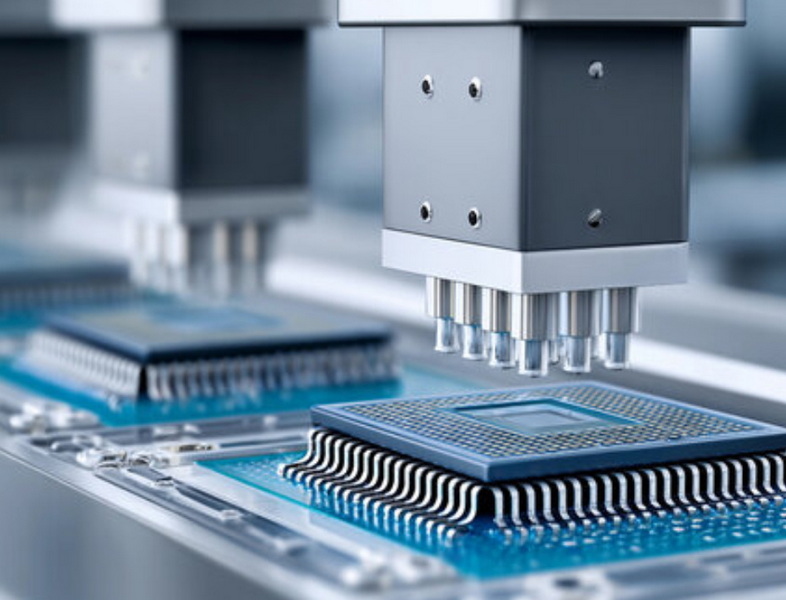
Because SMT machines operate in many types of factories, the “best value” answer changes depending on context.
For automotive, telecom, and high‑end consumer electronics manufacturers running around the clock at very high volumes, the best value often comes from high‑end SMT machines from ASM or Fuji, and sometimes advanced Panasonic configurations. These SMT machines deliver:
- Extremely high CPH with strong accuracy.
- Deep integration into MES, traceability, and factory automation systems.
- Robust mechanical designs that support years of intensive duty.
Although the initial price is high, the cost per placed component can be very low when utilization is maximized.
Mid‑size EMS providers and OEM factories typically require both volume and flexibility, with frequent NPI and varied customer requirements. Here, SMT machines from Panasonic, JUKI, or a combination of medium‑to‑high‑range Fuji and Yamaha platforms often deliver strong value.
These SMT machines typically provide:
- Good placement speed and feeder capacity.
- Sufficient precision for mainstream products.
- Software that supports frequent program changes and quick setup.
- Manageable capital and operating costs.
Startups, R&D centers, and small‑scale manufacturing operations usually prioritize capital efficiency and ease of use over extreme speed. Cost‑effective SMT machines from Yamaha, JUKI, and suitable regional brands can be ideal in this space.
These SMT machines tend to offer:
- Lower purchase prices.
- Compact footprints suitable for smaller facilities.
- Simpler maintenance procedures.
- Enough flexibility to support prototypes and modest production runs.
For secondary lines, pilot production, or markets where budgets are tight, used SMT machines from major brands offer a route to industrial capability at lower cost. Factories often choose classic models from Fuji, Panasonic, Yamaha, or JUKI because they have proven mechanical platforms and a healthy spare‑parts and knowledge ecosystem.
Integrating used SMT machines with newer printers, ovens, and inspection systems can further enhance value, as long as communication and board handling remain stable and well controlled.
Even the best SMT machines cannot deliver full value if the rest of the SMT line is poorly balanced. Real‑world performance depends on how SMT machines work together with printers, conveyors, reflow ovens, AOI/AXI, loaders/unloaders, and storage systems.
Key integration factors that influence SMT machine value include:
- Matching throughput across all machines so that no single SMT machine becomes a chronic bottleneck.
- Implementing board handling and buffering solutions that minimize idle time between processes.
- Ensuring conveyors, board supports, and clamping systems are compatible with the SMT machines' speed and precision.
- Integrating inspection feedback so SMT machines can be quickly adjusted when process drift appears.
A well‑designed SMT line allows SMT machines to run closer to their theoretical potential, which significantly improves ROI.
Highlywin positions itself as a one‑stop SMT solution provider, combining SMT machines, AI equipment, peripheral devices, and full service/parts support into turnkey lines for global customers. Instead of focusing on a single brand, the goal is to match the right SMT machines to the right application and budget.
Highlywin can support SMT machine selection and configuration by:
- Analyzing production needs: Determining component mix, board sizes, target output, product roadmap, and quality standards to identify suitable SMT machines.
- Designing line architecture: Selecting printers, SMT machines, ovens, inspection, and handling equipment so that each stage has balanced capacity.
- Mixing brands where beneficial: For example, combining a high‑speed SMT chip shooter with a flexible placement platform to optimize both cost and capability.
- Providing lifecycle support: Offering installation, training, preventive maintenance plans, spare‑parts supply, and technical troubleshooting that keep SMT machines running at high utilization.
- Upgrading and expanding: Helping customers scale up lines, add additional SMT machines, or integrate new automation such as smart feeders and storage.
Through this integrated approach, the real value of SMT machines appears not only in CPH numbers but in stable throughput, predictable quality, and a shorter path from design to mass production.
No single brand of SMT machines is universally “best”; real value comes from aligning machine capabilities with the factory's volume, product mix, automation level, and long‑term strategy. High‑end brands like ASM and Fuji deliver exceptional value in ultra high‑volume environments, while Panasonic, Yamaha, JUKI, and selected regional manufacturers often provide better value for flexible EMS, SMEs, and cost‑sensitive users. By evaluating speed, accuracy, flexibility, total cost of ownership, and support—then working with a one‑stop integration partner such as Highlywin—manufacturers can build SMT lines where SMT machines deliver the ideal balance of performance and affordability for sustainable growth.
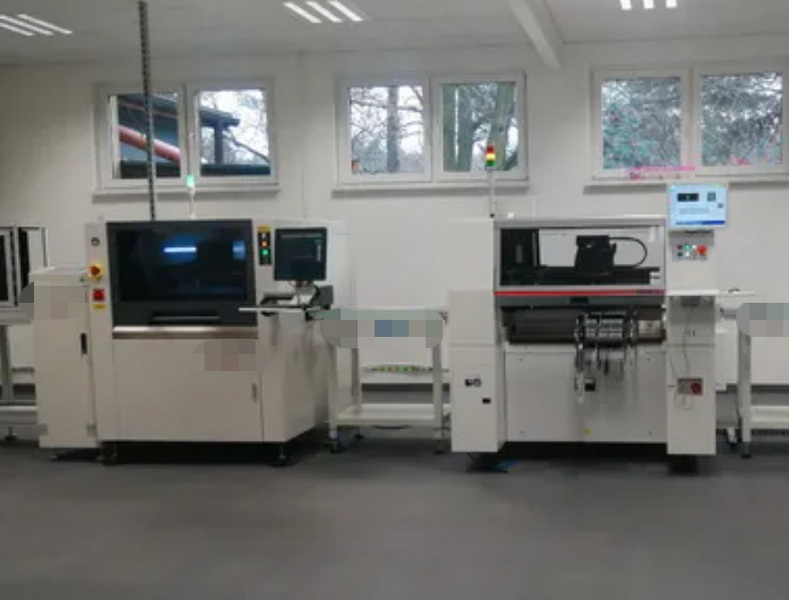
The most important comparison factors are real‑world placement speed (not just theoretical CPH), placement accuracy, changeover time, software usability, and total cost of ownership. Buyers should also examine the stability of local service and spare‑parts supply, because these directly influence downtime and overall value of SMT machines.
High‑end SMT machines provide outstanding throughput, precision, and integration features, but they require large upfront investment and skilled engineering support. For factories with modest volumes or frequent product changes, mid‑range SMT machines may deliver better value because they reduce capital cost and remain easier to operate while still meeting necessary quality standards.
Maintenance affects uptime, yield, and lifetime ROI of SMT machines. Regular preventive maintenance, nozzle and feeder care, calibration, and timely replacement of wear parts keep SMT machines running at stable performance and reduce scrap and rework. When maintenance is neglected, even the best SMT machines lose value quickly due to unexpected stoppages and quality issues.
New SMT machines offer the latest technology, full factory warranty, and predictable performance, which is ideal for demanding or safety‑critical production. Used SMT machines can be very cost‑effective if sourced from reliable partners who inspect, refurbish, and support them; they are especially attractive for pilot lines, backup capacity, and budget‑sensitive projects, as long as spare‑parts and service remain available.
A one‑stop SMT provider designs the entire line, selects compatible SMT machines and peripherals, integrates software and data systems, and supports training and maintenance. This holistic approach reduces hidden integration costs, shortens ramp‑up time, and ensures SMT machines operate at high utilization with fewer interruptions, which significantly improves long‑term ROI.


