Your Trusted Partner from Prototyping to Mass Production, Email Us:info@highlymachine.com
Please Choose Your Language


Views: 222 Author: Ann Publish Time: 2025-12-20 Origin: Site


Content Menu
● Preparing for SMT Feeder Setup
● Step-by-Step SMT Feeder Installation
>> Installing Tape SMT Feeders
>> Setting Up Tray SMT Feeders
>> Configuring Tube and Bulk SMT Feeders
● Calibrating SMT Feeders for Precision
● Optimizing SMT Feeder Layout
● Maintenance for Long-Lasting SMT Feeders
● Advanced Tips for Maximum SMT Feeder Efficiency
● Training Operators on SMT Feeders
● Common SMT Feeder Troubleshooting
● FAQ
>> 1. What is the ideal pitch setting for SMT feeders?
>> 2. How often should SMT feeders be calibrated?
>> 3. Can SMT feeders handle mixed tape widths?
>> 4. What causes most SMT feeder jams?
>> 5. How do intelligent SMT feeders improve efficiency?
Highlywin, a leading provider of SMT/AI/peripheral equipment and comprehensive SMT services including spare parts sales, delivers one-stop SMT solutions to global clients worldwide. Proper setup of SMT feeders ensures optimal performance, minimizing downtime and maximizing throughput in high-volume electronics manufacturing lines.

SMT feeders serve as the backbone of surface mount technology assembly processes, precisely delivering electronic components such as resistors, capacitors, and ICs to pick-and-place machines. These essential devices handle various component formats including tape, tray, tube, and bulk, enabling seamless integration into automated production lines. Highlywin offers a comprehensive range of high-quality SMT feeders compatible with major brands like Yamaha, Fuji, Panasonic, and Samsung, ensuring reliability and versatility for diverse manufacturing needs.
Efficient SMT feeders not only reduce placement errors but also significantly boost overall equipment effectiveness (OEE) by maintaining consistent feed rates. For example, tape-based SMT feeders utilize sprockets to advance carrier tapes step-by-step, while tray SMT feeders manage larger components like QFPs and BGAs in standardized JEDEC trays. Selecting the appropriate type of SMT feeder based on component size, pitch, and production volume is crucial for achieving maximum efficiency. In high-mix environments, intelligent SMT feeders equipped with RFID technology allow for quick recipe changes, further enhancing flexibility.
Moreover, SMT feeders must withstand rigorous operational demands, including high-speed advancements up to 50,000 components per hour (CPH) in some models. Highlywin's SMT feeders incorporate advanced materials like hardened steel sprockets and durable peel mechanisms to extend service life and reduce maintenance frequency. Understanding these core principles of SMT feeders lays the foundation for effective setup and long-term performance optimization.
SMT feeders are categorized into several types, each optimized for specific component handling requirements. Tape SMT feeders dominate the industry, supporting widths from 8mm to 88mm and pitches as fine as 2mm for tiny 01005 chips. These SMT feeders are ideal for surface-mount devices (SMDs) like MLCCs and resistors, offering high-speed performance in reel-to-reel operations.
Vibratory bowl SMT feeders excel in processing loose or bulk components such as diodes and small inductors, using centrifugal force to orient parts consistently. Stick or tube SMT feeders accommodate radial-leaded components like transistors and LEDs, providing reliable escapement mechanisms for sequential dispensing. Tray SMT feeders, on the other hand, are designed for matrix trays holding larger ICs, supporting both single and multi-layer configurations to maximize slot efficiency on the machine.
Intelligent or smart SMT feeders represent the next evolution, integrating sensors, RFID chips, and auto-calibration features for error-proof operation. Highlywin supplies pneumatic, motorized, and hybrid SMT feeders, catering to both legacy and modern pick-and-place systems. Modular SMT feeders allow pitch adjustments without tools, ideal for just-in-time manufacturing.
Key advantages of diverse SMT feeder types include:
- Tape SMT Feeders: Ultra-high speed, low cost per placement.
- Tray SMT Feeders: Handles delicate large parts without damage.
- Tube SMT Feeders: Perfect for odd-form components.
- Bulk SMT Feeders: Reduces pre-packaging labor.
By matching SMT feeder types to your production profile, manufacturers can achieve up to 20% higher throughput. Highlywin's inventory ensures immediate availability of replacement SMT feeders for minimal line interruptions.
Thorough preparation is the key to flawless SMT feeder installation and operation. Begin by assembling essential tools: precision screwdrivers, anti-static brushes, pitch gauges, torque wrenches, and calibration fixtures. Highlywin recommends using their branded spare parts kits, which include peel blades, sprockets, and cover tape sensors specifically engineered for SMT feeders.
Inspect and clean the feeder bank slots on your pick-and-place machine to eliminate dust, adhesive residue, or debris that could impair SMT feeder performance. Conduct a full inventory of incoming components, verifying tape width, pitch accuracy, reel diameter, and leader/trailer lengths against SMT feeder specifications. Create a digital setup checklist tailored to your SMT feeders, covering machine compatibility, firmware versions, and safety interlocks.
Pre-loading tapes on external reel stands prevents line stoppages during setup. For high-volume runs, splice multiple reels in advance using Highlywin's splicing tapes for continuous SMT feeder operation. Perform a dry run simulation to identify potential mismatches in SMT feeder configurations. Highlywin's expert service teams offer remote audits and on-site consultations to streamline this phase, often reducing preparation time by over 30%.
Safety protocols are non-negotiable: ground all SMT feeders, wear ESD protection, and lock out/tag out the machine power. Document baseline metrics like feed speed and jam rates for post-setup comparisons. Proper preparation transforms SMT feeder setup from a bottleneck into a streamlined process.
Tape SMT feeders require meticulous alignment for optimal performance. Start by opening the protective cover and inserting the carrier tape into the guide rails, ensuring the sprocket holes mesh perfectly. Peel back the cover tape gradually and thread it through the tension arm and peel plate assembly.
Secure the reel onto the stand with the correct orientation—clockwise for most standards—and advance the tape until the first component reaches the pickup nozzle. Adjust the pitch selector wheel to match your component spacing (e.g., 4mm, 8mm, 12mm) and tighten with a calibrated screwdriver. For wider tapes like 32mm or 44mm SMT feeders, verify cover tape peel angle at 10-15 degrees to avoid component damage.
Slide the fully prepared SMT feeder into the designated bank slot, aligning the positioning pin with the machine's station number. Engage the lock lever firmly and perform a manual advance test: the SMT feeder should dispense one component cleanly without skipping or jamming. Highlywin's universal SMT feeders feature quick-release mechanisms for sub-2-minute swaps.
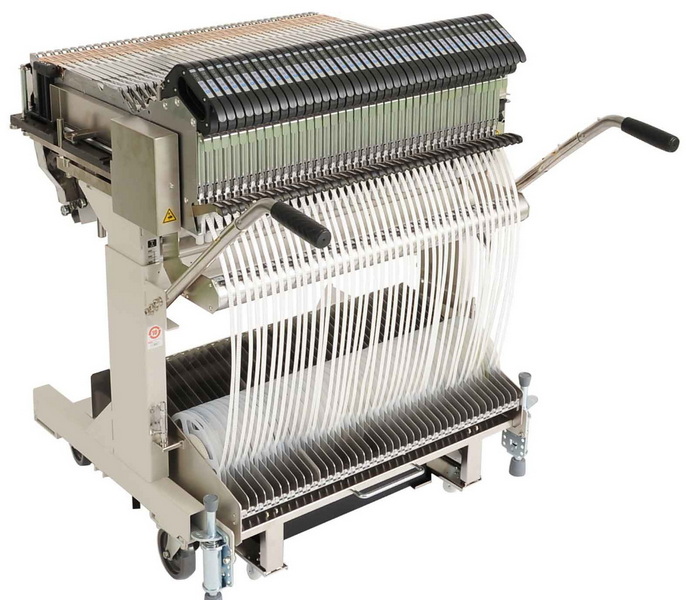
Tray SMT feeders demand precise tray alignment. Load JEDEC-compliant trays into the cart or magazine, stacking up to 10 layers depending on the model. Position the trays so pickup coordinates match the machine's vision system, and secure with clamps to prevent shifting during high-speed operation.
Adjust Z-height via the teach pendant, confirming vacuum pickup on sample components. For multi-tray SMT feeders, program layer sequencing to optimize head travel. Highlywin's tray SMT feeders support both gel-pack and vacuum trays, enhancing versatility.
For tube SMT feeders, insert sticks into the channel with leads facing the escapement gate. Fine-tune the gate timing using adjustment screws for one-part-per-cycle release. Bulk SMT feeders involve installing custom bowl tooling and setting vibration frequency (typically 60-120 Hz) based on part geometry.
Test multiple cycles, monitoring for consistent orientation. Highlywin provides tooling design services for bespoke SMT feeder applications.
Calibration ensures SMT feeder accuracy down to microns. Dedicate a vision station to teach X/Y/θ offsets, pitch distance, and component height. Store parameters in the SMT feeder's RFID chip for instant recall during changeovers.
Fine-tune peel force (0.5-2N typical) and cover tape tension to match supplier variations—too tight causes jams, too loose leads to misfeeds. For ultra-fine pitch SMT feeders handling 0201 parts, add micro-shims to nozzle height. Run 100-cycle validation tests, achieving <0.05mm placement error.
Integrate with machine software for auto-offset compensation. Highlywin's calibration kits include laser gauges for sub-20μm precision across all SMT feeder types. Schedule recalibration after every 10,000 cycles or tape changes.
Strategic layout maximizes SMT feeder efficiency. Place fastest-access SMT feeders (high-runners like 0402 resistors) in head-favored lanes 1-8. Employ dual-lane 8mm SMT feeders to double density without extra slots.
Group similar components: all 0603 caps in adjacent SMT feeders for batch teaching. Balance feeder speeds to match machine CPH—avoid bottlenecks from slow tray SMT feeders. Use simulation software to model layouts, targeting <5-second nozzle swaps.
For high-mix lines, reserve slots for quick-change SMT feeders. Highlywin's layout consulting optimizes for 15-25% throughput gains.
Proactive maintenance sustains SMT feeder reliability. Daily routines include blowing out slots with ionized air and inspecting tapes for defects. Weekly tasks: lubricate peel arms with food-grade grease and torque sprocket setscrews.
Monthly deep cleans involve ultrasonic baths for nozzles and full pitch verifications. Replace wear items like peel blades every 500 reels. Highlywin's IoT-enabled SMT feeders predict failures via vibration sensors, enabling condition-based servicing.
Predictive maintenance extends SMT feeder life by 40%, slashing unplanned downtime.
Leverage auto-splicers for zero-stop SMT feeder runs in 24/7 production. Implement FIFO inventory for SMT feeders to minimize aging issues. Analyze OEE data to refine pitch settings—tighten tolerances for 99.9% first-pass yield.
Upgrade to vision-guided SMT feeders for real-time jam detection. For high-volume, cluster identical SMT feeders in banks. Train on error code diagnostics for <1-minute recoveries. Highlywin's firmware updates add AI-driven optimizations to existing SMT feeders.
Comprehensive training builds SMT feeder proficiency. Cover loading sequences, peel path verification, and safety lockouts. Simulate faults like tape tears in SMT feeders for rapid response training.
Highlywin's certified programs include hands-on modules, boosting operator speed by 25%. Emphasize ESD protocols and documentation for traceability.
Jams often stem from pitch errors or debris—clean and realign SMT feeders. Mis-picks indicate vision offsets; recalibrate immediately. Slow feeds require torque adjustments on take-up reels.
Overloads trigger from excessive back-tension; splice properly. Highlywin's remote diagnostics resolve 95% of SMT feeder issues without visits.
Mastering SMT feeder setup revolutionizes electronics assembly, delivering unmatched efficiency, precision, and uptime. Highlywin's one-stop SMT solutions—equipment, spares, and services—empower global clients to excel. Implement these strategies to unlock your line's full potential today.
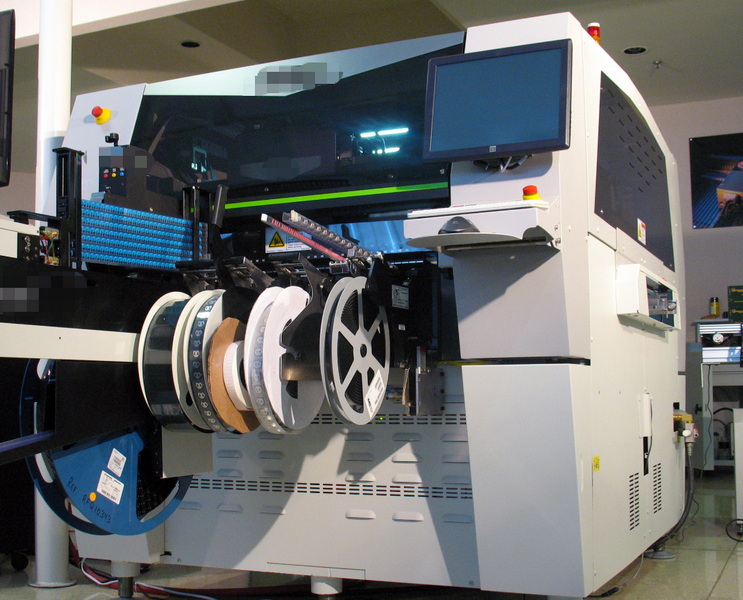
Pitch on SMT feeders must precisely match component spacing, such as 4mm for 0402 chips. Use the selector and gauge to verify, preventing jams and ensuring smooth operation.
Calibrate SMT feeders daily in high-mix scenarios or weekly for dedicated runs. Recalibrate after tape changes or supplier shifts to sustain micron-level accuracy.
Yes, adaptable SMT feeders like Highlywin's 24mm models support 4-20mm widths. Always confirm specs prior to loading for compatibility.
Primary culprits are improper peel force, back-tension, or contamination. Regular cleaning and tuning keep SMT feeders running flawlessly.
RFID smart SMT feeders auto-load recipes, cutting setup by 50%. They provide traceability and error-proofing for demanding production.


