Your Trusted Partner from Prototyping to Mass Production, Email Us:info@highlymachine.com
Please Choose Your Language


Views: 222 Author: Ann Publish Time: 2025-12-12 Origin: Site


Content Menu
● Understanding SMT Pick And Place Machines
● Feeder Malfunctions in SMT Pick And Place Machines
● Vision System Errors and Alignment Problems
● Placement Accuracy and Repeatability Issues
● PCB Clamping, Warpage, and Board Support Problems
● Pneumatic, Air Pressure, and Vacuum System Faults
● Software, Program, and Library Glitches
● Speed, Throughput, and Cycle Time Limitations
● Mechanical Wear, Vibration, and Preventive Maintenance
● Process-Related Defects Linked to the Machine
● Operator Training and Standard Operating Procedures
● How Highlywin Supports Your SMT Pick And Place Machine
● FAQ
>> 1. What are the most common causes of pickup errors in an SMT Pick And Place Machine?
>> 2. How often should an SMT Pick And Place Machine be calibrated?
>> 3. What is the best way to prevent feeder problems on an SMT Pick And Place Machine?
>> 4. Why does an SMT Pick And Place Machine lose placement accuracy over time?
>> 5. How can a manufacturer improve overall throughput with an SMT Pick And Place Machine?
SMT Pick And Place Machines are the heart of modern SMT production lines, responsible for placing thousands of components per hour with high precision. For a solution provider like Highlywin, ensuring these machines run reliably is essential to maintaining throughput, quality, and customer satisfaction. This article explains the most common problems with an SMT Pick And Place Machine, how to diagnose them, and step-by-step methods to fix and prevent them in real production environments.

An SMT Pick And Place Machine automates the process of picking SMD components from feeders or trays and placing them onto PCBs with precise coordinates. The SMT Pick And Place Machine typically includes a conveyor, PCB clamping system, multi-axis gantry, placement heads, nozzles, feeders, vision systems, and control software. When any subsystem fails or drifts out of calibration, the entire SMT Pick And Place Machine performance degrades, causing misplacements, stoppages, and increased scrap.
In high-mix or high-speed environments, small setup or maintenance mistakes quickly multiply into bigger issues. A structured approach to maintaining and troubleshooting each SMT Pick And Place Machine dramatically reduces downtime and keeps yields stable. The following sections group the most common problems into mechanical, electrical, pneumatic, software, and process-related categories for clarity.
Feeder issues are among the most frequent causes of line stoppage in an SMT Pick And Place Machine. Typical symptoms include components not advancing, double-picking, component skipping, or tape snapping during operation. These issues often originate from worn feeder gears, damaged one-way clutches, incorrect tape tension, or contamination inside the feeder track.
To fix feeder problems in an SMT Pick And Place Machine, production teams should first visually inspect the feeder for mechanical damage and contamination. Cleaning the feeder track with appropriate tools, verifying the pitch setting, replacing worn springs or clutches, and recalibrating the feeder pitch in the SMT Pick And Place Machine software are basic but effective actions. Implementing a routine feeder maintenance schedule greatly reduces unexpected feeder-related stoppages across multiple SMT Pick And Place Machines.
Pickup failures are another major source of downtime in an SMT Pick And Place Machine. When the nozzle fails to correctly pick up a component, the machine may generate pickup errors, slow down the cycle, or stop entirely for operator intervention. Common causes include clogged or worn nozzles, damaged nozzle tips, insufficient or unstable vacuum, and unsuitable nozzle selection for a given component.
Maintenance teams should regularly clean nozzles using recommended cleaning tools and solvents to keep the SMT Pick And Place Machine running smoothly. Replacing worn or chipped nozzles on schedule and verifying that the nozzle library in the SMT Pick And Place Machine software matches the real hardware and component type are also critical steps. For vacuum-related issues, checking the vacuum pump, filters, tubing, and seals ensures stable pickup performance and reduces the frequency of missing parts and dropped components.
Vision system errors in an SMT Pick And Place Machine typically appear as fiducial recognition failures, component recognition errors, incorrect rotation angles, or frequent “vision NG” alarms. Possible causes include dirty cameras or lenses, poor illumination, oxidized fiducials, incorrect vision parameters, or misconfigured component libraries. These issues can cause subtle placement offsets or major misplacements that affect quality and rework rates.
To address these issues, operators should regularly clean fiducials, lenses, and protective glass in the SMT Pick And Place Machine using non-abrasive materials and suitable cleaning fluids. Adjusting lighting intensity, color, and angle can significantly improve contrast for component leads or pads. Additionally, re-teaching component shapes and adjusting detection thresholds in the SMT Pick And Place Machine vision software helps the system distinguish components reliably, especially in high-mix production.
Placement accuracy problems in an SMT Pick And Place Machine manifest as systematic offsets in X, Y, or theta, random misplacements, or height errors that result in poor solder joints. Mechanical wear, loose couplings, unlevel machine installation, uncalibrated encoders, or temperature drift all contribute to such issues. The heavier the placement head and the higher the speed, the more sensitive the SMT Pick And Place Machine becomes to mechanical integrity and vibration.
To keep accuracy within specification, the SMT Pick And Place Machine should be installed on a stable, vibration-damped floor and leveled according to manufacturer guidelines. Scheduled calibration routines—covering gantry alignment, camera-to-nozzle offsets, and board coordinate systems—are vital to maintain long-term repeatability. Lubrication of ball screws, linear guides, and periodic inspection of belts and couplings ensure that the mechanical structure supports precision placement under full-speed operation.
Board handling issues in an SMT Pick And Place Machine often lead to misplacements, cracked solder joints, or component tilt, especially on thin or large PCBs. If the conveyor or clamp system does not properly secure the PCB, board movement during placement can cause serious defects. Additionally, insufficient or incorrect board support leads to warping under the pressure of the placement head.
To mitigate these problems, operators should verify that PCB dimensions and thickness in the SMT Pick And Place Machine program match the actual boards. Correct use of adjustable rails, side clamps, and center supports is essential. For thin or flexible PCBs, dedicated support pins, vacuum plates, or customized pallets can stabilize the board and minimize deflection during high-speed placement cycles in the SMT Pick And Place Machine.
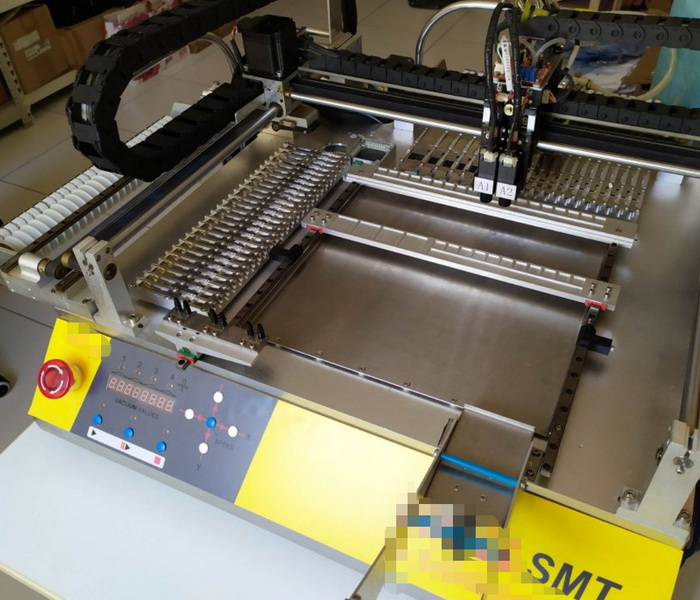
Most SMT Pick And Place Machines rely heavily on compressed air for vacuum generation, nozzle actuation, and other pneumatic functions. Low air pressure, moisture in the air lines, or leaking valves lead to unstable vacuum, slow actuators, and unexpected alarms. Incorrect or fluctuating pressure becomes especially problematic when the SMT Pick And Place Machine handles very small components, where pickup margins are narrow.
Regular monitoring of pressure gauges and vacuum levels is mandatory for stable machine performance. Installing proper filtration and air dryers, draining water traps frequently, and replacing aging pneumatic valves or tubes keep the SMT Pick And Place Machine responsive and consistent. Establishing minimum pressure and vacuum thresholds in the machine software can also help detect and flag degradation before it becomes a critical failure.
Software-related issues in an SMT Pick And Place Machine include program crashes, corrupted job files, incorrect component coordinates, wrong component rotation, and mismatched feeder assignments. In many cases, these problems arise from editing errors, lack of version control, or improper import of CAD or Gerber-based placement data. Battery-backed memory failures on older machines can also corrupt system parameters.
To reduce the risk of software glitches, engineering teams should employ strict change management and backup procedures. Before running a new or modified job on an SMT Pick And Place Machine, validating coordinates, rotations, and nozzle assignments using offline simulation or a limited trial run is best practice. Regularly backing up configuration files, machine constants, and production jobs to an external server or secure storage ensures that the SMT Pick And Place Machine can be restored quickly after any software or hardware failure.
While rated placement speeds for an SMT Pick And Place Machine can be very high, real-world throughput is often lower due to feeder limitations, vision processing times, and board transfer delays. If the sequence of placements, head usage, and nozzle changes is not optimized, the SMT Pick And Place Machine can waste significant time on non-productive head movements. Misconfigured speed settings may also cause vibrations that impair accuracy.
To optimize throughput, engineers should analyze cycle time data and identify bottlenecks, such as excessive nozzle changes or long head travel paths between feeders and boards. Optimizing component grouping, balancing the workload between multiple heads, and enabling simultaneous pickup and vision inspection routines help the SMT Pick And Place Machine approach its theoretical maximum speed. In many cases, fine-tuning a few key parameters leads to substantial gains in output without compromising quality.
Over time, all mechanical systems in an SMT Pick And Place Machine experience wear. Belts stretch, bearings develop play, and linear guides accumulate debris. Early signs of mechanical wear include unusual noise, inconsistent movement, small but increasing placement offsets, or sporadic axis errors. If left unchecked, wear can cause catastrophic breakdowns and unplanned line stops.
A robust preventive maintenance plan is crucial for every SMT Pick And Place Machine in the factory. This plan should specify inspection intervals, lubrication points, replacement schedules for consumable parts, and criteria for component overhaul. Vibration monitoring and temperature checks on motors and drives can reveal problems before they affect production. By aligning preventive maintenance with production schedules, manufacturers minimize disruption while extending the service life of each SMT Pick And Place Machine.
Some soldering defects, such as tombstoning, solder bridging, and insufficient solder fillets, are strongly influenced by placement behavior. For example, if an SMT Pick And Place Machine places a chip component with too much downward force, it can squeeze solder paste away from pads. Misalignment in the X, Y, or theta direction can reduce solderable area and lead to opens or weak joints.
To reduce these process-related defects, process engineers should review placement height, soft-landing settings, and pick-and-place speed for sensitive components. Adjusting these parameters on the SMT Pick And Place Machine, combined with optimized stencil design and reflow profiles, produces balanced, repeatable solder joints. Continuous feedback from AOI and SPI systems helps tune placement parameters for the best overall process window.
Even the most advanced SMT Pick And Place Machine requires well-trained operators and technicians to perform at its best. Many recurring issues originate from incorrect setup, poor handling of feeders and nozzles, or deviation from recommended cleaning procedures. Without clear standard operating procedures, different operators may configure the same SMT Pick And Place Machine in inconsistent ways, leading to unpredictable quality and downtime.
Developing structured training programs and detailed SOPs for feeder loading, nozzle change, job setup, and routine checks is crucial. Regular skill refresh sessions and certification for key tasks ensure that each SMT Pick And Place Machine is operated consistently, regardless of shift or line changes. Highlywin and similar service providers can support customers with on-site training, remote guidance, and documentation tailored to the specific machine models in use.
As a one-stop SMT solution provider, Highlywin not only sells SMT Pick And Place Machines, AI equipment, and peripherals but also delivers comprehensive service throughout the machine lifecycle. This includes installation and commissioning, process optimization, troubleshooting, and spare parts supply for a wide range of SMT Pick And Place Machine brands and models. With a deep understanding of common failure modes and best practices, Highlywin helps customers achieve stable, high-yield production.
Highlywin's service team can assist in designing complete SMT lines, selecting the right SMT Pick And Place Machine for specific product mixes, and integrating conveyors, printers, reflow ovens, and AOI systems. Customers benefit from preventive maintenance programs, rapid remote diagnosis, and timely delivery of critical spare parts such as feeders, nozzles, belts, and vacuum components. This partnership allows manufacturers to focus on production and product innovation while Highlywin ensures that each SMT Pick And Place Machine maintains optimal uptime.
Common issues with SMT Pick And Place Machines, such as feeder malfunctions, nozzle pickup failures, vision errors, accuracy drift, and software glitches, can significantly impact productivity and quality. By understanding the root causes and applying systematic troubleshooting and preventive maintenance, manufacturers can greatly reduce downtime and extend the operating life of every SMT Pick And Place Machine. Proper board support, stable pneumatic systems, optimized programs, and good operator training all contribute to a stable, high-yield SMT process.
Working with an experienced partner like Highlywin further enhances reliability and performance. From equipment selection and line design to calibration, maintenance, and spare parts, Highlywin provides a complete ecosystem around each SMT Pick And Place Machine. With proactive planning and professional support, electronics manufacturers can turn potential machine issues into opportunities to improve process capability, throughput, and long-term competitiveness.
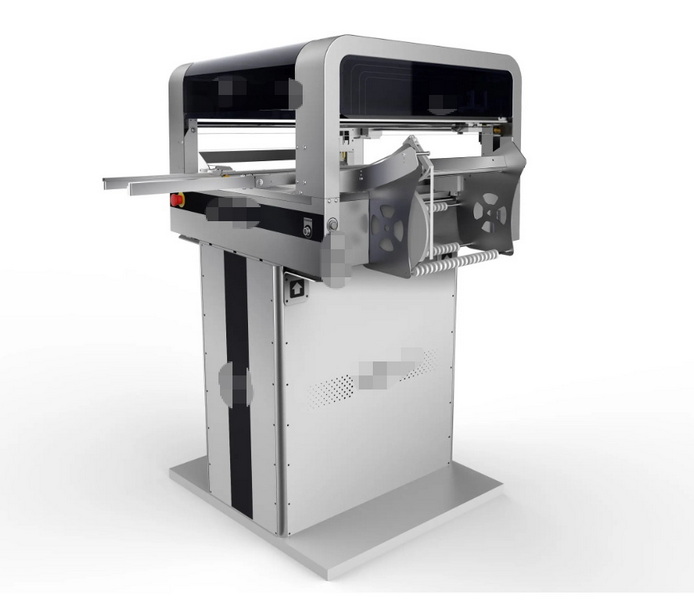
The most common causes of pickup errors in an SMT Pick And Place Machine include clogged or worn nozzles, unstable vacuum levels, incorrect nozzle selection, and damaged component packaging. Regular nozzle cleaning, scheduled nozzle replacement, vacuum system inspection, and proper component library configuration can dramatically reduce pickup-related alarms.
Calibration frequency depends on production volume, component sizes, and accuracy requirements, but most manufacturers benefit from performing full calibration on an SMT Pick And Place Machine every few months or after major mechanical repairs. Critical checks, such as fiducial alignment and camera-to-nozzle offsets, should be verified more frequently, particularly before running fine-pitch or high-density boards.
Preventing feeder problems on an SMT Pick And Place Machine involves regular cleaning, timely replacement of worn mechanical parts, and proper storage and handling of feeders. Establishing a preventive maintenance schedule, standardizing feeder inspection criteria, and training operators to recognize early signs of wear all help maintain consistent component feeding and minimize unplanned stops.
An SMT Pick And Place Machine may lose placement accuracy over time due to mechanical wear on linear guides, ball screws, belts, and bearings, as well as environmental factors such as vibration or temperature changes. Without appropriate maintenance and recalibration, small mechanical changes accumulate into measurable offsets. Routine mechanical inspections and scheduled calibration keep accuracy within specification.
To improve overall throughput, manufacturers should optimize job programming, component grouping, nozzle assignment, and head travel paths so the SMT Pick And Place Machine spends more time placing components and less time on unnecessary movements and nozzle changes. Ensuring high feeder reliability, minimizing changeover time, and balancing workloads across multiple machines or heads further increases line efficiency and effective CPH.


