Your Trusted Partner from Prototyping to Mass Production, Email Us:info@highlymachine.com
Please Choose Your Language


Views: 222 Author: Ann Publish Time: 2025-12-15 Origin: Site


Content Menu
● Common Issue 1: Component Jams in SMT Feeders
● Common Issue 2: Misalignment in SMT Feeders
● Common Issue 3: Feeding Errors in SMT Feeders
● Common Issue 4: Electrical Failures in SMT Feeders
● Common Issue 5: Wear and Tear on SMT Feeders
● Common Issue 6: Power Supply Problems in SMT Feeders
● Advanced Diagnostics and Preventative Maintenance for SMT Feeders
● Highlywin's Comprehensive SMT Feeder Solutions
● FAQ
>> 1. What are common signs of malfunctioning SMT Feeders?
>> 2. How often should SMT Feeders be maintained?
>> 3. Can issues in SMT Feeders be fixed in-house?
>> 4. What tools diagnose SMT Feeder problems?
>> 5. How to prevent feeding errors in SMT Feeders?
SMT Feeders are essential components in Surface Mount Technology (SMT) assembly lines, responsible for accurately delivering electronic components such as resistors, capacitors, and integrated circuits to pick-and-place machines. Highlywin, a premier provider of SMT/AI/peripheral equipment, comprehensive SMT services, and spare parts sales, delivers one-stop SMT solutions to global clients, helping them tackle SMT Feeder challenges efficiently. This in-depth guide explores the most frequent issues with SMT Feeders, their root causes, detailed troubleshooting methods, and preventive strategies to minimize downtime and enhance production reliability.

SMT Feeders come in various types, including tape feeders, tray feeders, stick feeders, and bulk feeders, each designed to handle specific component sizes and packaging formats. Tape feeders, the most common SMT Feeders, use sprockets to advance components embedded in carrier tapes, ensuring precise positioning for pickup. Tray feeders accommodate larger components in standardized trays, while stick feeders manage tube-packaged parts, making SMT Feeders versatile across diverse PCB assembly needs.
Improper maintenance or environmental factors often lead to failures in SMT Feeders, disrupting the entire SMT production flow. For instance, high-speed SMT lines demand flawless SMT Feeder performance, as even minor glitches can cascade into thousands of defective boards. Highlywin offers a wide range of compatible SMT Feeders for brands like Yamaha, Fuji, and Panasonic, along with calibration services to optimize SMT Feeder integration.
Operators must understand SMT Feeder mechanics: motors drive the feed mechanism, sensors detect component presence, and encoders provide feedback on position accuracy in SMT Feeders. Regular audits of SMT Feeders prevent issues like tape peel-back or sprocket wear, which are prevalent in high-volume manufacturing environments.
Component jams represent one of the top complaints with SMT Feeders, occurring when parts get stuck in the feed path, causing immediate production halts. Debris from previous runs, mismatched tape widths, or deformed sprocket holes frequently trigger jams in SMT Feeders. In demanding SMT setups, jammed SMT Feeders can lead to 20-30% downtime if not addressed swiftly, impacting throughput significantly.
Dust particles and adhesive residue from tapes exacerbate jamming in SMT Feeders, especially during extended shifts without cleaning. Worn peel-off mechanisms in SMT Feeders fail to separate cover tape properly, trapping components underneath.
Step-by-Step Fixes for Jammed SMT Feeders:
- Power down the machine and isolate the affected SMT Feeder.
- Use compressed air at 30-50 PSI to blow out debris from the SMT Feeder's feed path without damaging delicate parts.
- Inspect and realign tape guides on the SMT Feeder; ensure they match the tape width precisely, typically 8mm, 12mm, or 24mm for standard SMT Feeders.
- Replace sprockets if holes are elongated—Highlywin stocks affordable OEM replacements for quick SMT Feeder swaps.
- Test-feed a few components post-cleaning to verify smooth operation in the SMT Feeder.
Implementing these steps restores SMT Feeder functionality in under 10 minutes, preventing costly delays. Proactive tape quality checks further reduce jam risks in SMT Feeders.
Misalignment in SMT Feeders happens when the feeder shifts relative to the pick-and-place nozzle, resulting in off-center component pickups and placement errors on PCBs. Vibrations from high-speed operations, loose mounting clamps, or thermal expansion commonly cause this in SMT Feeders.
Over time, repetitive motions wear mounting slots in SMT Feeders, allowing subtle drifts that accumulate into major inaccuracies. Nozzle crashes due to misaligned SMT Feeders can damage both the head and components, escalating repair costs.
Effective Solutions for SMT Feeder Misalignment:
- Employ laser alignment tools to measure offsets in SMT Feeders accurately to within 0.1mm.
- Tighten all mounting bolts on the SMT Feeder cart using a torque wrench set to manufacturer specs, usually 5-10 Nm.
- Perform full-machine recalibration, adjusting SMT Feeder origin points via the control software.
- Install anti-vibration pads under SMT Feeders for stability in dynamic environments.
- Highlywin's professional alignment kits simplify this process for on-site SMT Feeder corrections.
Regular checks every 500 hours of operation keep SMT Feeders precisely aligned, ensuring high first-pass yields.
Feeding errors, such as skipped components or double-feeding, plague many SMT Feeders due to faulty belts, rollers, or optical sensors. Worn drive belts slip under load, while dirty sensors misread component presence in SMT Feeders. Industry data indicates feeding errors contribute to 25% of all SMT Feeder downtimes.
Electrical noise or sensor drift during humid conditions worsens inconsistencies in SMT Feeders, leading to empty pickups and board rejects.
Comprehensive Troubleshooting for SMT Feeder Feeding Errors:
- Visually inspect belts and rollers in the SMT Feeder for cracks or glazing; replace with genuine parts from Highlywin.
- Clean sensors using 99% isopropyl alcohol on lint-free swabs, avoiding scratches on SMT Feeder optics.
- Run diagnostic software to log feed cycles and error patterns in the SMT Feeder.
- Adjust feed pitch settings to match tape specifications precisely.
- Lubricate rollers sparingly with silicone-based grease approved for SMT Feeders.
These interventions typically resolve 90% of feeding issues in SMT Feeders without full disassembly.
Electrical failures cripple SMT Feeders when ICs burn out from voltage spikes, wiring loosens, or connectors corrode. Communication breakdowns between SMT Feeders and the host machine trigger error codes like "Feeder No Response".
Overloaded power supplies or static discharge frequently damage control boards in SMT Feeders, halting entire lines.
Repair Protocols for SMT Feeder Electrical Issues:
- Use a multimeter to test continuity on all wiring harnesses in the SMT Feeder.
- Inspect fuses and replace any blown ones rated for the specific SMT Feeder model.
- Reflow or swap damaged ICs with ESD-safe tools; Highlywin provides programmed boards as drop-in replacements.
- Update firmware on SMT Feeders to patch communication bugs.
- Ground all SMT Feeder stations properly to prevent static buildup.
Post-repair parameter resets ensure seamless reintegration of SMT Feeders.
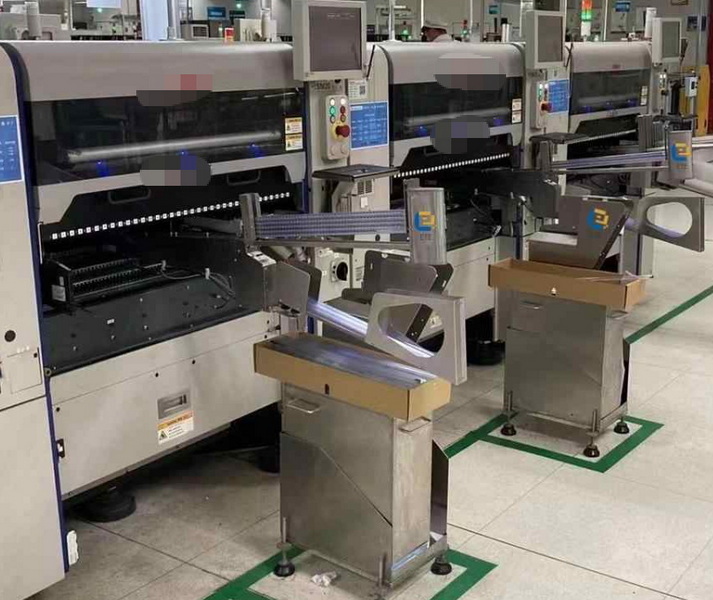
Mechanical wear on gears, springs, and actuators in SMT Feeders causes floating heights or no-feed conditions over time. Dust and particulate ingress accelerates degradation in SMT Feeders.
High-cycle operations—up to 100,000 feeds per shift—exhaust components, leading to backlash in SMT Feeders.
Preventive and Remedial Actions for Worn SMT Feeders:
- Conduct bi-weekly visual and auditory inspections of SMT Feeder mechanisms.
- Apply minimal lubrication to pivots and gears using manufacturer-recommended oils.
- Rebuild kits from Highlywin restore multiple SMT Feeders economically.
- Monitor feed counts via software to schedule replacements preemptively.
- Upgrade to hardened components for heavy-duty SMT Feeders.
This approach doubles SMT Feeder lifespan in demanding applications.
SMT Feeders fail to power up from blown fuses, faulty switches, or oxidized connectors. Dim or absent indicator lights signal these issues in SMT Feeders.
Voltage fluctuations in factory power grids trigger repeated failures in SMT Feeders.
Quick Fixes for SMT Feeder Power Issues:
- Verify AC/DC plugs and clean contacts with contact cleaner.
- Test and replace switches or relays in the SMT Feeder power circuit.
- Install surge protectors dedicated to SMT Feeder banks.
- Check for loose internal wiring with insulated probes.
Restored SMT Feeders resume operation within minutes.
Leverage software diagnostics to track SMT Feeder metrics like error rates and cycle times. Vibration analysis tools predict failures in SMT Feeders early.
Key Maintenance Best Practices for SMT Feeders:
- Daily visual sweeps and tape path wipes.
- Weekly deep cleans with vacuums and solvents.
- Monthly full calibrations and sensor verifications on SMT Feeders.
- Quarterly gear lubes and belt tensions.
- Annual overhauls by Highlywin experts.
- Operator training on proper SMT Feeder loading techniques.
- Automated inventory systems for SMT Feeder consumables.
These routines slash unplanned SMT Feeder downtimes by 70%.
Highlywin excels in supplying, repairing, and upgrading SMT Feeders for global clients. From stock feeders to custom engineering, Highlywin ensures your SMT line thrives with reliable SMT Feeders and expert support.
Addressing common issues in SMT Feeders—from jams and misalignments to electrical faults and wear—requires systematic troubleshooting and proactive maintenance. By implementing the outlined fixes and partnering with Highlywin for parts and services, manufacturers achieve uninterrupted SMT production, higher yields, and cost savings. Invest in robust SMT Feeder care today for tomorrow's efficiency.
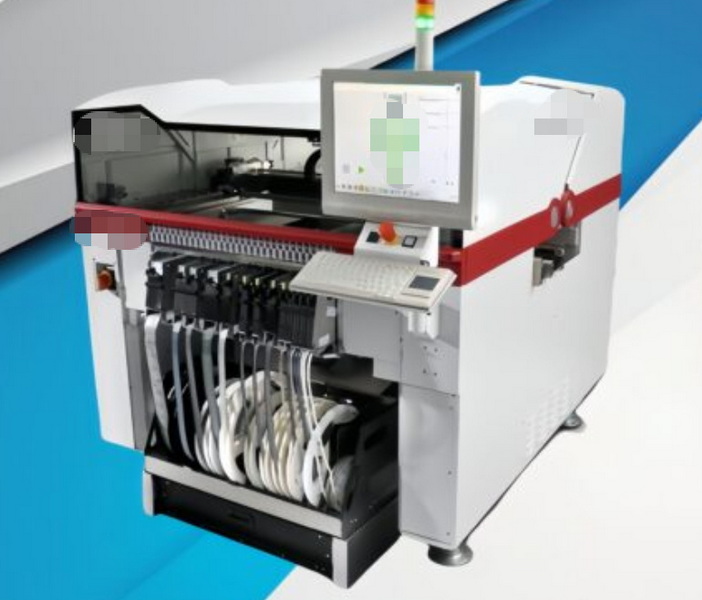
Signs include component jams, inconsistent feeding, error codes, or no power in SMT Feeders. Monitor for skipped placements or alarms.
Clean SMT Feeders weekly, inspect bi-weekly, and calibrate monthly to prevent issues.
Yes, basic fixes like cleaning or alignment on SMT Feeders are DIY; complex electrical repairs may need pros like Highlywin.
Multimeters, alignment tools, and feeder software for SMT Feeders are essential.
Ensure proper tape loading, regular part replacement, and sensor cleaning in SMT Feeders.


