Your Trusted Partner from Prototyping to Mass Production, Email Us:info@highlymachine.com
Please Choose Your Language


Views: 222 Author: Ann Publish Time: 2025-12-21 Origin: Site


Content Menu
● Understanding SMT Accessories and Their Function in Production
● Why Regular Calibration Matters for SMT Accessories
>> Maintaining Placement Accuracy and Precision
>> Preventing Equipment Wear and Long-Term Drift
>> Aligning with Industry Standards
>> Reducing Cost and Material Waste
● Common SMT Accessories Requiring Periodic Calibration
>> SMT Nozzles
>> Feeders
>> Conveyor and Transfer Systems
● The Calibration Process: Step-by-Step Overview
>> 2. Measurement Using Certified Tools:
>> 4. Functional Verification:
>> 5. Documentation and Traceability:
● Benefits of Regular Calibration for SMT Accessories
>> Higher Production Efficiency
>> Enhanced Customer Confidence
● Best Practices for Managing SMT Calibration Programs
>> Develop a Structured Calibration Schedule
>> Use Reliable, Certified Tools and Fixtures
>> Implement Digital Tracking Systems
>> Collaboration with Professional Calibration Service Providers
● Common Calibration Challenges and How to Overcome Them
● The Role of Calibration in Smart Factory Integration
● Highlywin's One-Stop SMT Calibration and Service Solutions
● FAQ
>> 1. What types of SMT accessories need the most frequent calibration?
>> 2. How often should calibration be performed in a typical SMT line?
>> 3. What are the risks of using uncalibrated SMT accessories?
>> 4. Can calibration be automated?
>> 5. How does Highlywin support SMT calibration?
The rapid evolution of electronics manufacturing demands utmost precision, speed, and reliability. In this high-stakes landscape, Surface Mount Technology (SMT) is the backbone of PCB assembly. SMT enables the efficient placement of miniature electronic components directly onto circuit boards. However, this process depends heavily on the accuracy and stability of supporting tools and devices, collectively known as SMT accessories.
Regular calibration of these accessories ensures the accuracy and consistency of the entire production line. Without it, even minor deviations can trigger cascading production errors, leading to defects, increased waste, and costly rework. This article explores the importance, methods, and benefits of systematic calibration for SMT accessories—and how Highlywin helps global manufacturers sustain optimal efficiency and compliance.

SMT accessories are essential components that support the precise and consistent operation of key SMT equipment. Whether it's feeders supplying components, nozzles picking and placing chips, or vision systems confirming alignment, these parts form the foundation of a successful SMT production line.
Key categories of SMT accessories include:
- Feeders: Deliver components to pick-and-place machines.
- Nozzles: Handle and position components with microscopic precision.
- Calibration jigs and fixtures: Maintain positioning accuracy for feeders, nozzles, and vision sensors.
- Conveyor systems: Transfer PCBs between processes without damage or displacement.
- Optical alignment tools: Verify and adjust the positioning and focus of visual detection systems.
- Solder paste printers and inspection systems: Ensure consistent solder deposition before reflow.
Each accessory type interacts closely with others, forming an interconnected digital ecosystem. When any accessory becomes improperly aligned or out of tolerance, this disrupts the entire process chain—reducing productivity and product quality.
SMT placement tolerances are measured in microns. Even a deviation of 0.1 mm can cause misalignment, leading to soldering bridges or component offset. Calibration ensures that each SMT accessory—from feeders to nozzles—delivers predictable, repeatable performance. For example, feeder calibration guarantees consistent tape advance, while nozzle calibration ensures correct pickup pressure and z-axis height during placement.
Over time, machine wear, vibration, and temperature shifts can gradually alter mechanical and electronic settings. Sensors and motors may drift from their initial factory calibration. Regular recalibration resets these parameters, preventing small inaccuracies from growing into significant production disruptions. This proactive approach extends equipment longevity and minimizes downtime.
Manufacturers who follow international quality frameworks such as ISO 9001, IPC-A-610, or IEC 61340 are required to implement documented calibration programs. Regular calibration of SMT accessories ensures traceability and compliance during audits. It also reinforces the brand's reputation for consistent quality and process discipline.
When calibration slips, component misplacement rates rise. A single misfeed or offset pick can cause an entire batch of PCBs to be rejected. Consistent calibration across SMT accessories directly reduces scrap, rework time, and material consumption. These efficiency gains translate into significant cost savings, especially for high-volume production environments.
The nozzles of pick-and-place machines are vital for accurate component pickup and placement. They must be calibrated for position, angle, pressure, and vacuum strength. Even a small variation can cause pickup errors, misalignment, or dropped components. Regular nozzle calibration restores optimal suction efficiency and prevents placement variation.
Feeders might appear robust, but slight mechanical drift or wear can affect tape indexing precision. Calibrating feeder pitch, position sensors, and tension systems ensures that components arrive exactly where pick-up heads expect them to be.
Cameras and vision units identify and orient components during the pick-and-place process. Over time, lenses and lighting deteriorate or accumulate dust, affecting accuracy. Calibration adjusts image scaling, lighting balance, and reference recognition, ensuring consistent operation during long production runs.
Accurate paste deposition is foundational to solder joint integrity. Paste printer calibration ensures correct stencil gap, print pressure, and alignment with PCB pads. Even small misprints can cause solder bridges or open circuits.
The conveyors and board transferring accessories maintain synchronized movement between machines. Calibrating transport height, rail spacing, and sensor triggering allows smooth, uninterrupted board flow, minimizing risk of scratches or impact defects.
Evaluate all SMT accessories for dust, wear, or misalignment before calibration begins. Replace or clean worn parts to establish a stable baseline.
Employ traceable calibration instruments such as laser measurement tools, digital micrometers, and torque analyzers to test for tolerance deviations.
Set each accessory to its reference point in accordance with machine specifications or OEM standards.
After adjustment, test accessories under simulated production conditions. Verify functionality with known good reference boards or dummy components.
Record all calibration results, including environmental conditions, deviation reports, and technician signatures. Keeping accurate records ensures repeatability and accountability.
Schedule the next calibration session according to part type, usage rate, and equipment criticality. Frequent reviews ensure early detection of recurring drift patterns.
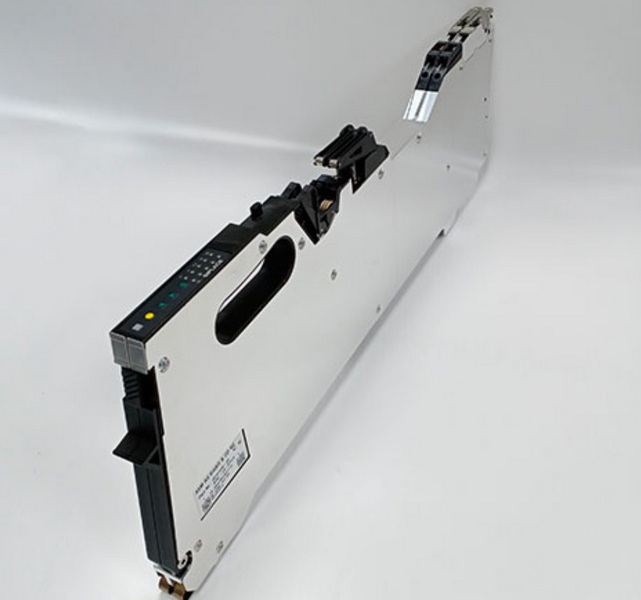
Regular calibration minimizes equipment stoppage due to errors or inspection failures. Feeder jams and nozzle misalignments reduce dramatically when accessories function within their design tolerance. Manufacturers benefit from stable cycle times and predictable throughput.
Consistency in SMT processes creates uniform solder joints and perfect component alignment. Calibrated accessories also increase first-pass yield (FPY) in automated optical inspection and in-circuit testing.
Preventive calibration identifies early signs of wear before costly failures occur. Scheduled tune-ups reduce emergency repairs and prolong the operational lifespan of expensive SMT machinery.
Calibration is not merely maintenance—it is data-driven process refinement. Trend analysis of calibration records reveals long-term performance patterns across SMT accessories, helping manufacturers predict and prevent potential abnormalities.
Proper calibration supports consistent delivery quality, a key factor for clients in electronics manufacturing services (EMS). Demonstrating adherence to calibration standards increases trust and opens opportunities for higher-end contracts.
Different SMT accessories require distinct calibration frequencies. For example, nozzles and feeders used around the clock should be inspected and calibrated weekly or biweekly, while vision systems may require recalibration every few months. A structured plan aligns these intervals to production cycles.
Always rely on certified calibration devices traceable to international standards such as ISO/IEC 17025. Non-certified tools may introduce new errors, defeating the purpose of calibration.
Calibration demands both technical understanding and operational precision. Ensure your maintenance personnel undergo periodic training to interpret calibration data and adjust tools correctly without causing mechanical wear.
Replace manual calibration logs with automated software tracking systems. Modern MES or ERP integrations generate alerts based on real-time operating hours, usage rates, and calibration intervals. This digital integration ensures compliance and prevents overlooked tasks.
Partnering with professional providers such as Highlywin guarantees accurate calibration. Highlywin's certified engineers use OEM-approved procedures to verify and adjust SMT accessories, providing factory-grade calibration across multiple equipment brands like Panasonic, Fuji, Juki, and Yamaha.
Despite awareness of its importance, calibration remains one of the most frequently overlooked maintenance activities in SMT production. Common challenges include:
1. Insufficient Documentation: Without detailed calibration histories, it becomes difficult to trace error sources after a defect occurs.
2. Unclear Standards: Different brands of SMT accessories use varying calibration reference formats; standardization helps unify quality control.
3. Budget Constraints: Some facilities postpone calibration to cut costs, eventually facing greater losses from process instability.
4. Lack of Expert Resources: Skilled technicians capable of handling mixed-brand SMT calibration can be scarce. Partnering with specialized service providers helps fill this gap.
Addressing these challenges requires proactive investment in training, documentation control, and process digitization.
With Industry 4.0 and smart manufacturing technology, SMT calibration is becoming increasingly integrated into automated feedback systems. Real-time calibration monitoring and predictive analytics enable equipment to self-adjust before performance drifts occur. Machine learning algorithms analyze historical calibration data to forecast failure probability and recommend the next calibration date automatically.
Smart calibration systems:
- Detect gradual drift in image recognition or motor alignment.
- Notify operators via dashboard alerts before deviations exceed tolerance.
- Synchronize calibration records across the MES and quality control systems.
- Reduce unplanned downtime by 20–30% compared to manual calibration schedules.
Through this integration, manufacturers transition from reactive maintenance to predictive and self-corrective SMT operations.
Highlywin provides global customers with a complete range of SMT/AI/peripheral equipment and a comprehensive selection of SMT accessories, spare parts, and technical support. Our one-stop SMT solution covers everything from equipment installation and calibration to long-term maintenance and performance optimization.
Our calibration services include:
- Precision alignment of feeders, nozzles, cameras, and conveyors.
- On-site inspection by certified service engineers.
- Supply of genuine OEM parts for consistent reliability.
- Detailed calibration certificates and traceable records.
- Remote consultation, software updates, and preventive diagnostics.
Through these solutions, Highlywin ensures customers experience minimal downtime, stable throughput, and consistent product quality — enabling an edge in today's competitive electronics manufacturing market.
In SMT manufacturing, precision defines success. Regular calibration of SMT accessories secures consistency, reliability, and compliance across every production stage. Whether it's feeder alignment, nozzle positioning, or vision accuracy, maintaining correct calibration safeguards manufacturing quality, reduces operational costs, and extends equipment lifetime.
Professional calibration should never be viewed as a one-time task but as a continuous improvement process integrated into your production culture. Highlywin supports manufacturers worldwide with certified calibration tools, expert technical support, and OEM-compatible accessories that guarantee high performance and longevity.
By combining preventive maintenance, data analysis, and continuous calibration management, electronics manufacturers can achieve unparalleled production efficiency and unlock the full potential of their SMT systems.
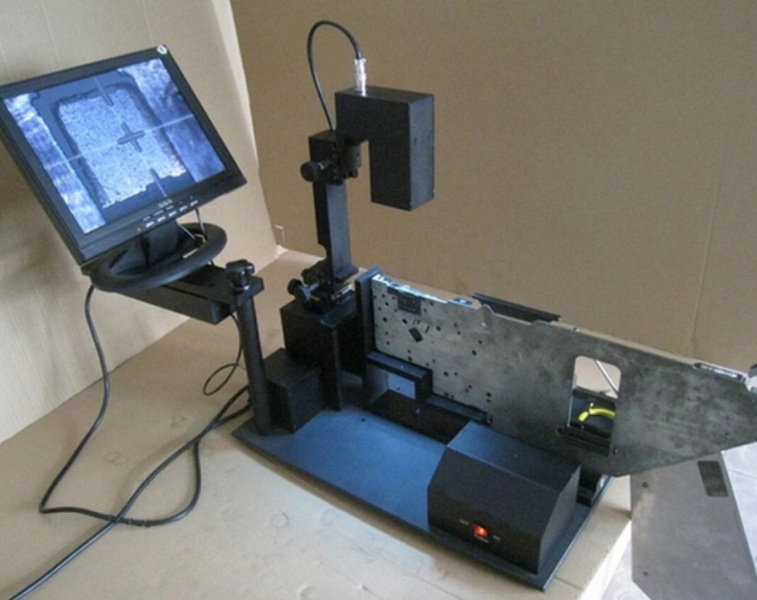
Accessories under continuous mechanical stress—such as feeders, nozzles, and solder printers—require the most frequent calibration because their tolerances drift quickly under heavy use.
While frequency varies, feeders and nozzles should be checked weekly or biweekly, vision systems quarterly, and solder paste printers monthly. The schedule depends on usage time, environmental conditions, and manufacturer recommendations.
Uncalibrated accessories cause misalignment, defective solder joints, and reduced yield. Over time, they can damage machinery, increase material waste, and lead to large-scale production delays.
Yes. Modern SMT equipment integrates digital sensors that enable automated calibration cycles and predictive alerts. This automation improves accuracy and frees technicians to focus on higher-value maintenance tasks.
Highlywin offers complete calibration services, replacement parts, and alignment tools tailored for various SMT machine brands. Our engineers provide on-site inspection, training, and OEM-traceable calibration certificates to keep equipment in peak condition.


