Your Trusted Partner from Prototyping to Mass Production, Email Us:info@highlymachine.com
Please Choose Your Language


Views: 222 Author: Ann Publish Time: 2026-01-04 Origin: Site


Content Menu
● Understanding Generic Components
● Key Differences in Quality and Compatibility
● How SMT Accessories Influence Production Efficiency
● Reliability and Risk Management
● Impact on Maintenance and Machine Lifespan
● Environmental and Energy Considerations
● The Role of Supplier Expertise
● How to Choose the Right SMT Accessories
>> 1. Verify part numbers and model matches.
>> 2. Assess production priorities.
>> 3. Evaluate supplier credibility.
>> 4. Monitor performance metrics.
>> 5. Plan preventive maintenance.
>> 6. Consult with professional SMT integrators.
● The Strategic Value of Quality SMT Accessories
● Why Many Manufacturers Ultimately Return to OEM Parts
● FAQ
>> 1. What are SMT accessories used for?
>> 2. Are generic SMT components reliable for long-term production?
>> 3. How often should SMT spare parts be replaced?
>> 4. Do OEM SMT accessories reduce maintenance costs?
>> 5. Where can I buy high-quality SMT spare parts and professional support?
In the world of Surface Mount Technology (SMT) manufacturing, productivity and quality are everything. Even small variations in accessory quality or machine compatibility can lead to serious consequences—misalignment, production delays, and increased defect rates. For many electronics manufacturers, one question continually arises:
> Should I invest in original SMT spare parts or choose generic components to reduce costs?
As an integrated SMT solution provider, Highlywin offers professional SMT accessories, automated equipment, and peripheral support services for customers worldwide. We've seen firsthand how the right parts choice impacts not just machine uptime, but also workflow stability, maintenance budgets, and long-term profitability.
This article provides a detailed comparison between SMT spare parts and generic components, guiding you to make a well-informed decision that aligns with your production needs.

SMT spare parts are original components designed and manufactured by the same companies that produce your SMT machines. Whether you are using Yamaha, Juki, Panasonic, Fuji, or ASM systems, each model relies on custom-engineered parts—precisely fabricated to fit within mechanical and electronic tolerances.
Typical categories include:
- Feeder components and tapes
- Nozzles, filters, and vacuum units
- Conveyor belts, timing pulleys, and sensors
- Encoder modules, pneumatic valves, and driver motors
- PCB clamps, lubricants, and cooling elements
These parts are engineered with microscopic precision to maintain consistent pick-and-place performance, minimize downtime, and ensure long-term durability. When serviced with genuine parts, SMT equipment can operate at maximum accuracy for years, maintaining stable throughput and product consistency.
Generic components, often referred to as third-party SMT accessories, are reproductions manufactured by non-OEM suppliers. Their goal is to provide functional replacements that can fit and perform similarly to original parts at a much lower price.
Common generic alternatives include:
- Compatible feeder gears and springs
- Replicated nozzle tips and holders
- Aftermarket filters, belts, and suction cups
- Non-original sensors and PCB holders
While these options might deliver short-term cost savings, quality varies greatly depending on the supplier's production capability, materials, and machining accuracy. What may appear identical on the surface often hides small deviations in size, weight distribution, or magnetic response—all of which affect pickup precision and machine synchronization.
For SMT manufacturers, the word “compatible” can have vastly different meanings. OEM manufacturers guarantee mechanical and electronic consistency across all their spare parts. Generic manufacturers, however, often reverse-engineer parts with less stringent tolerances.
Here are several key differences:
- Dimensional precision: OEM SMT accessories are built according to proprietary machine blueprints. Generic ones may differ by microns—enough to cause vacuum leakage or inaccurate component positioning.
- Material quality: Genuine parts use durable alloys or high-grade polymers that withstand heat, pressure, and motion fatigue. Generic parts might degrade faster under repetitive stress.
- Software integration: In modern SMT systems, sensors and nozzles transmit calibration data electronically. OEM parts synchronize seamlessly with machine firmware, whereas generic replacements may require manual adjustments.
- Maintenance support: OEMs and certified distributors offer technical documentation and warranty coverage. Most generic suppliers provide only basic compatibility notes.
High-performance SMT operations depend on maintaining tight tolerances, especially at placement speeds of 50,000 CPH (components per hour) or more. Even a small misalignment can result in thousands of wasted boards over time.
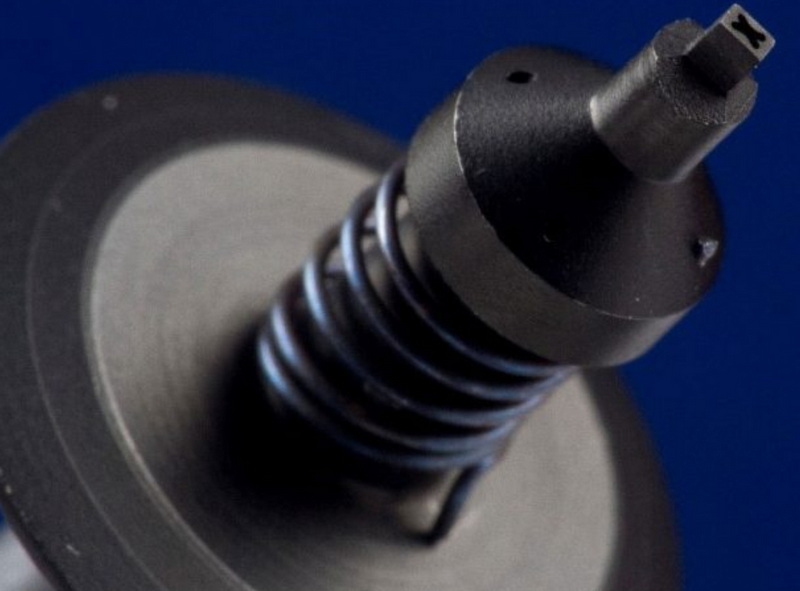
The performance of your SMT line is fundamentally determined by how each accessory contributes to synchronized motion, vacuum precision, and optical recognition. Every element—from a feeder nozzle to a sensor filter—works together like clockwork.
Feeder systems: Precision feeders ensure components are delivered to the pickup head consistently. A worn-out feeder spring or misaligned gear can cause multiple placement errors.
Nozzles and filters: The quality of these SMT accessories dictates vacuum strength and placement accuracy. Low-grade nozzles may develop leaks, leading to dropped or misaligned components.
Vision and inspection units: OEM vision sensors integrate calibration data with machine controllers. Using generic versions often reduces recognition speed or causes false detection, lowering line throughput.
Conveyor and transport systems: Reliable belts and rollers maintain constant PCB positioning. Minor friction differences between OEM and generic parts can introduce timing drift across multiple lines.
A production line equipped with genuine spare parts rarely suffers from inconsistent cycles, while a generic-equipped one might struggle with frequent recalibration, poor yields, and unplanned maintenance.
From a risk management perspective, OEM spare parts minimize uncertainty. In industries such as automotive, aerospace, and medical electronics—where precision and traceability are mandatory—manufacturers cannot afford performance inconsistencies.
OEM accessories ensure:
- Proven material integrity and traceability
- Compatibility with equipment firmware updates
- Identical performance replication across multiple machines
Generic components introduce greater uncertainty, especially in high-speed or high-mix production environments. Small inconsistencies can require line recalibration, slowing throughput and potentially invalidating ISO production certifications.
Maintenance intervals differ significantly between OEM and generic component use. High-quality SMT accessories preserve mechanical stability, reduce bearing wear, and protect drive systems from overload. Generic substitutes may wear faster, affecting tensioning systems and causing downstream stress on motors and actuators.
Over time, this translates into shorter machine life. A typical placement head may last over 10,000 operating hours with OEM-calibrated parts but wear out in half that time with untested replacements. Maintaining OEM-grade integrity results in less vibration, smoother motion, and improved placement repeatability even after years of operation.
Sustainable manufacturing goes beyond energy-efficient machines—it also includes how often parts must be replaced. OEM SMT accessories are designed to last longer, reducing material waste and packaging consumption.
Generic components, which often require replacement every few months, generate more waste from shipping, packaging, and disposal of worn materials. The indirect carbon footprint of frequent replacements adds up quickly, undermining sustainability targets in modern factories pursuing green manufacturing certifications such as ISO 14001.
In addition, repeated recalibration caused by low-quality parts increases machine idle time and energy use. Keeping stable performance through reliable accessories helps reduce total power consumption per unit assembled.
Beyond the parts themselves, selecting the right supply partner plays a crucial role in production reliability. Working with an authorized or experienced SMT provider—like Highlywin—offers several advantages:
- Access to a full range of compatible SMT accessories across leading brands.
- Professional recommendations for balancing cost and performance.
- Reliable technical support during installation, calibration, and maintenance.
- Consistent spare part availability with verified quality control documentation.
Partnering with specialists ensures your production line remains operational and optimized rather than struggling with random sourcing or uncertain replacements.
Whether your decision leans toward OEM or compatible parts, the selection process should be strategic. Follow these practical steps to minimize risk:
Always confirm part codes with the manufacturer's documentation. Visual similarity does not ensure mechanical compatibility.
For high-volume or safety-critical products, reliability takes precedence over savings. For prototyping or small batch projects, compatible parts may suffice.
Choose suppliers who maintain standardized inspection systems, not resellers repackaging parts from unknown sources.
Track KPIs such as pickup accuracy, defect rate, and downtime frequency after installing new components.
Keeping records of usage cycles and timely replacements helps maintain consistent product quality and extend machine lifespan.
Expert advice ensures that any part substitution is technically validated and performance-tested.
By adopting these measures, manufacturers can strike the ideal balance between cost efficiency and operational stability.
High-quality SMT accessories represent more than maintenance expenses—they are strategic investments in production continuity. Consistent performance allows manufacturers to run multi-shift operations, reduce human supervision, and accelerate ROI on capital equipment.
Additionally, using authentic spare parts simplifies quality audits. OEM traceability documentation confirms material origin and compliance with global standards such as RoHS and REACH. Maintaining this documentation is crucial for exporting electronic goods or meeting compliance requirements from international clients.
As automation advances toward Industry 4.0, machine learning and self-diagnostic software rely on standardized sensor data. Generic parts without calibration metadata can interrupt digital feedback loops, limiting predictive maintenance capabilities. OEM accessories, by contrast, support seamless integration into data-driven smart factories.
Despite the allure of lower prices, many factories return to OEM-supplied SMT accessories after experiencing quality fluctuations with generics. The main reasons include:
- The inability to maintain consistent pickup accuracy across shifts.
- Increased defects during environmental changes such as humidity variations.
- Higher error rates on fine-pitch component placements.
- Delays in production caused by replacement logistics and revalidation.
OEM components restore machine consistency and reduce operational stress. Over time, the improved throughput and reduced downtime compensate for initial purchase costs, producing a clearer profit margin and greater customer confidence.
When comparing SMT spare parts and generic components, the right choice depends on your production goals, cost structure, and quality expectations. Generic alternatives can be useful for low-risk, small-scale applications, but for sustainable high-volume manufacturing, OEM SMT accessories remain the best investment.
They deliver superior accuracy, longer lifespans, and stable output—saving money over time by preventing costly reworks and downtime. Moreover, they support digitalization, traceability, and compliance with global quality systems.
At Highlywin, we specialize in supplying verified SMT spare parts, equipment, and accessories for customers worldwide. Whether you operate a small assembly line or a fully automated facility, our integrated services help you optimize performance, minimize cost, and extend equipment durability.
Choosing the right accessories today ensures smoother production and stronger competitiveness tomorrow.
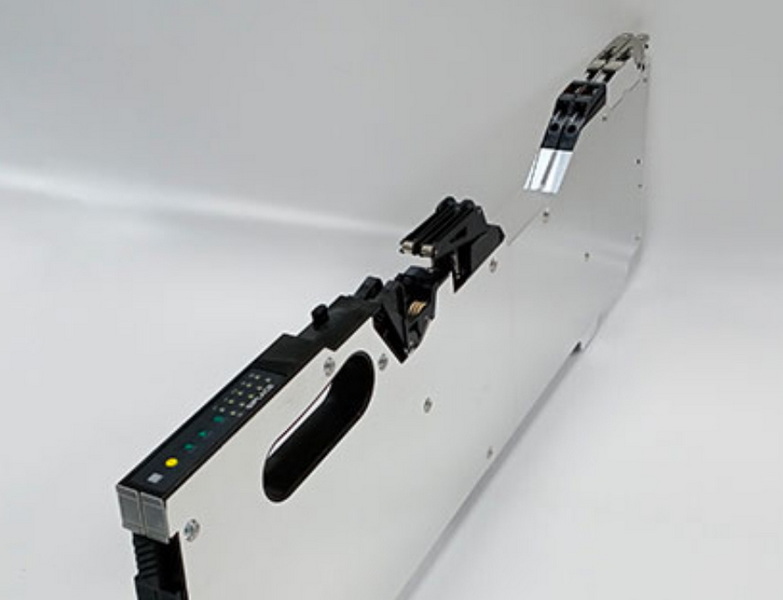
SMT accessories such as feeders, nozzles, filters, and sensors are essential for the precise and reliable operation of SMT machines during PCB assembly. They support pickup accuracy, feeding stability, and board transport.
While some generic components perform decently at lower speeds, they often lack the calibration accuracy and material strength required for continuous high-speed production. Reliability decreases with extended use.
Replacement frequency depends on operating hours and material type. Most SMT accessories, like filters, nozzles, and springs, should be inspected or replaced every 3–6 months under continuous operation.
Yes. OEM parts maintain alignment and calibration longer, minimizing downtime. They also reduce wear on other machine components, lowering total maintenance expenses over time.
Highlywin provides certified SMT accessories, spare parts, and one-stop SMT services globally. Our experts guide customers through part selection, installation, and full-line optimization.


