Your Trusted Partner from Prototyping to Mass Production, Email Us:info@highlymachine.com
Please Choose Your Language


Views: 222 Author: Ann Publish Time: 2026-01-09 Origin: Site


Content Menu
● Introduction to SMT Machine Training Importance
● Defining Clear Training Objectives for SMT Machines
● Developing a Comprehensive SMT Machine Curriculum
● Understanding SMT Machine Architecture and Components
● Essential Safety Protocols for SMT Machine Operations
● Mastering ESD Control in SMT Machine Environments
● Creating Detailed SOPs for SMT Machine Handling
● Progressive Hands-On SMT Machine Operation Training
● Daily Maintenance and Inspection Routines for SMT Machines
● Emergency Response Drills Specific to SMT Machines
● Leveraging Digital Tools and Simulators for SMT Machines
● Performance Assessment and Certification on SMT Machines
● Fostering a Continuous Safety Culture Around SMT Machines
● Advanced Topics: Optimizing SMT Machine Throughput Post-Training
● Highlywin's Role in Your SMT Machine Training Success
● FAQ
>> 1. How long should initial SMT machine training last?
>> 2. What are the top safety risks with SMT machines?
>> 3. How do you handle ESD in SMT machine training?
>> 4. Can SMT machine training be done remotely?
>> 5. How to measure SMT machine training ROI?
Training your team on SMT machine operation and safety forms the foundation of reliable, high-yield production lines where precision SMT machines handle delicate components at high speeds. Effective programs reduce accidents, minimize downtime, and ensure operators master every aspect of SMT machines from startup to troubleshooting. Highlywin, as a global provider of SMT machines, AI equipment, peripherals, services, and spare parts, supports factories worldwide with tailored training solutions for seamless SMT machine integration.

In modern electronics manufacturing, SMT machines drive efficiency by placing thousands of components per hour onto PCBs with micron-level accuracy. Untrained operators risk personal injury, component damage, or SMT machine failures that halt entire production lines. Comprehensive training equips teams to operate SMT machines safely while optimizing throughput and first-pass yields.
Every SMT machine—from high-speed modular placers to flexible multi-head systems—demands specific knowledge of mechanical movements, software interfaces, and environmental controls. Factories that invest in structured SMT machine training see 20-30% reductions in defects and unplanned stops, directly boosting profitability. This guide outlines a step-by-step approach to developing and delivering world-class SMT machine training programs.
Start by establishing precise, measurable goals for your SMT machine training initiative. Objectives should align with production targets, such as achieving 95% uptime on SMT machines or limiting operator-induced errors to under 1%. Categorize trainees by role: novice operators focus on basic SMT machine controls and safety, while technicians dive into diagnostics and preventive maintenance.
Key performance indicators include successful completion of SMT machine startups without alarms, accurate feeder setups, and proper emergency responses. Document these in a training matrix that maps skills to SMT machine models in your facility. Regularly review and update objectives as new SMT machines or software versions arrive, ensuring ongoing relevance.
A robust curriculum blends theoretical lectures, interactive simulations, and live SMT machine practice over 40-80 hours spread across 1-2 weeks. Begin with foundational modules covering SMT process flows: solder paste printing, component placement via SMT machines, reflow soldering, and automated optical inspection.
Incorporate hands-on labs where trainees shadow experts on live SMT machines, progressing to independent runs under supervision. Use real production data to simulate common scenarios, like handling feeder jams or nozzle mispicks on SMT machines. Extend training to cover integration with upstream printers and downstream AOI systems for holistic line understanding.
Operators gain confidence handling SMT machines when they comprehend internal systems. Core elements include the X-Y gantry for head movement, Z-theta axes for precise placement, vision cameras for alignment, and feeder banks supplying components. Explain how vacuum pick-up nozzles interface with SMT machines' turret or beam systems to transfer parts without damage.
Detail conveyor mechanisms that advance PCBs through SMT machines, synchronized with placement cycles. Cover auxiliary systems like air pressure regulators, vacuum pumps, and servo motors that power SMT machines' high-speed operations. Visual aids, such as exploded diagrams of SMT machines, reinforce how misalignment in one subsystem cascades into widespread issues.
Safety training precedes all SMT machine hands-on sessions, emphasizing hazards like pinch points on moving gantries, high-voltage enclosures, and rapid head traversals. Mandate personal protective equipment including ESD-safe clothing, grounded wrist straps, safety eyewear, and non-slip shoes around SMT machines.
Teach lockout/tagout procedures to isolate power before accessing SMT machine internals, preventing unexpected startups. Highlight fume extraction requirements near reflow zones linked to SMT machine outputs, protecting respiratory health. Stress never bypassing safety interlocks or guards on SMT machines, even for quick fixes.
Electrostatic discharge devastates sensitive components processed by SMT machines, so ESD training is non-negotiable. Establish ESD-protected areas (EPAs) with grounded mats, ionized air blowers, and humidity controls above 40% RH around SMT machines. Trainees practice daily rituals: testing wrist straps, verifying footwear conductivity, and handling PCBs only in designated zones.
Demonstrate proper component storage in ESD-safe bags before loading into SMT machine feeders. Conduct audits simulating ESD events to show invisible damage risks. Integrate ESD metrics into SMT machine operator evaluations, ensuring compliance sustains high yields.
Standard operating procedures provide foolproof guidance for every SMT machine task. Develop visual SOPs with photos and HMI screenshots for startup sequences: verifying air pressure, homing axes, loading programs, and dry-running SMT machines. Include checklists for feeder calibration, nozzle verification, and PCB alignment before full production.
For changeovers, outline steps to purge old jobs, swap feeders, and validate new setups on SMT machines without scrap. Shutdown SOPs cover cleaning stations, parking heads, and securing covers. Laminate these near each SMT machine for instant reference, reducing errors during high-pressure shifts.
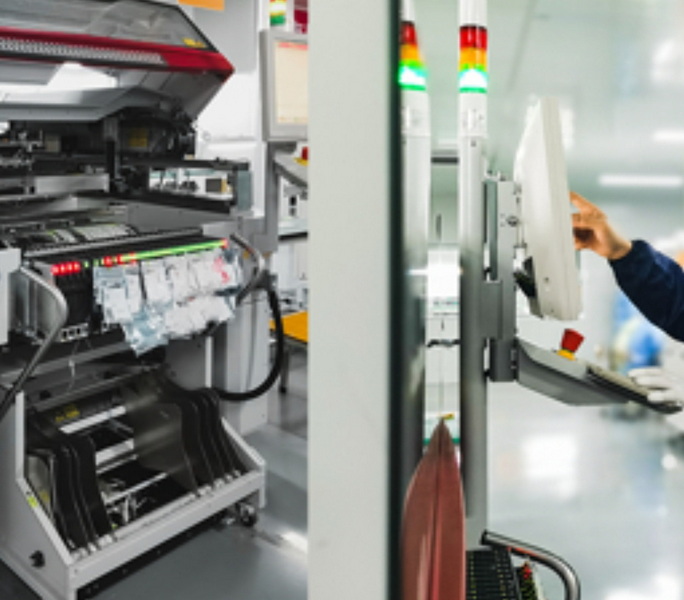
Phase training from observation to mastery on actual SMT machines. Day one: trainees observe veterans executing full cycles, noting safe postures and alarm responses. Day two: guided practice on paused SMT machines, practicing feeder loading and nozzle changes.
Advance to low-speed runs where trainees control SMT machines under dual supervision, handling interruptions like minor jams. Simulate peak loads with mixed component boards to build speed on SMT machines. Log performance data to track improvement, certifying operators only after 100% success rates.
Empower operators with basic upkeep to maximize SMT machine reliability. Daily checks include wiping vision lenses, inspecting nozzle tips for wear, confirming vacuum levels, and clearing feeder lanes. Weekly tasks involve belt tension adjustments, rail alignments, and software updates on SMT machines.
Train recognition of early failure signs, like erratic placements or unusual noises from SMT machines, prompting timely technician calls. Supply toolkits with calibrated torque wrenches and cleaners stationed at each SMT machine. This proactive approach cuts downtime by 40%.
Prepare teams for real-world disruptions with scripted drills on SMT machines. Practice hitting e-stops during simulated gantry faults, then safely restarting after verification. Role-play evacuations for electrical shorts or component fires near SMT machines.
Incorporate spill response for solder paste mishaps upstream of SMT machines. Review incident logs quarterly to refine drills, ensuring muscle memory activates under stress. Certified trainers lead these, using video replays for debriefs.
Accelerate learning with software simulators mimicking SMT machine behaviors. Offline programmers let trainees build jobs, optimize head paths, and detect collisions virtually before live SMT machine deployment. Augmented reality apps overlay instructions on physical SMT machines via tablets.
Micro-learning videos—under 5 minutes—target specific SMT machine functions, accessible on-demand. Gamified quizzes reinforce knowledge, with leaderboards motivating teams. These tools scale training across shifts without tying up production SMT machines.
Evaluate trainees through multifaceted tests: written exams on SMT machine theory and safety, plus practical demos like full job setups. Use scoring rubrics assessing speed, accuracy, and adherence on SMT machines. Issue digital badges for levels—operator, lead, expert—tied to SMT machine proficiencies.
Re-certify annually or post-incident, incorporating line data feedback. Track cohort metrics pre- and post-training to quantify ROI, such as reduced SMT machine scrap rates.
Embed safety via daily huddles discussing recent SMT machine near-misses and best practices. Appoint shift champions to audit behaviors and coach peers on SMT machines. Display real-time dashboards of safety KPIs near production floors.
Celebrate milestones like 10,000 accident-free SMT machine hours with team recognitions. Integrate safety into performance reviews, aligning incentives with disciplined SMT machine operations.
Beyond basics, train on fine-tuning SMT machines for complex boards. Cover multi-feeder calibration, flying probe integration, and AI-driven defect prediction. Discuss nitrogen reflow synergies with SMT machine outputs for void-free solders.
Explore predictive maintenance using SMT machine telemetry to preempt failures. These modules elevate operators to line leads, sustaining peak performance.
Highlywin delivers turnkey SMT machine solutions, including customized training programs worldwide. Supply state-of-the-art SMT machines with intuitive interfaces, backed by on-site experts teaching operation and safety. Access spare parts inventories ensuring uninterrupted SMT machine training.
Partner for line audits identifying training gaps, plus ongoing refreshers via remote sessions. Highlywin's one-stop approach—from SMT machines to peripherals—streamlines your path to operational excellence.
Mastering SMT machine operation and safety demands a holistic strategy uniting curriculum design, hands-on immersion, rigorous assessments, and cultural reinforcement. By prioritizing structured programs, factories safeguard personnel, slash defects, and unlock SMT machines' full potential for competitive edge. Collaborate with Highlywin to deploy proven training that propels your SMT production to global standards, ensuring sustained success.
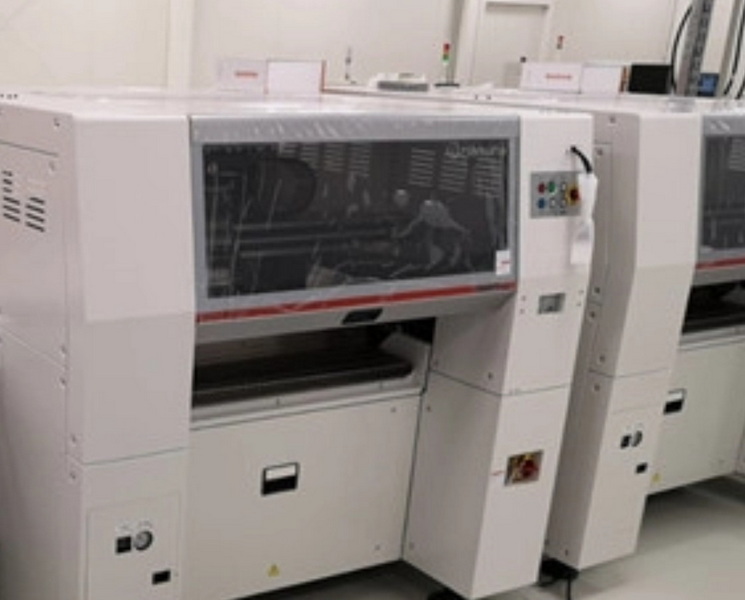
Initial SMT machine training typically spans 40-80 hours over 1-2 weeks, blending theory and practice. Follow with 4-6 weeks of supervised shifts on SMT machines for full competency.
Primary risks include mechanical pinches from gantries, ESD damage to components, and electrical hazards in SMT machine cabinets. Proper PPE, LOTO, and interlocks mitigate these effectively.
Incorporate daily wrist strap tests, EPA protocols, and handling demos. Audit compliance regularly to protect SMT machine-processed devices from invisible threats.
Yes, simulators and videos enable remote theory, but hands-on SMT machine practice requires on-site sessions. Hybrid models with Highlywin experts optimize flexibility.
Monitor metrics like downtime reduction, yield improvements, and incident rates pre/post-training. Aim for 20-30% gains in SMT machine efficiency within three months.


