Your Trusted Partner from Prototyping to Mass Production, Email Us:info@highlymachine.com
Please Choose Your Language


Views: 222 Author: Ann Publish Time: 2026-01-02 Origin: Site


Content Menu
● Understanding SMT Machines and Their Functions
● Why Regular SMT Machine Maintenance Matters
● Daily SMT Machine Maintenance Routine
● Weekly and Monthly Preventive Maintenance
● Advanced SMT Machine Maintenance Strategies
>> Predictive Maintenance Benefits
● Key Preventive Maintenance Practices
● Effective Spare Parts Management for SMT Machines
● Operator Training and Skill Development
● Environmental Control in SMT Workshops
● Maintaining SMT Software and Firmware
● Periodic Machine Overhaul and Component Replacement
● The Role of Documentation and Data Tracking
● Best Practices for Extending SMT Machine Lifespan
● FAQs About SMT Machine Maintenance
>> 1. What is the recommended frequency for SMT machine maintenance?
>> 2. How can predictive maintenance help SMT production lines?
>> 3. Why should I use OEM spare parts for SMT machines?
>> 4. What are the most critical components to maintain regularly?
>> 5. How can operator training influence SMT machine performance?
Maintaining SMT machines—the cornerstone of modern electronics manufacturing—is essential for ensuring continuity, precision, and profitability in your SMT production lines. The efficiency of any SMT assembly depends heavily on how well each piece of equipment is cared for. Without regular maintenance, even the most advanced systems will eventually suffer from performance degradation, unplanned downtime, and costly repairs.
As a global provider of comprehensive SMT solutions, Highlywin is committed to helping manufacturers achieve excellence by sharing best practices for machine upkeep and performance optimization. In this article, we outline practical maintenance strategies, preventive measures, and expert insights to help you extend the lifespan of your SMT systems and maintain high-quality output.

Surface Mount Technology (SMT) has revolutionized electronics production, enabling the placement of miniature components onto PCBs (Printed Circuit Boards) with remarkable accuracy and speed. The primary types of SMT equipment used in factories include:
- Solder Paste Printers – They deposit solder paste on PCB pads, creating the foundation for accurate component placement.
- Pick and Place Machines – These machines perform ultra-precise placement of SMD components, operating at incredible speeds with micron-level accuracy.
- Reflow Ovens – They melt solder paste and establish permanent electrical connections between components and the PCB.
- AOI and SPI Systems – Automated optical and solder paste inspection machines ensure accuracy and detect defects after assembly.
Each type of machine is part of an integrated process. Consistent maintenance of every step—from printing to inspection—guarantees balance, synchronization, and efficiency across the entire SMT line.
The complexity of SMT machines means they are exposed to factors like heat, vibration, static discharge, and dust, all of which can compromise their functionality over time. Implementing a proper maintenance regimen brings several measurable benefits:
1. Increased machine uptime – Reduces unplanned stoppages and workflow interruptions.
2. Enhanced placement precision – Keeps head alignment and vision calibration within tolerance.
3. Reduced repair costs – Preventing issues early saves both money and labor.
4. Stable production quality – Maintains consistent soldering, alignment, and reflow outcomes.
5. Extended equipment lifespan – Optimizes ROI by preserving machine performance for years longer.
6. Improved operator efficiency – Well-maintained machines are safer, smoother, and more ergonomic to operate.
Neglecting preventive care provides short-term convenience but long-term operational losses. For manufacturers aiming at high-volume, high-precision assembly, maintenance must be part of the daily workflow.
A solid daily routine ensures stability and performance. Your operators should perform these actions at the beginning and end of each shift:
- Clean and inspect nozzles and feeders. Sticky solder paste or debris can cause pick-up failures.
- Verify vision system clarity. Ensure that cameras and lighting sources are dust-free.
- Monitor air pressure and vacuum levels. Abnormal pressure often signals leakage or clogged filters.
- Check PCB conveyors. Clean tracks and rollers to prevent misalignment or scratches.
- Record all anomalies. Using maintenance logs or digital tracking software helps identify recurring issues.
Daily rituals of cleaning and inspection might seem simple, but they form the foundation of high machine reliability.
Beyond routine cleaning, weekly and monthly maintenance focuses on deeper analysis and part calibration. These procedures prevent precision drift and premature wear.
- Lubricate linear axes, ball screws, and bearings using manufacturer-recommended lubricants.
- Inspect drive belts and replace any showing cracks or wear.
- Clean filters in air compressors and vacuum lines.
- Test emergency stop, limit switches, and safety interlocks.
- Perform component placement head calibration to preserve sub-millimeter accuracy.
- Measure alignment across camera sensors and conveyor centering mechanisms.
- Examine reflow oven fans, thermocouples, and heaters for residue buildup.
- Conduct software diagnostics using maintenance utilities to monitor spindle counts and running hours.
These periodic efforts build continuity between minor daily upkeep and major overhauls, allowing production to continue without interruption.
Modern electronics manufacturing increasingly relies on predictive maintenance, supported by IoT connectivity and real-time analytics. These advanced methods elevate maintenance from reactive fixing to intelligent forecasting.
- IoT sensor integration: Sensors continuously monitor critical values such as spindle vibration, temperature, and current draw.
- Data analytics: Machine learning algorithms identify abnormal trends before mechanical failure occurs.
- Remote diagnostics: Engineers can view SMT machine conditions offsite, reducing travel time and downtime.
- Automated alerts: When thresholds exceed limits, systems automatically schedule service or notify operators.
Predictive maintenance transforms support from manual intervention to intelligent monitoring, minimizing unscheduled stoppages while optimizing efficiency.
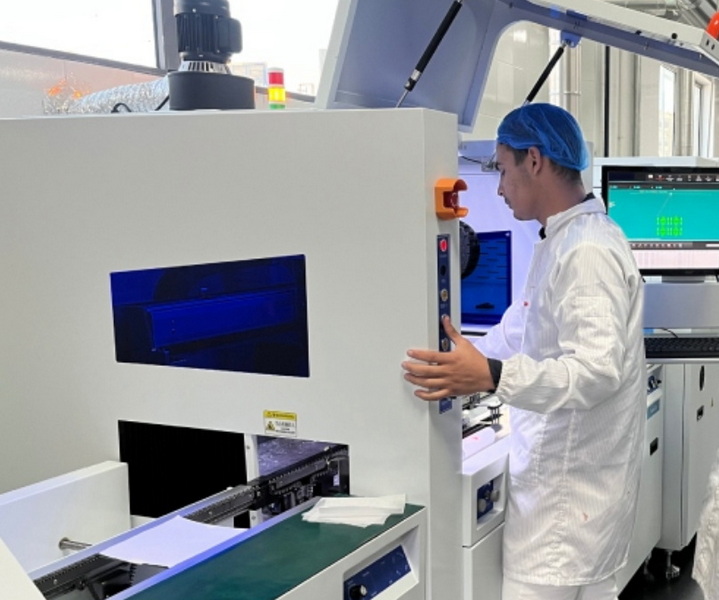
Traditional preventive maintenance remains necessary alongside predictive systems. Implement consistent programs:
- Schedule shutdown maintenance every quarter for in-depth inspection.
- Standardize service documentation for all SMT machines.
- Use OEM spare parts rather than generic alternatives to ensure compatibility.
- Keep environmental logs for temperature, humidity, and ESD control consistency.
- Coordinate service timing with production shifts to reduce disruption.
Combining preventive and predictive approaches provides total control over machine health.
One of the most common bottlenecks in SMT production is waiting for replacement parts. Planning spare part inventory is crucial to minimizing downtime.
- Maintain an updated inventory list including feeder units, nozzles, belts, motors, and sensors.
- Track replacements using barcode or RFID systems to identify recurring faults.
- Align spare stock with machine OEM lifecycle; older SMT machines may need greater stock of legacy parts.
- Partner with reliable suppliers like Highlywin who provide certified original components and technical support worldwide.
Effective spare parts logistics can reduce downtime from hours to minutes—maintaining consistent SMT line production.
Human performance directly influences machine condition. Even automated SMT machines require experienced operators who understand nuances of calibration, cleaning, and loading.
- Organize structured maintenance training for operators and engineers.
- Create visual standard operating procedures (SOPs) for easier onboarding.
- Update operators about new features or firmware changes.
- Encourage safety-first culture focusing on ESD protection, grounding, and proper handling of delicate components.
Regular knowledge refreshment ensures that human error—one of the largest causes of SMT failure—remains minimal.
Maintaining a controlled environment is essential for SMT machine stability and soldering consistency.
- Keep room temperature between 22–26°C and relative humidity between 40–60%.
- Install air filtration systems to prevent microscopic dust accumulation that can obstruct vision systems.
- Ensure all personnel use anti-static wrist straps and grounding straps to protect sensitive electronics.
- Periodically calibrate HVAC and humidification systems to maintain environmental stability.
A well-controlled environment enhances production yield, reduces static-related damage, and helps equipment run smoothly for longer durations.
While mechanical upkeep is critical, software maintenance is equally essential. SMT machines use complex control systems that demand periodic software evaluation.
- Update firmware only through approved manufacturer sources to prevent compatibility conflicts.
- Back up calibration data and placement libraries before updates.
- Use diagnostic reports to track vibration, pickup accuracy, and speed consistency.
- Maintain user login control to track parameter changes by each operator.
Keeping software current ensures optimal integration across the entire production network, especially when using multiple SMT machine brands.
Even the best-maintained systems eventually require detailed overhaul. Major maintenance actions may include:
- Replacement of stepper motors and servo drives after reaching rated cycle hours.
- Overhaul of linear guides, encoder systems, and precision bearings.
- Servicing of vacuum pumps and pneumatic valves.
- Revalidation of all calibration data across component heads and feeders.
A complete overhaul rejuvenates machine accuracy and performance, restoring it to near-new condition.
Efficient maintenance is impossible without proper record-keeping. Maintaining accurate service logs helps trace issues and improve accountability.
- Record every inspection, part replacement, and anomaly.
- Track machine uptime and downtime to evaluate performance metrics.
- Use computerized maintenance management software (CMMS) for scheduling and data collection.
Data-backed decision-making enhances predictive insights, revealing which machines or processes require the most attention.
The key to extending SMT equipment longevity lies in consistency, precision, and discipline. Best practices include:
1. Establish a strict preventive maintenance schedule aligned with OEM recommendations.
2. Clean equipment after every shift before shutdown.
3. Replace worn mechanical parts before visible degradation.
4. Train operators to detect unusual noise, vibration, or misplacement early.
5. Maintain long-term collaboration with trusted SMT service providers like Highlywin for expert technical support.
When these fundamentals become company habits, the entire production ecosystem remains optimized and resilient.
A well-maintained SMT machine line is the foundation of efficient, defect-free electronics manufacturing. Consistent inspections, rigorous preventive maintenance, and advanced predictive technologies combine to protect your investment and increase production output.
By integrating human skill, disciplined processes, and modern data-driven tools, manufacturers can achieve higher yield, lower downtime, and longer equipment life.
As a trusted global partner in SMT equipment and after-sales support, Highlywin offers the machines, parts, and expertise you need to keep your production running at full productivity — ensuring every circuit board meets quality standards from start to finish.
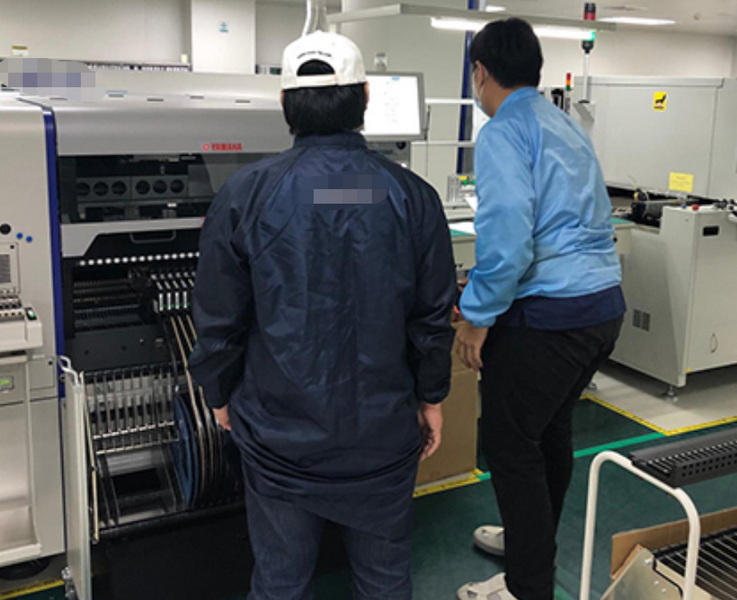
Minor maintenance such as cleaning and inspection should occur daily, while calibration and lubrication typically follow weekly or monthly schedules. Major overhauls should be planned annually.
Predictive maintenance uses sensors and analytics to forecast potential failures, enabling you to schedule service before downtime occurs—maximizing uptime and cost efficiency.
Original parts ensure full compatibility, longer component life, and optimal performance, while imitation parts can create fit or calibration issues.
Nozzles, feeders, cameras, and calibration systems should receive ongoing attention, as even slight deviations in these areas can cause widespread placement errors.
Properly trained operators identify abnormalities earlier, prevent mishandling, and maintain consistent operating standards—extending machine lifespan and improving output quality.


